

 Preview
 Send
Send Share
Share
 Details

 Download
 Similars
 X-Ray
X-Ray Diaporama
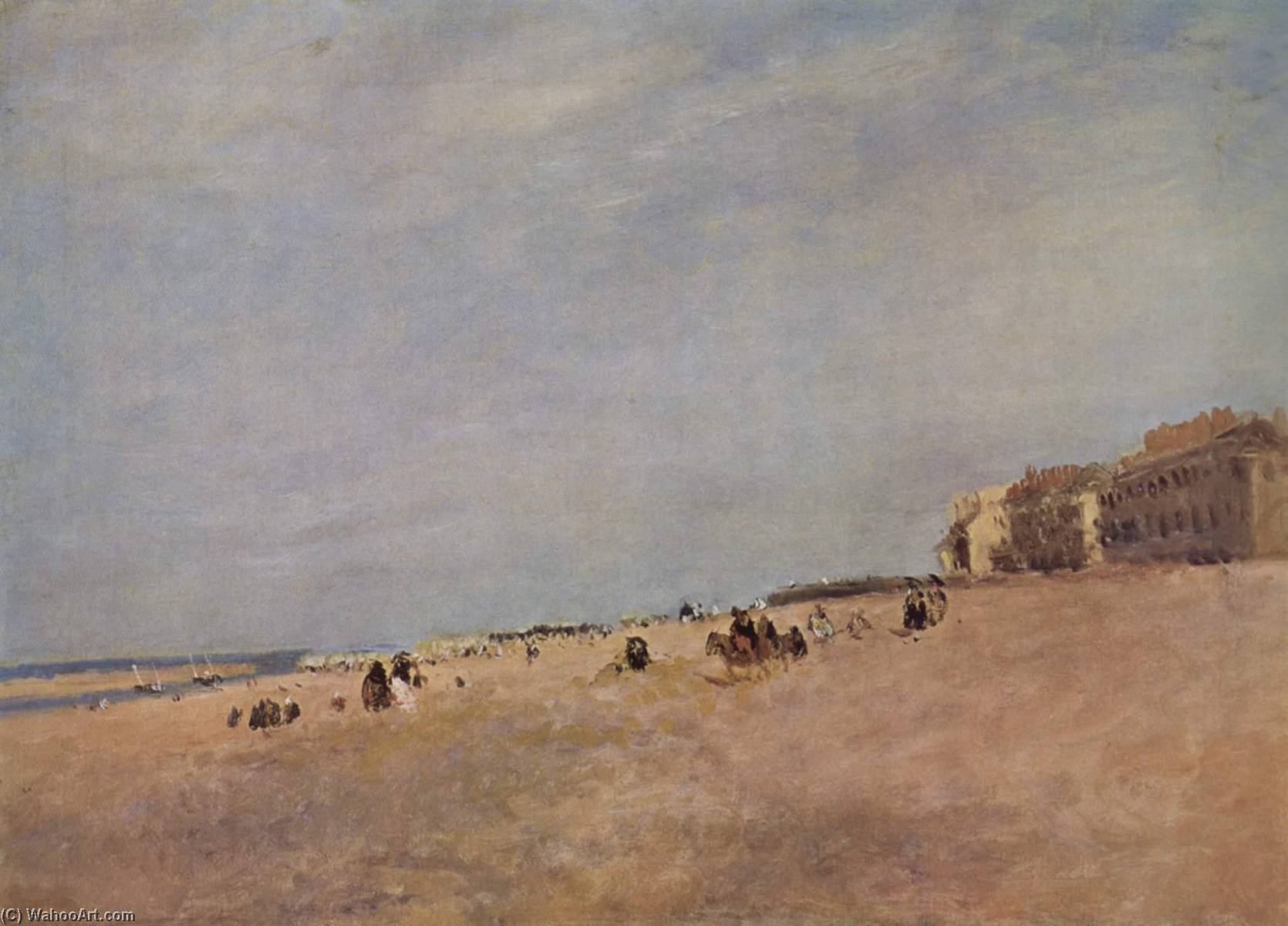
German Der Strand von Rhyl
 Oil
Oil- WallArt
- Pre-Impressionism
 1854
1854- 19th Century
 46.0 x 64.0 cm
 Manchester Art Gallery
 Read More
Purchase a high-resolution, enhanced digital image, far superior to the online preview.
Each file is meticulously prepared by our in-house specialists using advanced tools and expert manual retouching. We ensure every image has exceptional clarity, precise color accuracy, and fine detail.
The final file is delivered via email within 72 hours, optimized for immediate use in professional, editorial, and print environments. This is the same quality trusted by top-tier design studios, publishers, and galleries.
Digital Image
Download a high-resolution file for personal display, printing, and creative projects. ( Buy Print Buy Hand Made Painting)
Included in Every Digital Image Order
Expert Digital Delivery, Guaranteed
When you choose ArtsDot.com, you're not just getting an image - you're receiving a professionally enhanced digital artwork, crafted with precision and backed by a satisfaction guarantee. Here's everything that comes with your order, automatically:

Fast Email Delivery
Your high-resolution digital image file will be emailed to you within 72 hours of ordering - ready for immediate use.

AI-Enhanced Digital File
Your artwork is professionally optimized using advanced AI tools and manual editing, ensuring maximum detail, clarity, and color accuracy.

Free Lifetime Re-Delivery
Accidentally deleted or lost your file? No worries - we'll resend it to you anytime, free of charge.

No Import Fees - Ever
Enjoy your artwork instantly with zero customs, duties, or delivery fees - digital downloads are always tax-free.

Color Accuracy Guarantee
We ensure your digital image reflects the original colors as closely as possible using professional tools and color management.

60-Day Satisfaction Guarantee
If you're not satisfied with your digital image, we'll revise it or refund 100% within 60 days - no questions asked.

100% Money-Back Guarantee
Not satisfied? Get a full refund within 60 days of receiving your digital file - no questions asked.

Bulk Order Discounts
Buy 3 images, save 10% - Buy 5, save 15% - Buy 10+, save 20%. Great for creative projects, galleries, and agencies.
Collectible Description
A Moment Frozen in Time: The Serenity of Rhyl
In the gentle sweep of David Cox’s Der Strand von Rhyl, we are invited to step into a mid-19th-century coastal retreat, where the boundaries between land and sea blur under a soft, atmospheric light. Painted in 1854, this evocative piece captures more than just a geographical location; it captures a fleeting sense of peace. The sandy shore of Rhyl becomes a stage for quiet human connection, with figures scattered across the landscape like notes on a musical score. Some wander near the rhythmic edge of the tide, while others linger further back, anchored by the presence of horses that suggest a slower, more pastoral pace of life. A solitary boat rests near the center, serving as a silent witness to the maritime traditions and leisure activities that defined this era.
The composition is masterfully balanced, guiding the viewer’s eye from the textured foreground of the beach toward the hazy, distant horizon. There is a profound sense of movement captured within stillness—the subtle suggestion of waves lapping at the shore and the slow gait of the horses in the background. For the collector or interior designer, this painting offers a window into a bygone era of tranquility, making it an ideal centerpiece for spaces that aim to evoke calmness, nostalgia, and a connection to the natural world.
The Mastery of the Birmingham School
As a leading figure of the Birmingham School, David Cox was a pioneer whose work acted as a precursor to Impressionism. His technique in this piece demonstrates his legendary ability to manipulate light and atmosphere through broad, confident brushstrokes. Rather than focusing on hyper-realistic detail, Cox prioritizes the "feeling" of the air and the moisture of the coastal breeze. This approach allows the viewer to experience the humidity of the seaside and the warmth of the sun through a layered application of color and tone.
The artist’s background in miniature painting and decorative arts is subtly present in his ability to render small, delicate figures within a much larger, sweeping landscape. This duality creates a sense of scale that is both intimate and expansive. When considering a high-quality reproduction of this work, one can truly appreciate how the interplay of light and shadow brings the sandy textures and the reflective water to life, providing a sophisticated aesthetic element to any curated art collection or elegantly designed room.
An Emotional Resonance for Modern Spaces
Beyond its historical significance, Der Strand von Rhyl possesses an enduring emotional impact. In our modern, fast-paced world, the painting serves as a visual sanctuary. The symbolism of the beach—a place of transition and reflection—resonates deeply with anyone seeking to infuse their home with a sense of restorative quietude. The presence of the horses and the boat adds a layer of romanticism, reminding us of a time when humanity lived in closer harmony with the rhythms of nature.
For those looking to decorate a study, a living area, or a coastal-themed suite, this artwork provides a timeless elegance. It does not merely decorate a wall; it transforms an environment by introducing a narrative of leisure and light. Owning a reproduction of such a significant piece from the mid-1800s allows for a continuous dialogue with art history, bringing the soulful landscapes of David Cox into the contemporary interior.
Related Artworks
Artist Biography
David Cox: A Life in Landscape
Early Life and Training
- Born: April 29, 1783, in Deritend, Birmingham, United Kingdom.
- David Cox’s father was a blacksmith and whitesmith supplying components to the Birmingham gun trade. His mother, from a farming background, possessed a superior education and strong character.
- He initially enrolled at the academy of Joseph Barber in Great Charles Street, where he met fellow students Charles Barber and William Radclyffe.
- At age 15, Cox became apprenticed to Albert Fielder, a Birmingham painter specializing in portrait miniatures and decorative paintings for objects like snuffboxes. This early training provided him with foundational skills.
Career Development & Artistic Journey
- In 1804, Cox moved to London and married his landlord’s daughter, Mary Ragg.
- A pivotal trip to Wales in 1805 with Charles Barber marked the beginning of numerous sketching tours throughout his lifetime. These travels profoundly influenced his artistic style.
- He regularly exhibited at the Royal Academy from 1805, initially earning a living as a drawing master. Colonel Hon. H. Windsor became one of his first pupils in 1808.
- Cox’s early work focused on detailed watercolor landscapes, often depicting rural scenes and architectural subjects.
Artistic Style & Influences
- Cox's style evolved over time. He moved from precise topographical depictions to a more expressive and atmospheric approach.
- Influences: While specific influences are debated, his work demonstrates an affinity for the Dutch landscape painters of the 17th century and a keen observation of nature reminiscent of Constable.
- He became known for his loose brushwork, vibrant colors, and ability to capture the effects of light and weather. His later oil paintings were particularly innovative.
Major Achievements & Legacy
- Cox painted over 300 works in oil towards the end of his career, now recognized as “one of the greatest, but least recognised, achievements of any British painter.”
- He is considered one of the greatest English landscape painters and a major figure of the Golden Age of English Watercolour.
- His work significantly influenced subsequent generations of landscape artists.
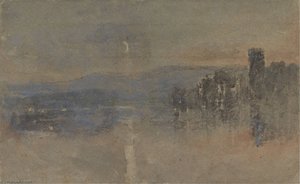
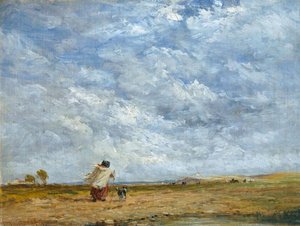
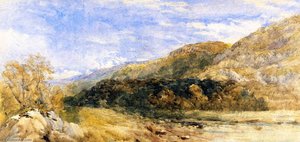
- Notable Works: The Wind on the Heath, Cottage in Herefordshire, Junction of the Severn and the Wye with Chepstow in the distance, and Moonlight Landscape are among his most celebrated paintings.
Historical Significance
- David Cox is recognized as an early precursor to Impressionism. His emphasis on capturing fleeting atmospheric effects and his loose brushwork anticipated many of the techniques later adopted by the Impressionists.
- He played a crucial role in establishing British landscape painting as a distinct genre, moving away from purely topographical representations towards more expressive and emotional interpretations of nature.
- His work continues to be admired for its beauty, sensitivity, and enduring appeal.
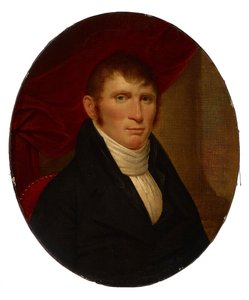
David Cox
1783 - 1859 , United Kingdom
Quick Facts
- Birth Date: April 29, 1783
- Birth Place: Deritend, Birmingham, United Kingdom
- Death Date: 1859
- Movement: English Landscape, Pre-Impressionism
- Name: David Cox
- Nationality: British
- Notable Works:
- The Wind on the Heath
- Cottage in Herefordshire
- Junction of the Severn and the Wye with Chepstow in the distance
- Moonlight Landscape

