

 Preview
 Send
Send Share
Share
 Details

 Download
 Similars
 X-Ray
X-Ray Diaporama
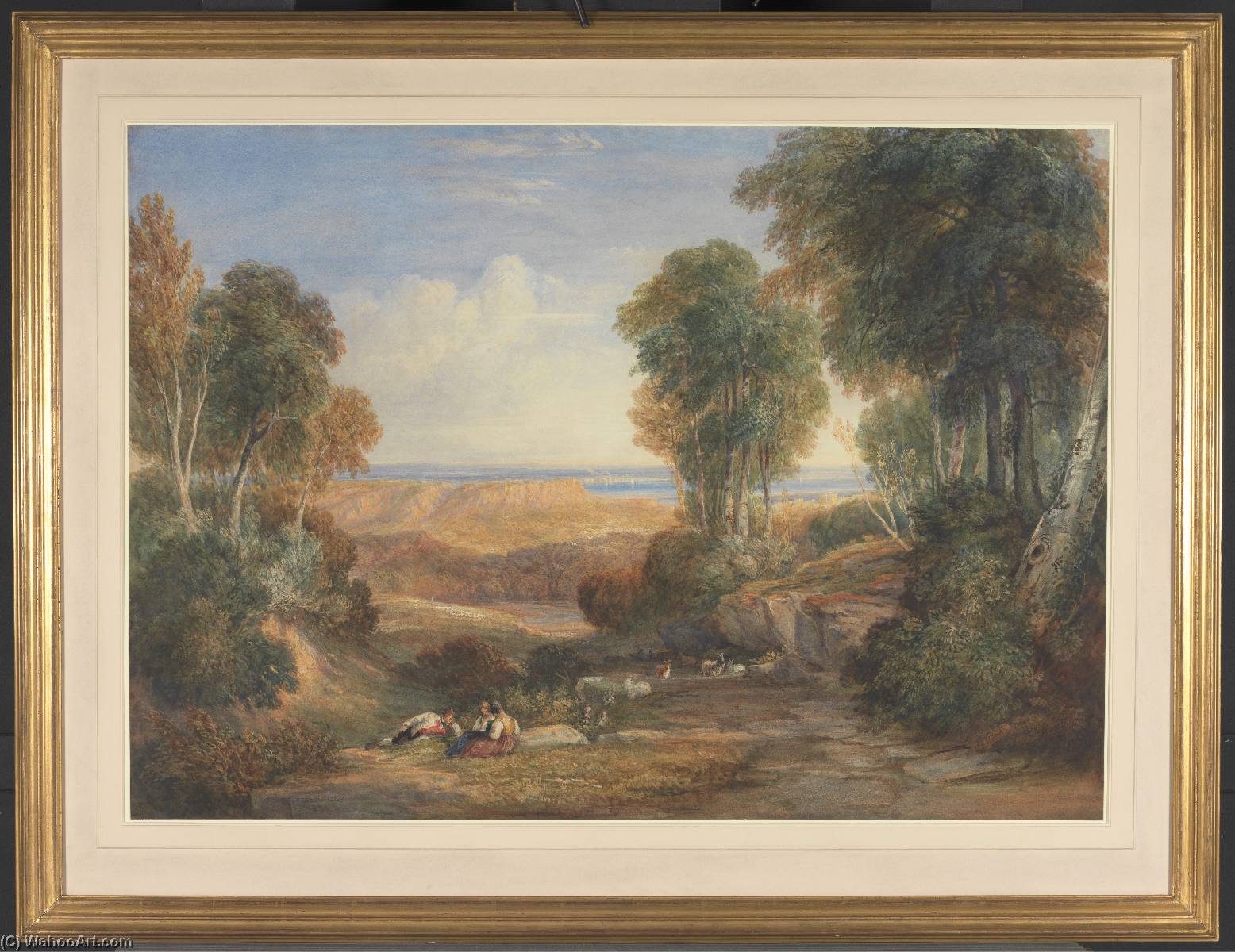
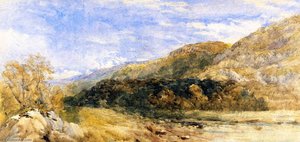
The Junction of the Severn and the Wye with Chepstow in the Distance
 Watercolor
- WallArt
- Birmingham School Landscape
 1830
1830- 19th Century
 79.0 x 107.0 cm
 Yale Center for British Art
 Read More
Purchase a high-resolution, enhanced digital image, far superior to the online preview.
Each file is meticulously prepared by our in-house specialists using advanced tools and expert manual retouching. We ensure every image has exceptional clarity, precise color accuracy, and fine detail.
The final file is delivered via email within 72 hours, optimized for immediate use in professional, editorial, and print environments. This is the same quality trusted by top-tier design studios, publishers, and galleries.
Digital Image
Download a high-resolution file for personal display, printing, and creative projects. ( Buy Print Buy Hand Made Painting)
Included in Every Digital Image Order
Expert Digital Delivery, Guaranteed
When you choose ArtsDot.com, you're not just getting an image - you're receiving a professionally enhanced digital artwork, crafted with precision and backed by a satisfaction guarantee. Here's everything that comes with your order, automatically:

Fast Email Delivery
Your high-resolution digital image file will be emailed to you within 72 hours of ordering - ready for immediate use.

AI-Enhanced Digital File
Your artwork is professionally optimized using advanced AI tools and manual editing, ensuring maximum detail, clarity, and color accuracy.

Free Lifetime Re-Delivery
Accidentally deleted or lost your file? No worries - we'll resend it to you anytime, free of charge.

No Import Fees - Ever
Enjoy your artwork instantly with zero customs, duties, or delivery fees - digital downloads are always tax-free.

Color Accuracy Guarantee
We ensure your digital image reflects the original colors as closely as possible using professional tools and color management.

60-Day Satisfaction Guarantee
If you're not satisfied with your digital image, we'll revise it or refund 100% within 60 days - no questions asked.

100% Money-Back Guarantee
Not satisfied? Get a full refund within 60 days of receiving your digital file - no questions asked.

Bulk Order Discounts
Buy 3 images, save 10% - Buy 5, save 15% - Buy 10+, save 20%. Great for creative projects, galleries, and agencies.
Collectible Description
David Cox: A Life in Landscape
David Cox (1783–1859) stands as a pivotal figure in English landscape painting, recognized as one of the foremost members of the Birmingham School and an early precursor to Impressionism. His artistic legacy resides primarily in his evocative watercolors and oil paintings depicting British countryside—a realm he explored tirelessly throughout his lifetime, embarking on numerous sketching tours that profoundly shaped his distinctive visual language. Cox’s work transcends mere representation; it embodies a deep engagement with emotion and atmosphere, capturing the subtle nuances of light and color to convey profound feelings about the natural world.Early Life and Training
Born April 29, 1783, in Deritend, Birmingham, Cox's upbringing instilled within him a strong character and intellectual curiosity—traits evident in his mother’s education and reinforced by his own formative years at Joseph Barber Academy. His father, a blacksmith supplying components to the Birmingham gun trade, provided practical skills alongside familial support. Recognizing Cox’s talent for drawing early on, Barber Academy fostered his artistic development, introducing him to fellow students Charles Barber and William Radclyffe—relationships that would endure throughout their careers. Crucially, Cox's apprenticeship with Albert Fielder honed his technical abilities in miniature painting and decorative art, equipping him with foundational skills essential for mastering watercolor techniques.The Welsh Sketching Tour: A Turning Point
Cox’s artistic trajectory decisively shifted during a transformative journey to Wales in 1805—a trip undertaken alongside Charles Barber. This excursion ignited his passion for landscape painting and cemented his fascination with capturing the ethereal beauty of mountainous terrain bathed in sunlight. The Welsh scenery served as an inspiration for Cox's subsequent paintings, influencing his compositional choices and color palettes. He meticulously observed the interplay of light and shadow on rock formations and foliage, striving to convey a sense of tranquility and grandeur—characteristics that would become hallmarks of his artistic style.Birmingham School Style: Emotion and Atmosphere
Cox’s distinctive Birmingham School style is characterized by its expressive brushwork and vibrant color harmonies. Unlike academic painters who prioritized precise detail and idealized forms, Cox sought to capture the emotional essence of a scene rather than an objective depiction. He employed loose, gestural strokes—often applied wet-on-wet—to create shimmering surfaces that conveyed movement and luminosity. Furthermore, Cox skillfully utilized complementary colors—such as blues and oranges—to heighten visual impact and imbue his paintings with warmth and vibrancy. This approach aligns closely with the burgeoning Impressionist movement, foreshadowing its emphasis on capturing fleeting moments of sensory experience.Symbolism and Narrative Depth
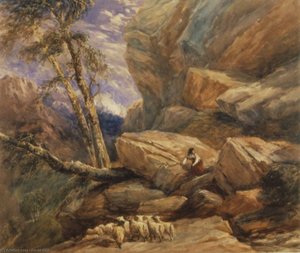
Cox’s landscapes are imbued with symbolic meaning beyond their purely aesthetic qualities. Recurring motifs—such as shepherds tending flocks or solitary figures contemplating vistas—represent themes of pastoral innocence, contemplation, and communion with nature. These images resonate with Victorian sensibilities, reflecting a yearning for simplicity and spiritual solace amidst the complexities of urban life. Cox's paintings invite viewers to engage in imaginative interpretation, prompting reflection on fundamental questions about human existence and our relationship with the environment. The artist’s meticulous attention to detail—particularly in rendering foliage and atmospheric effects—contributes to the narrative depth of his compositions, transporting audiences into immersive experiences that capture the spirit of a bygone era.Legacy and Influence
David Cox's contribution to English landscape painting remains unparalleled. His pioneering use of watercolor technique and his emotive approach to portraying natural beauty established him as a forerunner of Impressionism—a movement that would revolutionize artistic practice in subsequent decades. Cox’s enduring influence can be discerned in the works of numerous artists who followed him, demonstrating the lasting impact of his stylistic innovations. Today, reproductions of Cox's paintings continue to captivate collectors and inspire interior designers seeking to infuse their spaces with a sense of serenity and artistic grandeur—a testament to the timeless appeal of his visionary vision.Related Artworks
Artist Biography
David Cox: A Life in Landscape
Early Life and Training
- Born: April 29, 1783, in Deritend, Birmingham, United Kingdom.
- David Cox’s father was a blacksmith and whitesmith supplying components to the Birmingham gun trade. His mother, from a farming background, possessed a superior education and strong character.
- He initially enrolled at the academy of Joseph Barber in Great Charles Street, where he met fellow students Charles Barber and William Radclyffe.
- At age 15, Cox became apprenticed to Albert Fielder, a Birmingham painter specializing in portrait miniatures and decorative paintings for objects like snuffboxes. This early training provided him with foundational skills.
Career Development & Artistic Journey
- In 1804, Cox moved to London and married his landlord’s daughter, Mary Ragg.
- A pivotal trip to Wales in 1805 with Charles Barber marked the beginning of numerous sketching tours throughout his lifetime. These travels profoundly influenced his artistic style.
- He regularly exhibited at the Royal Academy from 1805, initially earning a living as a drawing master. Colonel Hon. H. Windsor became one of his first pupils in 1808.
- Cox’s early work focused on detailed watercolor landscapes, often depicting rural scenes and architectural subjects.
Artistic Style & Influences
- Cox's style evolved over time. He moved from precise topographical depictions to a more expressive and atmospheric approach.
- Influences: While specific influences are debated, his work demonstrates an affinity for the Dutch landscape painters of the 17th century and a keen observation of nature reminiscent of Constable.
- He became known for his loose brushwork, vibrant colors, and ability to capture the effects of light and weather. His later oil paintings were particularly innovative.
Major Achievements & Legacy
- Cox painted over 300 works in oil towards the end of his career, now recognized as “one of the greatest, but least recognised, achievements of any British painter.”
- He is considered one of the greatest English landscape painters and a major figure of the Golden Age of English Watercolour.
- His work significantly influenced subsequent generations of landscape artists.
- Notable Works: The Wind on the Heath, Cottage in Herefordshire, Junction of the Severn and the Wye with Chepstow in the distance, and Moonlight Landscape are among his most celebrated paintings.
Historical Significance
- David Cox is recognized as an early precursor to Impressionism. His emphasis on capturing fleeting atmospheric effects and his loose brushwork anticipated many of the techniques later adopted by the Impressionists.
- He played a crucial role in establishing British landscape painting as a distinct genre, moving away from purely topographical representations towards more expressive and emotional interpretations of nature.
- His work continues to be admired for its beauty, sensitivity, and enduring appeal.
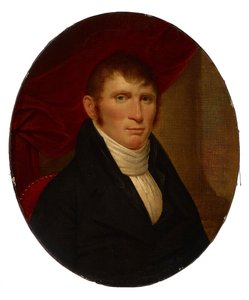
David Cox
1783 - 1859 , United Kingdom
Quick Facts
- Birth Date: April 29, 1783
- Birth Place: Deritend, Birmingham, United Kingdom
- Death Date: 1859
- Movement: English Landscape, Pre-Impressionism
- Name: David Cox
- Nationality: British
- Notable Works:
- The Wind on the Heath
- Cottage in Herefordshire
- Junction of the Severn and the Wye with Chepstow in the distance
- Moonlight Landscape

