 Preview
 Send
Send Share
Share
 Details

 Download
 Similars
 X-Ray
X-Ray Diaporama
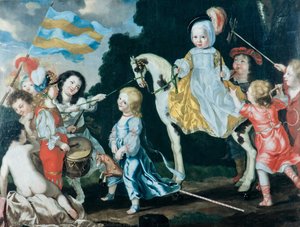
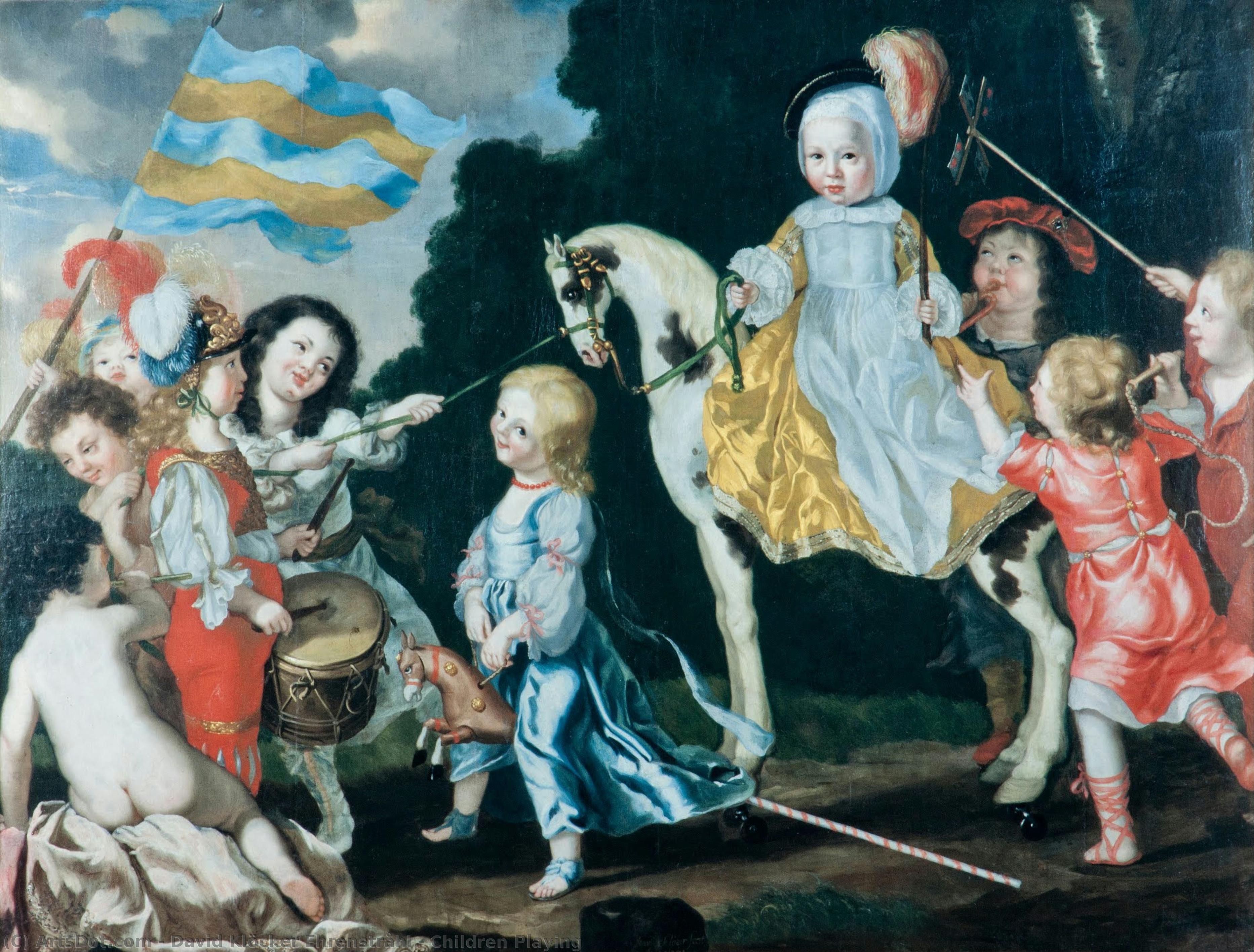
Children Playing


 Read More
Hand Made Oil Reproduction
Hand-painted oil on canvas in your size and frame, made to order by our artists. ( Buy Print Buy Image)




P118B $10

P118H $10

P118W $10

P438Z $10

P508JH $12

P508YH $12

P805H $10

P805Z $10

P919BZ $10

P919G $10

P919XJ $10

P959ZH $10

P968JZ $12

W106C $8

W218G $10

W218JH $8

W218Y $10

W307PJ $10

W316G $10

W316PJ $8

W316Y $10

W398PJ $8

W4111J $10

W500HY $15

W500JH $15

W692G $12

W849H $8

W940BG $15

W953PJ $8




Pick from our preset sizes that match the artwork's original proportions.

You may enter your own dimensions to fit a specific frame or space. If your selected size does not match the original image's proportions, we will either crop the artwork or extend the painting with additional hand-painted elements. A digital mockup will be sent for your approval before production begins.
Please note that the on-screen preview does not reflect the actual cropping or extension. Only the mockup will accurately show the final composition.
While custom sizes are available, we recommend selecting a dimension from the predefined list to preserve the original proportions.
After order, ArtsDot.com team will email client for instructions and provide a mockup preview
Worldwide Delivery () in 3/4 weeks instead of standard 5 weeks. (17 August). No compromise on quality.

Free Worldwide Express Shipping

High-Quality Linen Canvas

Full Shipping Insurance

Customs Tax Refund Guarantee

True Color Matching Guarantee

60-Day Return Policy (Defects Only)

100% Money-Back Guarantee

Bulk Discount Offer
 Glass option is only available in size under 110 CM

Children Playing
Reproduction Medium
Reproduction Size
-


Total Price
$ 263
Artwork Description
A Symphony of Youth and Nobility
In the soft, golden light of 1651, a moment of pure, unadulterated joy was captured on canvas by the burgeoning hand of David Klöcker Ehrenstrahl. Children Playing is not merely a depiction of pastoral leisure; it is a vibrant window into the aristocratic life of the Swedish Baroque era. The composition breathes with a lively energy, centering on the young Eleonora Sophia, daughter of the powerful Carl Gustaf Wrangel, perched gracefully upon her horse. Beside her, the rhythmic pulse of childhood is felt through her brother, Carl Philip Wragtel, whose focused attention on his drum adds a percussive heartbeat to the visual melody. This masterpiece serves as an intimate glimpse into a world where the innocence of youth meets the structured grandeur of nobility.
The scene unfolds within a sprawling, sun-drenched field, where the boundaries between nature and domesticity blur beautifully. As one wanders through the painting, the eye is led across a tapestry of interaction: at least nine figures, ranging from tender toddlers to watchful adults, weave a narrative of companionship. The presence of three horses—positioned strategically to guide the viewer's gaze from the center to the periphery—adds a sense of movement and scale to the landscape. Ehrenstrahl’s early mastery is evident in how he captures the tactile reality of the scene, from the sheen on the horses' coats to the spirited expressions of children lost in the magic of their surroundings.
Symbolism and the Allegory of Life
Beyond its surface charm, Children Playing functions as a profound allegory of existence. Painted during Ehrenstrahl’s influential stay at the Wrangel residence in Wolgast, the work is deeply layered with meaning. It is often interpreted as a meditation on the life of Eleonora Sophia herself, surrounded by her siblings—both those present in the flesh and those perhaps lost to time. This interplay between the living and the non-living creates a poignant tension, transforming a simple afternoon of play into a reflection on legacy, family lineage, and the fleeting nature of childhood. The painting captures a sense of "memento vivere"—a reminder to live—while subtly acknowledging the weight of the history that surrounds these young heirs.
For the discerning collector or interior designer, this work offers an unparalleled emotional depth. It possesses the ability to anchor a room with its historical gravity while simultaneously infusing a space with warmth and light. The Baroque technique, characterized by its dramatic use of light and shadow and its emphasis on movement, ensures that the piece remains dynamic regardless of the setting. Whether placed in a grand library or a contemporary living space, a high-quality reproduction of this work invites conversation, evoking a sense of nostalgia for a lost era of elegance and the timeless, universal spirit of play.
Related Artworks
Artist Biography
a swedish nobleman and portrait painter in the making
david klöcker ehrenstråhl, a swedish nobleman and portrait painter, left an indelible mark on the art world with his captivating works. born on september 23, 1628, in hamburg, germany, ehrenstråhl's artistic journey is a testament to his innate talent and dedication.early life and artistic training
ehrenstråhl was the son of johann klöcker, with eight siblings. in 1648, he traveled to amsterdam, where he learned the art of painting under the guidance of juriaen jacobsze (1624–1685). this foundational training laid the groundwork for his future artistic endeavors.notable works and achievements
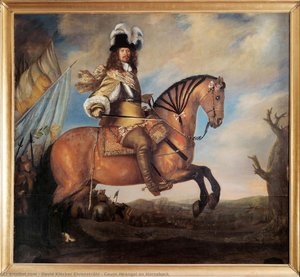
* count wrangel on horseback (skokloster castle, sweden, oil on canvas), signed and dated 1652, is one of ehrenstråhl's earliest equestrian portraits of a non-royal person. * in 1670-1675, he created the ceiling fresco the great deeds of the swedish kings in the swedish house of knights (riddarhuspalatset), considered his greatest work.artistic legacy and influence
ehrenstråhl's artistic legacy extends beyond his own works, as he taught notable pupils including mikael dahl and david von krafft, as well as his daughter anna maria ehrenstrahl. his influence on the art world is a testament to his enduring impact. key dates: * september 23, 1628: born in hamburg, germany * 1648: traveled to amsterdam for artistic training * 1670-1675: created the great deeds of the swedish kings ceiling fresco * october 23, 1698: passed away in stockholm, sweden
david klöcker ehrenstråhl
1628 - 1698 , Germany
Quick Facts
- Artistic Movement Or Style: Classical Dutch landscape
- Artists Or Movements Influenced By This Artist:
- Gainsborough
- Constable
- Artists Who Influenced This Artist: ['Salomon van Ruysdael']
- Date Of Birth: 1628/9?
- Date Of Death: 1682
- Full Name: Jacob van Ruisdael
- Nationality: Dutch
- Notable Artworks:
- The Jewish Cemetery
- Bentheim Castle View
- A Pool Surrounded by Trees
- Place Of Birth: Haarlem, Netherlands
Related Articles
The Equine Muse: A Historical & Artistic Exploration of Horses in Painting
Explore the captivating history of horses in painting! Discover Renaissance masterpieces, Baroque grandeur & expert insights for collecting equestrian art. Learn about symbolism, techniques & lasting value with ArtsDot.

Baroque Drama: Bringing Opulence & Emotion into Contemporary Interiors
Explore the opulent world of Baroque interior design! Discover key elements, modern applications & how to bring dramatic elegance into your home with 's authentic reproductions.
The Noble Steed on Canvas: A Historical & Artistic Exploration of Horse Painting Across Cultures
Explore the rich history of horse painting! Discover masterpieces from Stubbs to Munnings & learn about symbolism, techniques & artists. Find museum-quality reproductions at ArtsDot.

The Dramatic Flourish: Exploring the Baroque Movement's Enduring Legacy in Art History
Explore the dramatic world of Baroque art! Discover iconic artists like Caravaggio & Rubens, defining techniques, and its lasting impact on art history. Expert insights for collectors & enthusiasts at ArtsDot.

Baroque Masterpieces: 10 Paintings That Defined an Era |
Journey through the drama & grandeur of Baroque art! Explore 10 masterpieces by Caravaggio, Rembrandt, Rubens & more. Discover stunning oil paintings, rich colors & timeless stories. Find museum-quality reproductions at .