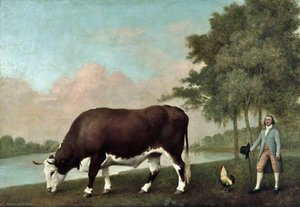
The Horse in Antiquity: Early Depictions & Symbolic Meaning
 Wikipedia: Horses in art
Horses have appeared in works of art throughout history, frequently as depictions of the horse in battle. The horse appears less frequently in modern art, partly because the horse is no longer significant either as a mode of transportation or as an i...
From the ochre-stained walls of prehistoric caves to the grand frescoes adorning ancient palaces, the horse has held a position of profound significance within human artistic expression since the dawn of civilization. The earliest representations, found in places like Lascaux and Altamira, weren’t merely depictions; they were imbued with ritualistic power, perhaps intended to ensure successful hunts or honor these magnificent creatures vital for survival. These Paleolithic artists didn't simply *see* horses—they understood their essence, capturing their muscular forms and dynamic energy with remarkable accuracy using rudimentary tools. As societies evolved, so too did the horse’s symbolic weight. In ancient Egypt, horses became associated with royalty and warfare, often depicted pulling chariots or alongside pharaohs in scenes of conquest. The Greeks revered them as symbols of power and grace, frequently linked to Poseidon, god of the sea, and featured prominently in mythological narratives like the story of Pegasus. These early artworks weren’t just about aesthetics; they were statements of belief, social status, and humanity's evolving relationship with this powerful animal.
The Renaissance Stallion: Anatomy, Realism & Equestrian Portraiture
The Renaissance witnessed a fervent rediscovery of classical ideals, and the horse was no exception. Artists like Leonardo da Vinci approached equine anatomy with scientific rigor, meticulously studying their musculature, skeletal structure, and movement through detailed sketches and dissections. This pursuit of anatomical accuracy wasn’t merely academic; it fueled a desire to represent horses with unprecedented realism. The equestrian portrait emerged as a dominant genre during this period, often commissioned by wealthy patrons to celebrate military victories or showcase noble lineage. These weren't simply portraits *of* horses, but symbols of power, wealth and control. Artists strived to capture not only the physical likeness of the animal but also its spirit and temperament. The emphasis shifted towards portraying a harmonious relationship between horse and rider, reflecting the Renaissance humanist ideal of man’s mastery over nature – though always with an underlying respect for the animal's inherent dignity.
Baroque Brilliance: Drama, Movement & the Golden Age of Equine Art
In art, chiaroscuro (English: kee-AR-ə-SKOOR-oh, -SKURE-, Italian: [ˌkjaroˈskuːro]; lit. 'light-dark') is the use of strong contrasts between light and dark, usually bold contrasts affecting a whole composition. It is also a technical term used by ...
The Baroque era exploded with dynamism and theatricality, and horse painting reached new heights of expressive power. Artists like Peter Paul Rubens embraced a dramatic style characterized by bold compositions, rich colors, and intense emotional energy. Horses were often depicted in scenes of battle, hunting, or mythological allegories, their powerful forms rendered with breathtaking realism and movement. The use of chiaroscuro, the striking contrast between light and dark, became a defining feature of Baroque equine art, heightening the sense of drama and emphasizing the muscularity of the animals. Diego Velázquez’s equestrian portraits exemplify this period's mastery, capturing not only the physical presence of the horse but also its intelligence and nobility. The Baroque horse wasn’t merely an animal; it was a symbol of power, passion, and untamed energy.
18th & 19th Century Masters: Stubbs, Cooper & Sartorius – A New Era of Detail
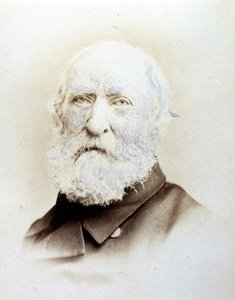 abraham cooper
Discover Abraham Cooper’s captivating animal & battle paintings! Explore his masterful equine portraits, historical scenes, & legacy as a Royal Academy artist (1787-1868).
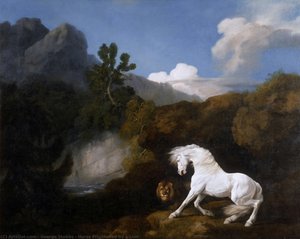
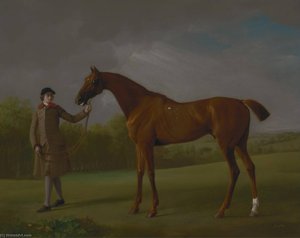
The 18th and 19th centuries saw the rise of specialized animal painters dedicated solely to capturing the beauty and grace of horses. George Stubbs, arguably the most celebrated equine artist of all time, revolutionized horse portraiture with his meticulous anatomical studies and unparalleled attention to detail. His masterpiece, *Whistlejacket*, exemplifies this dedication, showcasing a horse in dynamic pose with remarkable accuracy and sensitivity. Abraham Cooper continued this tradition, specializing in historical scenes and sporting paintings that captured the energy of hunts and races. John Nost Sartorius, known for his detailed depictions of racehorses and equestrian life, further refined the genre. These artists weren’t simply painters; they were keen observers of equine behavior, capturing not only their physical likeness but also their individual personalities. The focus shifted towards a more scientific approach to representation, combined with an appreciation for the horse's inherent beauty.
Beyond Representation: Impressionism and Modern Interpretations of the Horse
As artistic movements evolved in the 19th and 20th centuries, so too did the depiction of horses. While traditional portraiture continued, artists began to explore more subjective interpretations of the animal. Impressionist painters, like Edgar Degas, captured fleeting moments of movement and light in scenes of horse racing, focusing on atmosphere and emotion rather than precise anatomical detail. The horse became a symbol of modernity, speed, and urban life. Later artists experimented with abstraction and symbolism, using the horse as a vehicle for exploring deeper themes of power, freedom, and the human condition. This period saw a departure from strict realism towards a more expressive and personal interpretation of the animal.
The Enduring Legacy: How Horse Painting Continues to Inspire Artists Today
Even in the 21st century, the horse remains a powerful source of inspiration for artists worldwide. From contemporary realists capturing the beauty of wild mustangs to abstract painters exploring the symbolism of equine forms, the legacy of horse painting continues to thrive. The enduring appeal lies not only in the animal’s inherent grace and power but also in its rich cultural history and symbolic weight. Whether it's a meticulously detailed portrait or an expressive abstraction, the horse on canvas continues to evoke emotions, inspire awe, and remind us of humanity’s long-standing connection with this magnificent creature. At ArtsDot, we celebrate this enduring legacy by offering museum-quality reproductions of iconic horse paintings, allowing you to bring the beauty and history of equine art into your home. Explore our collection today and discover a masterpiece that resonates with your soul.