 Preview
 Send
Send Share
Share
 Details

 Download
 Similars
 X-Ray
X-Ray Diaporama
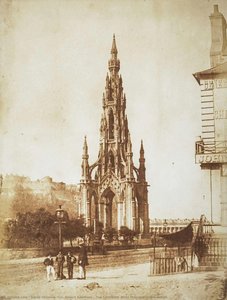
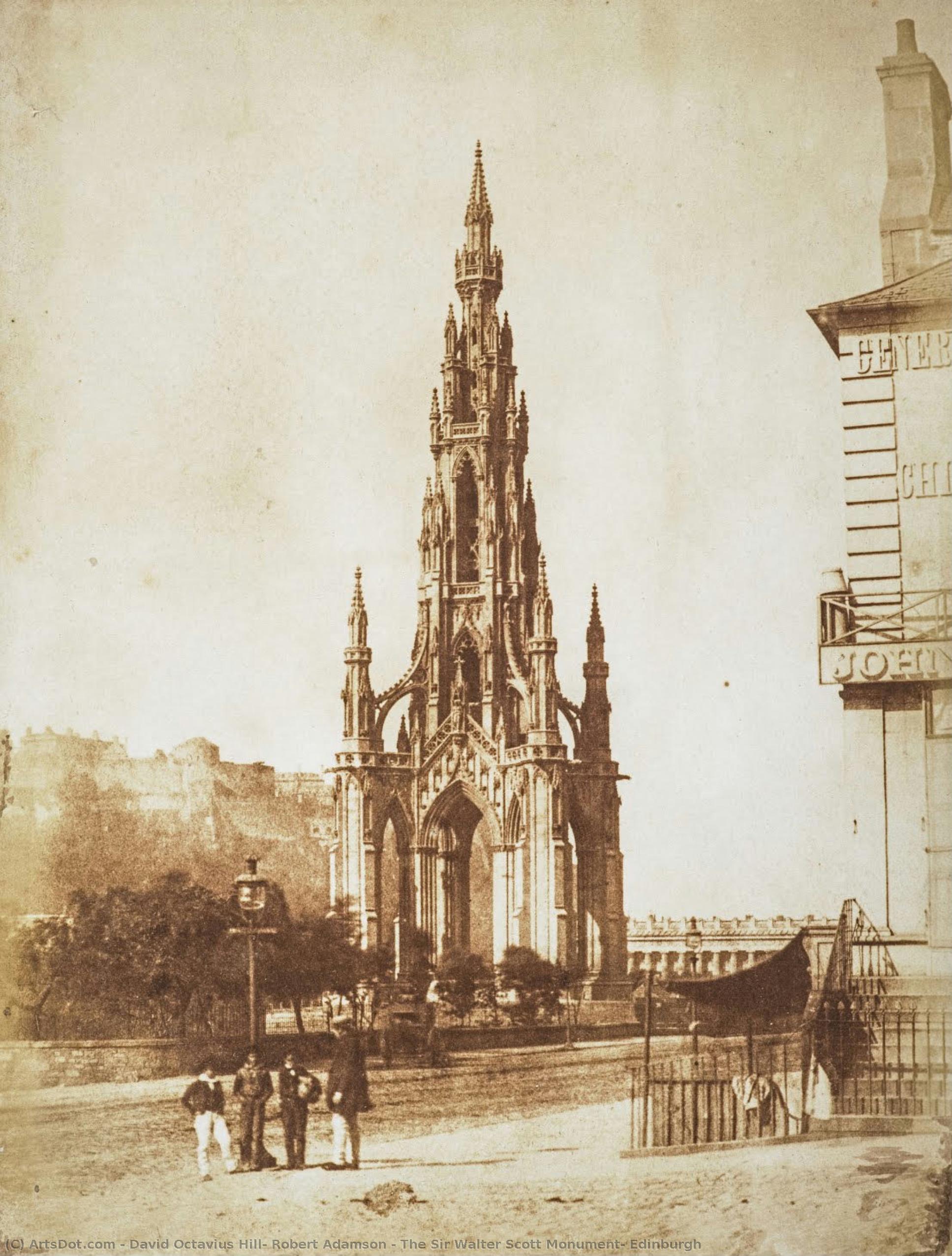
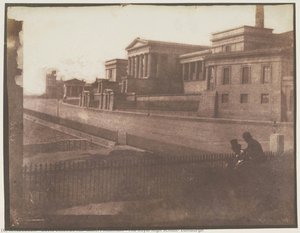
The Sir Walter Scott Monument, Edinburgh


 Read More
Hand Made Oil Reproduction
Hand-painted oil on canvas in your size and frame, made to order by our artists. ( Buy Print Buy Image)




P118B $10

P118H $10

P118W $10

P438Z $10

P508JH $12

P508YH $12

P805H $10

P805Z $10

P919BZ $10

P919G $10

P919XJ $10

P959ZH $10

P968JZ $12

W106C $8

W218G $10

W218JH $8

W218Y $10

W307PJ $10

W316G $10

W316PJ $8

W316Y $10

W398PJ $8

W4111J $10

W500HY $15

W500JH $15

W692G $12

W849H $8

W940BG $15

W953PJ $8




Pick from our preset sizes that match the artwork's original proportions.

You may enter your own dimensions to fit a specific frame or space. If your selected size does not match the original image's proportions, we will either crop the artwork or extend the painting with additional hand-painted elements. A digital mockup will be sent for your approval before production begins.
Please note that the on-screen preview does not reflect the actual cropping or extension. Only the mockup will accurately show the final composition.
While custom sizes are available, we recommend selecting a dimension from the predefined list to preserve the original proportions.
After order, ArtsDot.com team will email client for instructions and provide a mockup preview
Worldwide Delivery () in 3/4 weeks instead of standard 5 weeks. (17 August). No compromise on quality.

Free Worldwide Express Shipping

High-Quality Linen Canvas

Full Shipping Insurance

Customs Tax Refund Guarantee

True Color Matching Guarantee

60-Day Return Policy (Defects Only)

100% Money-Back Guarantee

Bulk Discount Offer
 Glass option is only available in size under 110 CM

The Sir Walter Scott Monument, Edinburgh
Reproduction Medium
Reproduction Size
-


Total Price
$ 263
Artwork Description
The Majesty of Stone and Shadow: Hill & Adamson’s “Edinburgh. The Scott Monument”
David Octavius Hill and Robert Adamson's "Edinburgh. The Scott Monument," captured in 1845, isn’t merely a photograph; it’s a meticulously crafted tableau vivant, a frozen moment of ambition and civic pride rendered with the nascent magic of early photography. This remarkable image, now housed within the Metropolitan Museum of Art, offers a captivating glimpse into a pivotal era of artistic experimentation and Scottish identity. The scene unfolds against the imposing silhouette of Walter Scott's monument under construction – a towering testament to the celebrated author’s legacy – set against the dramatic backdrop of Edinburgh’s skyline. The photograph isn’t simply documenting progress; it’s imbued with a palpable sense of anticipation, as if capturing the very breath held by those witnessing this grand undertaking.
Hill and Adamson's collaboration was a truly unique partnership, blending Hill’s artistic eye – honed through years of landscape painting – with Adamson’s scientific precision in mastering the calotype process. This technique, allowing for multiple prints from a single negative, demanded an acute understanding of light and shadow, a skill brilliantly demonstrated here. The image is dominated by a cool, almost melancholic palette; the grey stone of the monument contrasts sharply with the muted blues and greys of the sky, creating a sense of depth and solidity. The figures in the foreground – workmen, onlookers, and even a few elegantly dressed gentlemen – are rendered with remarkable sensitivity, their postures and expressions hinting at the diverse reactions to this monumental project.
A Window into Victorian Edinburgh
To fully appreciate “Edinburgh. The Scott Monument,” one must understand the context of 1845. Victorian Scotland was a nation grappling with industrialization, social change, and a fervent desire to celebrate its literary heritage. Walter Scott’s works had profoundly shaped the national identity, and his monument represented a bold statement of cultural significance. Hill & Adamson's photograph serves as both a record of this construction and a reflection of Edinburgh’s vibrant urban life. The inclusion of everyday people amidst the grand scale of the monument highlights the shared experience of witnessing this historical event – a microcosm of society observing an act of civic grandeur.
The composition itself is masterful, employing a carefully considered perspective to draw the viewer into the scene. Hill’s artistic training shines through in the subtle use of leading lines and atmospheric effects. The photograph isn't simply a snapshot; it’s a deliberate arrangement designed to evoke emotion and convey a specific narrative. Notice how the monument dominates the frame, asserting its presence while simultaneously inviting contemplation. The placement of the figures creates a sense of movement and dynamism, suggesting that this is not a static image but rather a fleeting moment captured in time.
The Alchemy of Light and Shadow
Technically, “Edinburgh. The Scott Monument” represents a significant achievement for Hill & Adamson – and indeed, for early photography as a whole. They were pioneers in utilizing the calotype process to create images with remarkable detail and tonal range. The subtle gradations of grey, achieved through careful manipulation of light and exposure, are particularly noteworthy. This masterful control over light is what gives the photograph its depth and atmosphere – it’s not just a representation of the scene; it's an *interpretation* of it.
The image’s enduring appeal lies in its ability to transport us back to 1845, allowing us to experience the sights, sounds, and emotions of Victorian Edinburgh. It is a testament to the artistic vision of Hill & Adamson, their technical skill, and their remarkable sensitivity to human subjects and the beauty of the natural world. Reproductions of this iconic photograph offer a tangible connection to a bygone era, inviting viewers to contemplate the legacy of Walter Scott and the enduring power of photography as an art form.
Symbolism and Emotional Resonance
Beyond its technical brilliance, “Edinburgh. The Scott Monument” is rich in symbolism. The monument itself represents ambition, national pride, and a desire to immortalize a literary giant. The figures surrounding it embody the diverse elements of Edinburgh society – from the laborers building the structure to the wealthy patrons observing the progress. The photograph captures not just a physical construction but also a cultural moment, reflecting the aspirations and values of Victorian Scotland.
The overall mood is one of quiet contemplation and restrained excitement. There’s a sense of history in the making, a feeling that this monumental project will forever alter the landscape of Edinburgh. The photograph evokes a powerful emotional response – a mixture of awe, admiration, and perhaps even a touch of melancholy, as we recognize the fleeting nature of time and the enduring power of memory. It's a poignant reminder of the beauty and complexity of human experience, captured with remarkable skill and sensitivity by two extraordinary artists.
Related Artworks

![Rev. Peter Jones [kahkew?quon?by] — David Octavius Hill & Robert Adamson, Romanticism](/media/artworks/images/thumbnails/ee/4d/ee4d18acb43c4f94a9fdff6e098e8bc0.jpg)
Artist Biography
A Pioneering Vision: The Collaborative World of Hill & Adamson
The story of David Octavius Hill and Robert Adamson is a remarkable chapter in the nascent history of photography, a testament to artistic vision blossoming within the constraints of early technological innovation. Active for a mere four years – from 1843 to 1847 – this Scottish partnership nonetheless laid foundational stones for photographic art, producing a body of work that resonates with both technical ingenuity and profound human sensitivity. Their collaboration wasn’t simply about documenting reality; it was about *interpreting* it, imbuing the newly accessible medium with an artistic sensibility previously reserved for painting. Hill, already an established painter and secretary to the Royal Scottish Academy, brought a compositional eye honed by years of landscape and portraiture. Adamson, a young chemist with a scientific precision, mastered the intricacies of the calotype process, allowing their combined talents to flourish in Edinburgh’s burgeoning artistic climate.From Disruption to Discovery: The Genesis of a Partnership
The catalyst for this extraordinary collaboration was, perhaps surprisingly, religious upheaval. In 1843, Scotland witnessed the dramatic Disruption of the Church of Scotland, as ministers protested against state interference in ecclesiastical affairs. Hill, deeply moved by the event, embarked on an ambitious project: a monumental painting depicting the signing of the Deed of Demission – the document outlining the ministers’ secession. Faced with the daunting task of accurately portraying hundreds of individuals, he sought a solution that transcended traditional sketching methods. It was Sir David Brewster who suggested employing the recently invented calotype process, and introduced Hill to Robert Adamson. Initially skeptical, Hill quickly recognized the potential of photography not merely as a tool for replication, but as an art form in its own right. Adamson’s technical expertise, coupled with Hill's artistic direction, proved a potent combination. Their studio at Rock House became a hub of activity, attracting a diverse array of sitters – from prominent figures within the Free Church to everyday laborers and fishermen.Calotypes and Character: A Rembrandt-esque Approach
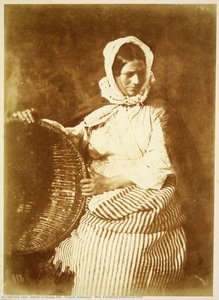
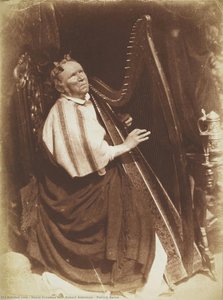
Hill & Adamson’s calotypes are distinguished by their remarkable quality, often described as possessing a “Rembrandt-esque” luminosity. This wasn't accidental. Hill, with his painterly background, carefully orchestrated each composition, utilizing dramatic lighting and evocative props to create images that were far more than simple likenesses. He understood the power of chiaroscuro – the interplay of light and shadow – to reveal character and emotion. Their portraits weren’t static representations; they captured fleeting moments of personality, a sense of inner life. The *Newhaven Fishwives*, for example, is not merely a documentation of working-class women; it's a poignant portrayal of resilience, dignity, and the hardships of their existence. Similarly, their portrait of Patrick Byrne playing the harp exudes an atmosphere of contemplative artistry. This ability to infuse their calotypes with psychological depth set them apart from other early photographers, establishing a new standard for photographic portraiture.A Legacy Forged in Light: Influence and Enduring Significance
The untimely death of Robert Adamson in 1848 brought the partnership to an abrupt end. Hill continued to work with photography, but the magic of their collaboration was irreplaceable. Despite its brevity, the impact of Hill & Adamson’s work was profound. They demonstrated that photography could be a vehicle for artistic expression, challenging prevailing notions about the medium's capabilities. Their calotypes influenced generations of photographers, inspiring them to explore the aesthetic possibilities of light, composition, and subject matter. Today, their images are held in esteemed collections worldwide, including the Scottish National Gallery and the Metropolitan Museum of Art, serving as a powerful reminder of their pioneering spirit and enduring artistic legacy. They weren’t simply documenting a moment in time; they were *creating* art with it, forever altering the course of photographic history. Their work remains a testament to the power of collaboration and the transformative potential of embracing new technologies within an established artistic framework.Exploring Their World
- Scottish National Gallery: Discover a comprehensive collection of Hill & Adamson’s calotypes, showcasing their mastery of portraiture and landscape photography.
- The Metropolitan Museum of Art: Explore essays and analyses that delve into the historical context and artistic significance of their work.
- Wikipedia: Gain a broader understanding of Hill & Adamson’s lives, techniques, and lasting impact on the world of photography.
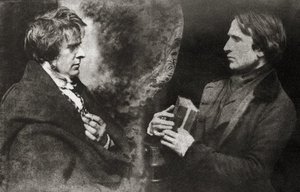
David Octavius Hill & Robert Adamson
1802 - 1848 , United Kingdom
Quick Facts
- Artistic Movement Or Style: Calotype photography
- Artists Or Movements Influenced By This Artist: ['Photographic art']
- Artists Who Influenced This Artist: ['William H. Talbot']
- Date Of Birth: May 20, 1802 (Hill)
- Date Of Death: Jan 14, 1848 (Adamson)
- Full Name: David Octavius Hill & Robert Adamson
- Nationality: Scottish
- Notable Artworks:
- Patrick Byrne
- Newhaven fishermen
- Place Of Birth: Edinburgh, UK
Related Articles

Monochrome Visions: Exploring the Aesthetic & Historical Significance of Black & White Photography
Explore the rich history & artistic power of black and white photography. From early techniques to iconic masters like Ansel Adams, discover why monochrome continues to captivate art lovers today. Expert insights for collectors.

Beyond the Lens: Photography's Enduring Influence on Modern & Contemporary Art
Explore photography's pivotal role in shaping modern & contemporary art. Discover key movements, influential artists like Stieglitz, and expert collecting advice from ArtsDot.

Pictorialism: A Search for Artistic Photography's Soul – Aesthetics, Techniques & Legacy
Explore the captivating world of Pictorialism – a pivotal movement that transformed photography into fine art. Discover key artists like Stieglitz & Käsebier, techniques, and collecting tips from experts.

Witnessing History Through Lens & Light: Documentary Photography's Enduring Legacy
Explore the powerful history of documentary photography – from its origins to contemporary masters like Gordon Parks & W. Eugene Smith. Discover how this art form shapes our understanding of society and witness pivotal moments in time.

Documentary Photography's Defining Moments: 10 Masterpieces for Your Home |
Explore 10 defining documentary photography masterpieces – from Dorothea Lange to Robert Capa. Discover powerful stories, iconic images & timeless art for your home. Museum-quality prints at .