

 Preview
 Send
Send Share
Share
 Details

 Download
 Similars
 X-Ray
X-Ray Diaporama
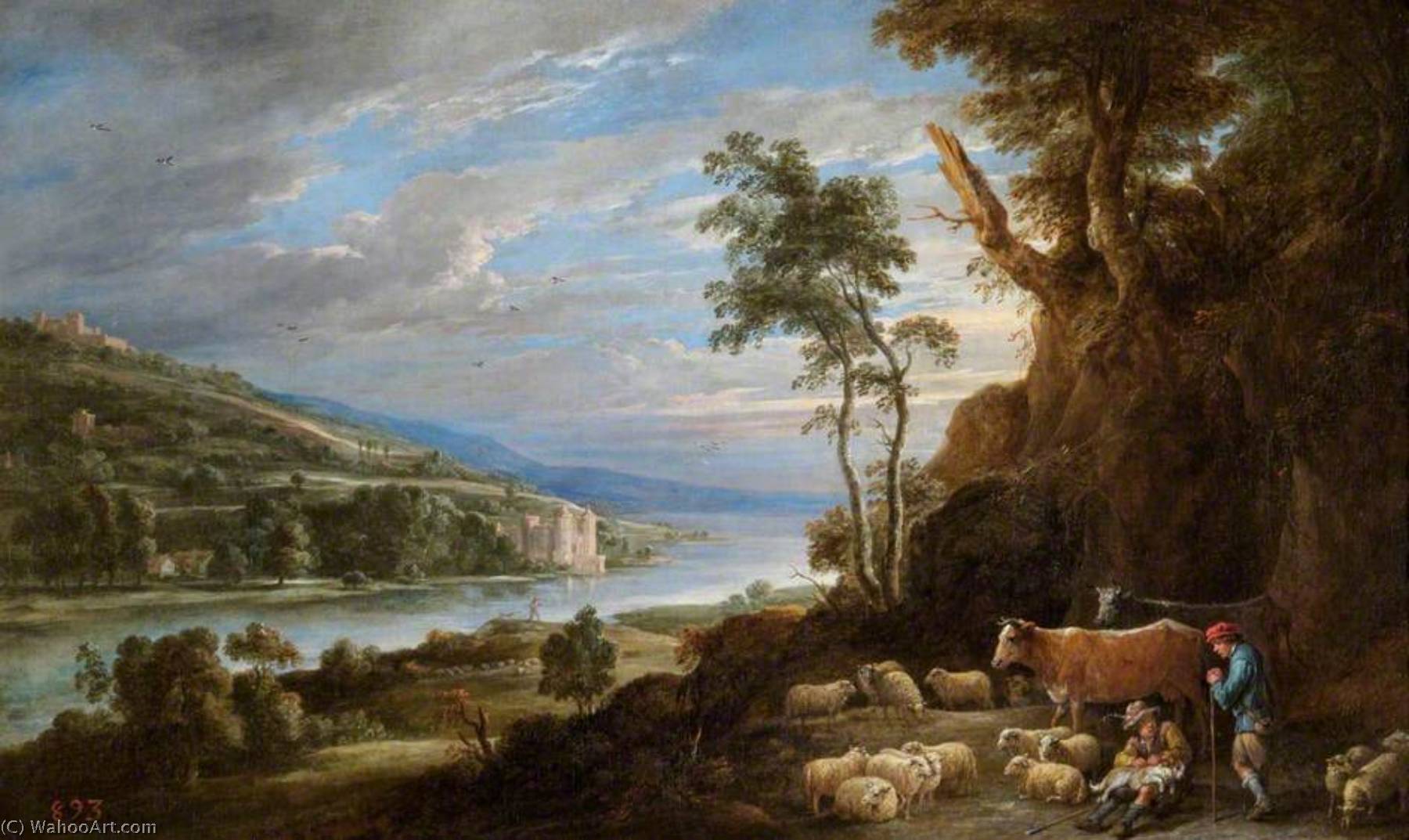
Landscape with Shepherds and a Distant View of a Castle
 Acrylic On Canvas
- WallArt
- Baroque
 1660
1660 55.0 x 89.0 cm
 English Heritage
 Read More
Purchase a high-resolution, enhanced digital image, far superior to the online preview.
Each file is meticulously prepared by our in-house specialists using advanced tools and expert manual retouching. We ensure every image has exceptional clarity, precise color accuracy, and fine detail.
The final file is delivered via email within 72 hours, optimized for immediate use in professional, editorial, and print environments. This is the same quality trusted by top-tier design studios, publishers, and galleries.
Digital Image
Download a high-resolution file for personal display, printing, and creative projects. ( Buy Print Buy Hand Made Painting)
Included in Every Digital Image Order
Expert Digital Delivery, Guaranteed
When you choose ArtsDot.com, you're not just getting an image - you're receiving a professionally enhanced digital artwork, crafted with precision and backed by a satisfaction guarantee. Here's everything that comes with your order, automatically:

Fast Email Delivery
Your high-resolution digital image file will be emailed to you within 72 hours of ordering - ready for immediate use.

AI-Enhanced Digital File
Your artwork is professionally optimized using advanced AI tools and manual editing, ensuring maximum detail, clarity, and color accuracy.

Free Lifetime Re-Delivery
Accidentally deleted or lost your file? No worries - we'll resend it to you anytime, free of charge.

No Import Fees - Ever
Enjoy your artwork instantly with zero customs, duties, or delivery fees - digital downloads are always tax-free.

Color Accuracy Guarantee
We ensure your digital image reflects the original colors as closely as possible using professional tools and color management.

60-Day Satisfaction Guarantee
If you're not satisfied with your digital image, we'll revise it or refund 100% within 60 days - no questions asked.

100% Money-Back Guarantee
Not satisfied? Get a full refund within 60 days of receiving your digital file - no questions asked.

Bulk Order Discounts
Buy 3 images, save 10% - Buy 5, save 15% - Buy 10+, save 20%. Great for creative projects, galleries, and agencies.
David Teniers II: Landscape with Shepherds and a Distant View of a Castle – A Baroque Vision
David Teniers II (1610–1690) stands as one of the most prominent figures in Flemish Baroque landscape painting, achieving renown for his masterful depictions of rural life interwoven with symbolic narratives. Born in Antwerp, Belgium, he descended from a family steeped in artistic tradition—his father, David Teniers I, was also a celebrated painter—and received an upbringing that nurtured his innate talent and fostered connections within the vibrant artistic milieu of his time. Early training under his father instilled foundational skills in painting techniques and stylistic considerations, shaping his artistic trajectory toward a distinctive blend of observation and imaginative embellishment.- Early Influences: Teniers’ formative years were profoundly impacted by Pieter Bruegel the Elder's expressive style, particularly his ability to convey social commentary through vivid imagery. This influence is palpable in Teniers’ early works, where he skillfully captures the essence of Flemish peasant culture with a keen eye for detail and nuanced emotion.
- Rubensian Connection: A pivotal moment arrived through his association with Peter Paul Rubens—a relationship that proved transformative—who recognized Teniers' potential and welcomed him into his studio. Rubens’ mentorship profoundly broadened Teniers’ artistic horizons, exposing him to ambitious compositional strategies and fostering a collaborative spirit that would characterize much of his subsequent oeuvre.
Style and Technique: Baroque Landscape Painting at Its Finest
Teniers II's landscapes embody the hallmarks of Baroque aesthetics—characterized by dramatic lighting effects, meticulous rendering of natural forms, and an overarching preoccupation with storytelling. His canvases are imbued with a palpable sense of grandeur and theatricality, achieved through layering brushstrokes to build up form and create depth. The artist’s technique involved careful observation combined with artistic license, resulting in compositions that resonate with both realism and imaginative embellishment. Oil paints on canvas served as his primary medium, allowing for rich color palettes and nuanced tonal gradations—essential elements in conveying the mood and atmosphere of his scenes.- Compositional Strategies: Teniers skillfully employed horizontal lines to delineate the contours of hills and valleys, establishing a balanced visual framework that directs the viewer’s gaze across the landscape. Lines were strategically utilized to define architectural structures—such as castles—and trees—creating harmonious relationships between man-made elements and natural surroundings.
- Texture Rendering: Texture was meticulously rendered through brushstrokes that suggested rough surfaces for rocks and foliage, contrasting with smoother applications for water bodies and skies. This textural variation contributes significantly to the overall impression of depth and realism, immersing the viewer in the depicted environment.
Symbolism and Narrative Depth: Beyond Mere Representation
Beyond mere visual depiction, Teniers II’s landscapes functioned as vehicles for conveying symbolic meanings—reflecting broader cultural values and philosophical ideas prevalent during the Baroque period. The inclusion of shepherds tending to livestock served as a potent emblem of pastoral tranquility and rural virtue—a recurring motif in Flemish art history. Simultaneously, the distant castle symbolized authority and civilization—representing the enduring tension between earthly concerns and spiritual aspiration. Through these carefully chosen elements, Teniers II elevated his paintings beyond simple landscapes into narratives that resonated with viewers on an emotional level.Historical Context: Antwerp’s Artistic Renaissance
David Teniers II flourished during a period of artistic dynamism in Antwerp—a city renowned for its patronage of the arts and its burgeoning reputation as a center of Flemish Baroque painting. His work aligns seamlessly with the broader cultural landscape of his time, reflecting the influence of Rubensian ideals and engaging in dialogues with contemporary artistic trends. The artist’s contribution to Antwerp’s artistic legacy cemented his place among the most celebrated painters of the seventeenth century—a testament to his unwavering dedication to craftmanship and his profound understanding of the expressive potential inherent in landscape painting.Related Artworks
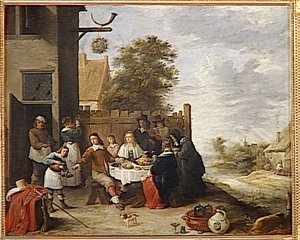
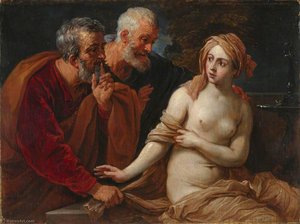
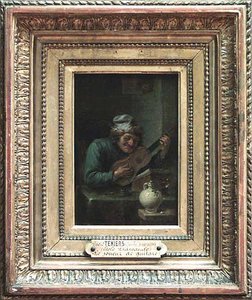
Artist Biography
David Teniers the Younger: Life and Legacy
Early Life and Family Background
- Born: Antwerp, Belgium, December 15, 1610.
- David Teniers the Younger came from a family deeply rooted in the artistic tradition of Flanders. His father, David Teniers the Elder, was also a painter, and several of his siblings pursued careers as artists.
- Training: He initially studied under his father, receiving foundational training in painting techniques and styles.
- The family faced financial difficulties at times, leading young David to make copies of older master paintings to contribute to the household income.
Artistic Development and Influences
- Early Influences: His early work was heavily influenced by his father’s style, focusing on smaller-scale cabinet paintings. He also absorbed influences from other Flemish masters like Pieter Bruegel the Elder.
- Rubens' Impact: A pivotal moment in Teniers’ development came through his association with Peter Paul Rubens. He married Anna Brueghel, daughter of Jan Brueghel the Elder, and Rubens served as a witness at their wedding, establishing a close relationship.
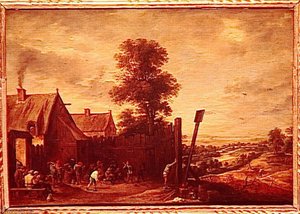
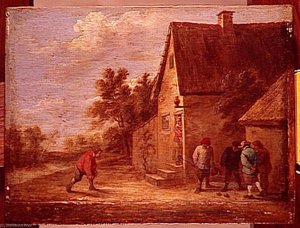
- Genre Specialization: Teniers gradually specialized in genre painting – depictions of everyday life – becoming renowned for his lively scenes of peasant festivals (kermesses), tavern interiors, and village landscapes.
Major Works and Artistic Style
- Genre Scenes: His most celebrated works are his genre paintings. These often depict bustling scenes of peasant life filled with merriment, dancing, drinking, and games.
- Kermess Paintings: The “Flemish Kermess” series exemplifies his style – vibrant colors, detailed compositions, and a keen observation of human behavior.
- Landscape Painting: Teniers also produced charming landscape paintings, often incorporating figures engaged in rural activities.
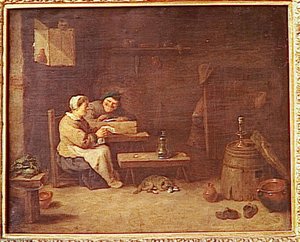
- Tavern Interiors: His tavern scenes are particularly notable for their realistic portrayal of everyday life and the lively atmosphere within these establishments.
Court Painter and Curator
- Service to Archduke Leopold Wilhelm: Teniers’ talent gained recognition at the Habsburg court. He became a court painter and curator for Archduke Leopold Wilhelm, the Governor General of the Spanish Netherlands.
- Collection Management: As curator, he was responsible for managing the Archduke's extensive art collection, creating an inventory and cataloging the works.
- Founding the Antwerp Academy: Teniers played a crucial role in establishing the Antwerp Academy of Fine Arts, aiming to revitalize Flemish painting after a period of decline following the deaths of Rubens and Van Dyck.
Historical Significance and Legacy
- Leading Genre Painter: David Teniers the Younger is considered the leading Flemish genre painter of his time, capturing the essence of 17th-century life with remarkable skill.
- Influence on Later Artists: His work influenced subsequent generations of Northern European painters and even impacted French Rococo artists like Antoine Watteau.
- Prolific Output: Teniers was an incredibly prolific artist, producing a vast body of work that continues to be admired for its charm, detail, and historical insight.
- Death: He died in Antwerp on April 25, 1690, leaving behind a lasting legacy as one of Flanders’ most important Baroque painters.
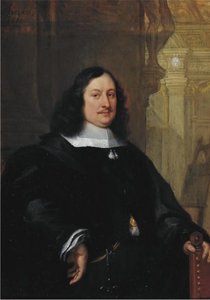
David Teniers the Younger
1610 - 1690 , Belgium
Quick Facts
- Birth Date: 1610
- Birth Place: Antwerp, Belgium
- Death Date: 1690
- Influenced By: Peter Paul Rubens
- Movement: Baroque
- Name: David Teniers the Younger
- Nationality: Flemish
- Notable Works:
- Two Drunkards
- Village Scene
- Kitchen Scene
- Flemish Kermess

