 Preview
 Send
Send Share
Share
 Details

 Download
 Similars
 X-Ray
X-Ray Diaporama
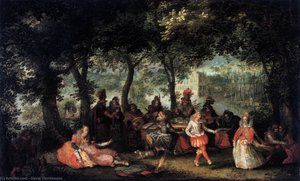
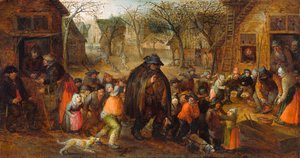
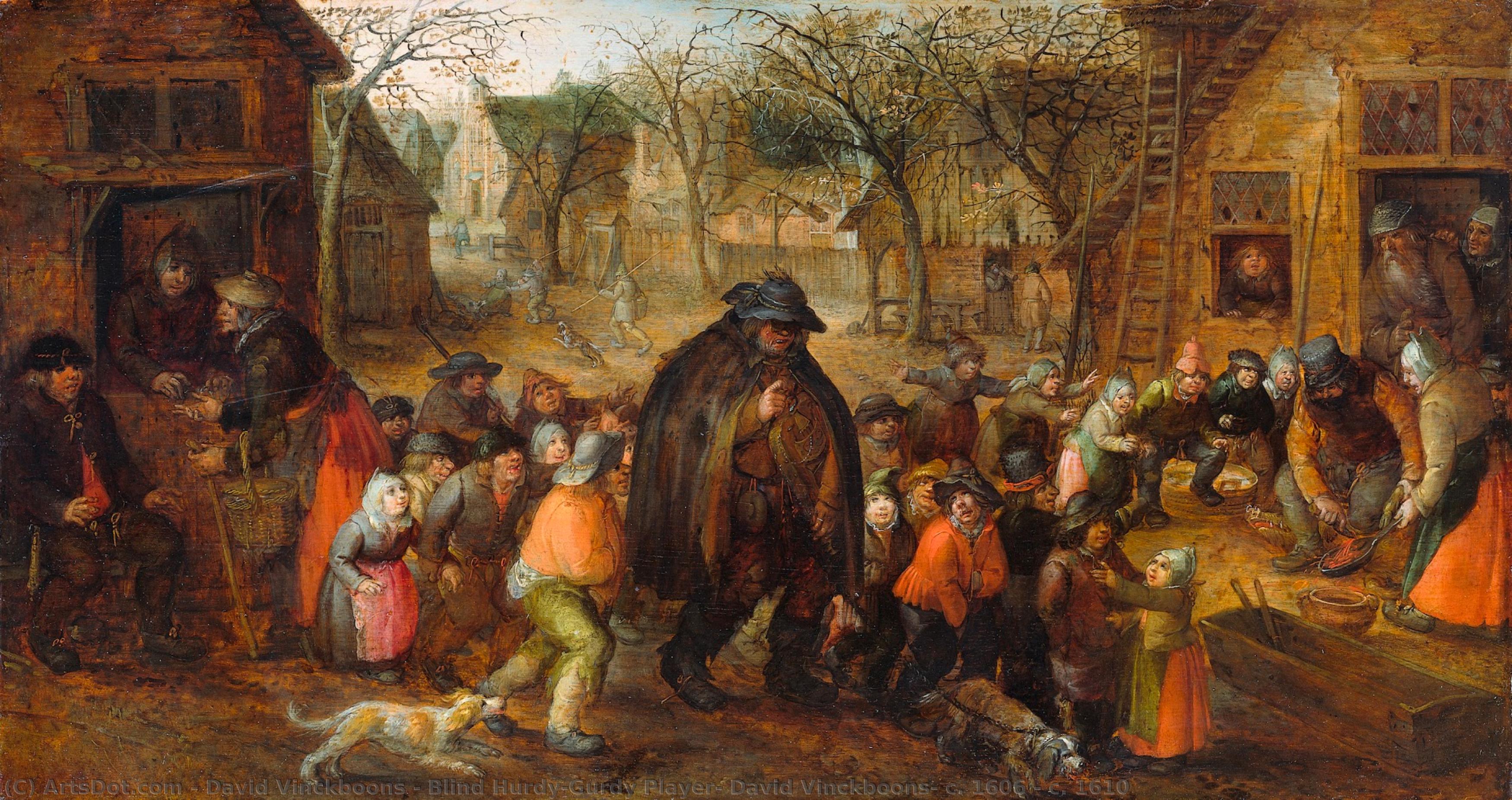
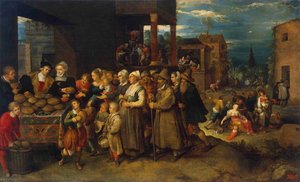
Blind Hurdy-Gurdy Player, David Vinckboons, c. 1606 - c. 1610
 1610
1610 34.0 x 63.0 cm
 Read More
Hand Made Oil Reproduction
Hand-painted oil on canvas in your size and frame, made to order by our artists. ( Buy Print Buy Image)




































Pick from our preset sizes that match the artwork's original proportions.

You may enter your own dimensions to fit a specific frame or space. If your selected size does not match the original image's proportions, we will either crop the artwork or extend the painting with additional hand-painted elements. A digital mockup will be sent for your approval before production begins.
Please note that the on-screen preview does not reflect the actual cropping or extension. Only the mockup will accurately show the final composition.
While custom sizes are available, we recommend selecting a dimension from the predefined list to preserve the original proportions.
After order, ArtsDot.com team will email client for instructions and provide a mockup preview
Worldwide Delivery () in 3/4 weeks instead of standard 5 weeks. (22 August). No compromise on quality.

Free Worldwide Express Shipping

High-Quality Linen Canvas

Full Shipping Insurance

Customs Tax Refund Guarantee

True Color Matching Guarantee

60-Day Return Policy (Defects Only)

100% Money-Back Guarantee

Bulk Discount Offer
 Glass option is only available in size under 110 CM

Blind Hurdy-Gurdy Player, David Vinckboons, c. 1606 - c. 1610
Reproduction Medium
Reproduction Size
-


Total Price
$ 263
Artwork Description
Related Artworks









Artist Biography
Titian: The Sun Amidst Small Stars
Tiziano Vecellio, known to the world as Titian, remains one of the most captivating and influential figures in the history of Western art. Born around 1488/90 in the small Alpine town of Pieve di Cadore, nestled near Belluno in northern Italy, his life spanned an extraordinary period of artistic transformation, witnessing and shaping the evolution of Venetian painting from its Renaissance roots to its Baroque flowering. More than just a painter, Titian was a master colorist, a shrewd businessman, and a courtier whose influence extended far beyond the confines of his studio. His legacy endures not only through the sheer beauty of his works but also as a testament to his remarkable versatility and enduring impact on generations of artists.
Titian’s early artistic training was somewhat fragmented, beginning with mosaics under Sebastiano Zuccato in Venice before briefly joining the workshop of Gentile Bellini. However, it was his association with Giorgione that proved pivotal, shaping the nascent style he would later develop. Their collaboration on the decoration of the Fondaco dei Tedeschi (1508-9) marked a crucial turning point, introducing Titian to the atmospheric landscapes and dreamlike qualities that would characterize much of his early work. Giorgione’s influence is particularly evident in paintings like *Landscape with a Goat* and *Two Satyrs in a Landscape*, works imbued with a sense of pastoral serenity and an exploration of light and color—a foundation upon which Titian would build his own distinctive style.
The Rise to Prominence: Venetian Master
Following Giorgione’s untimely death in 1510, Titian swiftly seized the opportunity to establish himself as Venice's leading painter. He rapidly moved beyond imitating his predecessor, developing a bolder, more dynamic approach characterized by rich color palettes, loose brushwork, and a profound understanding of human form. His monumental altarpiece for Santa Maria Gloriosa dei Frari (1516-18), *The Assumption of the Virgin*, stands as a landmark achievement—a testament to his mastery of composition, color, and dramatic effect. This ambitious work signaled a shift away from the more restrained styles of earlier Venetian painters and established Titian’s reputation throughout Europe.
Titian's success was further cemented by commissions from wealthy patrons, including the Este family in Ferrara and the Habsburg court in Vienna. He skillfully navigated the complex world of aristocratic patronage, becoming a trusted advisor and confidant to emperors and popes alike. His portraits, renowned for their psychological depth and elegant portrayal of subject matter, became highly sought after—famously, Emperor Charles V insisted on being painted by no other artist. Works like *Portrait of Alfonso d’Este* and *The Gentleman in Blue* exemplify his ability to capture the essence of his sitters, imbuing them with a sense of character and presence.
A Master of Diverse Genres
While celebrated for his portraits and altarpieces, Titian was equally adept at painting mythological scenes, landscapes, and genre paintings. His series of mythological works—*Worship of Venus*, *Bacchus and Ariadne*, and *The Bacchanal of the Andrians*—demonstrate a remarkable command of color and composition, transforming classical narratives into vibrant, sensual experiences. His landscape paintings, often imbued with a sense of mystery and atmosphere, foreshadowed the developments of later Romantic painters. The *Death of St Peter Martyr*, commissioned for the church of SS. Giovanni e Paolo in Venice, is a particularly striking example of his ability to convey dramatic emotion through color and form—a painting tragically lost in a fire but meticulously documented through copies.
Legacy and Influence
Titian’s influence on subsequent generations of artists is immeasurable. His pioneering use of color, his loose brushwork, and his emphasis on atmospheric effects profoundly impacted the development of Venetian painting and beyond. Artists such as Tintoretto, Veronese, and even Rubens looked to Titian for inspiration, adopting his techniques and embracing his bold palette. His legacy extends far beyond the confines of Venice, shaping the course of Western art history and solidifying his place as one of the greatest painters of all time—a true “sun amidst small stars,” as Lomazzo famously declared.
Titian died in Venice on August 27, 1576, leaving behind a vast and influential body of work that continues to captivate audiences centuries later. His paintings are housed in major museums around the world, testaments to his enduring genius and the profound impact he had on the art world.
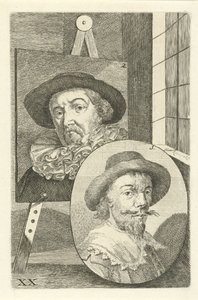
david vinckboons
1576 - 1629 , Netherlands
Quick Facts
- Artistic Movement Or Style: Venetian School
- Artists Or Movements Influenced By This Artist:
- Western artists
- Baroque
- Artists Who Influenced This Artist:
- Giovanni Bellini
- Giorgione
- Date Of Birth: c. 1488/90
- Date Of Death: August 27, 1576
- Full Name: Tiziano Vecellio (Titian)
- Nationality: Venetian
- Notable Artworks:
- Venus of Urbino
- Assumption
- Bacchus & Ariadne
- Death St. Peter
- Place Of Birth: Pieve di Cadore, Italy