 Preview
 Send
Send Share
Share
 Details

 Download
 Similars
 X-Ray
X-Ray Diaporama
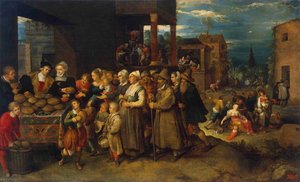
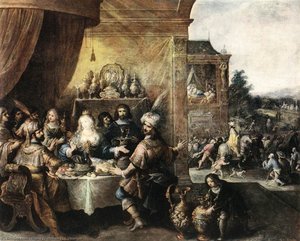
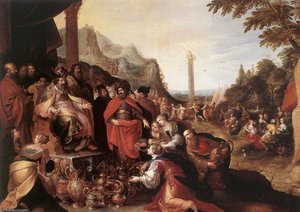
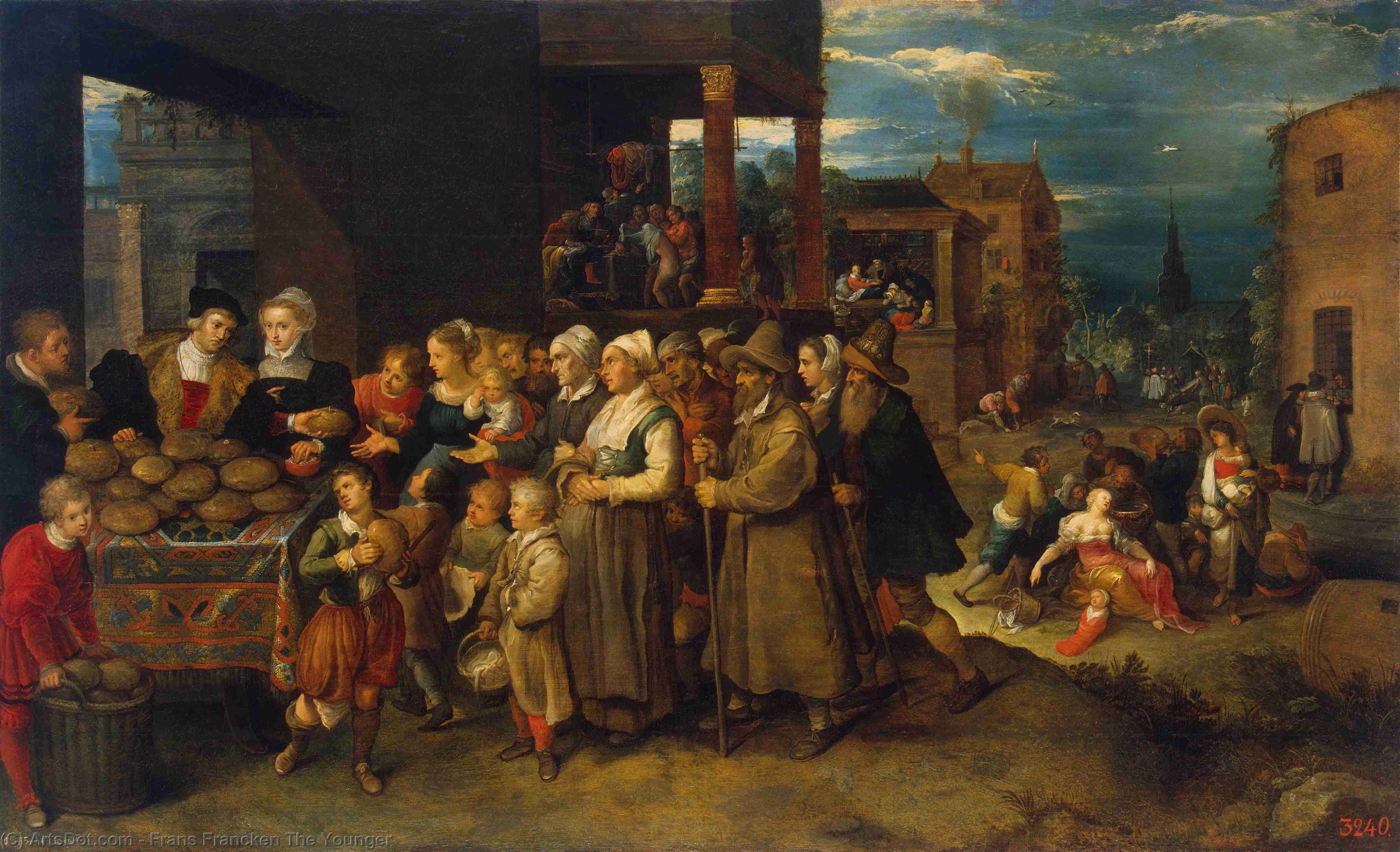
The Seven Acts of Mercy
 Oil On Canvas
- WallArt
- Baroque
 1613
1613 69.0 x 110.0 cm
 Hermitage Museum
 Read More
Hand Made Oil Reproduction
Hand-painted oil on canvas in your size and frame, made to order by our artists. ( Buy Print Buy Image)




P118B $10

P118H $10

P118W $10

P438Z $10

P508JH $12

P508YH $12

P805H $10

P805Z $10

P919BZ $10

P919G $10

P919XJ $10

P959ZH $10

P968JZ $12

W106C $8

W218G $10

W218JH $8

W218Y $10

W307PJ $10

W316G $10

W316PJ $8

W316Y $10

W398PJ $8

W4111J $10

W500HY $15

W500JH $15

W692G $12

W849H $8

W940BG $15

W953PJ $8




Pick from our preset sizes that match the artwork's original proportions.

You may enter your own dimensions to fit a specific frame or space. If your selected size does not match the original image's proportions, we will either crop the artwork or extend the painting with additional hand-painted elements. A digital mockup will be sent for your approval before production begins.
Please note that the on-screen preview does not reflect the actual cropping or extension. Only the mockup will accurately show the final composition.
While custom sizes are available, we recommend selecting a dimension from the predefined list to preserve the original proportions.
After order, ArtsDot.com team will email client for instructions and provide a mockup preview
Worldwide Delivery () in 3/4 weeks instead of standard 5 weeks. (31 August). No compromise on quality.

Free Worldwide Express Shipping

High-Quality Linen Canvas

Full Shipping Insurance

Customs Tax Refund Guarantee

True Color Matching Guarantee

60-Day Return Policy (Defects Only)

100% Money-Back Guarantee

Bulk Discount Offer
 Glass option is only available in size under 110 CM

The Seven Acts of Mercy
Reproduction Medium
Reproduction Size
-


Total Price
$ 263
Bernardo Strozzi: A Venetian Baroque Visionary
Bernardo Strozzi, a name synonymous with the dramatic intensity and luminous color of 17th-century Venice, was more than just an artist; he was a pivotal figure in shaping the city’s distinctive Baroque style. Born in Genoa around 1581 and tragically dying in Venice in 1644, Strozzi's life was marked by both artistic brilliance and spiritual transformation. Initially trained under Cesare Corte and later Pietro Sorri – artists who steered him away from the rigid Mannerism of Luca Cambiaso towards a more naturalistic approach – he quickly established himself as a master painter whose works resonated deeply with Venetian sensibilities. His career unfolded across two key cities, Genoa and Venice, each leaving an indelible mark on his artistic development. Strozzi’s early years were spent in Genoa, where he honed his skills and gained recognition for his ability to capture human emotion with remarkable immediacy. He was a prolific painter of portraits and mythological subjects, demonstrating a sensitivity to psychological nuance that distinguished him from many of his contemporaries. However, it was Venice – the epicenter of Baroque grandeur – that truly captivated Strozzi’s imagination and propelled him to unparalleled artistic heights. Drawn by the city's opulent patronage and its embrace of theatrical visual storytelling, he embraced the Baroque aesthetic with fervor, producing canvases brimming with vibrant hues, dynamic compositions, and emotionally charged narratives.- Style: Strozzi’s Venetian style is characterized by a masterful blend of Mannerist elegance and Baroque dynamism. While retaining elements of Mannerist precision—particularly in drapery folds and anatomical detail—he infused his paintings with the expressive fervor demanded by the Baroque period.
- Technique: He employed a revolutionary glazing technique, layering translucent washes of color over underpaintings to achieve unparalleled luminosity and depth. This method allowed him to capture subtle tonal variations and create an ethereal quality that was groundbreaking for its time.
The Seven Acts of Mercy – A Study in Charity and Light
“The Seven Acts of Mercy,” completed in 1613, exemplifies Strozzi’s artistic vision. This monumental oil on canvas depicts a scene of communal generosity and compassion—a gathering of individuals offering assistance to those less fortunate. The composition is meticulously balanced, guiding the viewer's eye across the tableau with graceful curves and diagonal lines. Notice the careful arrangement of figures around the central table laden with food, symbolizing nourishment and sustenance for all involved.- Description: The painting portrays a richly furnished interior illuminated by diffused light—a hallmark of Venetian Baroque interiors. Strozzi’s masterful brushwork captures the textures of fabrics, skin tones, and facial expressions with astonishing realism. Observe the expressive gestures of the participants as they extend their hands in acts of kindness.
- Photo Description: The painting is a large oil on canvas depicting a group of people gathered around a table with food. The scene appears to be set in a marketplace or outdoor gathering area. There are at least 14 people visible in the image, some standing and others sitting around the table. They seem to be enjoying their time together as they share food and conversation. The table is filled with various items such as bowls, cups, and a knife. The bowls can be seen on the left side of the table, while the cups are scattered throughout the scene. A knife is also visible near the center of the table. In addition to the food, there are two bottles placed on the right side of the table. The people in the painting appear to be engaged with one another and their surroundings, creating a lively atmosphere. The overall composition of the image suggests that it is a social gathering or celebration where friends and family come together to share food and enjoy each other's company.
Symbolism and Emotional Resonance
The Seven Acts of Mercy transcends mere depiction; it embodies profound spiritual ideals. The central act—feeding the hungry—represents compassion and selfless care for those in need, reflecting the humanist values prevalent during Strozzi’s era. Furthermore, the luminous quality of the painting—achieved through his innovative glazing technique—symbolizes divine grace and illuminates the moral virtues depicted within its frame. Strozzi's intention was not simply to portray a scene but to evoke an emotional response in the viewer, prompting contemplation on themes of human dignity and social responsibility.Size: 69 x 110 cm
Date: 1613
Concluding Remarks
Bernardo Strozzi’s legacy extends far beyond his artistic achievements. He stands as a testament to the transformative power of art—its ability to inspire empathy, elevate moral consciousness, and capture the sublime beauty of human experience. “The Seven Acts of Mercy” remains an enduring masterpiece, embodying the spirit of Venetian Baroque and securing Strozzi's place among the most influential painters of his time.Related Artworks

Artist Biography
Bernardo Strozzi: A Venetian Baroque Visionary
Bernardo Strozzi, a name synonymous with the dramatic intensity and luminous color of 17th-century Venice, was more than just an artist; he was a pivotal figure in shaping the city’s distinctive Baroque style. Born in Genoa around 1581 and tragically dying in Venice in 1644, Strozzi's life was marked by both artistic brilliance and spiritual transformation. Initially trained under Cesare Corte and later Pietro Sorri – artists who steered him away from the rigid Mannerism of Luca Cambiaso towards a more naturalistic approach – he quickly established himself as a master painter whose works resonated deeply with Venetian sensibilities. His career unfolded across two key cities, Genoa and Venice, each leaving an indelible mark on his artistic development. Strozzi’s early years were spent in Genoa, where he honed his skills and gained recognition for his ability to capture human emotion with remarkable immediacy. He was a prolific painter of history, allegorical scenes, genre works depicting musicians, and portraits – all rendered with a captivating blend of realism and theatricality. His subjects weren't merely depicted; they were imbued with a palpable sense of drama and psychological depth. Crucially, Strozzi’s artistic journey took an unexpected turn when he embraced the Capuchin monastic order in 1598. This decision profoundly influenced his work, imbuing it with a spiritual intensity and a focus on religious themes. The nickname “Il Prete Genovese” (the Genoese Priest) reflected this transformation, highlighting his dual identity as both an artist and a devout monk. This period saw him producing numerous devotional paintings, often featuring scenes from the life of St. Francis of Assisi – a testament to the order’s core values. The shift to Venice in 1630 marked a new chapter in Strozzi's career. The Venetian atmosphere, with its vibrant artistic community and patronage system, provided fertile ground for his continued development. He quickly established himself as a leading figure in the city’s art scene, attracting commissions from prominent families like the Doria and Centurione. His Venetian works are characterized by an even greater emphasis on color, light, and dramatic composition – hallmarks of the Venetian Baroque style. Strozzi's palette was rich and luminous, drawing inspiration from the work of both Caravaggio, known for his masterful use of chiaroscuro, and Gentileschi, whose dynamic brushwork and emotional intensity resonated with Strozzi’s own artistic vision. He skillfully blended these influences, creating a unique style that was simultaneously powerful and deeply moving.Key Artistic Characteristics & Techniques
Strozzi's art is immediately recognizable by several distinctive features. Firstly, his use of color is extraordinarily vibrant – deep reds, rich blues, and luminous yellows dominate his canvases, creating an atmosphere of intense drama and emotional resonance. Secondly, he employed a dynamic brushstroke technique, characterized by broad, energetic strokes that convey movement and vitality. This approach was particularly evident in his depictions of figures in motion, such as those found in his celebrated “Recapture of Bahía” painting for the Royal Buen Retiro Palace in Madrid. Furthermore, Strozzi masterfully utilized *chiaroscuro*, a technique involving strong contrasts between light and dark, to heighten the dramatic impact of his compositions. This was not merely a stylistic choice; it served to draw the viewer’s eye to key elements within the scene and to evoke specific emotions. His ability to capture fleeting expressions of emotion – joy, sorrow, fear – is truly remarkable, making his portraits particularly compelling.Influences & Artistic Connections
Strozzi's artistic development was shaped by a diverse range of influences. His early training under Cesare Corte and Pietro Sorri exposed him to the late Mannerist style of Luca Cambiaso, but Sorri encouraged him to move towards a more naturalistic approach. The work of Rubens, who spent time in Genoa during Strozzi’s formative years, undoubtedly influenced his use of color and composition. However, Strozzi's style was distinctly Venetian, drawing inspiration from the works of Caravaggio and Gentileschi – artists who were instrumental in shaping the city’s Baroque aesthetic. He also maintained close relationships with other prominent Venetian painters, including Guido Reni and Annibale Carracci, whom he knew personally. His collaborations with artists like Tobias Verhaecht and Abraham Govaerts further enriched his artistic practice.Legacy & Historical Significance
Despite a relatively short career, Bernardo Strozzi left an enduring legacy on the art of Venice. He is considered one of the founding fathers of Venetian Baroque painting, alongside artists like Titian and Veronese. His innovative use of color, dramatic composition, and psychological insight profoundly influenced subsequent generations of Venetian painters. His work continues to be admired for its emotional intensity, technical virtuosity, and captivating beauty. Strozzi’s story is a testament to the transformative power of art and faith, demonstrating how an artist's spiritual journey can shape his creative vision and leave a lasting impact on the world. His paintings offer a poignant glimpse into the turbulent yet vibrant cultural landscape of 17th-century Venice – a city that nurtured his talent and ultimately became the stage for his tragic demise in 1644.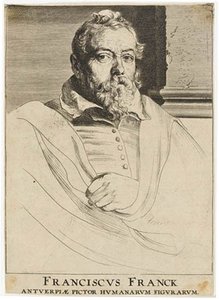
frans francken the younger
1581 - 1642 , Belgium
Quick Facts
- Artistic Movement Or Style: Baroque
- Artists Or Movements Influenced By This Artist: ['Venetian painting']
- Artists Who Influenced This Artist:
- Caravaggio
- Gentileschi
- Rubens
- Date Of Birth: c. 1581
- Date Of Death: 1642
- Full Name: Bernardo Strozzi
- Nationality: Italian
- Notable Artworks:
- Recapture Bahía
- Allegorical paintings
- History paintings
- Place Of Birth: Genoa, Italy
Related Articles

Baroque Drama: Bringing Opulence & Emotion into Contemporary Interiors
Explore the opulent world of Baroque interior design! Discover key elements, modern applications & how to bring dramatic elegance into your home with 's authentic reproductions.

The Dramatic Flourish: Exploring the Baroque Movement's Enduring Legacy in Art History
Explore the dramatic world of Baroque art! Discover iconic artists like Caravaggio & Rubens, defining techniques, and its lasting impact on art history. Expert insights for collectors & enthusiasts at ArtsDot.

The Visceral Stage: Exploring Dramatic Narratives & Emotional Intensity in Baroque Art
Explore the dramatic world of Baroque art! Discover iconic masters like Caravaggio & Rembrandt, their techniques, and the movement's lasting impact. Expert insights for collectors & enthusiasts at ArtsDot.

Baroque Masterpieces: 10 Paintings That Defined an Era |
Journey through the drama & grandeur of Baroque art! Explore 10 masterpieces by Caravaggio, Rembrandt, Rubens & more. Discover stunning oil paintings, rich colors & timeless stories. Find museum-quality reproductions at .

Baroque Classicism: Reconciling Drama & Order in 17th-Century Art
Explore the captivating world of Baroque Classicism! Discover its history, key artists like Caravaggio & Rubens, and defining characteristics. Expert insights & high-quality reproductions at ArtsDot.