 Send
Send Share
Share
 Details

 Download
 Similars
 Diaporama
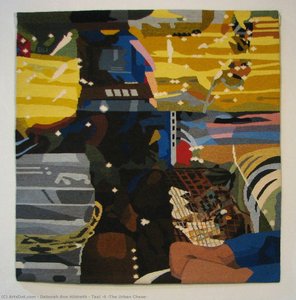
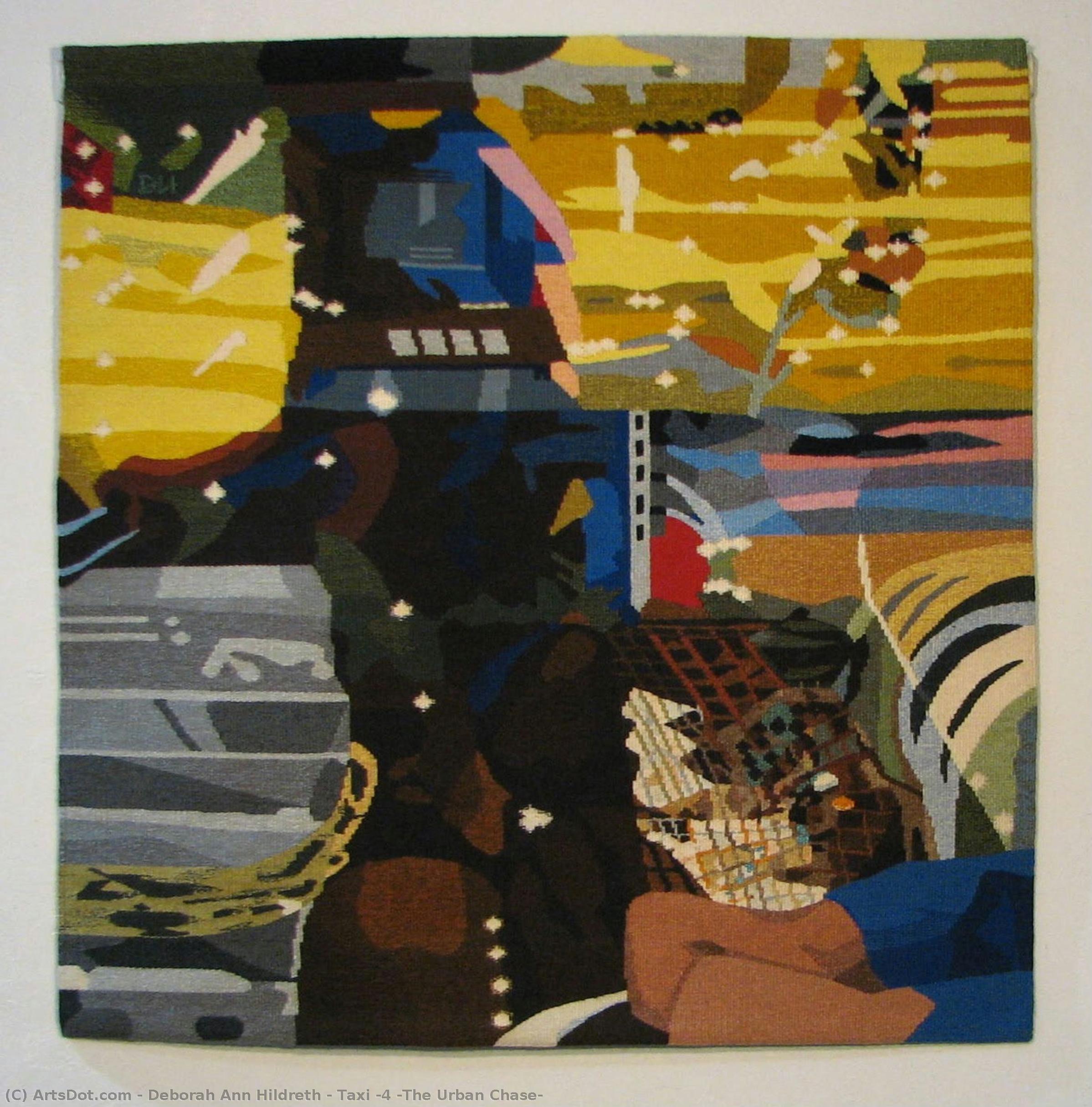
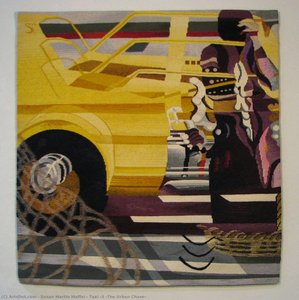
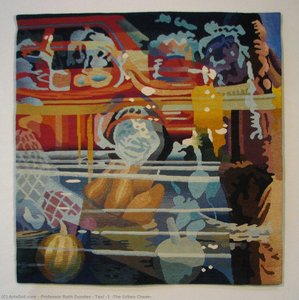
Taxi #4 (The Urban Chase)


 Read More
Giclée / Art Print
Museum-quality giclée or canvas print with fast production and flexible finish options. ( Buy Hand Made Painting Buy Image)




































Pick from our preset sizes that match the artwork's original proportions.

You may enter your own dimensions to fit a specific frame or space. If your selected size does not match the original image's proportions, we will either crop the artwork or extend the image with a mirrored or solid-fill edge. A digital mockup will be sent for your approval before production begins.
Please note that the on-screen preview does not reflect the actual cropping or extension. Only the mockup will accurately show the final composition.
While custom sizes are available, we recommend selecting a dimension from the predefined list to preserve the original proportions.
Worldwide Delivery () in 2 weeks instead of standard 4/5 weeks. (17 August)

Free Worldwide Express Shipping

High-Quality Linen Canvas

Full Shipping Insurance

Customs Tax Refund Guarantee

True Color Matching Guarantee

60-Day Return Policy (Defects Only)

100% Money-Back Guarantee

Bulk Discount Offer
 Glass option is only available in size under 110 CM

Taxi #4 (The Urban Chase)
Giclée / Art Print
Reproduction Size
-


Total Price
$ 63
Collectible Description
Deborah Ann Hildreth’s “Taxi #4 (The Urban Chase)” – A Fragmented Reflection of City Life
- Subject Matter: The tapestry depicts a vibrant cityscape dominated by yellow taxis reflected in the glass panes of Balducci's Delicatessen, capturing the frenetic energy and visual complexity characteristic of New York City during the late 1980s. It’s not merely a depiction of buildings; Hildreth skillfully incorporates birds – symbolic representations of freedom and aspiration – amidst the urban sprawl.
- Style: Hildreth's approach aligns with Conceptual Art, prioritizing idea over traditional aesthetic concerns. The fractured image—resulting from the photographic source material and subsequent artistic interpretation—serves as a powerful metaphor for how individuals perceive reality differently, emphasizing multiplicity of viewpoints.
- Technique: Hand pieced, hand stitched, and machine stitched – these meticulous techniques demonstrate STS’s commitment to artisanal excellence. The weavers employed a complex layering process, utilizing multiple threads to achieve remarkable textural depth and color vibrancy. This painstaking craftsmanship elevates the tapestry beyond mere visual representation.
- Historical Context: Created during STS's pioneering collaborative project, “Taxi #4” embodies the spirit of experimentation and intellectual engagement prevalent in the art world of its time. It reflects a broader movement toward challenging established artistic conventions and exploring new modes of expression.
- Symbolism: The clock positioned prominently in the upper left corner symbolizes time – not just as chronological measurement but also as an element shaping experience and perception. Its inclusion reinforces the artwork’s central theme: how our individual perspectives are molded by circumstance and influenced by fleeting moments.
Exploring Fragmentation and Perception
The genesis of “Taxi #4” lies in a single photograph – Balducci's Delicatessen, bathed in the golden light of reflected taxis. This seemingly simple image was deliberately fractured into four quadrants by STS’s artists, recognizing that visual experience is inherently subjective. Hildreth’s decision to embrace this fragmentation wasn’t merely stylistic; it represented a profound conceptual statement about how we interpret the world around us. Each weaver brought their own vision to bear on the source material, resulting in four distinct interpretations that collectively illuminate the complexities of human perception.A Testament to Collaborative Craftsmanship
Deborah Ann Hildreth’s dedication to her craft is evident in every stitch of “Taxi #4.” STS's reputation for fostering innovation and artistic dialogue underscores the importance of collaborative endeavors. The meticulous hand piecing and stitching processes—combined with machine stitching—ensure exceptional quality and durability, guaranteeing that this artwork retains its vibrancy and expressive power for generations to come.Emotional Impact & Artistic Legacy
“Taxi #4” transcends mere visual representation; it evokes a palpable sense of urban dynamism and contemplation. Hildreth’s masterful use of color—particularly the dominant yellows—captures the energy of New York City while simultaneously inviting viewers to consider their own perspectives on life's journey. This tapestry stands as a testament to Conceptual Art’s enduring influence, prompting reflection on how we perceive reality and shaping our understanding of artistic expression.Related Artworks


Artist Biography
Kerry James Marshall: A Counter-Archive of Black Presence
Kerry James Marshall, born in Birmingham, Alabama, on October 17, 1955, is a towering figure in contemporary American art. His career, spanning decades and encompassing painting, prints, and sculpture, has fundamentally challenged conventional notions of representation within the Western artistic canon. More than simply depicting Black subjects, Marshall constructs a “counter-archive,” as he himself terms it – a deliberate effort to reclaim agency and visibility for African Americans historically marginalized in art history. His work isn’t merely about portraying figures; it's about asserting their presence, demanding recognition, and reshaping the narrative of artistic legacy. Marshall’s early life profoundly shaped his artistic vision. Growing up in Birmingham during a period of intense racial tension, he witnessed firsthand the realities of segregation and discrimination. Moving to Los Angeles as a child, he experienced the vibrant yet often challenging environment of South Central, where the Black Panther Party exerted considerable influence. This formative experience instilled within him a deep sense of social responsibility and fueled his desire to address issues of identity, history, and power through his art. Crucially, his mentorship under Charles White at high school provided a foundational understanding of figurative painting and a commitment to depicting the human form with dignity and realism – a direct lineage that continues to inform his work today. Marshall’s artistic development was rooted in a deliberate engagement with the traditions of European painting. He meticulously studied Old Master techniques, particularly those of Renaissance artists like Raphael and Titian, not to emulate them but to understand the conventions of representation—and then systematically subvert them. This rigorous approach is evident in his large-scale paintings, often borrowing compositional elements from classical works – a pyramid structure, a carefully arranged foreground, a dramatic lighting scheme – yet filling these established forms with Black figures engaged in everyday activities: working in fields, attending church, playing games, or simply existing within their communities. The influence of the Gullah dialect and culture, inherited from his grandmother, further enriches his visual language, imbuing his scenes with a distinct regional identity and a sense of rootedness.- Key Techniques & Style: Marshall’s paintings are characterized by their monumental scale, meticulous detail, and bold use of color. He employs a highly controlled realism, rendering figures with an almost photographic precision while simultaneously imbuing them with emotional depth and psychological complexity. His palette is often vibrant and saturated, reflecting the richness and vitality of Black culture.
- Recurring Themes: Central to Marshall’s work are themes of identity, history, representation, and social justice. He frequently depicts Black figures in settings that challenge conventional stereotypes and expose the invisibility historically imposed upon them. His paintings serve as a visual testament to the resilience, dignity, and complexity of African American life.
- Notable Series: Marshall is perhaps best known for his “Word” series (1987-1991), in which he appropriated titles from art historical texts – such as Raphael’s *The School of Athens* – and applied them to paintings depicting Black figures. This act of appropriation was a deliberate challenge to the established canon, asserting the presence of Black artists within the history of Western art.
The Legacy of a Counter-Archive
Kerry James Marshall’s work represents more than just aesthetic achievement; it is a profound intervention in the history of art. By systematically challenging conventional representations and reclaiming agency for Black figures, he has fundamentally altered our understanding of what constitutes “art” and who gets to be represented within it. His paintings are not simply portraits; they are declarations – powerful statements about identity, history, and the ongoing struggle for social justice. Marshall’s legacy lies in his unwavering commitment to visibility, his masterful technique, and his profound ability to transform the visual landscape of art with a voice that demands to be heard. He continues to inspire generations of artists to confront issues of representation and challenge established norms, ensuring that his “counter-archive” will continue to resonate for years to come.
deborah ann hildreth
1955 - , United States of America
Quick Facts
- Artistic Movement Or Style: Abstract Expressionism
- Artists Or Movements Influenced By This Artist: ['Contemporary painting']
- Artists Who Influenced This Artist: ['Charles White']
- Date Of Birth: October 17, 1955
- Full Name: Kerry James Marshall
- Nationality: American
- Notable Artworks:
- Small Arcs
- The Pavilion
- Christmas Tree
- Pastimes
- Place Of Birth: Birmingham, Alabama
Related Articles

Beyond the Horizon: 10 Landscape Masterpieces for Your Home Decor
Journey through 10 breathtaking landscape paintings by Monet, Van Gogh & more! Explore iconic artworks, artistic techniques & find inspiration for your home decor. Museum-quality reproductions at ArtsDot.com. Discover all masterpieces on ArtsDot.com

Hokusai's Masterpieces: 25 Iconic Prints & Paintings for Art Lovers | ArtsDot
Journey through Katsushika Hokusai’s 25 most iconic artworks, including *The Great Wave*. Explore the ukiyo-e master's history, style & timeless Japanese woodblock prints. Find museum-quality reproductions for your home at ArtsDot.com.
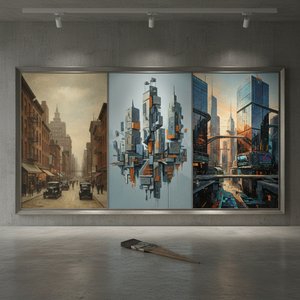
Concrete Visions: Exploring the Urban Landscape in Painting – From Realism to Contemporary Art
Explore the evolution of cityscape painting from Realism to contemporary art with ArtsDot. Discover key artists & invest in timeless urban visions. Expert guidance, museum-quality reproductions.
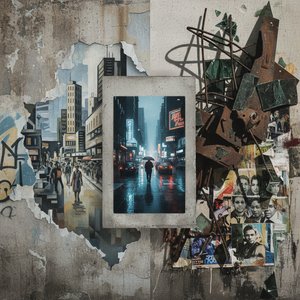
Concrete Visions: Exploring Representations of Urban Life in Modern & Contemporary Art
Explore the evolution of cityscape painting from Realism to contemporary art. Discover key artists & invest in timeless urban visions with ArtsDot's expert guidance and museum-quality reproductions.

Romantic Landscapes: 10 Masterpieces for Your Home | ArtsDot
Journey through 10 Romantic landscape masterpieces by Friedrich, Turner & Cole. Explore emotional art, sublime nature scenes & iconic 19th-century paintings. Find museum-quality reproductions for your home at ArtsDot.com – discover the full collection online!