The Rise of the Cityscape: From Documentation to Artistic Subject
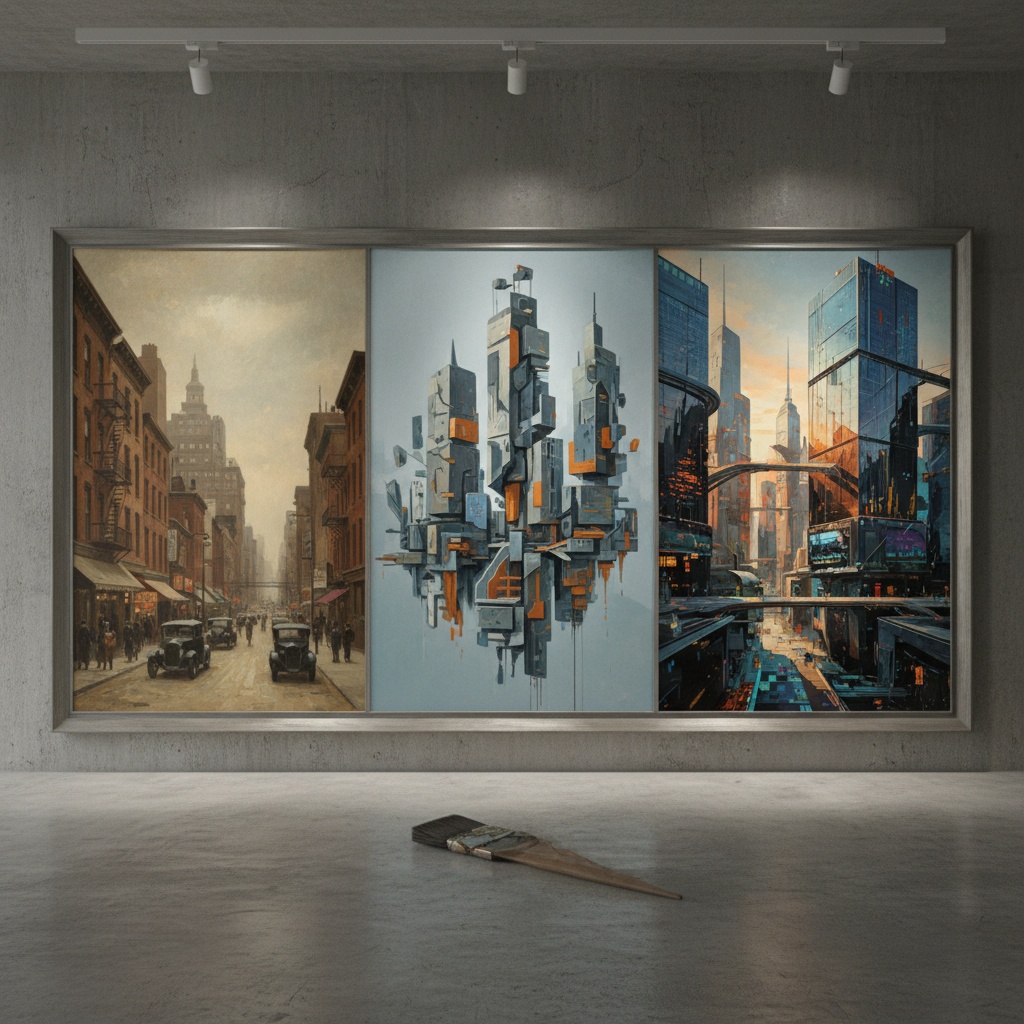
In the visual arts, a cityscape (urban landscape) is an artistic representation, such as a painting, drawing, print or photograph, of the physical aspects of a city or urban area. It is the urban equivalent of a landscape. Townscape is roughly synony...
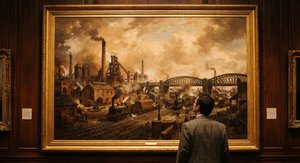
For centuries, art largely focused on the natural world – idyllic landscapes, majestic mountains, serene seascapes. The city, however, remained a relatively marginal subject, often serving merely as a backdrop for religious or historical narratives. This began to shift dramatically in the 17th century, particularly within the Dutch Golden Age. Artists like Jan van der Heyden didn’t simply depict cities; they meticulously documented them, capturing architectural details with unprecedented accuracy. These weren't romanticized visions but rather precise records of burgeoning urban centers – a reflection of civic pride and economic prosperity. This early form of cityscape painting laid the groundwork for a more profound engagement with the city as a subject in its own right, moving beyond mere representation towards artistic interpretation. The bird’s-eye views prevalent at the time functioned almost like maps, yet they also hinted at the growing complexity and scale of urban life, foreshadowing the challenges and opportunities that would define modernity.
Realism’s Embrace of Urban Life: Courbet, Grosz, and the Social Commentary Canvas
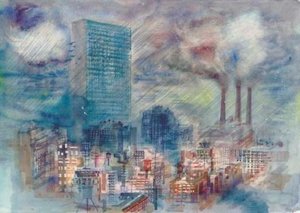 Manhattan
Experience George Grosz’s ‘Manhattan’ – a powerful 1934 painting capturing the city's industrial grit & social commentary. Hand-painted reproduction available.
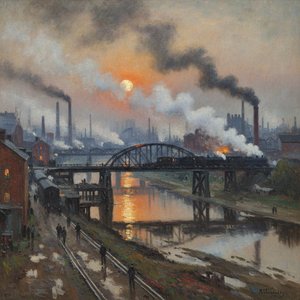
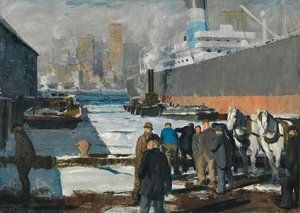
The 19th century witnessed a seismic shift in artistic priorities with the emergence of Realism. Rejecting the idealized forms and dramatic narratives of Romanticism, artists turned their attention to the everyday realities of life – and increasingly, that meant the city. Gustave Courbet’s groundbreaking works, though not exclusively urban scenes, established a precedent for portraying contemporary subjects without embellishment. However, it was artists like George Grosz who truly embraced the city as a crucible of social tension. His 1934 painting, Manhattan, is a stark and unflinching depiction of industrial grit, economic disparity, and the alienation inherent in modern urban existence. The towering skyscrapers loom oppressively, dwarfing the human figures below, conveying a sense of anonymity and powerlessness. This wasn’t simply about showing the city; it was about exposing its underbelly, challenging viewers to confront uncomfortable truths. Similarly, Anthony Costello's work, exemplified by City Square 5, captures the bustling energy of urban life with raw emotion and realism, bringing a sense of immediacy and human connection to his scenes.
Impressionism & The Ephemeral City: Capturing Light, Movement, and Modern Experience
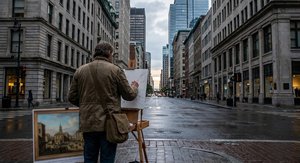 Urban Visions: A Historical & Artistic Exploration of the Cityscape in Painting
Explore the evolution of cityscape painting from historical maps to Impressionist masterpieces. Discover artists like Caillebotte & Utrillo. Find museum-quality reproductions at ArtsDot.
The Impressionists, while often focused on fleeting moments in nature, also found inspiration in the rapidly changing cityscape. Camille Pissarro’s Parisian boulevards shimmer with light and movement, capturing the vibrancy of modern life. But beyond simply recording visual impressions, these artists sought to convey the experience of being in the city – the noise, the crowds, the constant flux. This focus on atmosphere and sensation paved the way for further experimentation. The emphasis wasn’t on precise detail but rather on the subjective perception of light and color, transforming urban scenes into shimmering tapestries of visual sensation. The cafes, boulevards, and train stations became vehicles for exploring how modernity impacted human consciousness.
Beyond Representation: Expressionism and the Psychological Impact of the Metropolis
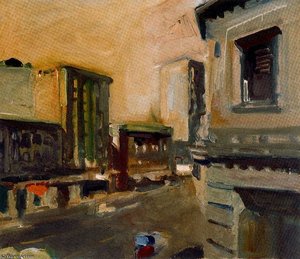 Untitled (377)
Discover Elmer Bischoff’s captivating cityscape paintings! Explore his warm, orange-toned urban landscapes – a unique blend of realism & expressionism. #art #cityscape #elmerbischoff
Post-Impressionist painters explored subjective interpretations of urban space, often emphasizing emotional states rather than objective reality. The early 20th century saw a fragmentation of form and perspective, mirroring the increasing complexity and disorientation of modern life. Artists began to delve into the psychological impact of the city, exploring themes of alienation, isolation, and anonymity. Maurice Utrillo’s Parisian scenes, for example, are imbued with a sense of melancholy and quiet desperation, capturing the loneliness that can exist even amidst bustling crowds. His muted palette and simplified forms convey a feeling of detachment and introspection. Alice Pike Barney's Rooftops, though expressionistic in style, similarly captures an urban atmosphere of solitude and contemplation, offering a glimpse into private moments within the larger cityscape.
Contemporary Visions: Reinterpreting the Urban Landscape in the 21st Century
Today’s artists continue to grapple with the complexities of the modern city. Elmer Bischoff's captivating cityscape paintings offer a unique blend of realism and expressionism, his warm, orange-toned urban landscapes evoking a sense of nostalgia and quiet contemplation. The city is no longer simply a place to be documented or analyzed; it’s a source of endless inspiration, a canvas for exploring identity, memory, and the human condition. Contemporary artists often employ diverse media – from traditional oil paints to digital techniques – to capture the multifaceted nature of urban life. They challenge conventional perspectives, pushing the boundaries of representation and inviting viewers to engage with the city in new and meaningful ways.
Collecting the Concrete Jungle: Investing in Timeless Urban Art
The enduring appeal of cityscape painting lies in its ability to reflect our evolving relationship with the built environment. From the meticulous documentation of Dutch masters to the emotionally charged scenes of Grosz and Utrillo, these artworks offer a powerful glimpse into different eras and cultural contexts. For collectors, acquiring urban art represents not only an investment in aesthetic beauty but also a connection to history and social commentary. The market for cityscape paintings remains robust, with works by established artists commanding significant prices. However, emerging contemporary artists also present exciting opportunities for discerning investors. ArtsDot.com offers a curated selection of museum-quality reproductions, allowing you to bring these iconic urban visions into your home or collection. Our expert team provides personalized guidance, ensuring that you find the perfect artwork to suit your taste and investment goals.