 Preview
 Send
Send Share
Share
 Details

 Download
 Similars
 X-Ray
X-Ray Diaporama
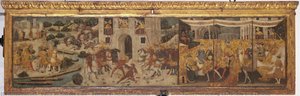
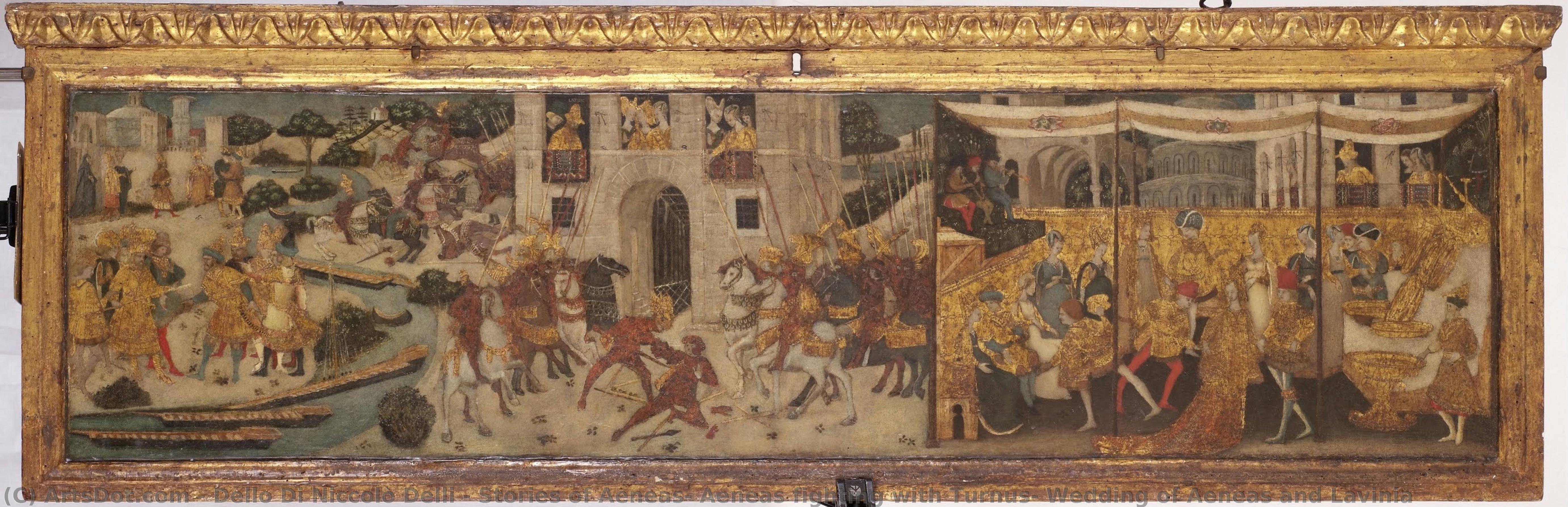
Stories of Aeneas: Aeneas fighting with Turnus, Wedding of Aeneas and Lavinia

 Read More
Giclée / Art Print
Museum-quality giclée or canvas print with fast production and flexible finish options. ( Buy Hand Made Painting Buy Image)




































Pick from our preset sizes that match the artwork's original proportions.

You may enter your own dimensions to fit a specific frame or space. If your selected size does not match the original image's proportions, we will either crop the artwork or extend the image with a mirrored or solid-fill edge. A digital mockup will be sent for your approval before production begins.
Please note that the on-screen preview does not reflect the actual cropping or extension. Only the mockup will accurately show the final composition.
While custom sizes are available, we recommend selecting a dimension from the predefined list to preserve the original proportions.
Worldwide Delivery () in 2 weeks instead of standard 4/5 weeks. (27 August)

Free Worldwide Express Shipping

High-Quality Linen Canvas

Full Shipping Insurance

Customs Tax Refund Guarantee

True Color Matching Guarantee

60-Day Return Policy (Defects Only)

100% Money-Back Guarantee

Bulk Discount Offer
 Glass option is only available in size under 110 CM

Stories of Aeneas: Aeneas fighting with Turnus, Wedding of Aeneas and Lavinia
Giclée / Art Print
Reproduction Size
-


Total Price
$ 63
Related Artworks








Artist Biography
Giovanni di Paolo: A Visionary of Siena’s Mystical Landscape
Giovanni di Paolo di Grazia, born around 1403 in Siena and tragically dying there in 1482, remains a captivating enigma within the history of Italian painting. Often dubbed “the El Greco of the Quattrocento,” he wasn't a revolutionary shattering artistic conventions, but rather a master of atmosphere and emotional intensity—a painter who meticulously preserved the spirit of late Gothic devotional art while imbuing it with a uniquely personal and often unsettling vision. His legacy isn’t one of groundbreaking innovation, but of a sustained, deeply felt engagement with religious themes that continues to intrigue scholars and viewers alike.Early Life and Influences: A Crossroads of Styles
The precise details of Giovanni di Paolo's early life remain shrouded in mystery. He emerged as an artist around 1417, initially serving the Dominican Order in Siena. This initial association with a religious order suggests a strong foundation in manuscript illumination—a skill that undoubtedly informed his later work. Speculation abounds regarding his training, and several figures have been proposed as potential mentors: Taddeo di Bartolo, a prominent Sienese master known for his detailed depictions of the Virgin Mary; Martino di Bartolomeo, another influential local painter; and even the Limbourg Brothers, renowned illuminators who briefly resided in Siena around 1413. The influence of these masters is evident in Giovanni’s early works—particularly the landscapes, which often possess a distinctly Northern European quality, hinting at connections to Flanders. However, Giovanni quickly developed his own distinctive style, blending Gothic formality with a heightened sense of drama and psychological depth. The impact of Gentile da Fabriano, famed for his luxurious illuminated manuscripts, is also readily apparent in Giovanni’s use of rich colors and intricate details.A World of Dreamlike Narratives: Key Works and Recurring Themes
Giovanni di Paolo's oeuvre consists primarily of small-format panels—altarpieces and predellas—that offer glimpses into a world steeped in mysticism and symbolic resonance. These aren’t grand, heroic narratives; instead, they depict scenes from the lives of saints and biblical figures with an almost dreamlike quality. The *Miracle of St. Nicholas of Tolentino* (c. 1455), now housed in the Philadelphia Museum of Art, exemplifies this style perfectly—a chaotic, emotionally charged depiction of a miraculous event that feels both intensely real and profoundly unsettling. Similarly, his *Assumption* (1475) at the Pinacoteca Nazionale in Siena presents a grotesque yet strangely compelling vision of the Virgin’s ascent to heaven. The *Last Judgment, Heaven, and Hell* panel from around 1465 is particularly striking for its stark contrasts—a fiery depiction of hell juxtaposed with an ethereal portrayal of paradise. Recurring themes include scenes from the lives of Saint Catherine of Siena, Saint Clare of Assisi, and depictions of the Passion of Christ. These works are characterized by elongated figures, flattened perspectives, and a deliberate avoidance of naturalistic detail, creating a heightened sense of emotional intensity.The Decline and Revival of a Forgotten Master
Following Giovanni di Paolo’s death, his work largely faded from view, dismissed as provincial and lacking the dynamism of contemporary Sienese painting. However, in the 20th century, art historian Kenneth Clark championed his unique vision, recognizing the power of his emotionally charged imagery and his masterful manipulation of color and composition. This rediscovery led to a reassessment of Giovanni’s place within the broader context of Italian Renaissance art. His distinctive style—characterized by cold, harsh colors and elongated forms—was seen as a reaction against the burgeoning naturalism and classical influences that were gaining prominence in Florence. Despite his relative obscurity during his lifetime, Giovanni di Paolo's work now stands as a testament to the enduring power of devotional painting and a poignant reminder of a forgotten master whose vision continues to resonate with viewers today.Legacy and Historical Significance
Giovanni di Paolo’s influence extends beyond his individual works. He represents a crucial link between late Gothic art and the early Renaissance, preserving a distinctly emotional and symbolic approach to religious painting while simultaneously absorbing influences from Northern European traditions. His work serves as a valuable case study in the complexities of artistic development during a period of profound change. While he didn’t directly contribute to the major stylistic shifts of the era, his sustained commitment to a particular aesthetic—one that prioritized emotional intensity and symbolic resonance over naturalistic representation—left an indelible mark on the Sienese art world and continues to fascinate scholars and collectors alike.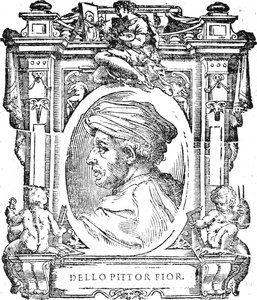
dello di niccolò delli
1403 - 1466 , Italy
Quick Facts
- Artistic Movement Or Style: Sienese School, Gothic
- Artists Or Movements Influenced By This Artist: ['El Greco (comparative)']
- Artists Who Influenced This Artist:
- Gentile da Fabriano
- Taddeo di Bartolo
- Martino di Bartolomeo
- Date Of Birth: c. 1403
- Date Of Death: 1482
- Full Name: Giovanni di Paolo di Grazia
- Nationality: Italian
- Notable Artworks:
- Miracle of St. Nicholas
- Last Judgment (Heaven)
- Assumption
- Place Of Birth: Siena, Italy