 Preview
 Send
Send Share
Share
 Details

 Download
 Similars
 X-Ray
X-Ray Diaporama
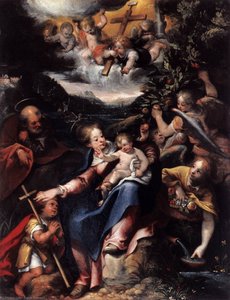
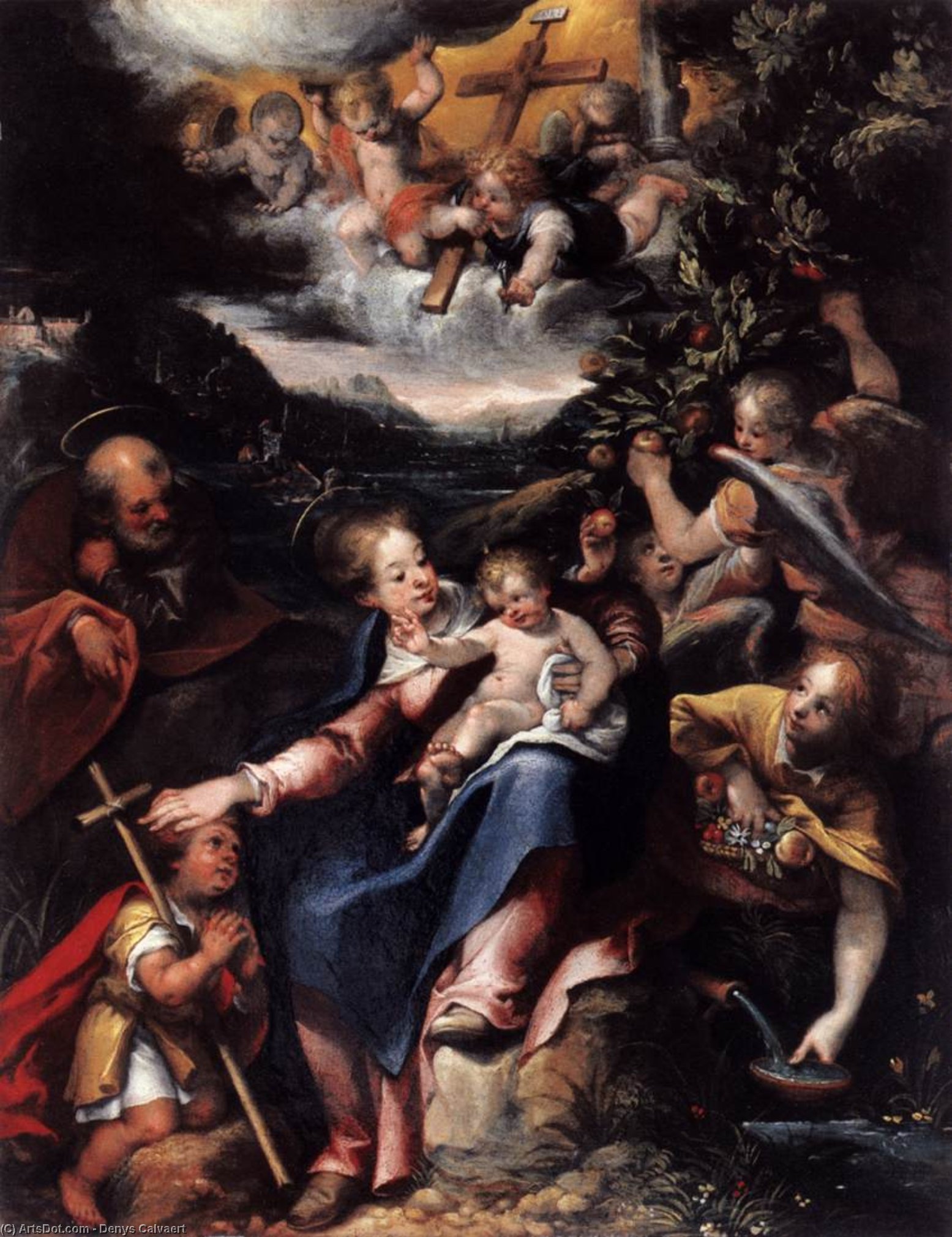
The Holy Family with the Infant St John the Baptist in a Landscape
 Oil On Canvas
- WallArt
- Baroque
 1590
1590 42.0 x 32.0 cm
 National Gallery of Scotland
 Read More
Hand Made Oil Reproduction
Hand-painted oil on canvas in your size and frame, made to order by our artists. ( Buy Print Buy Image)




P118B $10

P118H $10

P118W $10

P438Z $10

P508JH $12

P508YH $12

P805H $10

P805Z $10

P919BZ $10

P919G $10

P919XJ $10

P959ZH $10

P968JZ $12

W106C $8

W218G $10

W218JH $8

W218Y $10

W307PJ $10

W316G $10

W316PJ $8

W316Y $10

W398PJ $8

W4111J $10

W500HY $15

W500JH $15

W692G $12

W849H $8

W940BG $15

W953PJ $8




Pick from our preset sizes that match the artwork's original proportions.

You may enter your own dimensions to fit a specific frame or space. If your selected size does not match the original image's proportions, we will either crop the artwork or extend the painting with additional hand-painted elements. A digital mockup will be sent for your approval before production begins.
Please note that the on-screen preview does not reflect the actual cropping or extension. Only the mockup will accurately show the final composition.
While custom sizes are available, we recommend selecting a dimension from the predefined list to preserve the original proportions.
After order, ArtsDot.com team will email client for instructions and provide a mockup preview
Worldwide Delivery () in 3/4 weeks instead of standard 5 weeks. (16 August). No compromise on quality.

Free Worldwide Express Shipping

High-Quality Linen Canvas

Full Shipping Insurance

Customs Tax Refund Guarantee

True Color Matching Guarantee

60-Day Return Policy (Defects Only)

100% Money-Back Guarantee

Bulk Discount Offer
 Glass option is only available in size under 110 CM

The Holy Family with the Infant St John the Baptist in a Landscape
Reproduction Medium
Reproduction Size
-


Total Price
$ 413
Artwork Description
A Vision of Faith and Majesty: Exploring Denys Calvaert’s “The Holy Family with the Infant St John the Baptist in a Landscape”
The Baroque masterpiece, “The Holy Family with the Infant St John the Baptist in a Landscape,” attributed to the elusive Master of the 1540s, stands as a testament to Antwerp’s artistic fervor during its golden age. Painted circa 1590, this oil on canvas depicts an iconic biblical scene—Mary cradling Jesus and Joseph—set against a dramatic mountainous backdrop imbued with celestial symbolism. More than just a portrait of familial piety, the painting embodies the spirit of the Baroque era: grandeur, emotion, and a masterful manipulation of light and color to convey profound spiritual meaning.Style and Technique – Embracing Dramatic Expression
Calvaert’s approach aligns perfectly with the stylistic conventions of his time. Departing from Mannerist austerity, he champions a refined realism tempered by expressive dynamism. Unlike many contemporaries who prioritized stylized forms and exaggerated poses, Calvaert strives for an understated elegance that captures the inner life of his subjects. The artist skillfully employs chiaroscuro – dramatic contrasts between light and shadow – to sculpt figures and illuminate the landscape, creating a palpable sense of depth and enhancing the emotional impact of the scene. Layers of oil paint build up texture, mirroring the folds of drapery and the rugged contours of the mountains, demonstrating meticulous attention to detail and conveying an immersive experience for the viewer.Historical Context – Antwerp’s Artistic Renaissance
Antwerp flourished as a center of artistic innovation in the late 16th century, attracting talent from across Europe. Calvaert's work reflects this vibrant cultural landscape, aligning with the broader Baroque movement’s preoccupation with religious themes and its desire to inspire awe and devotion. The painting emerged during a period marked by papal patronage and fervent Catholic piety—a time when artists sought to communicate spiritual truths through visual splendor. Its placement within the architectural grandeur of Bologna and Rome underscores Calvaert's ambition to engage with the artistic dialogues shaping European culture.Symbolism – Celestial Grace and Divine Intervention
The landscape itself serves as a powerful symbol, representing the earthly realm viewed through the lens of divine grace. The towering mountains evoke majesty and permanence, mirroring God’s eternal reign. Crosses scattered across the sky signify Christ’s sacrifice—a central element of Christian faith—while angelic figures embody spiritual guidance and protection. Mary's serene posture embodies maternal compassion and humility, reflecting the Virgin Mary’s role as exemplar of piety and devotion. The infant St John the Baptist, positioned prominently in Mary’s arms, symbolizes innocence and foreshadows Christ’s divine mission.Emotional Impact – A Moment Frozen in Time
“The Holy Family” transcends mere depiction; it aspires to evoke emotion. Calvaert's masterful use of light and shadow creates a palpable sense of drama, drawing the viewer into the scene’s contemplative atmosphere. The pyramidal composition directs attention towards Mary and Jesus, emphasizing their centrality within the narrative and conveying a feeling of stability amidst turbulent emotions. Ultimately, this artwork invites contemplation on themes of faith, family, and divine providence—a timeless message rendered with breathtaking artistry that continues to resonate with audiences today.Related Artworks
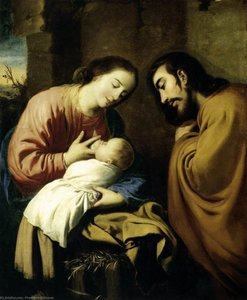
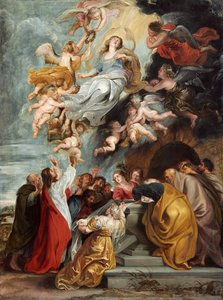
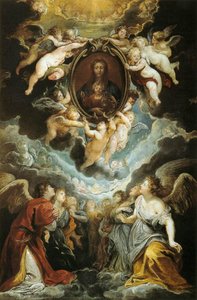
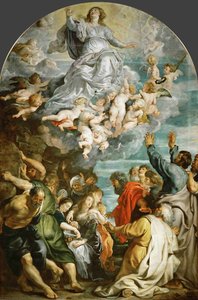
Artist Biography
The Enigmatic Master of the 1540s: A Portraitist of Antwerp
The years between 1541 and 1551 witnessed a fascinating, albeit shadowy, period in Netherlandish art. Emerging from the vibrant artistic landscape of Antwerp during this time was an artist known only as “The Master of the 1540s.” This designation, initially coined by art historian Friedländer, reflects his prolific output of approximately thirty portraits—a remarkable number for a painter whose true identity remains largely elusive. While we lack definitive biographical details, examining his work and its context offers compelling insights into a talented artist operating within a dynamic artistic milieu.
The Master’s style is characterized by a refined elegance and a subtle realism that distinguishes him from the more flamboyant Mannerist painters of the era. His portraits are not overtly dramatic; instead, they possess a quiet dignity and an intimate quality, capturing the essence of his subjects with remarkable sensitivity. He skillfully employed oil paint on panel, favoring a muted palette—earthy browns, deep greens, and subtle blues—that lends his paintings a sense of depth and atmosphere. A key element of his technique is the use of *sfumato*, a delicate blurring of outlines that softens features and creates an almost dreamlike quality, particularly evident in the rendering of eyes and hands.
The Master’s clientele appears to have been more modest than that served by figures like Antonis Mor or Willem Key, prominent portraitists of the time. However, this doesn't diminish the quality of his work; rather, it suggests a focus on capturing the likenesses of individuals within the city’s merchant and civic elite. The identity of one of his sitters, Gillis van Schoonbeke, guardian of the Antwerp hospital, provides a tangible link to his active period in the city.
A Portraitist Within a Network
The Master's activity coincided with a flourishing artistic scene in Antwerp, a major center for trade and culture. This vibrant environment fostered an exchange of ideas and techniques among artists, creating a rich tapestry of influences. While he didn’t directly collaborate with the most celebrated figures of the period – such as Michelangelo or Titian – his work demonstrates a clear awareness of contemporary trends. The influence of Italian Renaissance portraiture is evident in his careful attention to detail, balanced compositions, and use of light and shadow. However, he retains a distinctly Northern European sensibility, characterized by a greater emphasis on psychological depth and a more restrained approach to color.
Interestingly, the Master’s style shares similarities with that of other anonymous portraitists active during this period, suggesting a possible workshop or school of painting. The consistent quality and stylistic features of his portraits point towards a cohesive artistic practice rather than the work of a single individual. The “Master of the 1540s” may therefore represent a collective of artists working under a shared aesthetic vision.
Notable Works and Characteristics
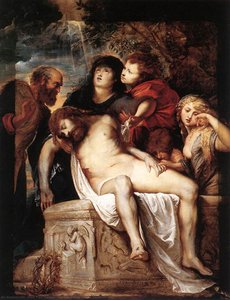
Among the Master’s surviving works, several stand out for their technical skill and artistic merit. The portrait of Gillis van Schoonbeke, guardian of the Antwerp hospital, is particularly noteworthy for its intimate portrayal of the sitter and its subtle use of *sfumato*. The “Sacrifice of Isaac” exemplifies his ability to convey a sense of drama and emotion through carefully rendered figures and atmospheric lighting. His "Deposition of Christ" showcases an impressive understanding of anatomy and perspective.
A recurring motif in the Master’s portraits is the inclusion of symbolic objects – such as books, gloves, or rings – that provide clues to the sitter's social status and profession. These details add layers of meaning to the portraits, transforming them from simple likenesses into complex visual narratives. The careful observation of clothing and accessories demonstrates a keen eye for detail and an understanding of contemporary fashion.
Historical Significance and Legacy
Despite the lack of definitive biographical information, “The Master of the 1540s” remains a significant figure in Netherlandish art history. His portraits offer valuable insights into the artistic tastes and social dynamics of Antwerp during a pivotal period of transition between the Renaissance and Mannerism. His work exemplifies the quiet elegance and psychological depth that characterized Northern European portraiture, contributing to a rich tradition of intimate and nuanced depictions of individuals.
The enduring appeal of his portraits lies in their ability to connect with viewers on an emotional level. They are not merely representations of faces; they are windows into the lives and personalities of those who commissioned them. The anonymity of the artist only adds to the mystery, prompting us to contemplate the identity of the subjects and the circumstances surrounding their creation. The Master of the 1540s continues to fascinate art historians and enthusiasts alike, reminding us that sometimes, the most compelling stories are those shrouded in ambiguity.
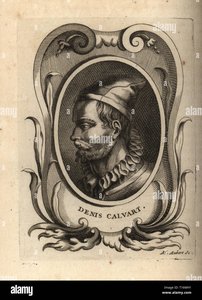
denys calvaert
1540 - 1619 , Belgium
Quick Facts
- Artistic Movement Or Style: Early Mannerism
- Artists Or Movements Influenced By This Artist: ["Francesco de' Rossi"]
- Artists Who Influenced This Artist:
- Michelangelo
- Antonis Mor
- Date Of Death: 1551
- Full Name: Master of the 1540s
- Nationality: South Netherlandish
- Notable Artworks:
- The Sacrifice of Isaac
- Deposition of Christ
- Portrait of Benedetto Varchi
- Place Of Birth: Antwerp, Netherlands
Related Articles

Oil on Canvas: A Historical & Technical Exploration of a Timeless Artistic Medium
Explore the rich history & enduring techniques of oil painting on canvas. Discover the science behind its longevity, conservation practices, and contemporary relevance. Expert insights for art enthusiasts.

Baroque Drama: Bringing Opulence & Emotion into Contemporary Interiors
Explore the opulent world of Baroque interior design! Discover key elements, modern applications & how to bring dramatic elegance into your home with 's authentic reproductions.

The Dramatic Flourish: Exploring the Baroque Movement's Enduring Legacy in Art History
Explore the dramatic world of Baroque art! Discover iconic artists like Caravaggio & Rubens, defining techniques, and its lasting impact on art history. Expert insights for collectors & enthusiasts at ArtsDot.

Baroque Masterpieces: 10 Paintings That Defined an Era |
Journey through the drama & grandeur of Baroque art! Explore 10 masterpieces by Caravaggio, Rembrandt, Rubens & more. Discover stunning oil paintings, rich colors & timeless stories. Find museum-quality reproductions at .

The Enduring Power of Painting: A Historical & Contemporary Exploration of Form and Emotion
Explore the rich history & enduring techniques of oil painting with ArtsDot. Discover masterpieces, learn about art collecting, and find authentic handmade reproductions crafted by skilled artists.