 Preview
 Send
Send Share
Share
 Details

 Download
 Similars
 X-Ray
X-Ray Diaporama
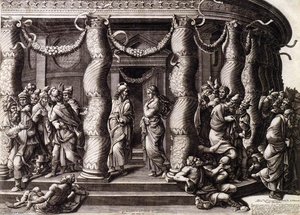
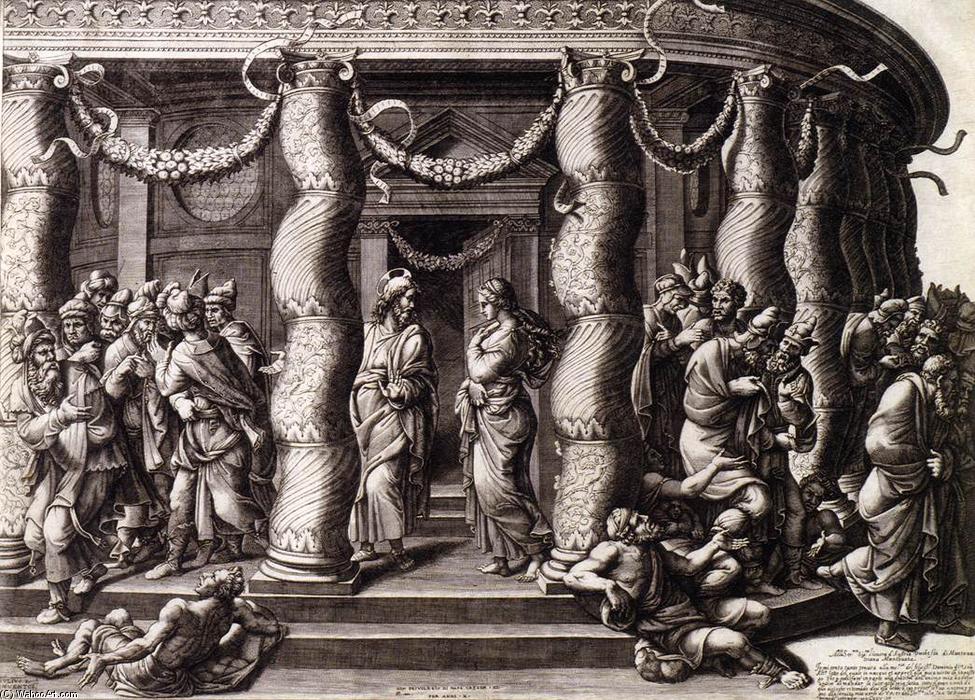
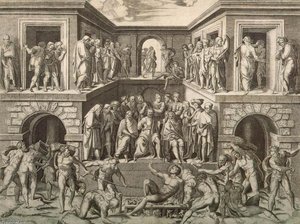
Christ and the Woman Taken in Adultery
 1575
1575 406.0 x 585.0 cm
 National Museum of Women in the Arts
 Read More
Giclée / Art Print
Museum-quality giclée or canvas print with fast production and flexible finish options. ( Buy Hand Made Painting Buy Image)




































Pick from our preset sizes that match the artwork's original proportions.

You may enter your own dimensions to fit a specific frame or space. If your selected size does not match the original image's proportions, we will either crop the artwork or extend the image with a mirrored or solid-fill edge. A digital mockup will be sent for your approval before production begins.
Please note that the on-screen preview does not reflect the actual cropping or extension. Only the mockup will accurately show the final composition.
While custom sizes are available, we recommend selecting a dimension from the predefined list to preserve the original proportions.
Worldwide Delivery () in 2 weeks instead of standard 4/5 weeks. (7 September)

Free Worldwide Express Shipping

High-Quality Linen Canvas

Full Shipping Insurance

Customs Tax Refund Guarantee

True Color Matching Guarantee

100-Day Return Policy (Defects Only)

100% Money-Back Guarantee

Bulk Discount Offer
 Glass option is only available in size under 110 CM

Christ and the Woman Taken in Adultery
Giclée / Art Print
Reproduction Size
-


Total Price
$ 63
Related Artworks





Artist Biography
Diana Scultori: A Pioneering Renaissance Engraver
Early Life and Family Background
- Born: Approximately 1547 in Mantua, Italy.
- Family of Artists: Diana Scultori came from a family deeply rooted in the artistic world. Her father, Giovanni Battista Scultori (also known as Mantovano), was a respected sculptor and engraver who worked alongside Giulio Romano at the Palazzo del Tè.
- Training: She received her initial training in engraving from her father, an uncommon practice for women during the Renaissance. This early exposure laid the foundation for her future career.
Artistic Development and Influences
- Early Influences: Beyond her father, Diana was significantly influenced by Giulio Romano, whose style and subject matter would later appear in her engravings.
- Style & Technique: Scultori primarily worked as a reproductive engraver, meaning she created prints based on existing paintings, drawings, and sculptures. Her skill lay in accurately translating these works into the engraving medium.
- Vasari’s Recognition: She gained early recognition when Giorgio Vasari mentioned her talent in the second edition of his *Lives of the Artists* (1568), a significant acknowledgment for a female artist of that era.
Life in Rome and Marriage to Francesco da Volterra
- Move to Rome: In 1575, Diana married the architect Francesco da Volterra (also known as Capriani) and moved with him to Rome.
- Business Acumen: Once in Rome, she skillfully used her understanding of the art world to promote her husband’s career. She actively sought opportunities for him and leveraged her own artistic talents to support his endeavors.
- Papal Privilege: A pivotal moment was receiving a Papal Privilege on June 5, 1575. This rare authorization allowed her to legally produce and sell her engravings independently, protecting her work from unauthorized reproduction – an unusual step for a woman at the time.
Major Achievements and Artistic Output
- Engraving Focus: Diana’s engravings often featured religious and mythological subjects, frequently based on works by Raphael, Giulio Romano, and ancient Roman sculptures.
- Architectural Prints: She created a series of prints detailing architectural elements – column capitals, volutes, moldings – likely intended for architects and students. These demonstrate her keen eye for detail and understanding of design principles.
- Signature & Dating: Diana consistently signed and dated her work, emphasizing her authorship and establishing a clear record of her artistic production.
- Last Known Print: Her last known print dates to 1588, suggesting she may have shifted focus after this point, potentially dedicating more time to supporting her husband’s career or managing family affairs.
Historical Significance and Legacy
- Pioneering Female Artist: Diana Scultori stands as one of the earliest documented female printmakers, breaking barriers in a male-dominated field.
- Renaissance Context: Her career reflects the changing social landscape of the Renaissance, where women were gaining limited but increasing opportunities to pursue artistic endeavors.
- Business Savvy: She was not only a talented artist but also a shrewd businesswoman who understood how to navigate the art market and protect her interests.
- Lasting Impact: Diana Scultori’s work provides valuable insight into Renaissance artistic practices, printmaking techniques, and the lives of women artists during this period.
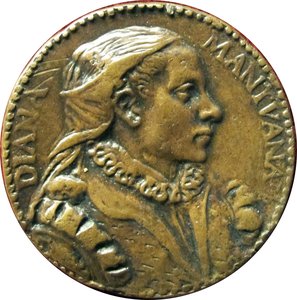
diana scultori ghisi
1547 - 1612 , Italy
Quick Facts
- Birth Date: 1547
- Birth Place: Mantua, Italy
- Death Date: 1612
- Influenced By:
- Giovanni Battista Scultori
- Giulio Romano
- Movement: Renaissance
- Name: Diana Scultori
- Nationality: Italian
- Notable Works:
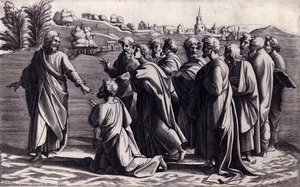
- Christ Making Peter Head of the Church
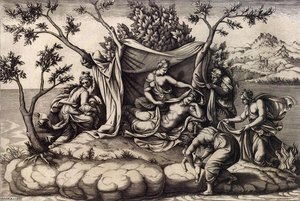
- Leto Giving Birth to Apollo and Diana on the Island of Delos
- Christ and the Woman Taken in Adultery