 Preview
 Send
Send Share
Share
 Details

 Download
 Similars
 X-Ray
X-Ray Diaporama
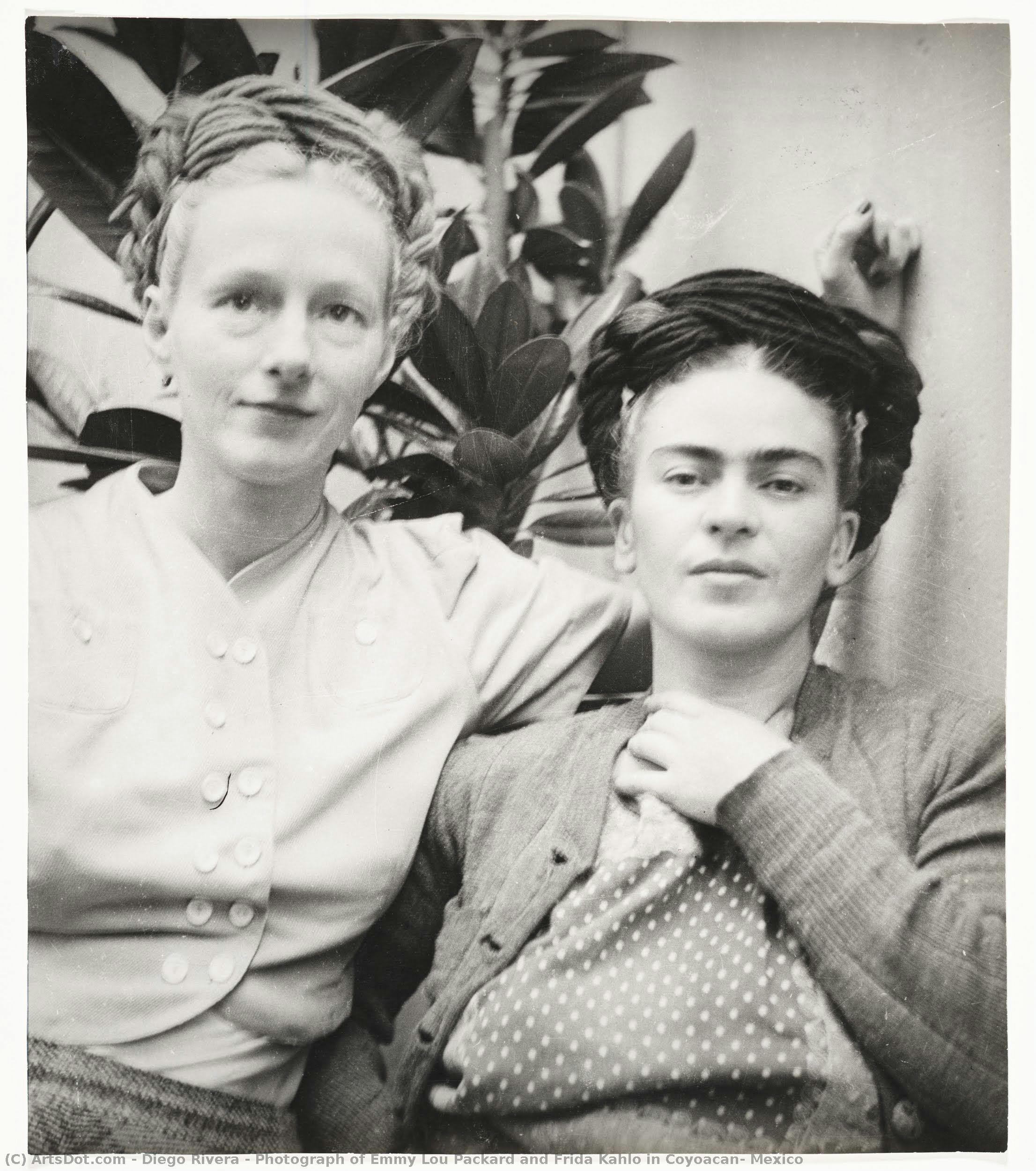
Photograph of Emmy Lou Packard and Frida Kahlo in Coyoacan, Mexico
 Acrylic On Canvas
- WallArt
 1941
1941 35.0 x 31.0 cm
 Archives of American Art
 Read More
Giclée / Art Print
Museum-quality giclée or canvas print with fast production and flexible finish options. ( Buy Hand Made Painting Buy Image)




P118B $10

P118H $10

P118W $10

P438Z $10

P508JH $12

P508YH $12

P805H $10

P805Z $10

P919BZ $10

P919G $10

P919XJ $10

P959ZH $10

P968JZ $12

W106C $8

W218G $10

W218JH $8

W218Y $10

W307PJ $10

W316G $10

W316PJ $8

W316Y $10

W398PJ $8

W4111J $10

W500HY $15

W500JH $15

W692G $12

W849H $8

W940BG $15

W953PJ $8




Pick from our preset sizes that match the artwork's original proportions.

You may enter your own dimensions to fit a specific frame or space. If your selected size does not match the original image's proportions, we will either crop the artwork or extend the image with a mirrored or solid-fill edge. A digital mockup will be sent for your approval before production begins.
Please note that the on-screen preview does not reflect the actual cropping or extension. Only the mockup will accurately show the final composition.
While custom sizes are available, we recommend selecting a dimension from the predefined list to preserve the original proportions.
Worldwide Delivery () in 2 weeks instead of standard 4/5 weeks. (29 August)

Free Worldwide Express Shipping

High-Quality Linen Canvas

Full Shipping Insurance

Customs Tax Refund Guarantee

True Color Matching Guarantee

60-Day Return Policy (Defects Only)

100% Money-Back Guarantee

Bulk Discount Offer
 Glass option is only available in size under 110 CM

Photograph of Emmy Lou Packard and Frida Kahlo in Coyoacan, Mexico
Giclée / Art Print
Reproduction Size
-


Total Price
$ 63
A Moment Frozen: The Intimate Portrait of Packard and Kahlo
Diego Rivera’s photograph, “Photograph of Emmy Lou Packard and Frida Kahlo in Coyoacan, Mexico,” isn't merely a snapshot; it’s a carefully constructed tableau brimming with unspoken narratives. Captured in 1941 during Rivera’s time in Coyoacán, the heart of Mexico’s artistic community, this image transcends its documentary origins to become a poignant meditation on friendship, mentorship, and the vibrant spirit of revolutionary art. The scene unfolds within a sun-drenched courtyard, a space both familiar and subtly charged with significance – a place where two titans of 20th-century art found themselves sharing a quiet moment.
Rivera’s masterful composition immediately draws the eye to the central figures: Emmy Lou Packard, dressed in a bold polka dot dress that clashes playfully with Frida Kahlo's elaborate turban and dark attire. Both women are radiating an effortless warmth, their smiles genuine and inviting. The inclusion of potted plants – vibrant geraniums and trailing vines – adds a touch of domesticity and natural beauty to the scene, grounding the portrait within the everyday rhythms of life in Coyoacán. The photograph’s black-and-white palette amplifies the emotional resonance, stripping away superficial details to focus on the essential elements of human connection.
The Artists' Circle: Context and Collaboration
Understanding this image requires recognizing the complex relationships within Rivera’s circle. Emmy Lou Packard was a pivotal figure, serving as Diego Rivera’s studio assistant and confidante during his time in Mexico. She wasn’t simply an observer; she actively participated in the artistic process, offering insights and support to both Rivera and Kahlo. Frida Kahlo, known for her intensely personal and often harrowing self-portraits, deeply valued Packard's friendship and sought her counsel. The photograph captures a rare moment of shared intimacy between these two extraordinary women – a testament to their mutual respect and creative synergy.
Rivera’s decision to document this encounter speaks volumes about his artistic philosophy. He was fascinated by the interplay of personalities within his studio, recognizing that collaboration could spark innovation and enrich the creative process. Packard's presence in the photograph is not incidental; she represents a vital element of Rivera’s artistic ecosystem – a woman of quiet strength and unwavering dedication who played an indispensable role in shaping some of the most iconic works of the 20th century.
Symbolism and Emotional Resonance
The image resonates with layers of symbolism. The polka dot dress, a bold statement against Frida’s more subdued attire, suggests Packard's independent spirit and her refusal to conform to conventional expectations. The turban worn by Kahlo is often interpreted as a symbol of strength and resilience – a visual representation of the pain and suffering she endured throughout her life. The shared smiles convey a sense of mutual understanding and support, hinting at a deep bond forged through shared experiences and artistic passions.
Beyond its specific details, the photograph evokes a powerful emotional response. It’s a reminder that art is not simply about technical skill; it's also about human connection – about capturing fleeting moments of intimacy and vulnerability. The image invites us to contemplate the lives of these two remarkable women, their struggles, their triumphs, and their enduring legacy.
A Legacy in Reproduction: Bringing Packard and Kahlo Together
Reproductions of this photograph offer a unique opportunity to bring together two of the 20th century’s most influential artists. The image's inherent warmth and intimacy make it ideal for framing and displaying in homes, studios, or galleries. Its timeless appeal ensures that it will continue to captivate viewers for generations to come. Consider this photograph not just as a historical document, but as a portal into the creative world of Rivera’s studio – a space where art, friendship, and revolution converged.
Related Artworks
Artist Biography
Early Life and Artistic Awakening
Diego Rivera, born Diego María de la Concepción Juan Nepomuceno Estanislao de la Rivera y Barrientos Acosta y Rodríguez in Guanajuato, Mexico, on December 8, 1886, entered a world already imbued with artistic sensibility. From the tender age of three, an undeniable fascination with art blossomed within him, nurtured by parents who recognized and encouraged his burgeoning talent. His early years were marked by a formal education at the Academy of San Carlos in Mexico City, where he diligently honed his skills in traditional painting and sculpture. A pivotal moment arrived in 1907 when Teodoro A. dehesa Méndez generously sponsored Rivera’s studies abroad, launching him into the heart of Europe's artistic ferment.
His initial sojourn took him to Madrid, Spain, where he studied under Eduardo Chicharro, absorbing the tenets of Realism. However, it was Paris that truly ignited his creative evolution. Immersed in the vibrant Montparnasse community, Rivera encountered a kaleidoscope of artistic perspectives, most notably the revolutionary principles of Cubism after 1912. The influence of Pablo Picasso and Georges Seurat became palpable in his work, as he began to deconstruct forms and explore intersecting planes—a departure from traditional representation that would define a significant phase of his artistic journey.
The Return to Mexico and the Mural Renaissance
A profound shift occurred in 1921 when Rivera returned to his homeland, a nation grappling with the aftermath of revolution. This homecoming wasn’t merely a geographical relocation; it was an ideological awakening. He became a central figure in the burgeoning Mexican Mural Movement, a powerful artistic response to the social and political upheaval of the time. The movement aimed to democratize art, bringing it out of elite circles and into public spaces accessible to all citizens.
Rivera’s murals weren't simply decorative; they were potent narratives of Mexican history, culture, and societal struggles. His early masterpieces, such as “Creation” (1922), showcased his innovative use of encaustic technique, while the monumental works at the Secretaría de Educación Pública in Mexico City revealed a distinctive style characterized by large, simplified figures and bold colors—a deliberate homage to Aztec art and pre-Columbian aesthetics. These murals weren’t just paintings; they were visual manifestos, proclaiming a new national identity forged from its indigenous roots and revolutionary spirit.
A Style Forged in Social Consciousness
Diego Rivera's artistic style is instantly recognizable—a monumental scale that commands attention, simplified forms that convey powerful messages, vibrant colors that evoke the richness of Mexican culture, and an unwavering focus on social and historical narratives. His work wasn’t confined to aesthetic concerns; it was deeply intertwined with his political beliefs, particularly his Marxist convictions.
The “Dreams of a Sunday in the Alameda” is perhaps one of his most iconic works, though also controversial for its depiction of atheism. The Detroit Industry Murals (1933), commissioned for the Detroit Institute of Arts, stand as a testament to his ability to capture the dynamism and complexity of industrial life, portraying both the power of machinery and the dignity of the workers who operated it. He seamlessly blended elements of Mexican folk art with pre-Columbian imagery, creating a visual language that was uniquely his own—a powerful synthesis of tradition and modernity.
Legacy and Enduring Influence
Diego Rivera’s impact on 20th-century art is immeasurable. He isn't merely remembered as one of Mexico’s most important artists, but as a global icon whose work continues to resonate with audiences today. His murals are not just artistic achievements; they are significant examples of social realism and public art—powerful statements about the human condition and the struggle for social justice.
He played a pivotal role in establishing Mexican Muralism as an influential artistic movement, inspiring generations of artists to use their work as a vehicle for social commentary. His personal life, particularly his passionate and often tumultuous relationship with Frida Kahlo, has further cemented his place in popular culture, adding another layer of intrigue to his already captivating legacy.
Rivera’s commitment to portraying the lives and struggles of ordinary people, combined with his innovative artistic techniques, ensures that his work will continue to inspire and provoke thought for generations to come. He left behind a body of work that is not only visually stunning but also deeply meaningful—a testament to the power of art to shape our understanding of history, culture, and ourselves.
Notable Works
- Creation (1922): His first significant mural, utilizing the encaustic technique.
- Dreams of a Sunday in the Alameda: A controversial piece known for its depiction of atheism and historical figures.
- Secretaría de Educación Pública Murals: Showcasing his unique style with large, simplified forms and vibrant colors influenced by Aztec art.
- Detroit Industry Murals (1933): Commissioned for the Detroit Institute of Arts, depicting industrial processes and workers.
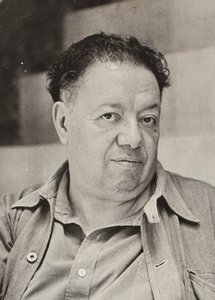
Diego Rivera
1886 - 1957 , Mexico
Quick Facts
- Artistic Movement Or Style: Mexican Muralism, Cubism
- Artists Or Movements Influenced By This Artist: ['Mexican Muralism']
- Artists Who Influenced This Artist:
- Pablo Picasso
- Georges Seurat
- Date Of Birth: December 8, 1886
- Date Of Death: November 24, 1957
- Full Name: Diego Rivera
- Nationality: Mexican
- Notable Artworks:
- Creation
- Detroit Industry Murals
- Dreams of a Sunday in Alameda
- Place Of Birth: Guanajuato, Mexico
Related Articles
Frida Kahlo: A Life Painted – Surrealism, Identity & Autobiographical Narrative
Explore the life & art of Frida Kahlo – a journey through surrealism, identity, pain, and resilience. Discover her autobiographical masterpieces & lasting feminist legacy with ArtsDot.
Diego Rivera: A Revolutionary Vision of Mexican Identity Through Muralism
Explore the revolutionary murals of Diego Rivera and his profound impact on Mexican art & identity. Discover his techniques, iconic works like 'Man at the Crossroads,' and lasting legacy with ArtsDot.
Revolution on Canvas: Exploring the Socio-Political Power & Artistic Legacy of Mexican Muralism
Explore the powerful world of Mexican muralism! Discover Diego Rivera, Frida Kahlo & Orozco's revolutionary art, social impact & lasting legacy. Expert insights & high-quality reproductions at ArtsDot.
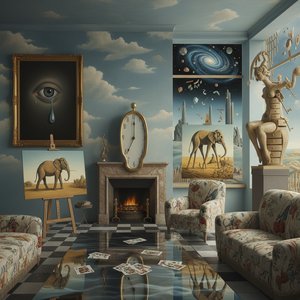
Surrealism's Greatest Hits: 10 Masterpieces for Your Home |
Journey into the dreamlike world of Surrealism! Explore 10 masterpieces by Dali, Magritte & Miró. Discover the stories behind these iconic paintings and find museum-quality art reproductions for your home at .
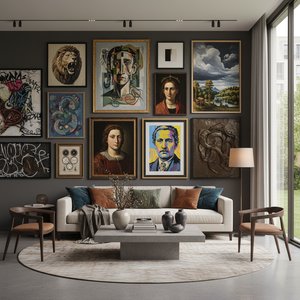
Dramatic Masterpieces: 10 Artworks for a Powerful Home Decor Statement |
Explore 10 dramatic artworks by masters like Caravaggio, Van Gogh & Munch. Uncover the stories behind these powerful paintings and find museum-quality reproductions to transform your home decor. Discover all masterpieces on .