
A Sanctuary of American Vision: Delving into the Archives of American Art
For those who seek to understand the very soul of American art—its evolution, its passions, its quiet revolutions—the Archives of American Art stands as an unparalleled resource. More than just a repository, it is a living chronicle, holding over 20 million letters, diaries, sketches, photographs, and oral histories that whisper the stories behind iconic works and forgotten masters. Founded in 1954 by Edgar Preston Richardson and Lawrence A. Fleischman, born from a concern for preserving the ephemeral records of American creativity, the Archives has grown into the world’s most comprehensive collection dedicated to the visual arts of the United States.
The journey begins not with finished canvases but with the raw materials of creation—the artist's hand-written notes detailing struggles with form and color, correspondence revealing influences and ambitions, and business records that illuminate the often-turbulent art market. Within its walls, one encounters the intimate worlds of Jackson Pollock and Lee Krasner, tracing their artistic development through personal letters and early sketches. The collection extends far beyond these celebrated names, encompassing the papers of Marcel Breuer, Rockwell Kent, John Singer Sargent, Winslow Homer, and Alexander Calder—a testament to the breadth and diversity of American artistic expression. It’s a place where you can follow the intellectual currents that shaped movements, understand the social contexts in which art flourished, and discover the hidden connections between artists.
From Detroit Roots to Smithsonian Legacy
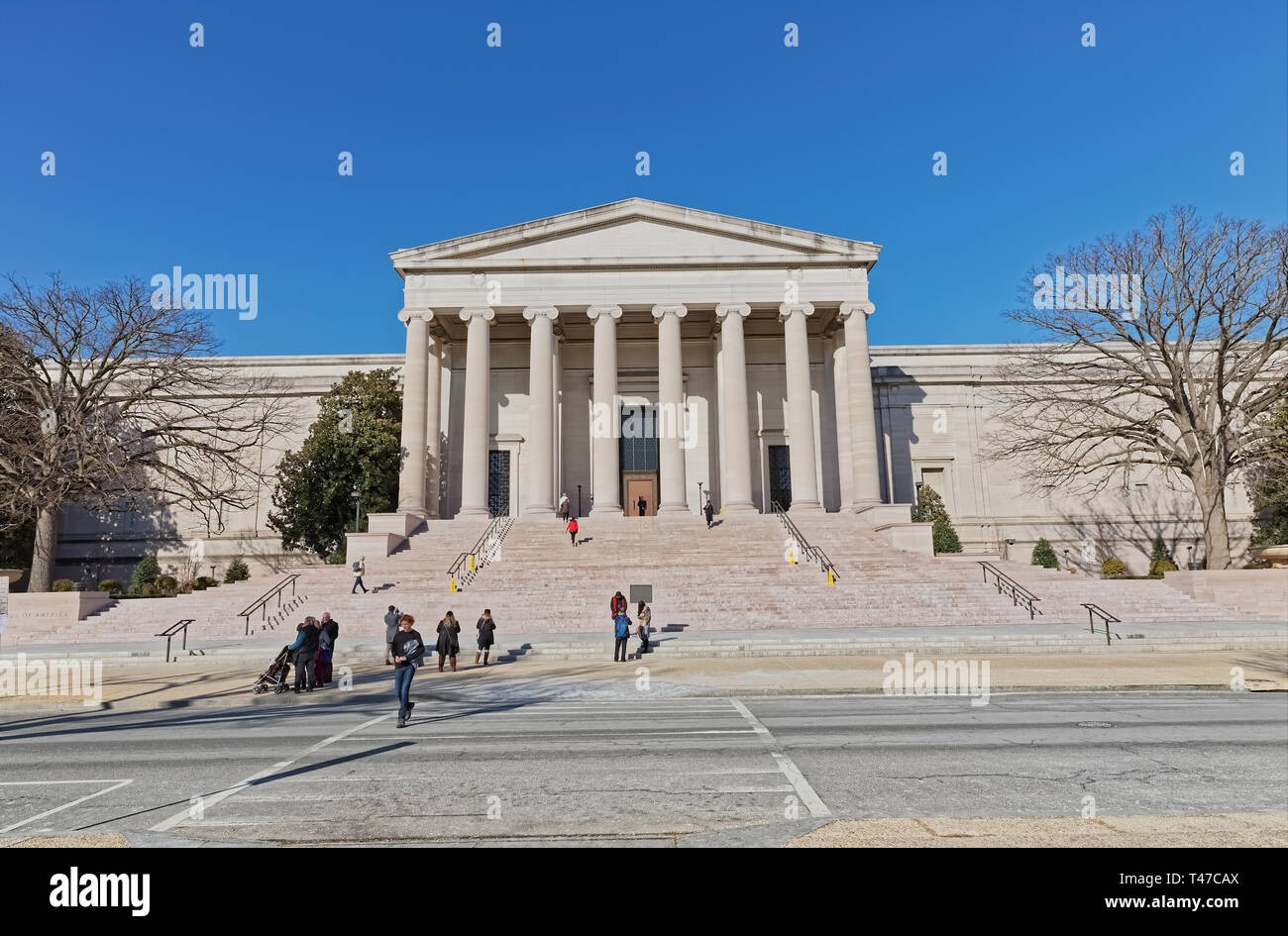
The Archives' story is one of foresight and dedication. Beginning in Detroit, fueled by the passion of Richardson and Fleischman, it quickly became a vital hub for scholars seeking primary source material. In 1970, a pivotal moment arrived with its integration into the Smithsonian Institution, relocating to Washington D.C., and solidifying its position as a national treasure. Today, while headquartered in the Victor Building near the Old Patent Office Building, the Archives maintains an active network of affiliated research centers across the country—the DeYoung Museum in San Francisco, the Boston Public Library, and the Amon Carter Museum among them—ensuring accessibility to researchers nationwide.
Beyond the Canvas: A Focus on Primary Sources
What truly sets the Archives apart is its unwavering commitment to primary sources. Unlike museums focused solely on displaying finished artworks, the AAA delves into the *process* of artmaking. Imagine holding a sketchbook filled with John Trumbull’s preliminary studies for his historical paintings, or reading correspondence that reveals the challenges faced by artists navigating a rapidly changing society. This focus allows for a deeper, more nuanced understanding of American art history—one built not on interpretation alone, but on direct engagement with the voices and visions of those who created it. The collection also boasts an impressive 2,000+ oral histories, capturing firsthand accounts from pivotal figures in the art world.
Engaging with History: Digitization & Accessibility
The Archives isn’t simply preserving the past; it's actively making it accessible to a wider audience. Through ambitious digitization programs—supported by grants like those from the Terra Foundation for American Art—a substantial cross-section of its collections is now available online. This commitment extends to innovative projects like the Smithsonian Transcription Center, inviting volunteers to help unlock the wealth of information contained within historical documents. Furthermore, the Archives actively engages with social media platforms like Instagram (@archivesamerart), offering glimpses into its holdings and fostering a vibrant community of art enthusiasts. Whether you’re a seasoned scholar or simply curious about American art, the Archives of American Art offers a unique opportunity to connect with the stories that have shaped our visual landscape.