

 Preview
 Send
Send Share
Share
 Details

 Download
 Similars
 X-Ray
X-Ray Diaporama
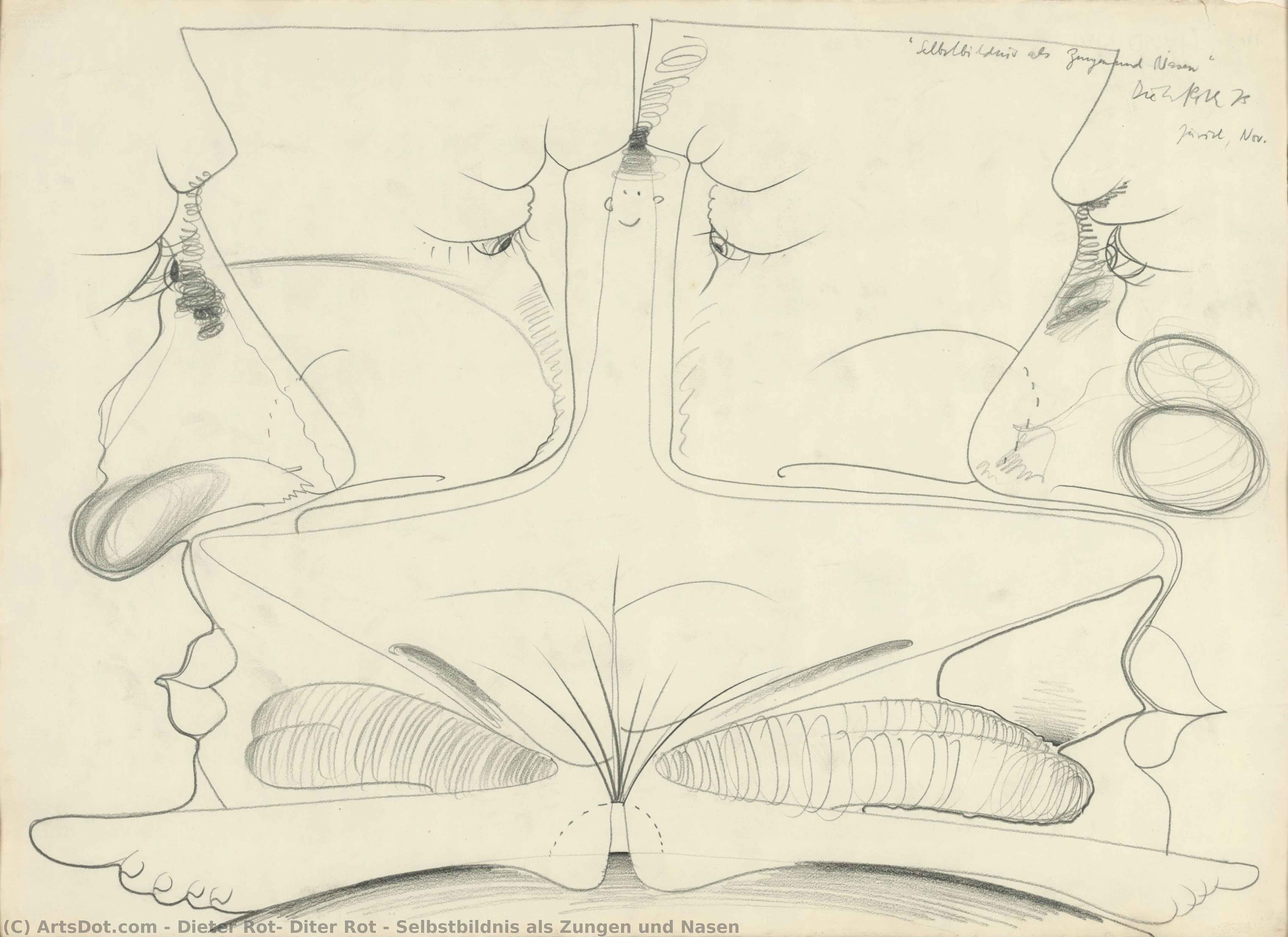
Selbstbildnis als Zungen und Nasen
 Pencil
- Fluxus
 1973
1973- Contemporary
 58.0 x 78.0 cm
 Serralves Foundation
 Read More
Purchase a high-resolution, enhanced digital image, far superior to the online preview.
Each file is meticulously prepared by our in-house specialists using advanced tools and expert manual retouching. We ensure every image has exceptional clarity, precise color accuracy, and fine detail.
The final file is delivered via email within 72 hours, optimized for immediate use in professional, editorial, and print environments. This is the same quality trusted by top-tier design studios, publishers, and galleries.
Digital Image
Download a high-resolution file for personal display, printing, and creative projects. ( Buy Print Buy Hand Made Painting)
Included in Every Digital Image Order
Expert Digital Delivery, Guaranteed
When you choose ArtsDot.com, you're not just getting an image - you're receiving a professionally enhanced digital artwork, crafted with precision and backed by a satisfaction guarantee. Here's everything that comes with your order, automatically:

Fast Email Delivery
Your high-resolution digital image file will be emailed to you within 72 hours of ordering - ready for immediate use.

AI-Enhanced Digital File
Your artwork is professionally optimized using advanced AI tools and manual editing, ensuring maximum detail, clarity, and color accuracy.

Free Lifetime Re-Delivery
Accidentally deleted or lost your file? No worries - we'll resend it to you anytime, free of charge.

No Import Fees - Ever
Enjoy your artwork instantly with zero customs, duties, or delivery fees - digital downloads are always tax-free.

Color Accuracy Guarantee
We ensure your digital image reflects the original colors as closely as possible using professional tools and color management.

60-Day Satisfaction Guarantee
If you're not satisfied with your digital image, we'll revise it or refund 100% within 60 days - no questions asked.

100% Money-Back Guarantee
Not satisfied? Get a full refund within 60 days of receiving your digital file - no questions asked.

Bulk Order Discounts
Buy 3 images, save 10% - Buy 5, save 15% - Buy 10+, save 20%. Great for creative projects, galleries, and agencies.
Collectible Description
A Visceral Encounter with the Self
In the evocative realm of Dieter Roth, the boundaries between the observer and the observed often dissolve into a raw, unfiltered reality. His 1973 work, Selbstbildnis als Zungen und Nasen (Self-Portrait as Tongues and Noses), serves as a profound testament to the artist's ability to confront the human condition through a lens of startling vulnerability. This black and white drawing captures a moment of intense, almost grotesque intimacy, where the artist’s face is rendered with meticulous detail, yet transformed by an unconventional gesture. As the mouth opens and the tongue protrudes, the piece transcends mere representation, inviting the viewer into a space of primal expression that challenges the traditional sanctity of the portrait.
The technique employed in this piece speaks to the precision of a master draftsman, utilizing the stark contrasts of monochrome to sculpt form from shadow. Every line of the man's face—the furrow of the brow, the texture of the lips, and the sharp definition of the nose—is captured with an intensity that borders on the hyper-realistic. Yet, within this technical mastery lies a deliberate subversion. The inclusion of a secondary, ghostly pencil sketch of a woman’s face layered within the composition adds a haunting, psychological depth, suggesting a fragmentation of identity or perhaps the overlapping of memories and personas. This layering technique creates a sense of temporal flux, much like the artist's broader fascination with impermanence and transformation.
The Fluxus Spirit and the Beauty of Decay
To understand this self-portrait, one must look toward the radical spirit of the Fluxus movement, with which Roth was deeply intertwined. During this era, artists sought to break down the walls between high art and everyday life, often embracing the ephemeral and the decaying. In Selbstbildnis als Zungen und Nasen, we see this rebellion manifest in the subject matter itself; by focusing on the tongue and the nose—sensory organs of taste and smell—Roth directs our attention to the most visceral, biological aspects of existence. The work does not seek to beautify the subject but rather to present a truthful, albeit unsettling, anatomical honesty that resonates with the expressionist influences of artists like Francis Bacon.
For the discerning collector or interior designer, this piece offers a sophisticated intellectual anchor for a curated space. It is an artwork that demands attention and provokes dialogue, making it an ideal centerpiece for modern, minimalist, or avant-garde environments. A high-quality reproduction of this drawing allows the dramatic interplay of light and dark to breathe within a room, providing a focal point that is both intellectually stimulating and visually arresting. It serves as a reminder of the power of art to confront the grotesque and find a haunting, singular beauty within the most human of gestures.
Related Artworks





Artist Biography
The Alchemy of Impermanence: The Life and Vision of Dieter Roth
Born in Hanover, Germany, on April 21, 1930, Dieter Roth—often referred to by the variation Diter Rot—emerged as one of the most radical and boundary-pushing figures of the twentieth-century avant-garde. His artistic journey was never a linear progression toward perfection, but rather a profound exploration of decay, transformation, and the beautiful instability of existence. Moving through the cultural landscapes of Europe, Roth developed a practice that defied the static nature of traditional fine art, choosing instead to embrace the organic processes of life and death. His work serves as a visceral meditation on the passage of time, where the boundaries between the creator, the medium, and the environment are perpetually blurred.
Roth’s creative evolution was deeply intertwined with the experimental spirit of the Fluxus movement. As a co-founder of the magazine Spirale, he became a central node in a network of artists dedicated to breaking down the walls between high art and everyday life. This period of his life was marked by an intense curiosity regarding how objects interact with their surroundings. He did not merely seek to represent reality; he sought to engage with its physical degradation. His fascination with found materials—ranging from discarded newspapers and magazines to the much more provocative use of organic matter—allowed him to create works that were living, breathing, and ultimately, dying.
Materiality and the Aesthetics of Decay
What truly distinguishes Roth’s oeuvre is his fearless approach to medium. While many artists of his era sought permanence through oil on canvas or carved stone, Roth found profound meaning in the ephemeral. He became renowned for his sculptures that incorporated rotting foodstuffs, a technique that challenged the very notion of what an art object could be. In pieces such as Insel, the artist utilized decomposing organic elements to create a sensory experience that engaged not just the eyes, but the sense of smell and the awareness of biological change. This focus on impermanence turned his sculptures into performances of natural entropy, where the artwork changed shape, color, and texture every day it remained on display.
Beyond his sculptural experiments, Roth revolutionized the concept of the book. His artist's books were far from passive objects of reading; they were tactile, interactive landscapes. By designing books with pages that readers could rearrange or manipulate, he dismantled the traditional hierarchy of narrative and structure. This approach mirrored his interest in Concrete Art and the deconstruction of form, inviting a participatory experience that transformed the viewer into an active collaborator. His editioned prints and works on paper further showcased this mastery of technique, blending experimental textures with a deep-seated connection to the raw materials of the modern world.
Legacy and Artistic Influence
The historical significance of Dieter Roth lies in his ability to expand the vocabulary of contemporary art. He drew inspiration from the psychological depth of Expressionism, finding echoes of the raw emotion found in the works of Edvard Munch and Francis Bacon, yet he applied these influences to a much more physical, materialist framework. His legacy is felt in every movement that seeks to challenge the sanctity of the museum object and every artist who finds beauty in the discarded or the decomposing.
Throughout his career, Roth’s work was celebrated in prestigious institutions, including the Museum Folkwang in Essen, Germany, ensuring that his radical experiments were documented within the canon of art history. Though he passed away in 1998, his impact remains undiminished. He left behind a body of work that continues to provoke thought about the nature of creation and the inevitability of dissolution, reminding us that there is a profound, haunting beauty to be found in the very process of falling apart.
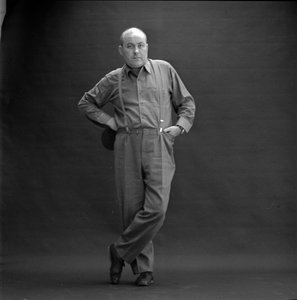
dieter rot, diter rot
1930 - 1998 , Germany
Quick Facts
- Artists Or Movements Influenced By This Artist: ['']
- Artists Who Influenced This Artist: ['']
- Date Of Birth: 1930
- Notable Artworks: ['']
- Place Of Birth: WahooArt

