 Preview
 Send
Send Share
Share
 Details

 Download
 Similars
 X-Ray
X-Ray Diaporama
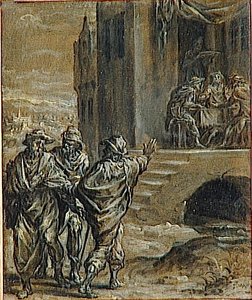
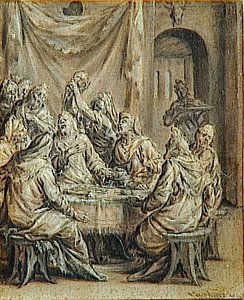
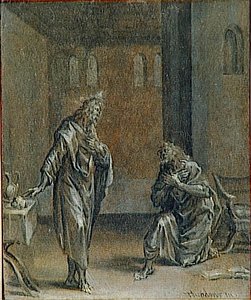
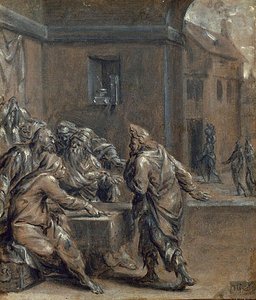
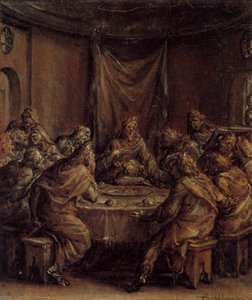
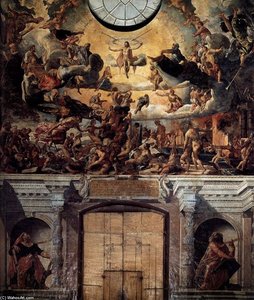
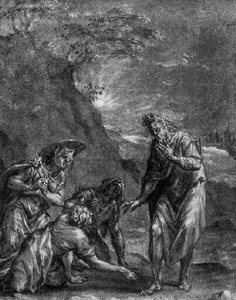
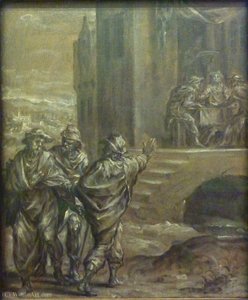
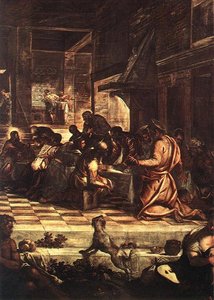
La trahison de Judas, dit autrefois à tort, Les noces de Cana


 Read More
Hand Made Oil Reproduction
Hand-painted oil on canvas in your size and frame, made to order by our artists. ( Buy Print Buy Image)




P118B $10

P118H $10

P118W $10

P438Z $10

P508JH $12

P508YH $12

P805H $10

P805Z $10

P919BZ $10

P919G $10

P919XJ $10

P959ZH $10

P968JZ $12

W106C $8

W218G $10

W218JH $8

W218Y $10

W307PJ $10

W316G $10

W316PJ $8

W316Y $10

W398PJ $8

W4111J $10

W500HY $15

W500JH $15

W692G $12

W849H $8

W940BG $15

W953PJ $8




Pick from our preset sizes that match the artwork's original proportions.

You may enter your own dimensions to fit a specific frame or space. If your selected size does not match the original image's proportions, we will either crop the artwork or extend the painting with additional hand-painted elements. A digital mockup will be sent for your approval before production begins.
Please note that the on-screen preview does not reflect the actual cropping or extension. Only the mockup will accurately show the final composition.
While custom sizes are available, we recommend selecting a dimension from the predefined list to preserve the original proportions.
After order, ArtsDot.com team will email client for instructions and provide a mockup preview
Worldwide Delivery () in 3/4 weeks instead of standard 5 weeks. (23 August). No compromise on quality.

Free Worldwide Express Shipping

High-Quality Linen Canvas

Full Shipping Insurance

Customs Tax Refund Guarantee

True Color Matching Guarantee

60-Day Return Policy (Defects Only)

100% Money-Back Guarantee

Bulk Discount Offer
 Glass option is only available in size under 110 CM

La trahison de Judas, dit autrefois à tort, Les noces de Cana
Reproduction Medium
Reproduction Size
-


Total Price
$ 388
Artwork Description
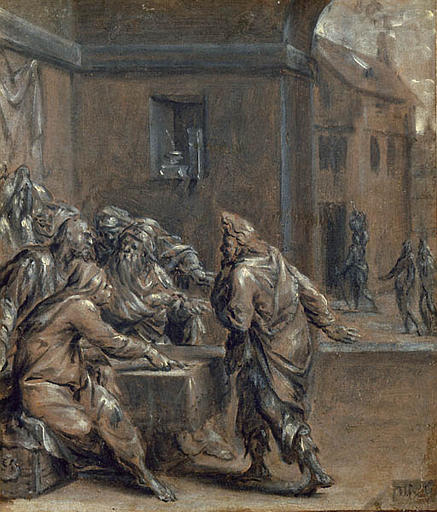
La Trahison de Judas, dit autrefois à tort, Les noces de Cana
Dirck Barendsz’s “La trahison de Judas” stands as a testament to the Northern Renaissance fascination with meticulous observation and expressive line work—a style deeply rooted in Mannerism. Executed around 1585, this monumental painting resides within the Louvre’s collection, offering viewers an intimate glimpse into a pivotal biblical narrative rendered with remarkable detail and emotional resonance. Commissioned by the Benedictine monks of San Giorgio Monastery in Venice, Veronese undertook this ambitious project—a bold departure from prevailing artistic conventions—demonstrating his mastery of composition and color.- Subject Matter: The artwork depicts the biblical episode of Judas’ betrayal of Jesus at the Wedding at Cana (John 2:1–11), capturing a moment of intense drama and spiritual significance.
- Style: Characteristic of Mannerism, Veronese’s approach prioritizes stylized figures—elongated limbs and exaggerated poses—over realistic representation. This stylistic choice aims to convey emotion and psychological complexity rather than literal accuracy.
- Technique: The painting utilizes hatching and cross-hatching extensively, creating texture and depth through layered lines. These techniques contribute to the overall impression of aged walls and weathered skin, enhancing the scene’s atmosphere of solemn contemplation.
- Color Palette: Dominantly monochromatic, Veronese employs tonal variations to convey emotion and depth. Subtle shading creates an illusion of volume and texture, mirroring the materiality of the depicted environment.
- Symbolism: The painting’s symbolism extends beyond its biblical narrative—the gesture of Judas represents betrayal and deceit, while the miracle of Cana symbolizes divine compassion and redemption. These themes resonate with Renaissance humanist ideals, reflecting a broader preoccupation with moral contemplation.
- Emotional Impact: “La trahison de Judas” evokes feelings of sadness, apprehension, and spiritual turmoil—mirroring the psychological drama inherent in the biblical story. Veronese’s masterful use of line work and tonal shading contributes to this profound emotional experience for the viewer.
Related Artworks

Artist Biography
Antonio Allegri da Correggio: A Pioneer of Illusion and Emotion
Antonio Allegri da Correggio, born in the small town of Correggio in Emilia-Romagna around 1489 and tragically dying there in 1534, remains one of the most enigmatic and profoundly influential figures of the Italian Renaissance. Often simply known as “Correggio,” his name evokes a sense of both mystery and breathtaking artistic achievement. While much about his early life remains shrouded in speculation – he wasn’t a self-taught artist, but rather benefited from an uncle's painting skills and likely received foundational training in Mantua under the tutelage of the great Andrea Mantegna – Correggio quickly transcended his origins to become a revolutionary force in the visual arts. His legacy isn’t defined by meticulously rendered portraits or grand historical narratives; instead, it lies in his audacious manipulation of space, light, and color, creating an intensely emotional and immersive experience for the viewer. He was a master of illusionism, pushing the boundaries of what was considered possible within the confines of fresco painting and laying crucial groundwork for the Baroque era to come.Early Influences and Artistic Development
Correggio’s artistic journey began in his hometown, where he honed his skills under his uncle Lorenzo Allegri. However, it's widely believed that a formative period occurred in Mantua around 1506, where he encountered the profound influence of Andrea Mantegna. The meticulous detail, classical references, and dramatic use of perspective evident in Correggio’s early works – such as the *Adoration of the Child with St. Elizabeth and John* (c. 1505-1508) – clearly demonstrate this debt to his mentor. Following Mantua, he spent time in Modena, absorbing the stylistic elements of Lorenzo Costa and Francesco Francia, artists known for their rich colors and dramatic lighting. This diverse exposure created a unique synthesis within Correggio’s artistic vocabulary. He wasn't simply imitating these masters; he was actively integrating their techniques into his own distinctive style, adding an unprecedented dynamism and sensuality. Crucially, around 1514-1515, he began working on the *Virgin of St Francis* for the church of S. Francesco in Correggio – a painting that showcased his burgeoning understanding of optics and perspective, foreshadowing the revolutionary techniques he would later employ.The Frescoes of Parma: A Revolutionary Approach
Correggio’s most significant achievements unfolded during his decade-long residency in Parma (1520-1534). Here, he was commissioned to decorate three monumental fresco cycles within the city's cathedral and other important buildings – the Camera di San Paolo, the dome of San Giovanni Evangelista, and the dome of the Cathedral itself. These works represent a radical departure from traditional Renaissance painting and established Correggio as a true innovator. The *Vision of St John the Evangelist on Patmos* (1520-1524) in the Camera di San Paolo is particularly noteworthy for its innovative use of grisaille – monochromatic figures painted against a light-colored background – to create an illusion of sculpted relief, mimicking the architectural forms of the lunettes. The dome of San Giovanni Evangelista further explored this concept, depicting heroic figures within a dynamic, almost theatrical space. However, it was the fresco on the dome of Parma Cathedral that cemented Correggio’s reputation as a visionary artist. The *Assumption of the Virgin* (1526-1530) is arguably his masterpiece – an audacious feat of illusionism where the dome transforms into a gateway to heaven, with figures seemingly ascending through a vortex of light and color. Correggio employed techniques like foreshortening—extending lines dramatically into space—to create a sense of overwhelming depth and movement, drawing the viewer directly into the scene. This daring manipulation of perspective was unprecedented in Western art and profoundly influenced generations of artists to come.Mythological Visions and Lasting Influence
Beyond his architectural frescoes, Correggio also produced a series of smaller, intensely emotional paintings – altarpieces, devotional panels, and mythological scenes. Works like *Jupiter and Io* (c. 1528) and *Venus and Cupid with a Satyr* (c. 1523-1525) exemplify his masterful use of color, composition, and psychological insight. These paintings are characterized by their sensuality, dynamism, and dramatic lighting—qualities that would become hallmarks of the Baroque style. His influence extended far beyond his own lifetime. Artists like Giovanni Battista Crespi, Paolo Veronese, and even Michelangelo himself were deeply indebted to Correggio’s innovations in perspective, color theory, and emotional expression. Correggio's pioneering use of foreshortening, dynamic composition, and illusionistic space paved the way for the dramatic intensity and theatricality that would define the Baroque era. His legacy is not simply one of technical mastery but also of a profound shift in the way artists approached representation—a move towards creating immersive experiences that engaged the viewer’s emotions and imagination.A Legacy of Illusion and Emotion
Despite his untimely death at the age of 44, Antonio Allegri da Correggio left an indelible mark on the history of art. His innovative techniques and emotionally charged compositions continue to captivate viewers centuries later. The *Assumption of the Virgin* in Parma remains a testament to his genius—a breathtaking spectacle of illusionism that challenges our perception of space and time. Correggio’s work serves as a powerful reminder of the transformative potential of artistic vision, demonstrating how a single artist can reshape the course of art history through daring experimentation and profound emotional expression.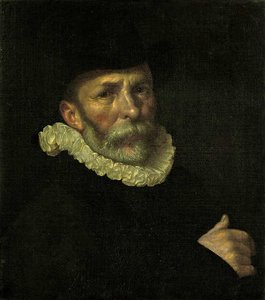
dirck barendsz
1534 - 1592
Quick Facts
- Artistic Movement Or Style: High Renaissance, Mannerism
- Artists Or Movements Influenced By This Artist:
- Baroque
- Rococo
- Artists Who Influenced This Artist:
- Mantegna
- Leonardo da Vinci
- Costa
- Francia
- Date Of Birth: August 1489
- Date Of Death: March 5, 1534
- Full Name: Antonio Allegri da Correggio
- Nationality: Italian
- Notable Artworks:
- Assumption of the Virgin
- Jupiter and Io
- School of Love
- Place Of Birth: Correggio, Italy
Related Articles

Giclée Prints: Archival Quality & Aesthetic Nuances for the Discerning Collector
Explore the world of giclée prints with ArtsDot. Learn about archival quality, aesthetic nuances & investment potential. Expert guidance for discerning art collectors seeking museum-quality reproductions and lasting value.

The Enduring Legacy of Fine Art Prints: Technique, History & Aesthetic Impact
Explore the rich history & techniques of fine art prints. Discover investment potential, assess authenticity, and learn how to preserve your collection with expert guidance. Trusted insights for discerning collectors.

Echoes of Time: Exploring the Enduring Appeal & Historical Context of Vintage Art Prints
Explore the captivating world of vintage art prints! Discover their history, collecting tips & enduring appeal. Expert insights on chromolithography and building a legacy collection with ArtsDot.
The Enduring Legacy of Printmaking: Techniques, Themes & Artistic Innovation Across Centuries
Explore the rich history of printmaking with ArtsDot. Discover techniques from intaglio to lithography, learn about collecting valuable prints & find museum-quality reproductions. Expert insights for art enthusiasts and collectors.

The Enduring Legacy of Woodblock Printmaking: Technique, History & Artistic Expression
Explore the rich history of woodblock printmaking – from ancient techniques to Ukiyo-e masterpieces. Discover expert insights on collecting, preserving & appreciating this enduring art form.