 Preview
 Send
Send Share
Share
 Details

 Download
 Similars
 X-Ray
X-Ray Diaporama
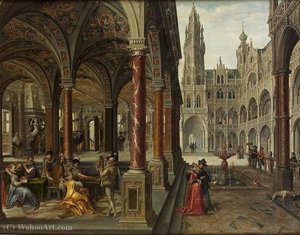
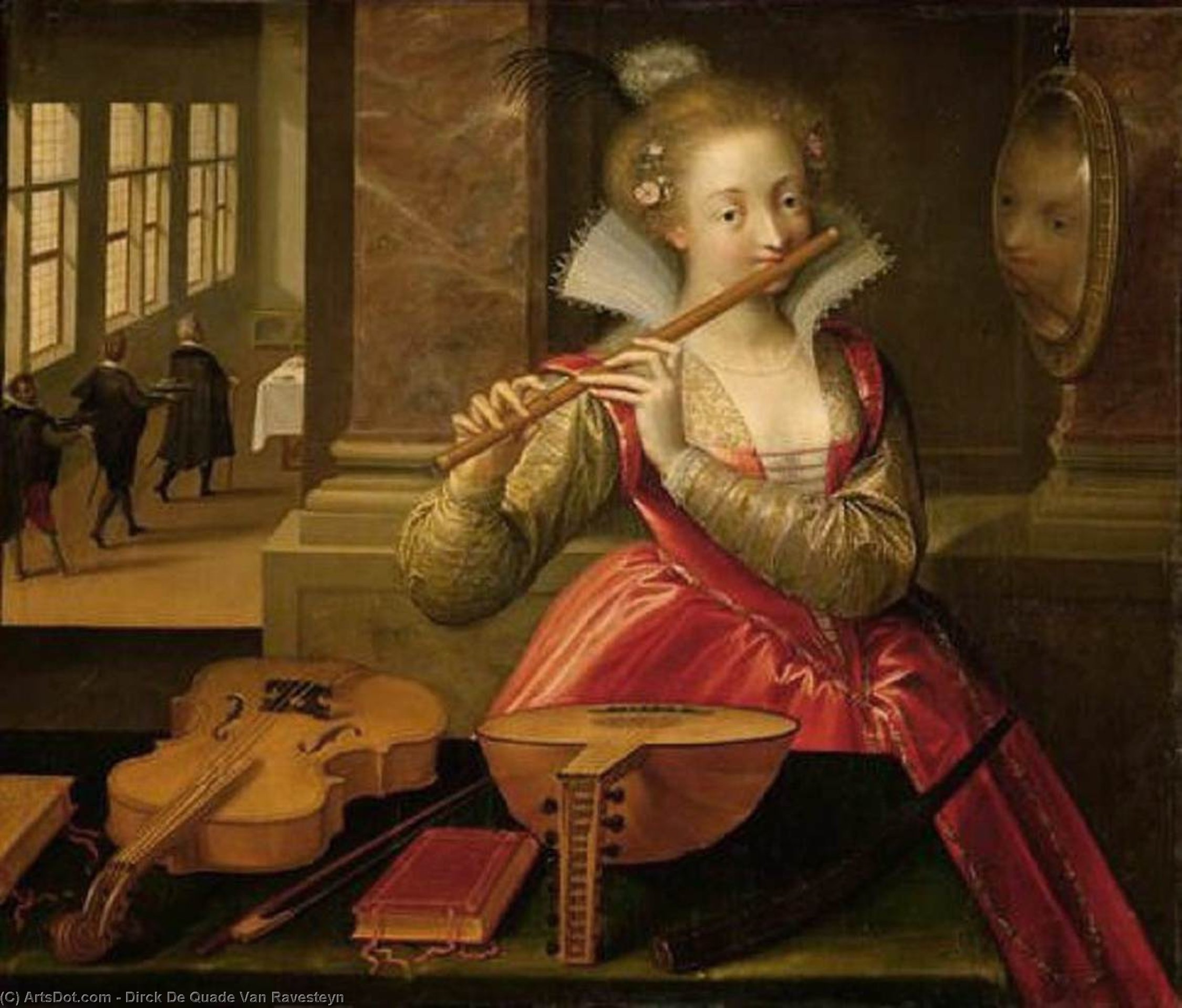
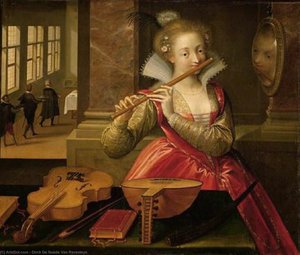
Allegory of Music
 Oil
Oil- WallArt
- Baroque
 1600
1600- Early Modern
 111.0 x 128.0 cm
 Kunsthistorisches Museum
 Read More
Hand Made Oil Reproduction
Hand-painted oil on canvas in your size and frame, made to order by our artists. ( Buy Print Buy Image)




P118B $10

P118H $10

P118W $10

P438Z $10

P508JH $12

P508YH $12

P805H $10

P805Z $10

P919BZ $10

P919G $10

P919XJ $10

P959ZH $10

P968JZ $12

W106C $8

W218G $10

W218JH $8

W218Y $10

W307PJ $10

W316G $10

W316PJ $8

W316Y $10

W398PJ $8

W4111J $10

W500HY $15

W500JH $15

W692G $12

W849H $8

W940BG $15

W953PJ $8




Pick from our preset sizes that match the artwork's original proportions.

You may enter your own dimensions to fit a specific frame or space. If your selected size does not match the original image's proportions, we will either crop the artwork or extend the painting with additional hand-painted elements. A digital mockup will be sent for your approval before production begins.
Please note that the on-screen preview does not reflect the actual cropping or extension. Only the mockup will accurately show the final composition.
While custom sizes are available, we recommend selecting a dimension from the predefined list to preserve the original proportions.
After order, ArtsDot.com team will email client for instructions and provide a mockup preview
Worldwide Delivery () in 3/4 weeks instead of standard 5 weeks. (21 August). No compromise on quality.

Free Worldwide Express Shipping

High-Quality Linen Canvas

Full Shipping Insurance

Customs Tax Refund Guarantee

True Color Matching Guarantee

60-Day Return Policy (Defects Only)

100% Money-Back Guarantee

Bulk Discount Offer
 Glass option is only available in size under 110 CM

Allegory of Music
Reproduction Medium
Reproduction Size
-


Total Price
$ 263
Related Artworks
Artist Biography
Dirck de Quade van Ravesteyn: Architect of Illusion and Patronage’s Visionary
Dirck de Quade van Ravesteyn (1565 – 1620), was a Dutch Golden Age painter active in the court of Rudolf II, Holy Roman Emperor. He stands as a pivotal figure within the Prague School, an artistic movement that flourished under Rudolf’s patronage and cemented Antwerp’s reputation as Europe's foremost centre for decorative arts. Born likely in The Hague – his father, Claes van Ravesteyn, was a prominent artist of considerable renown – De Quade’s formative years were steeped in artistic tradition, shaping him into an innovator who dared to reimagine architectural spaces and imbue them with mythic grandeur.- Early Life and Artistic Training: Little is known definitively about De Quade's early life beyond his father’s influence. Claes van Ravesteyn was a master craftsman, specializing in monumental paintings – notably the ceiling of St Mary’s Cathedral in Ghent – demonstrating a commitment to meticulous detail and perspective that would become hallmarks of De Quade’s own oeuvre.
- The Prague School Ascendancy: Rudolf II's fascination with alchemy, astrology, and Eastern mysticism propelled him to commission ambitious artistic projects designed to elevate the Habsburg court’s prestige. De Quade joined this influential circle of artists in Prague (1598-1602), collaborating closely with Pieter Bruegel the Elder and Abraham van Dyck. This association fostered a shared aesthetic sensibility—a preoccupation with idealized landscapes, dramatic lighting, and symbolic narratives—that defined the Prague School’s distinctive style.
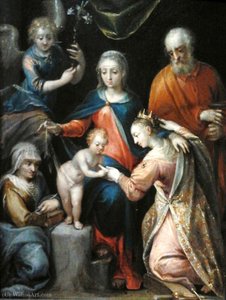
- Notable Works: Among De Quade's most enduring achievements is “Marriage of Saint Catherine,” a monumental ceiling painting commissioned for Rudolf II’s Prague Castle. This masterpiece exemplifies the Prague School’s stylistic conventions, featuring a richly decorated interior bathed in luminous light and populated by allegorical figures representing virtue and divine grace.
- Influence and Legacy: De Quade's innovative approach to architectural painting profoundly impacted subsequent generations of artists. His meticulous attention to detail and his embrace of illusionistic techniques established him as a pioneer of Baroque spatial design, influencing the decoration of palaces and churches throughout Europe. Furthermore, his patronage by Rudolf II—a ruler who championed artistic experimentation—served as an impetus for fostering creativity and elevating art’s role in shaping cultural identity.
dirck de quade van ravesteyn
1565 - 1620
Quick Facts
- Artistic Movement Or Style: Prague School
- Artists Or Movements Influenced By This Artist: ['Rudolf II']
- Date Of Death: 1620
- Full Name: Dirck de Quade van Ravesteyn
- Nationality: Dutch
- Notable Artworks: ['Allegory of Music']
- Place Of Birth: Hague
Related Articles

Crimson Threads of Narrative: Exploring Symbolism & Representation in Artworks Featuring the Red Dress
Explore the rich symbolism of the red dress in art history! From ancient power displays to iconic portraits like Cézanne’s 'Madame Cezanne', discover the cultural and artistic significance behind this captivating color. Expert analysis & insights.

Dutch Masters: 10 Golden Age Paintings That Still Inspire |
Journey into the Dutch Golden Age! Explore 10 iconic paintings by Rembrandt, Vermeer & Hals. Discover the stories behind these Baroque masterpieces and find museum-quality art reproductions to elevate your home decor on .

Golden Age Reflections: Dutch Baroque Painting & Cultural Innovation
Explore the Dutch Golden Age of painting! Discover key artists like Vermeer & ter Borch, their innovative techniques, and the rich cultural context behind these Baroque masterpieces. Learn about collecting & appreciating this iconic art period.

Illuminating Innovation: Exploring the Dutch Golden Age of Painting
Explore the Dutch Golden Age of painting with ArtsDot. Discover Rembrandt, Vermeer & other Masters. Learn about key characteristics, iconic artworks, and lasting influence. Expert insights for collectors & enthusiasts.

Illuminating Realism: Exploring the Dutch Golden Age of Painting (1600-1700)
Explore the Dutch Golden Age of painting (1600-1700) with ArtsDot. Discover Rembrandt, Vermeer & other masters. Learn about techniques, history & find museum-quality reproductions.