

 Preview
 Send
Send Share
Share
 Details

 Download
 Similars
 X-Ray
X-Ray Diaporama
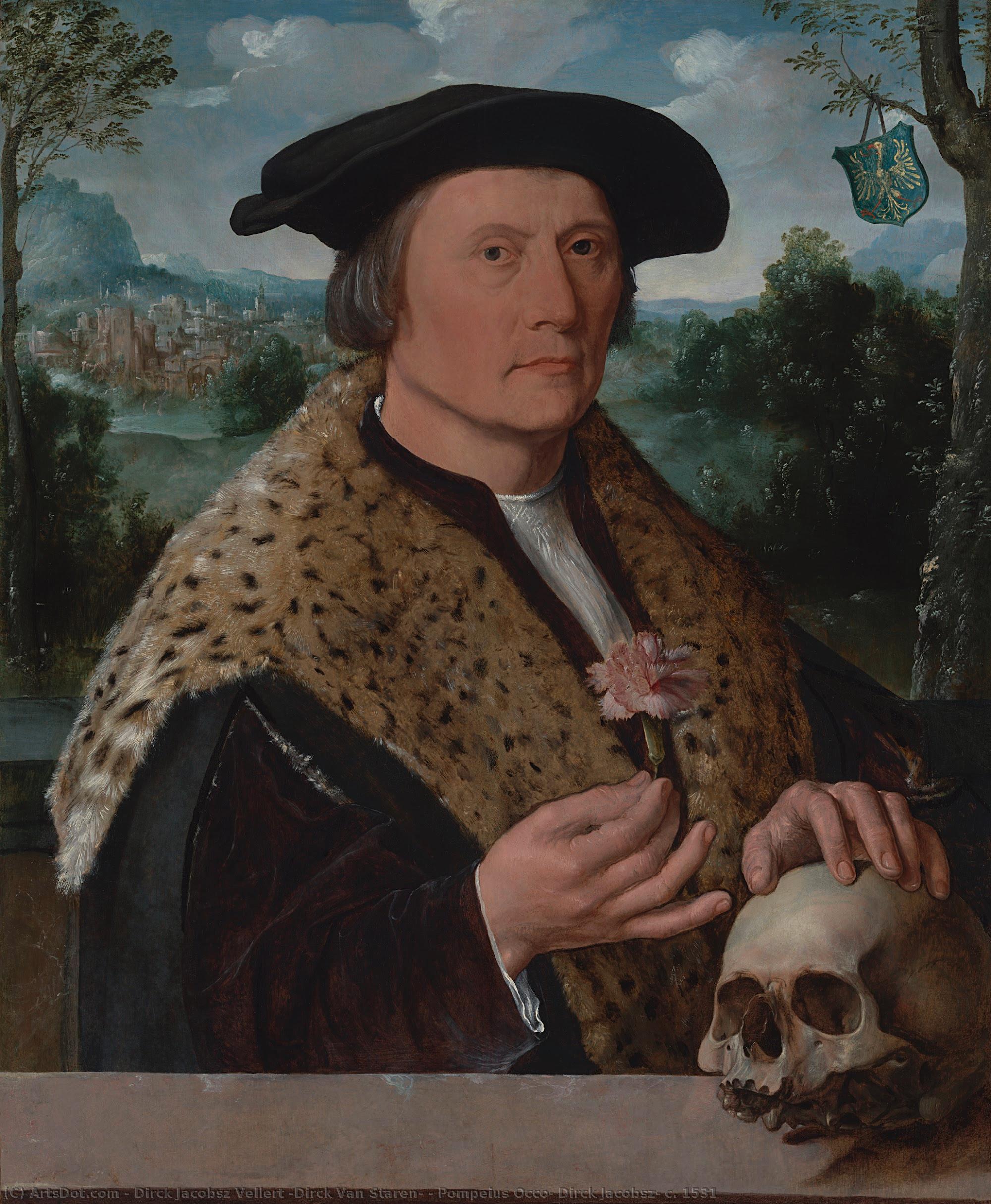
Pompeius Occo, Dirck Jacobsz, c. 1531
 Northern Renaissance
 1531
1531 67.0 x 55.0 cm
 Read More
Purchase a high-resolution, enhanced digital image, far superior to the online preview.
Each file is meticulously prepared by our in-house specialists using advanced tools and expert manual retouching. We ensure every image has exceptional clarity, precise color accuracy, and fine detail.
The final file is delivered via email within 72 hours, optimized for immediate use in professional, editorial, and print environments. This is the same quality trusted by top-tier design studios, publishers, and galleries.
Digital Image
Download a high-resolution file for personal display, printing, and creative projects. ( Buy Print Buy Hand Made Painting)
Included in Every Digital Image Order
Expert Digital Delivery, Guaranteed
When you choose ArtsDot.com, you're not just getting an image - you're receiving a professionally enhanced digital artwork, crafted with precision and backed by a satisfaction guarantee. Here's everything that comes with your order, automatically:

Fast Email Delivery
Your high-resolution digital image file will be emailed to you within 72 hours of ordering - ready for immediate use.

AI-Enhanced Digital File
Your artwork is professionally optimized using advanced AI tools and manual editing, ensuring maximum detail, clarity, and color accuracy.

Free Lifetime Re-Delivery
Accidentally deleted or lost your file? No worries - we'll resend it to you anytime, free of charge.

No Import Fees - Ever
Enjoy your artwork instantly with zero customs, duties, or delivery fees - digital downloads are always tax-free.

Color Accuracy Guarantee
We ensure your digital image reflects the original colors as closely as possible using professional tools and color management.

60-Day Satisfaction Guarantee
If you're not satisfied with your digital image, we'll revise it or refund 100% within 60 days - no questions asked.

100% Money-Back Guarantee
Not satisfied? Get a full refund within 60 days of receiving your digital file - no questions asked.

Bulk Order Discounts
Buy 3 images, save 10% - Buy 5, save 15% - Buy 10+, save 20%. Great for creative projects, galleries, and agencies.
Collectible Description
Related Artworks
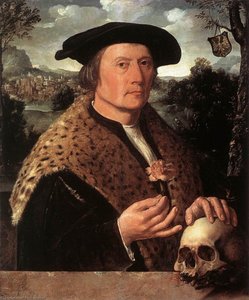
Artist Biography
The Master of the Star: The Enigmatic Legacy of Dirck Jacobsz Vellert
In the vibrant, burgeoning landscape of the sixteenth-century Netherlands, few names evoke as much celestial mystery as Dirck Jacobsz Vellert. Known to history by the evocative moniker Meester van de Ster—the Master of the Star—Vellert emerged from the bustling artistic corridors of Amsterdam to become a pivotal figure in the Dutch Renaissance. His life, though shrouded in the soft shadows of time due to sparse biographical records, reflects the profound transformation of Northern Europe during an era defined by humanist inquiry and unprecedented mercantile prosperity. Born around 1480, Vellert’s creative journey was shaped by a world where the boundaries between the earthly and the divine were frequently blurred through the lens of art.
The foundations of Vellert’s artistry were likely laid in the prestigious workshops of his contemporaries, with scholarly whispers suggesting a formative apprenticeship under the influential Lucas Cranach the Elder. This connection brought a distinct stylistic lineage to his work, blending the meticulous precision of the Northern tradition with a burgeoning interest in more expressive, emotive forms. While his early career saw him establishing himself as a skilled craftsman through portraiture and decorative arts, it was his profound devotion to religious narrative that would ultimately secure his place in the pantheon of great masters. He did not merely paint scenes; he interpreted the very essence of scripture, utilizing the complex language of allegory and symbolism to communicate deep spiritual truths.
Symbolism and the Celestial Vision
To gaze upon a Vellert masterpiece is to enter a realm where every object carries a weight of profound meaning. Drawing inspiration from the symbolic depth found in the works of Albrecht Dürer, Vellert mastered the art of the "hidden meaning," where a simple flower or a carefully placed shadow could speak volumes of theological significance. His compositions are often characterized by an exquisite tension between the physical and the metaphysical. In his celebrated portrait of Pompeius Occo, for instance, the artist employs powerful memento mori elements—such as a skull representing the fleeting nature of life—juxtaposed against a red carnation, which serves as a tender symbol of resurrection and eternal hope.
This preoccupation with the cosmic order is perhaps best reflected in his chosen epithet. His work frequently weaves together biblical narratives with celestial imagery, suggesting a universe that is divinely orchestrated and interconnected. Through the dramatic use of chiaroscuro, Vellert manipulated light and shadow to create an atmospheric depth that pulls the viewer into the spiritual drama. His figures are rarely mere icons; they possess a palpable physicality and a nuanced emotionality, conveyed through subtle gestures and hauntingly expressive facial features that breathe life into the sacred stories he depicted.
Artistic Achievement and Historical Resonance
The breadth of Vellert’s contribution to the Dutch Renaissance extends beyond the canvas, encompassing his skills as an engraver and glass painter. This versatility allowed him to permeate various facets of the artistic community, leaving a lasting imprint on the visual culture of his time. His ability to marry the rigorous detail of the Early Netherlandish tradition with the burgeoning humanist ideals of the sixteenth century helped bridge the gap between the medieval past and the modern era.
Today, the works of Dirck Jacobsz Vellert stand as enduring testaments to a period of intense intellectual and artistic ferment. His legacy is preserved in significant pieces such as:
- The Triumph of Faith: A profound exploration of spiritual victory through complex allegory.
- St. Jerome: A masterful depiction of the scholar-saint, showcasing his ability to render human emotion and scholarly gravity.
- The Judgment of Cambyses: A work that demonstrates his command over narrative tension and historical weight.
- Portrait of Pompeius Occo: A brilliant example of his skill in portraiture and symbolic storytelling.
As we reflect on the life of the Master of the Star, we see an artist who looked upward to the heavens while remaining deeply rooted in the human experience. His ability to capture the interplay between light and shadow, between the mortal and the eternal, ensures that his vision continues to illuminate the history of Northern Renaissance art.
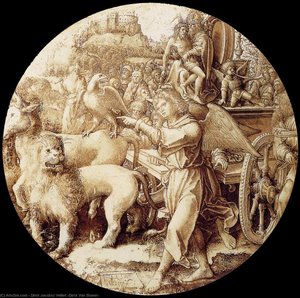
dirck jacobsz vellert (dirck van staren)
1482 - 1547 , Netherlands
Quick Facts
- Artistic Movement Or Style: Renaissance Art
- Artists Or Movements Influenced By This Artist: ['Hieronymus Bosch']
- Artists Who Influenced This Artist:
- Jan van Eyck
- Rogier van der Weyden
- Date Of Birth: Amsterdam, 1480
- Date Of Death: Antwerpen, 1547
- Full Name: Dirck Jacobszoon Vellert
- Nationality: Dutch
- Notable Artworks:
- St. Jerome
- The Triumph of Faith
- Place Of Birth: Amsterdam, Netherlands

