 Preview
 Send
Send Share
Share
 Details

 Download
 Similars
 X-Ray
X-Ray Diaporama
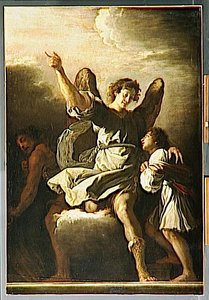
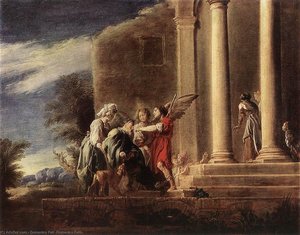
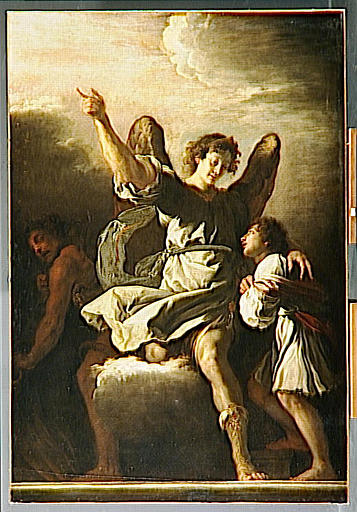
L'ANGE GARDIEN PROTEGEANT UN ENFANT DE L'EMPIRE DU DEMON


 Read More
Hand Made Oil Reproduction
Hand-painted oil on canvas in your size and frame, made to order by our artists. ( Buy Print Buy Image)




P118B $10

P118H $10

P118W $10

P438Z $10

P508JH $12

P508YH $12

P805H $10

P805Z $10

P919BZ $10

P919G $10

P919XJ $10

P959ZH $10

P968JZ $12

W106C $8

W218G $10

W218JH $8

W218Y $10

W307PJ $10

W316G $10

W316PJ $8

W316Y $10

W398PJ $8

W4111J $10

W500HY $15

W500JH $15

W692G $12

W849H $8

W940BG $15

W953PJ $8




Pick from our preset sizes that match the artwork's original proportions.

You may enter your own dimensions to fit a specific frame or space. If your selected size does not match the original image's proportions, we will either crop the artwork or extend the painting with additional hand-painted elements. A digital mockup will be sent for your approval before production begins.
Please note that the on-screen preview does not reflect the actual cropping or extension. Only the mockup will accurately show the final composition.
While custom sizes are available, we recommend selecting a dimension from the predefined list to preserve the original proportions.
After order, ArtsDot.com team will email client for instructions and provide a mockup preview
Worldwide Delivery () in 3/4 weeks instead of standard 5 weeks. (4 September). No compromise on quality.

Free Worldwide Express Shipping

High-Quality Linen Canvas

Full Shipping Insurance

Customs Tax Refund Guarantee

True Color Matching Guarantee

60-Day Return Policy (Defects Only)

100% Money-Back Guarantee

Bulk Discount Offer
 Glass option is only available in size under 110 CM

L'ANGE GARDIEN PROTEGEANT UN ENFANT DE L'EMPIRE DU DEMON
Reproduction Medium
Reproduction Size
-


Total Price
$ 313
The Drama of Divine Intervention
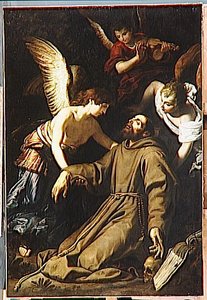
This arresting composition plunges the viewer into a moment of sublime terror and profound grace. At its heart lies an intensely dramatic tableau: an angel, radiating divine protection, shields a vulnerable child from encroaching shadows that suggest demonic malice. The entire scene pulses with narrative energy, drawing the eye upward toward an unseen celestial source of light. It is not merely a depiction of conflict, but a visceral meditation on the eternal struggle between innocence and corruption. The emotional weight of the piece—a palpable mix of desperate hope and solemn reassurance—ensures that it commands attention, transforming any space it graces into one charged with spiritual resonance.
Baroque Mastery in Light and Shadow
Stylistically, the work is a quintessential example of the Baroque period. One immediately senses the influence of masters who understood how to manipulate light not just for illumination, but for emotional effect. The technique masterfully employs chiaroscuro; deep, enveloping blacks and blues serve as the perfect foil to the brilliant, warm golds, creams, and yellows that bathe the central figures. This dramatic contrast is what gives the painting its theatrical quality. Notice how the light seems to emanate from within the angel himself, carving out the folds of drapery and highlighting the smooth contours of skin against the oppressive darkness surrounding them. The overall effect is one of heightened reality, where every illuminated fold tells a story.
Symbolism Woven into Form
The symbolism here is rich and deeply rooted in religious iconography. The angel stands as the archetype of divine guardianship, his outstretched arm a gesture both physical and spiritual—a barrier against encroaching evil. The child embodies pure, untainted innocence, making their pairing an immediate visual plea for salvation. Conversely, the indistinct, shadowy figures lurking at the periphery represent temptation and the persistent threat of chaos. These elements work in concert to create a powerful allegory: the enduring power of virtue protected by divine grace. For collectors, this depth of meaning offers endless avenues for contemplation.
A Reproduction for Inspired Interiors
For those seeking to bring the grandeur of historical European painting into a modern setting, this piece is unparalleled. The reproduction captures the painterly quality—the visible yet refined brushwork that suggests oil paint on canvas. While the perspective feels somewhat flattened, characteristic of the period's focus on immediate emotional impact rather than deep recession, it enhances the feeling of intimacy between the viewer and the sacred moment depicted. Whether placed above a mantelpiece or within a gallery setting, this artwork serves as more than mere decoration; it acts as a focal point for contemplation, lending an air of timeless drama and elevated spirituality to any interior design scheme.
Related Artworks




Artist Biography
The Luminescent Transition: The Life and Legacy of Domenico Fetti
In the grand tapestry of Italian art history, few threads are as vibrant yet fleeting as that of Domenico Fetti. Born in Rome around 1589, Fetti emerged during a period of profound aesthetic metamorphosis, acting as a vital bridge between the stylized elegance of Mannerism and the raw, theatrical power of the Roman Baroque. The son of a painter, Pietro Fetti, Domenico was immersed in the language of pigments and light from his earliest years. His formative training in Rome under masters such as Ludovico Cigoli and Andrea Commodi provided him with a sophisticated foundation, blending the intricate compositions of the late Renaissance with an emerging interest in the dramatic chiaroscuro that would soon define the seventeenth century.
Fetti’s journey was one of movement and prestigious patronage, reflecting the shifting political and cultural landscapes of Italy. His departure from Rome to Mantua in 1613 marked a significant milestone in his professional ascent. It was here, under the watchful eye of Cardinal Ferdinando I Gonzaga, that Fetti truly began to manifest his unique artistic voice. The monumental commission of The Miracle of the Loaves and Fishes for the Palazzo Gonzaga stands as a testament to this era. In this work, one can observe the artist grappling with the Caravaggisti influence—utilizing deep shadows and intense realism to evoke a sense of divine presence within the human realm. This period in Mantua allowed him to refine a style that was simultaneously grand enough for princely halls yet intimate enough to capture the subtle nuances of human emotion.
A Mastery of Light, Genre, and Emotion
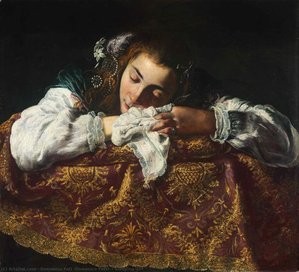
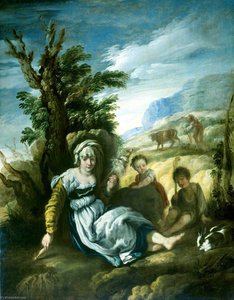
As Fetti’s career progressed, his artistic evolution took him toward the luminous atmosphere of Venice. This relocation in 1622 introduced a new layer of complexity to his palette, as he began to integrate the soft, atmospheric qualities characteristic of Venetian painting with the dramatic tension learned in Rome. His repertoire became remarkably diverse, ranging from profound religious narratives to tender, everyday scenes. He possessed a rare ability to elevate the mundane into the monumental; whether depicting the serene labor in Adam and Eve at Work or the quiet, introspective stillness of a Sleeping Girl, Fetti imbued his subjects with a psychological depth that resonated far beyond the canvas.
The technical brilliance of Fetti lies in his ability to manipulate light to direct the viewer's soul. His works often feature:
- Dramatic Contrast: A sophisticated use of shadow to create volume and a sense of theatrical presence.
- Intimate Narratives: A focus on small, poignant moments that invite the observer into a private world of biblical or genre-based storytelling.
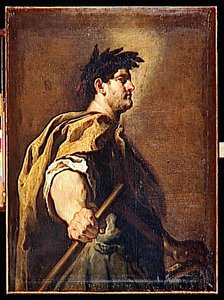
- Expressive Brushwork: A technique that balances the precision required for portraiture, such as in L'Emperheur Domitien, with a fluid, painterly energy.
Though his life was tragically short, ending in 1623 at the age of only thirty-four, Domenico Fetti left behind an indelible mark on the Baroque movement. He did not merely follow the trends of his time; he synthesized them, creating a style that captured the tension between the old world of artifice and the new world of naturalism. Today, his works remain essential touchstones for understanding how the shadows of Mannerism gave way to the brilliant, emotive light of the Baroque era.
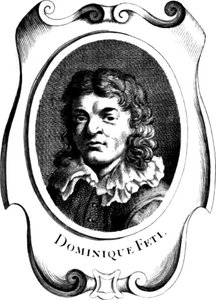
domenico feti (domenico fetti)
1589 - 1623 , Italy
Quick Facts
- Artistic Movement Or Style: Baroque painting; Caravaggisti style
- Artists Who Influenced This Artist:
- Ludovico Cigoli
- Andrea Commodi
- Date Of Birth: Rome, Italy (1589)
- Date Of Death: 16 April 1623
- Full Name: Domenico Fetti
- Nationality: Italian
- Notable Artworks:
- The Parable of Lazarus and the Rich Man
- Saint Mary Magdalene Penitent
- David with the Head of Goliath
- Place Of Birth: Rome
Related Articles
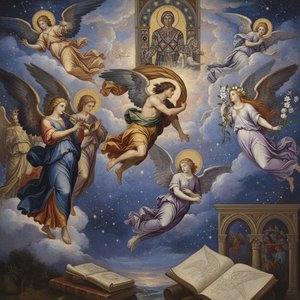
Celestial Messengers: Angels in Painting – A Historical & Artistic Exploration
Explore the captivating history of angels in painting! Discover symbolism, iconic Renaissance & Byzantine masterpieces, and renowned artists. Expert insights for art lovers & collectors at ArtsDot.
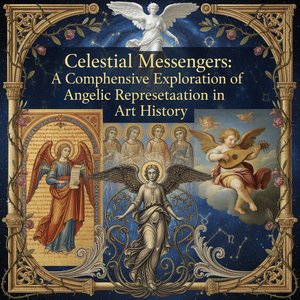
Celestial Messengers: A Comprehensive Exploration of Angelic Representation in Art History
Explore the captivating history of angels in art! Discover symbolism, iconic Renaissance masterpieces & renowned artists. Expert insights for art lovers & collectors at ArtsDot.

The Dramatic Flourish: Exploring the Baroque Movement's Enduring Legacy in Art History
Explore the dramatic world of Baroque art! Discover iconic artists like Caravaggio & Rubens, defining techniques, and its lasting impact on art history. Expert insights for collectors & enthusiasts at ArtsDot.

Baroque Masterpieces: 10 Paintings That Defined an Era |
Journey through the drama & grandeur of Baroque art! Explore 10 masterpieces by Caravaggio, Rembrandt, Rubens & more. Discover stunning oil paintings, rich colors & timeless stories. Find museum-quality reproductions at .

Baroque Drama: Bringing Opulence & Emotion into Contemporary Interiors
Explore the opulent world of Baroque interior design! Discover key elements, modern applications & how to bring dramatic elegance into your home with 's authentic reproductions.