

 Preview
 Send
Send Share
Share
 Details

 Download
 Similars
 X-Ray
X-Ray Diaporama
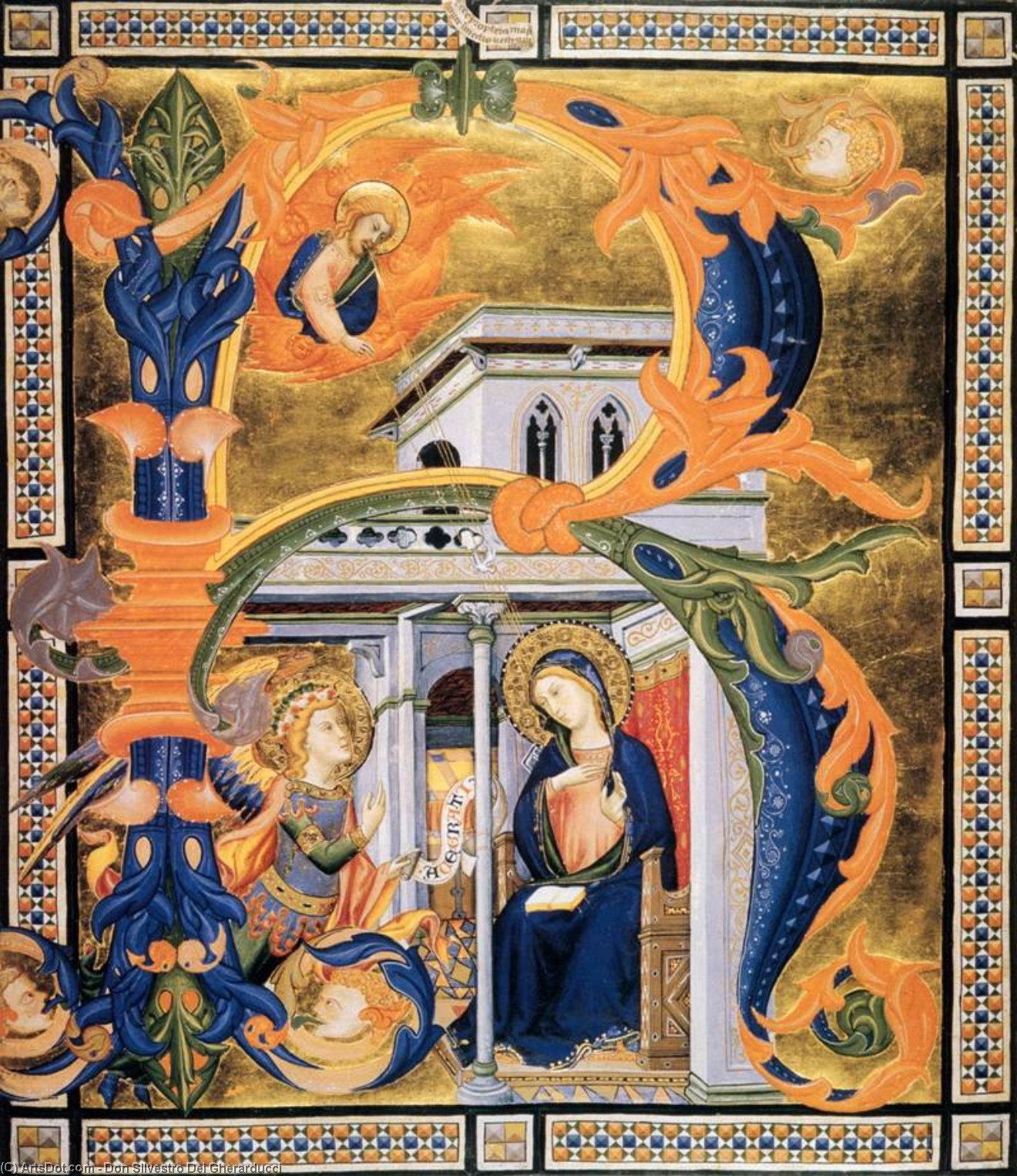
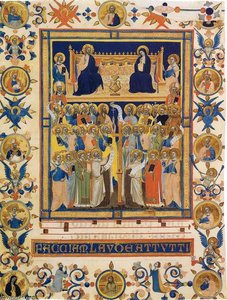
Gradual from Santa Maria degli Angeli (Folio 60)
 Illustration
- WallArt
- Proto-Renaissance
 1370
1370- Late Medieval
 340.0 x 290.0 cm
 British Library
 Read More
Purchase a high-resolution, enhanced digital image, far superior to the online preview.
Each file is meticulously prepared by our in-house specialists using advanced tools and expert manual retouching. We ensure every image has exceptional clarity, precise color accuracy, and fine detail.
The final file is delivered via email within 72 hours, optimized for immediate use in professional, editorial, and print environments. This is the same quality trusted by top-tier design studios, publishers, and galleries.
Digital Image
Download a high-resolution file for personal display, printing, and creative projects. ( Buy Print Buy Hand Made Painting)
Included in Every Digital Image Order
Expert Digital Delivery, Guaranteed
When you choose ArtsDot.com, you're not just getting an image - you're receiving a professionally enhanced digital artwork, crafted with precision and backed by a satisfaction guarantee. Here's everything that comes with your order, automatically:

Fast Email Delivery
Your high-resolution digital image file will be emailed to you within 72 hours of ordering - ready for immediate use.

AI-Enhanced Digital File
Your artwork is professionally optimized using advanced AI tools and manual editing, ensuring maximum detail, clarity, and color accuracy.

Free Lifetime Re-Delivery
Accidentally deleted or lost your file? No worries - we'll resend it to you anytime, free of charge.

No Import Fees - Ever
Enjoy your artwork instantly with zero customs, duties, or delivery fees - digital downloads are always tax-free.

Color Accuracy Guarantee
We ensure your digital image reflects the original colors as closely as possible using professional tools and color management.

60-Day Satisfaction Guarantee
If you're not satisfied with your digital image, we'll revise it or refund 100% within 60 days - no questions asked.

100% Money-Back Guarantee
Not satisfied? Get a full refund within 60 days of receiving your digital file - no questions asked.

Bulk Order Discounts
Buy 3 images, save 10% - Buy 5, save 15% - Buy 10+, save 20%. Great for creative projects, galleries, and agencies.
A Vision of Divine Grace: Mary and Child in Don Silvestro's Illuminated Splendor
To gaze upon this folio from Gradual from Santa Maria degli Angeli is to step directly into the hushed, richly colored world of a 14th-century Florentine scriptorium. This piece, executed by the masterful hand of Don Silvestro dei Gherarducci, transcends its function as mere book decoration; it is a profound theological meditation rendered in pigment and gold leaf. At its heart rests the tender, yet monumental depiction of Mary cradling the Christ Child. The composition immediately draws the eye to this central nexus of divine love, an intimacy framed by the surrounding figures who bear witness to this sacred moment.
The Context of Devotion: Life in Fourteenth-Century Florence
Don Silvestro dei Gherarducci lived during a period of immense cultural ferment—the twilight years of the Middle Ages giving way to the dawn of the Renaissance. While the grand names of Giotto echo from nearby, Silvestro carved out his niche as a master illuminator, transforming liturgical books into portable altarpieces. These Graduals were not decorative novelties; they were essential tools for worship, vibrant theological treatises meant to guide the devotion of monastic communities. Owning or viewing such a piece connects one directly to the intellectual and spiritual lifeblood of Florence in 1370, offering an unparalleled glimpse into the piety that fueled the great artistic movements.
Symbolism Woven into Pigment: Figures, Birds, and Meaning
The narrative complexity deepens upon closer inspection. Beyond the central figures, the composition is populated by attendant figures—a figure observing from the left, two more on the right, and another grounded at the base—each contributing to a rich tapestry of human devotion. But it is perhaps the inclusion of the three birds that invites the most poetic contemplation. These avian elements, placed strategically near the top-left corner and toward the center, are rarely arbitrary in medieval art; they often symbolize the soul, the Holy Spirit, or the passage of time itself. Every element, from the drapery folds to the placement of a single feather, speaks volumes of established Christian iconography.
Technique and Enduring Beauty: A Masterclass in Manuscript Art
The technique employed here is characteristic of the highest level of manuscript illumination. The colors possess a luminous quality, achieved through painstaking layering and the careful application of expensive pigments. While the overall scale suggests a grand altarpiece, its origin as a folio means that every brushstroke carries the weight of scholarly dedication. For those who appreciate fine craftsmanship, this work showcases an exquisite balance: the narrative drama is contained within the meticulous structure required for bookbinding. A reproduction allows one to bring this breathtaking level of detail and historical resonance into a modern setting, serving not just as art, but as a devotional focal point.
Related Artworks
Artist Biography
Don Silvestro dei Gherarducci: A Florentine Master of Illuminated Manuscripts
The world of 14th-century art is often dominated by the grand narratives of Giotto and Brunelleschi, yet within the quieter confines of monastic scriptoria flourished a remarkable artist – Don Silvestro dei Gherarducci. Born in Florence around 1339 and passing away circa 1399, Silvestro wasn’t a name etched into the public consciousness during his lifetime, but his legacy endures through the breathtaking beauty and intricate symbolism of his illuminated manuscripts, particularly the celebrated “Graduals.” These weren't mere book decorations; they were vibrant theological treatises, meticulously crafted to educate and inspire devotion within the walls of Italian monasteries. His work offers a unique window into the artistic and intellectual landscape of Florence during a period of profound transition – the waning years of the medieval era and the nascent stirrings of the Renaissance.
Silvestro’s early life remains somewhat shrouded in mystery, though evidence suggests he received his training within the workshop of Jacopo di Mino del Pellicciaio, a prominent Florentine painter. This formative experience undoubtedly instilled in him a deep understanding of tempera painting techniques and a keen eye for detail. He joined the Camaldolese order at the monastery of Santa Maria degli Angeli around 1348, dedicating himself to a life of prayer and artistic creation. It was within this serene setting that he truly blossomed as an illuminator, quickly establishing himself as a master of his craft. His appointment as Prior in 1398 further solidified his position as a leading figure within the monastic community, allowing him to continue producing works of exceptional quality for decades.
The Art of the Gradual
Silvestro’s most celebrated achievement is undoubtedly the “Graduals,” a series of illuminated manuscripts that served as instructional texts for the clergy. These weren't simple liturgical books; they were complex theological commentaries, often accompanied by intricate illustrations and decorative elements. The term "Gradual" refers to the musical chant used during Mass, and the manuscript was designed to guide the reader through the text with visual aids. Silvestro’s Graduals are particularly noteworthy for their exceptional detail, vibrant colors, and masterful use of gold leaf – a technique that would become increasingly important in later Renaissance art.
The manuscripts themselves were often composed of numerous individual pages, meticulously crafted and then assembled into a cohesive whole. Silvestro’s approach was remarkably innovative; he didn't simply copy existing illuminated manuscripts but created entirely new compositions, imbuing them with his own unique artistic vision. The Gradual from Santa Maria degli Angeli, for example, is considered his crowning achievement, comprising twenty individual pages now scattered across various collections worldwide. Each page is a miniature masterpiece, showcasing Silvestro’s skill in depicting figures, landscapes, and architectural elements. The intricate details – the folds of drapery, the expressions on faces, the delicate floral motifs – reveal a profound understanding of human anatomy and perspective.
Technique and Symbolism
Silvestro's artistic style is firmly rooted in the Gothic tradition, yet it also exhibits elements that foreshadow the emerging Renaissance aesthetic. His use of tempera on panel allowed for rich colors and fine detail, while his mastery of gold leaf created a dazzling visual effect. The meticulous rendering of figures, often rendered with a serene and contemplative quality, reflects the spiritual focus of his work. Furthermore, Silvestro’s compositions are replete with symbolic imagery – references to biblical stories, saints' lives, and theological concepts.
The Graduals are particularly rich in symbolism. The depictions of the Evangelists, for instance, are not merely illustrations but allegorical representations of their respective roles in spreading Christianity. The use of specific colors—azure blue for heaven, red for martyrdom—further enhances the symbolic meaning of the images. Silvestro’s work is a testament to his deep understanding of both artistic technique and theological doctrine.
Legacy and Historical Significance
Despite his relatively obscure status during his lifetime, Don Silvestro dei Gherarducci's contribution to Italian art is now widely recognized. His illuminated manuscripts are prized possessions in museums and libraries around the world, offering a rare glimpse into the artistic practices of 14th-century Florence. His work represents a crucial link between the Gothic tradition and the Renaissance, demonstrating the continuity of artistic ideas and techniques during this period of transition.
The Graduals, in particular, are considered to be among the finest examples of medieval manuscript illumination ever produced. They stand as a testament to Silvestro’s skill, creativity, and devotion – a reminder that even within the quiet confines of monastic scriptoria, extraordinary artistic achievements could flourish.
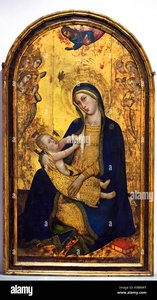
don silvestro dei gherarducci
1339 - 1399 , Italy
Quick Facts
- Artistic Movement Or Style: Gradual illumination
- Date Of Birth: 1339 Florence, Italy
- Date Of Death: 1399 Florence, Italy
- Full Name: Don Silvestro dei Gherarducci
- Nationality: Italian
- Notable Artworks:
- Madonna & Child
- Gradual from Murano
- Place Of Birth: Florence, Italy

