 Preview
 Send
Send Share
Share
 Details

 Download
 Similars
 X-Ray
X-Ray Diaporama
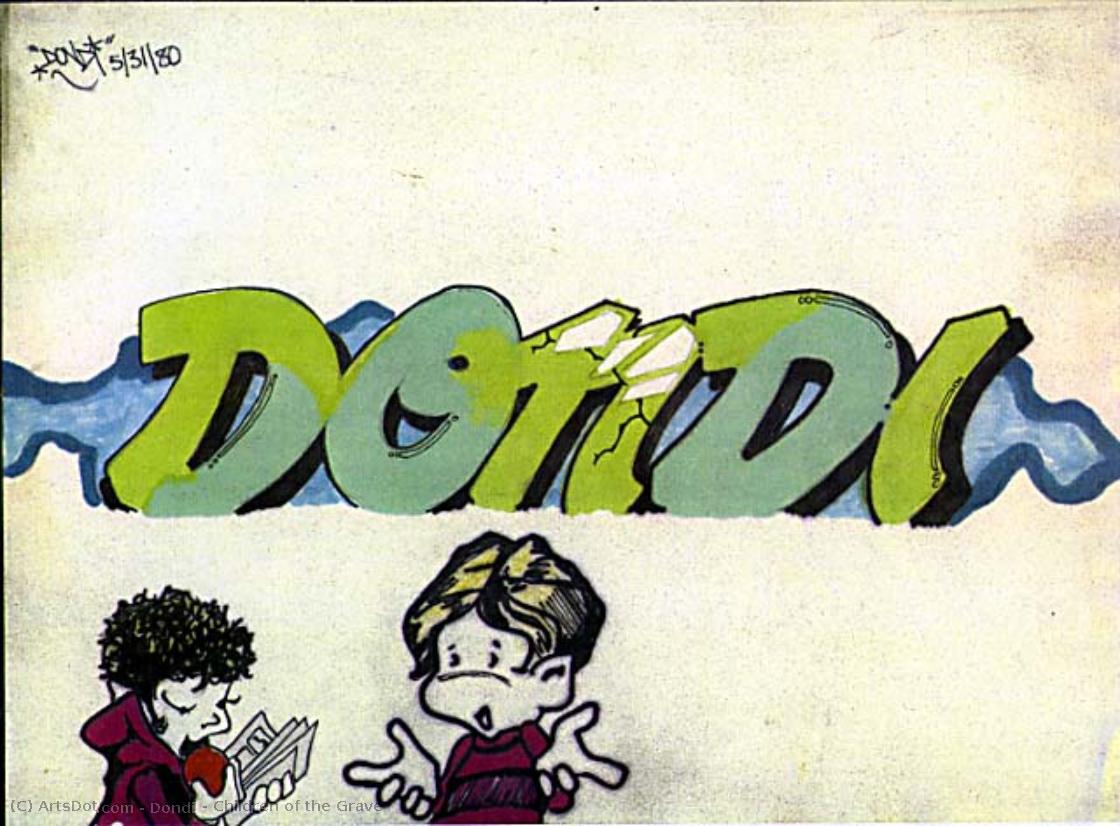
Children of the Grave


 Read More
Hand Made Oil Reproduction
Hand-painted oil on canvas in your size and frame, made to order by our artists. ( Buy Print Buy Image)




































Pick from our preset sizes that match the artwork's original proportions.

You may enter your own dimensions to fit a specific frame or space. If your selected size does not match the original image's proportions, we will either crop the artwork or extend the painting with additional hand-painted elements. A digital mockup will be sent for your approval before production begins.
Please note that the on-screen preview does not reflect the actual cropping or extension. Only the mockup will accurately show the final composition.
While custom sizes are available, we recommend selecting a dimension from the predefined list to preserve the original proportions.
After order, ArtsDot.com team will email client for instructions and provide a mockup preview
Worldwide Delivery () in 3/4 weeks instead of standard 5 weeks. (23 August). No compromise on quality.

Free Worldwide Express Shipping

High-Quality Linen Canvas

Full Shipping Insurance

Customs Tax Refund Guarantee

True Color Matching Guarantee

60-Day Return Policy (Defects Only)

100% Money-Back Guarantee

Bulk Discount Offer
 Glass option is only available in size under 110 CM

Children of the Grave
Reproduction Medium
Reproduction Size
-


Total Price
$ 288
Related Artworks





Artist Biography
Rembrandt Gladys Schmitt: A Pioneer of Color and Form in the Early 1960s
Rembrandt Gladys Schmitt (1961-1998) emerged as a strikingly original voice within the vibrant, experimental art scene of early 1960s America. Though her career was tragically cut short at the age of thirty-seven, Schmitt’s intensely personal and powerfully expressive paintings left an indelible mark on the development of Abstract Expressionism and Color Field painting, demonstrating a unique synthesis of gestural energy and carefully considered chromatic relationships. Her work, largely unseen during her lifetime, is now recognized for its emotional depth, formal innovation, and quiet defiance against prevailing artistic norms. Schmitt’s formative years were spent in rural Pennsylvania, steeped in the traditions of folk art and imbued with a deep connection to the natural world. This early exposure profoundly shaped her approach to painting – she eschewed traditional academic training, instead developing her technique through self-directed study and relentless experimentation. Influenced by the gestural abstraction of Jackson Pollock and the color explorations of Mark Rothko, Schmitt quickly moved beyond mere imitation, forging a distinctly individual style characterized by layered washes of pigment, dynamic brushwork, and an almost sculptural quality to her surfaces. She was particularly drawn to the work of Helen Frankenthaler and Morris Louis, appreciating their innovative use of thin paint applied to unprimed canvas, allowing for spontaneous drips and blooms that created luminous, atmospheric effects. However, unlike these artists, Schmitt’s process remained firmly rooted in a deliberate, controlled application of color, meticulously building up layers of translucent hues to achieve complex visual textures. The early 1960s witnessed a period of intense artistic ferment in Los Angeles, where Schmitt established herself as a key figure within the burgeoning experimental art community. She participated in numerous group exhibitions alongside other pioneering artists such as Jim Dine, Elaine de Kooning, and Bernice Bing, contributing to a dynamic environment that fostered radical ideas and challenged conventional notions of representation. Her work during this period – often characterized by swirling vortexes of color, fragmented forms, and a palpable sense of movement – reflected the anxieties and uncertainties of the era while simultaneously expressing a profound yearning for beauty and transcendence. Notably, her paintings frequently incorporated elements of landscape and memory, hinting at personal experiences and emotional states through evocative color combinations and gestural marks. The influence of Surrealism is also evident in her work, particularly in the dreamlike quality of some of her compositions and the symbolic use of imagery. Schmitt’s artistic development during this period was significantly shaped by a series of pivotal encounters with other artists and intellectuals. Her friendship with artist and critic Charles Umlauf proved particularly influential, providing her with invaluable feedback and encouragement. Furthermore, she engaged in stimulating dialogues with figures associated with Fluxus, a loosely organized movement that challenged traditional art practices through performance, happenings, and conceptual works. While not formally affiliated with Fluxus, Schmitt’s embrace of process-oriented approaches and her willingness to experiment with unconventional materials resonated deeply with the movement's ethos. Her exploration of color as a primary means of expression aligned perfectly with Fluxus’s interest in exploring the sensory experience of art. Despite facing significant challenges – including limited access to galleries and critical recognition during her lifetime – Schmitt continued to produce a remarkable body of work throughout the 1960s and early 1970s. Her paintings, often characterized by their intense emotionality and formal complexity, began to attract increasing attention from collectors and curators in the late 1980s and early 1990s. Today, Rembrandt Gladys Schmitt is recognized as a vital and underappreciated figure in American art history, her work offering a compelling glimpse into the creative spirit of a generation grappling with profound social and cultural shifts. Her legacy lies not only in her innovative use of color and form but also in her unwavering commitment to artistic experimentation and her courageous pursuit of personal expression.Key Characteristics & Techniques
- Color Field Approach:** Schmitt’s paintings are fundamentally rooted in the Color Field aesthetic, utilizing large areas of saturated color to create immersive visual experiences. However, unlike many Color Field painters, she avoided a purely passive or meditative approach, instead imbuing her fields with dynamic brushwork and gestural marks.
- Layered Pigment Application:* She employed a meticulous layering technique, building up translucent washes of pigment to achieve complex visual textures and subtle shifts in color. This process created a sense of depth and luminosity that was both captivating and emotionally resonant.
- Gestural Energy:** Despite her emphasis on color, Schmitt’s paintings retain a strong element of gestural energy, evident in the dynamic brushwork and swirling patterns that dominate many of her compositions. This reflects her early influence by Jackson Pollock and her ongoing engagement with the expressive potential of paint.
- Fragmented Forms:* Her figures and forms are often fragmented or obscured, suggesting a sense of psychological complexity and emotional ambiguity. These fragments can be interpreted as echoes of personal memories, dreams, or anxieties.
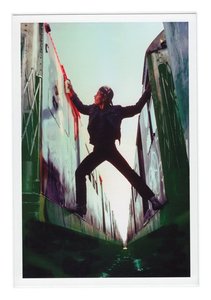
donald joseph white
1961 - 1998 , United States of America
Quick Facts
- Artists Or Movements Influenced By This Artist:
- Fluxus
- Yves Klein
- Artists Who Influenced This Artist:
- Ad Reinhardt
- Faeq Hassan
- Marc Chagall
- Cy Twombly
- Elaine de Kooning
- Jim Dine
- Bernice Bing
- Charmion von Wiegand
- Date Of Birth: 1961
- Notable Artworks:
- Abstract Painting no. 4
- Bedouins Weaving
- Chloe's Judgement
- Duo
- Force
- Head of a Man
- Mona Lisa
- Mist
- Untitled
- Velasquez Family
- Place Of Birth: WahooArt
Related Articles
Beyond Graffiti: Exploring the Evolution & Cultural Impact of Street Art for Collectors
Explore the evolution of street art from rebellious origins to a respected fine art form. Discover key artists like Banksy & learn how to collect urban art with confidence. Expert insights for discerning investors.
Beyond the Gallery Walls: The Rise of Contemporary Street Art
Explore the captivating world of contemporary street art! Discover its history, influential artists like Banksy, and evolving role in urban culture. Expert insights & analysis.