




From Vandalism to Vision: A History of Street Art
The story of street art is rarely one of pristine canvases and gallery openings. It’s a narrative etched onto brick, splashed across railway cars, and whispered through the alleyways of cities worldwide – a history born from rebellion, self-expression, and a desire to reclaim public space. Its roots stretch back further than many realize, beyond the 1970s New York graffiti boom often cited as its genesis. Ancient civilizations left their mark on walls; Pompeii’s political slogans and personal declarations offer glimpses into everyday Roman life, while prehistoric cave paintings demonstrate humanity's innate urge to communicate visually within a shared environment. These early forms of expression, though lacking the overt social commentary that defines much modern street art, established a precedent for utilizing public surfaces as platforms for communication.
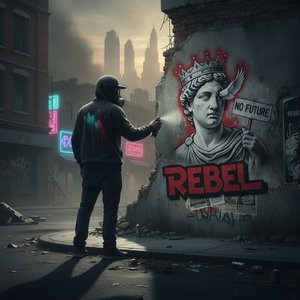
The 20th century saw this tradition evolve through various iterations – from the “Kilroy Was Here” tags left by American soldiers during World War II to the politically charged slogans of the 1960s counterculture. However, it was in the late 1970s and early 80s that graffiti truly exploded as a distinct art form, particularly in New York City. Initially driven by youth culture and territorial marking – “tagging” became a way for individuals to establish identity and claim space within an often-overlooked urban landscape. This quickly escalated into more elaborate pieces, with artists developing unique styles and competing for recognition. What was once dismissed as vandalism began to attract attention, not just from law enforcement but also from art world observers.
The Evolution of Techniques & Styles: Graffiti, Murals, and Beyond
The transition from simple tagging to the diverse range of techniques seen in contemporary street art is a testament to the creativity and innovation within the movement. Early graffiti artists primarily used spray paint, mastering control and developing intricate lettering styles. However, as the art form matured, so did its toolkit. Stencils emerged as a powerful medium, allowing for quick reproduction of images and complex designs – a technique famously employed by Banksy, whose satirical and thought-provoking stencils have become globally recognized symbols of street art’s potential for social commentary. Wheatpasting—the application of paper posters to surfaces using wheatpaste—offered another accessible method, enabling artists to create large-scale works with relative ease.
Beyond these core techniques, the boundaries of street art have continued to expand. Artists like Arne Quinze move beyond two-dimensional surfaces, creating vibrant, sculptural installations that transform urban spaces into immersive environments. His work often utilizes reclaimed materials and bold colors, challenging viewers to reconsider their relationship with the built environment. Similarly, artists are increasingly incorporating mixed media – combining paint, collage, sculpture, and even digital projections—to create multi-layered and dynamic artworks. The Hong Kong artist Tsang Tsou-choi, known as the “King of Kowloon,” stands out for his unique calligraphic style covering surfaces with layers of text and imagery, documenting a personal history within the urban fabric.
Street Art as Social Commentary: Voice of the Urban Landscape
While aesthetic innovation is crucial, what truly distinguishes street art from mere vandalism is its capacity for social commentary. From its earliest days, graffiti has served as a voice for the marginalized and disenfranchised, offering a platform to express dissent, challenge authority, and raise awareness about pressing social issues. The artwork Cash Machine Girl by Banksy exemplifies this perfectly – a stark monochrome image that critiques consumerism and highlights the vulnerability of childhood in a capitalist society.
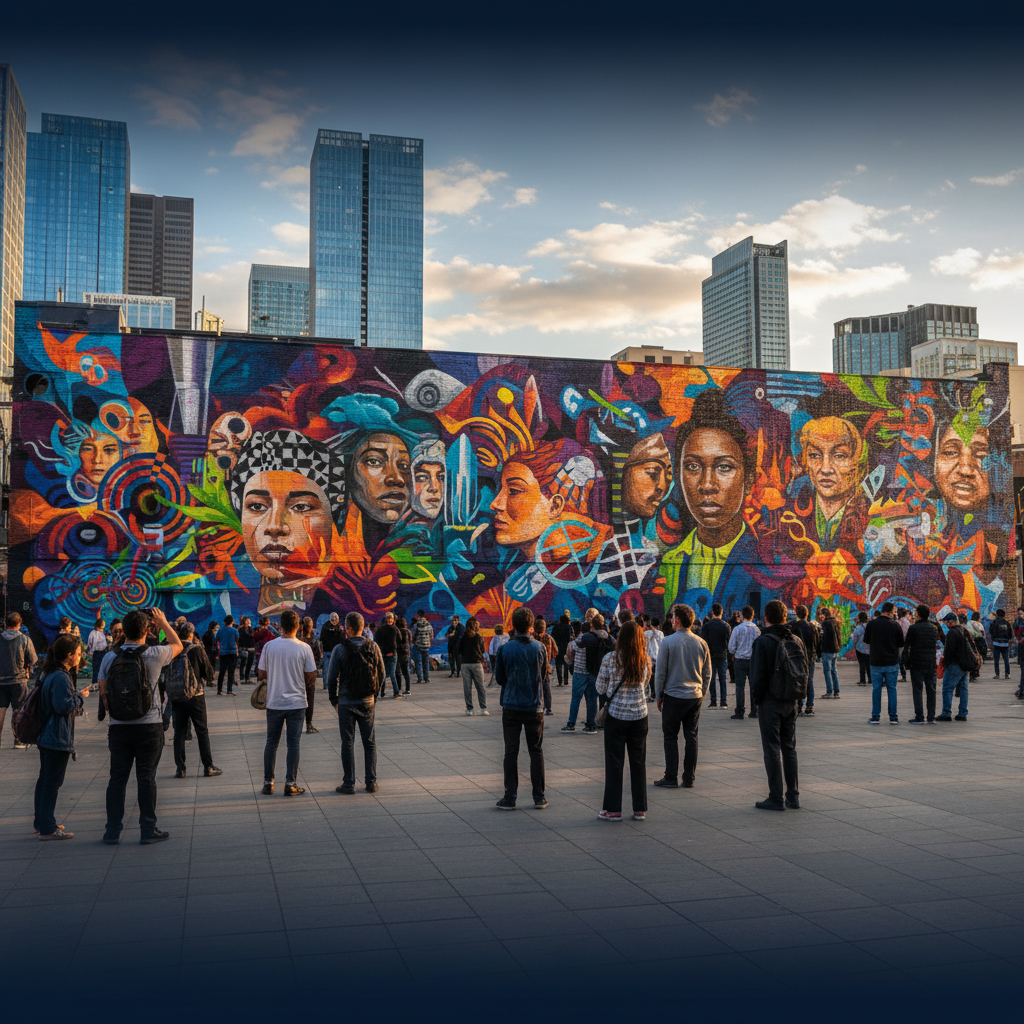
This tradition continues today, with artists tackling themes ranging from political injustice and environmental degradation to economic inequality and cultural identity. Street art provides an immediate and accessible form of public discourse, bypassing traditional gatekeepers and directly engaging audiences in their everyday lives. The ephemeral nature of much street art adds another layer of meaning – the artwork’s temporary existence underscores its message of urgency and impermanence, reminding viewers that social issues demand constant attention.
Global Hotspots & Influential Artists Shaping the Movement
Street art isn't confined to a single city or country; it’s a global phenomenon with thriving scenes in diverse urban centers. New York City remains a pivotal hub, but cities like Berlin, São Paulo, Buenos Aires, and Melbourne have also emerged as major epicenters of creativity. Each location boasts its own unique style and aesthetic, reflecting the local culture and social context.
Beyond Banksy and Arne Quinze, numerous artists are pushing the boundaries of the art form. Shepard Fairey, known for his “Obey” campaign and iconic Barack Obama “Hope” poster, blends graphic design with street art techniques to create visually striking and politically charged works. Anthony Hernandez’s photographic series Public Transit Areas, captures the stark realities of urban life in Long Beach, California, offering a documentary perspective on infrastructure and isolation. Organizations like St+art India are also playing a vital role in promoting street art within their respective regions, transforming public spaces into vibrant canvases and fostering community engagement.
The Future of Street Art: Galleries, Commercialization, and Preservation
The increasing recognition of street art has led to a complex relationship with the mainstream art world. Galleries now routinely exhibit works by street artists, and auction houses have seen record-breaking sales of pieces once considered illicit. This commercialization presents both opportunities and challenges. While it provides financial support for artists and expands their reach, it also raises questions about authenticity and the potential for co-option.
The debate over preservation is equally complex. Should ephemeral street art be documented and archived, or should its transient nature be respected? Museums like Street Art NYC and Galeria de Arte Urbana in Lisbon are dedicated to preserving and showcasing this dynamic art form, but the act of removing a piece from its original context inevitably alters its meaning. Ultimately, the future of street art lies in finding a balance between celebrating its rebellious spirit and acknowledging its growing cultural significance – ensuring that it continues to challenge, inspire, and provoke dialogue for generations to come.