

The Ghost in the Machine: Decoding Banksy's Anonymity
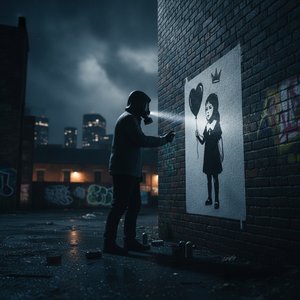
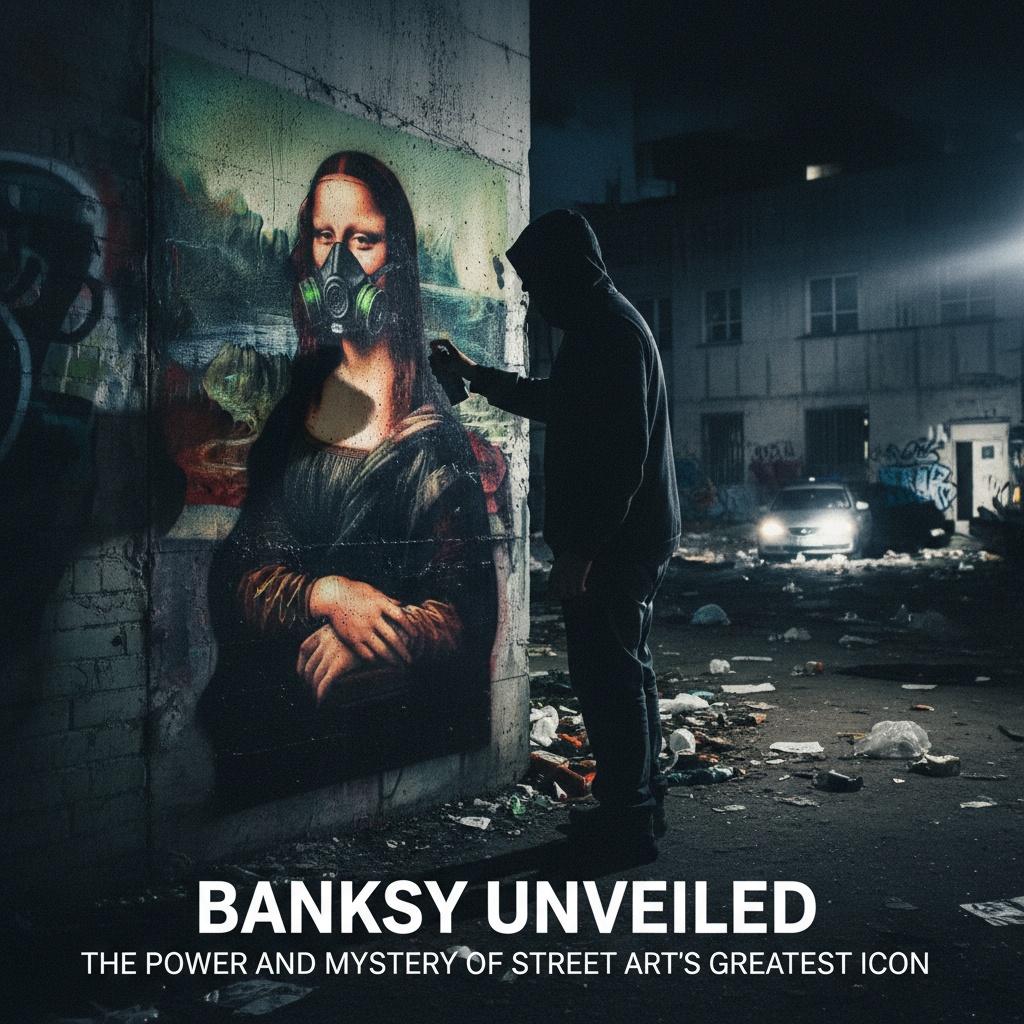
In the grand tapestry of art history, few figures have commanded as much reverence and curiosity as the specter known only as Banksy. To discuss Banksy is to engage with a paradox; he is a global phenomenon whose face remains hidden behind a veil of anonymity, a phantom operating within the very heart of the public eye. This deliberate erasure of identity serves as more than a mere shield against legal repercussions; it is a profound artistic statement in itself. By removing the persona of the creator, the focus shifts entirely to the message, forcing the viewer to confront the raw, unadulterated truth of the work without the bias of an individual's biography.
This anonymity creates a vacuum that the public fills with myth and legend, turning every new appearance into a cultural event. In an era defined by overexposure and the relentless curation of the self on digital platforms, Banksy’s refusal to participate in the cult of personality feels like a radical act of rebellion. He exists as a ghost in the machine of modern celebrity, a presence felt through the impact of his stencils on concrete walls rather than through press conferences or red-carpet appearances. This mystery is the engine of his power, ensuring that the art remains the protagonist of the narrative.
Stencil & Subversion: The Art History of Urban Rebellion
While many view street art as a modern phenomenon, Banksy’s technique draws deeply from the lineage of subversive visual communication. His mastery of the stencil—a method characterized by sharp edges and rapid execution—is not merely a practical necessity for an artist working under the cover of darkness; it is a stylistic choice that echoes the urgency of political propaganda and the grit of underground movements. There is a direct, albeit transformed, connection to the way historical agitprop used simplified imagery to communicate complex ideologies to the masses.
The stencil allows for a certain clinical precision amidst the chaos of the urban environment. It enables the artist to layer symbols with surgical accuracy, creating high-contrast images that demand attention against the weathered textures of city life. This technique bridges the gap between the ephemeral nature of graffiti and the permanence of fine art. By utilizing a method rooted in speed and repetition, Banksy invokes the spirit of the Dadaists, who used absurdity and shock to dismantle the traditional structures of the art establishment. His work is a contemporary evolution of this rebellion, using the tools of the street to critique the very institutions that now seek to auction his creations for millions.
From Concrete to Canvas: Analyzing Iconic Works like 'Swinger' and 'Old Skool'
To truly understand the emotional resonance of Banksy’s oeuvre, one must look closely at the specific narratives embedded within his most celebrated pieces. In works such as 'Swinger', we encounter a poignant juxtaposition of childhood innocence and urban hardship. The image of a child on a swing, set against a backdrop of gritty, industrial decay, serves as a haunting metaphor for the fragility of hope in an increasingly cynical world. It is a moment of stillness captured amidst the relentless movement of the city, inviting the observer to reflect on the loss of simplicity in the face of systemic struggle.
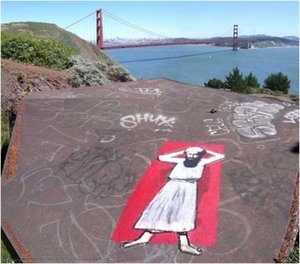
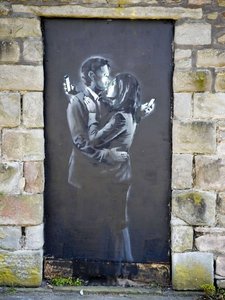
Similarly, 'Old Skool' offers a layered exploration of urban culture and social commentary. Through his use of weathered concrete as a medium, Banksy allows the history of the site to bleed into the artwork itself. The piece becomes a dialogue between the artist’s stencil and the natural erosion of the city, creating a sense of temporal depth. In other works like 'Well Hung Lover', the artist utilizes shock value and nudity to provoke discussions on voyeurism and social observation. These pieces are not merely decorations; they are carefully constructed visual essays that use the textures of the street to ground their profound philosophical inquiries.
Social Commentary in the Age of Viral Imagery
We live in an age where an image can traverse the globe in seconds, stripped of its original context and repurposed for endless digital consumption. Banksy has mastered this landscape, understanding that the true life of his art exists both on the wall and on the screen. His work is designed to be viral; it possesses a built-in shareability that relies on instant recognition and emotional impact. This creates a fascinating tension: while the physical work may be subject to the elements or even removed by authorities, its digital afterlife ensures a permanent, global resonance.
This era of hyper-connectivity has transformed street art from a localized phenomenon into a universal language of protest. Banksy’s ability to tap into the collective consciousness regarding war, consumerism, and surveillance allows his work to act as a mirror for contemporary anxieties. Each stencil becomes a meme in the truest sense—a unit of cultural information that sparks debate across borders. He utilizes the very tools of modern media—satire, irony, and visual shorthand—to critique the saturation of imagery that often obscures the truth.
The Paradox of the Street: When Vandalism Becomes High Art
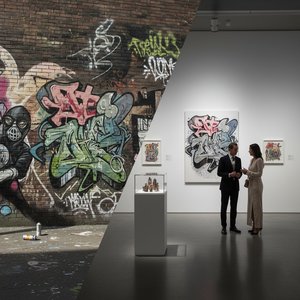
Perhaps the most profound tension in Banksy’s career is the collision between the illegality of his methods and the prestige of the art market. There is an inherent contradiction in a work that begins as an act of vandalism—a transgression against property rights—and ends as a blue-chip investment held in private collections. This transition from the periphery to the center of the art world challenges our very definitions of value, authorship, and legitimacy. When a piece of street art is chiseled from a wall to be sold at auction, does it lose its soul, or does its message simply reach a more influential audience?
This paradox is where Banksy’s genius truly resides. He navigates the space between the gutter and the gallery with unparalleled dexterity, often mocking the very market that celebrates him. By forcing the high-art establishment to grapple with his subversive presence, he exposes the fluidity of cultural value. The street remains the ultimate stage for his performance, a place where the boundaries between crime and creativity are perpetually blurred. In the end, Banksy reminds us that art is not defined by the frame that surrounds it, but by the power of the idea to disrupt, to provoke, and to endure.
At ArtsDot.com, we celebrate the enduring impact of all artistic movements, from the classical masters to the provocative icons of the street. While we specialize in bringing the beauty of fine art into your home through meticulous oil reproductions and museum-quality prints, we hold a deep respect for the transformative power of contemporary legends like Banksy. Whether you are looking to commission a custom masterpiece or explore the textures of history, our mission is to preserve the spirit of human creativity for generations to come.