 Preview
 Send
Send Share
Share
 Details

 Download
 Similars
 X-Ray
X-Ray Diaporama
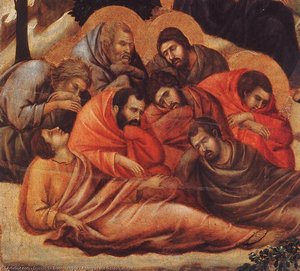
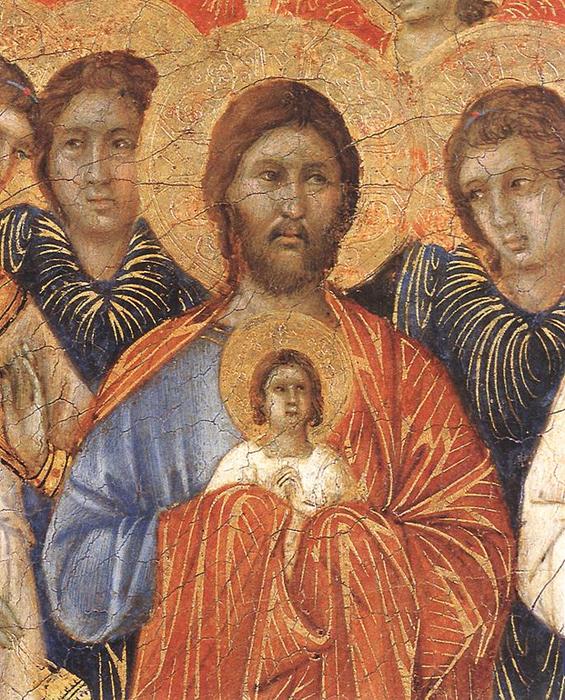
Death of the Virgin (detail)


 Read More
Hand Made Oil Reproduction
Hand-painted oil on canvas in your size and frame, made to order by our artists. ( Buy Print Buy Image)




P118B $10

P118H $10

P118W $10

P438Z $10

P508JH $12

P508YH $12

P805H $10

P805Z $10

P919BZ $10

P919G $10

P919XJ $10

P959ZH $10

P968JZ $12

W106C $8

W218G $10

W218JH $8

W218Y $10

W307PJ $10

W316G $10

W316PJ $8

W316Y $10

W398PJ $8

W4111J $10

W500HY $15

W500JH $15

W692G $12

W849H $8

W940BG $15

W953PJ $8




Pick from our preset sizes that match the artwork's original proportions.

You may enter your own dimensions to fit a specific frame or space. If your selected size does not match the original image's proportions, we will either crop the artwork or extend the painting with additional hand-painted elements. A digital mockup will be sent for your approval before production begins.
Please note that the on-screen preview does not reflect the actual cropping or extension. Only the mockup will accurately show the final composition.
While custom sizes are available, we recommend selecting a dimension from the predefined list to preserve the original proportions.
After order, ArtsDot.com team will email client for instructions and provide a mockup preview
Worldwide Delivery () in 3/4 weeks instead of standard 5 weeks. (16 August). No compromise on quality.

Free Worldwide Express Shipping

High-Quality Linen Canvas

Full Shipping Insurance

Customs Tax Refund Guarantee

True Color Matching Guarantee

60-Day Return Policy (Defects Only)

100% Money-Back Guarantee

Bulk Discount Offer
 Glass option is only available in size under 110 CM

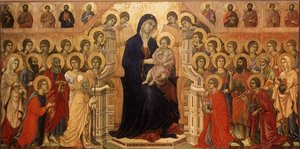
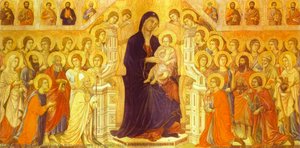
Death of the Virgin (detail)
Reproduction Medium
Reproduction Size
-


Total Price
$ 263
Artwork Description
A Lament in Gold and Shadow: Duccio’s ‘Death of the Virgin’ – A Window into Medieval Grief
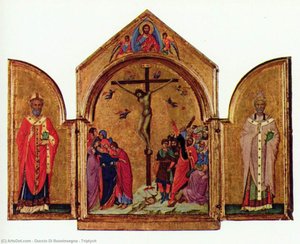
Duccio di Buoninsegna's “Death of the Virgin,” painted around 1308, isn’t merely a depiction of loss; it’s a profound meditation on faith, grief, and the enduring power of compassion. Emerging from Siena during a period of immense artistic and social transformation – a time when Byzantine formality was yielding to the nascent Italian spirit – Duccio masterfully navigated this shift, creating an image that resonates with both ancient reverence and startlingly human emotion. This particular detail, often studied for its exquisite execution, offers a concentrated glimpse into the heart of his masterpiece. The scene unfolds within a dimly lit interior, suggesting a chapel or private devotional space, bathed in the warm glow of candlelight. The focus is undeniably on Christ cradling the deceased Virgin Mary, his expression a poignant blend of sorrow and protective tenderness. He’s not a distant, idealized figure; rather, he embodies earthly concern, mirroring the grief of those gathered around him.
Technique and Materiality: The Language of Sienese Painting
Duccio's mastery lies in his nuanced approach to color and texture. Notice the lavish use of gold leaf – a hallmark of Sienese painting at this time – which doesn’t simply denote divinity but imbues the scene with an ethereal quality, suggesting the presence of angels or the realm beyond. The pigments themselves are carefully chosen: deep blues and purples evoke sorrow and mourning, while subtle greens and browns ground the composition in earthly reality. The artist employs a technique known as *sfumato*, subtly blurring lines and edges to create a sense of atmospheric depth and softness. This is particularly evident around Mary’s face, lending her an almost translucent beauty. The drapery, rendered with meticulous attention to folds and textures, adds another layer of realism, moving away from the flat, stylized forms prevalent in earlier Byzantine art. The use of tempera on panel – a traditional medium that allowed for layering and detail – contributes significantly to the painting’s luminous quality.
Symbolism: A Tapestry of Meaning
Beyond the immediate depiction of grief, “Death of the Virgin” is rich in symbolic resonance. The presence of the figures surrounding Christ—a young man on the left and two others on the right—represents the community mourning their loss. The three birds, often interpreted as symbols of hope and resurrection, offer a subtle counterpoint to the prevailing sadness. They perch near the top-left corner, perhaps suggesting that even in death, faith endures. The positioning of Mary’s body is deliberate; she rests on a simple cloth, devoid of elaborate ornamentation, emphasizing her humility and vulnerability. The inclusion of a small child, cradled by Christ's arm, speaks to themes of innocence lost and the promise of eternal life – a common motif in depictions of the Virgin’s death.
Emotional Resonance: A Timeless Portrait of Human Suffering
What truly elevates “Death of the Virgin” is its ability to evoke genuine empathy. Duccio doesn't present grief as an abstract concept; he renders it with startling immediacy. Christ’s face, etched with sorrow, communicates a profound sense of loss and responsibility. The figures surrounding him are not merely observers but participants in the mourning process, their expressions mirroring his own anguish. This intimate portrayal of human suffering was revolutionary for its time, moving beyond purely formal representations to engage viewers on an emotional level. It’s this capacity to connect with our shared experience of grief and loss that ensures Duccio's “Death of the Virgin” continues to captivate and move audiences centuries after its creation. A reproduction captures a fraction of this power, offering a tangible connection to one of the most poignant works in the history of Italian art.
Related Artworks
Artist Biography
The Sienese Luminary: Duccio di Buoninsegna and the Dawn of a New Italian Vision
Duccio di Buoninsegna, born in Siena around 1255, stands as a pivotal figure bridging the stylistic chasm between the Byzantine world and the burgeoning artistic sensibilities of Italy. While biographical details remain frustratingly scarce—the man himself often obscured by the brilliance of his art—his impact on the Sienese School and the trajectory of Italian painting is undeniable. He emerged during a period where religious iconography was deeply entrenched, yet a yearning for greater naturalism and emotional resonance was beginning to stir within artistic circles. Duccio wasn’t merely a painter; he was an innovator who dared to infuse sacred narratives with human feeling, subtly shifting the focus from rigid formality towards a more intimate connection between the divine and the earthly realm. His early training remains somewhat mysterious, though speculation suggests possible influences ranging from Florentine masters to direct exposure to Byzantine artistry—perhaps even travels to Constantinople itself. Whatever his formative experiences, they coalesced into a unique style that would define an era.
A Synthesis of Tradition and Innovation
Duccio’s artistic development wasn't a sudden rupture with the past but rather a graceful evolution. His initial works were deeply rooted in Byzantine conventions: the lavish use of gold leaf to evoke celestial light, stylized figures possessing an ethereal quality, and a meticulous attention to religious symbolism. However, even within these established parameters, Duccio began to subtly introduce elements that foreshadowed his later innovations. He experimented with spatial arrangements, hinting at depth where flatness had previously reigned supreme. His color palettes, while still vibrant, gained a newfound subtlety and harmony. More importantly, he started imbuing his figures with a nascent sense of humanity—a gentle curve of the mouth suggesting a smile, a slight tilt of the head conveying contemplation. This wasn’t a rejection of Byzantine ideals but a refinement, an infusion of life into what had often been static representations. He skillfully blended tradition and innovation, creating a style that was both reverent and remarkably fresh.
Masterpieces of Faith and Artistry
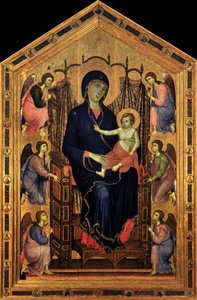
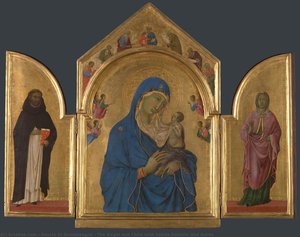
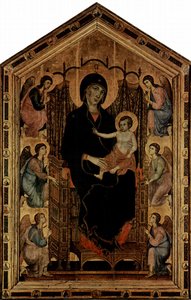
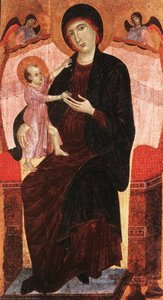
Two works stand as testaments to Duccio’s genius: the *Rucellai Madonna* (1285) and, most famously, the *Maestà* (1308-1311). The *Rucellai Madonna*, commissioned for a chapel in Florence, marked a significant departure from conventional Byzantine iconography. Its composition, while still adhering to traditional forms, displayed a greater sense of spatial organization and a more naturalistic depiction of the Virgin Mary and Child. But it was the *Maestà*—a monumental altarpiece created for Siena Cathedral—that truly cemented Duccio’s legacy. This sprawling masterpiece comprises numerous panels depicting scenes from the life of the Virgin Mary and Christ, each one a miniature work of art in itself. The Maestà is not merely a collection of paintings; it's a visual narrative, unfolding with breathtaking detail and emotional depth. Duccio’s mastery of light and shadow, his ability to convey complex emotions through subtle gestures, and his innovative use of perspective all converge in this single, awe-inspiring work. Beyond these monumental pieces, works like *Polyptych No. 28* demonstrate his continued compositional skill and meticulous attention to detail.
A Lasting Legacy: Shaping the Future of Italian Art
Duccio di Buoninsegna’s influence extended far beyond his lifetime. He revolutionized Italian painting, paving the way for the development of the Sienese School—a distinct artistic tradition characterized by its elegance, refinement, and emotional intensity. His emphasis on naturalism, spatial depth, and human emotion directly impacted subsequent generations of artists, influencing not only those within Siena but also painters in Florence and beyond. While Giotto is often credited with initiating the Renaissance style, Duccio’s contributions were equally crucial, laying the groundwork for the artistic innovations that would define the 14th century and beyond.
- He pioneered new approaches to depicting space and perspective.
- His paintings are renowned for their vibrant and harmonious color schemes.
- He infused his figures with a sense of humanity and emotional resonance.
Despite facing financial hardships during his life, Duccio’s artistic legacy endures. His masterpieces continue to inspire awe and admiration, serving as a powerful reminder of the transformative power of art. He helped define the Trecento art movement, leaving an indelible mark on the history of Western painting. Today, his works can be found in prominent museums worldwide, offering glimpses into a world where faith, artistry, and human emotion converged with breathtaking beauty.
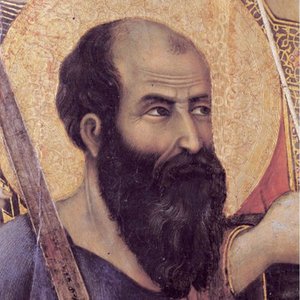
Duccio di Buoninsegna
1255 - 1319 , Italy
Quick Facts
- Artistic Movement Or Style: Gothic, Sienese School
- Artists Or Movements Influenced By This Artist:
- Sienese School
- Italian Gothic
- Artists Who Influenced This Artist: ['Byzantine art']
- Date Of Birth: c. 1255
- Date Of Death: 1319
- Full Name: Duccio di Buoninsegna
- Nationality: Italian
- Notable Artworks:
- Rucellai Madonna
- Maestà
- Polyptych No. 28
- Place Of Birth: Siena, Italy
Related Articles
High Medieval Art: 10 Masterpieces That Shaped an Era | ArtsDot
Journey through High Medieval Art! Explore 10 iconic masterpieces – from Giotto's frescoes to stunning Gothic cathedrals. Discover the stories behind these timeless paintings, sculptures & illuminated manuscripts. Find museum-quality art reproductions at ArtsDot.com.
Late Medieval Masterpieces: 10 Artworks That Defined an Era | ArtsDot
Journey through 10 defining Late Medieval masterpieces – from Giotto's frescoes to Jan van Eyck’s realism. Explore the stories, techniques & vibrant colors of Gothic art. Find museum-quality reproductions and elevate your home decor with ArtsDot.com! Discover all masterpieces on ArtsDot.com

Giotto's Masterpieces: 25 Renaissance Artworks for Your Home | ArtsDot
Explore 25 breathtaking artworks by Giotto di Bondone, a Renaissance master. Discover the stories behind iconic frescoes & paintings like the Scrovegni Chapel cycle. Find museum-quality Giotto reproductions and elevate your home decor with ArtsDot.com.
Proto-Renaissance Masters: 10 Artworks That Changed History | ArtsDot
Journey back to the dawn of Renaissance art! Explore 10 iconic Proto-Renaissance masterpieces by Giotto, Cimabue & Duccio. Discover their stories, techniques & lasting impact. Find museum-quality reproductions for your home at ArtsDot.com
Simone Martini: Innovation, Spirituality & Courtly Refinement in Sienese Painting
Explore the captivating world of Simone Martini, a pivotal figure in Sienese painting & the International Gothic style. Discover his innovative techniques, spiritual depth, and lasting influence on early Renaissance art.