 Preview
 Send
Send Share
Share
 Details

 Download
 Similars
 X-Ray
X-Ray Diaporama
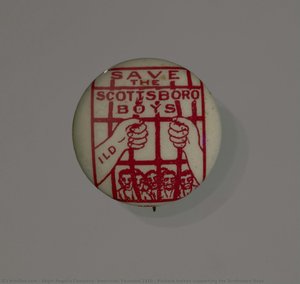
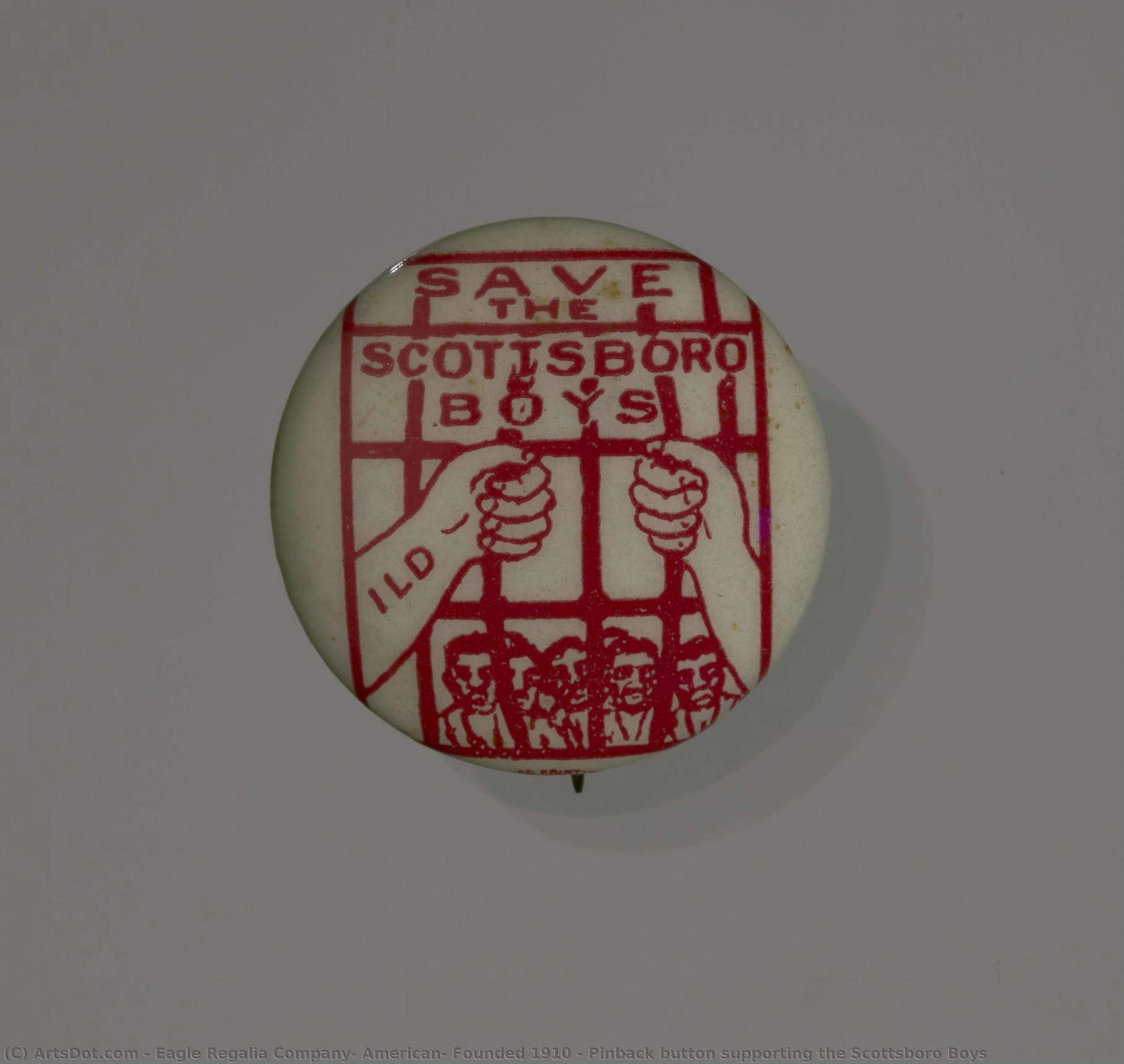
Pinback button supporting the Scottsboro Boys


 Read More
Hand Made Oil Reproduction
Hand-painted oil on canvas in your size and frame, made to order by our artists. ( Buy Print Buy Image)




































Pick from our preset sizes that match the artwork's original proportions.

You may enter your own dimensions to fit a specific frame or space. If your selected size does not match the original image's proportions, we will either crop the artwork or extend the painting with additional hand-painted elements. A digital mockup will be sent for your approval before production begins.
Please note that the on-screen preview does not reflect the actual cropping or extension. Only the mockup will accurately show the final composition.
While custom sizes are available, we recommend selecting a dimension from the predefined list to preserve the original proportions.
After order, ArtsDot.com team will email client for instructions and provide a mockup preview
Worldwide Delivery () in 3/4 weeks instead of standard 5 weeks. (27 August). No compromise on quality.

Free Worldwide Express Shipping

High-Quality Linen Canvas

Full Shipping Insurance

Customs Tax Refund Guarantee

True Color Matching Guarantee

60-Day Return Policy (Defects Only)

100% Money-Back Guarantee

Bulk Discount Offer
 Glass option is only available in size under 110 CM

Pinback button supporting the Scottsboro Boys
Reproduction Medium
Reproduction Size
-


Total Price
$ 263
Related Artworks









Artist Biography
The Enduring Legacy of the Eagle Regalia Company
Founded in 1910, the Eagle Regalia Company stands as a remarkable testament to the evolving intersection of Native American artistry and commercial enterprise in the early 20th century. Emerging during a period of significant cultural exchange – and often fraught appropriation – the company carved a unique niche by producing and distributing regalia, initially catering primarily to non-Native markets seeking what they perceived as “authentic” Indigenous objects. While its origins are complex and require nuanced understanding, Eagle Regalia’s story is inextricably linked to the broader narrative of Native American art during a time of profound societal shifts. The company wasn't founded *by* Native artists initially, but rather by entrepreneurs recognizing a demand for items associated with Plains Indian culture, particularly those used in ceremonial contexts. This early phase involved employing Native artisans – primarily from tribes across the Great Plains – to create pieces based on designs and specifications provided by the company.Early Production and Market Influence
The first decades of Eagle Regalia’s operation were characterized by a focus on items like beaded bags, moccasins, dresses, headdresses, and shields. These objects weren't simply reproductions; they represented a synthesis of traditional techniques and evolving aesthetic preferences dictated by the market. The company actively sought out skilled beadworkers, quill workers, and leather artisans, providing them with materials and a platform to sell their creations. However, it’s crucial to acknowledge that this arrangement often involved limited artistic control for the Native artists themselves. Designs were frequently adapted to appeal to tourist tastes, resulting in pieces that sometimes deviated from authentic ceremonial practices or held altered symbolic meanings. Despite these complexities, Eagle Regalia played a significant role in disseminating Plains Indian art forms beyond their traditional geographic boundaries. Their catalogs and marketing materials helped shape public perceptions of Indigenous culture, albeit through a filtered lens. The company’s reach extended across the United States and even internationally, introducing a wider audience to the beauty and craftsmanship of Native American artistry.Evolving Relationships with Artists
Over time, Eagle Regalia's relationship with its Native artisan base began to evolve. Recognizing the growing demand for higher-quality, more authentic pieces, the company gradually granted artists greater creative freedom. This shift was partly driven by increasing awareness of cultural sensitivity and a desire to move away from purely commercial exploitation. While documentation remains limited, anecdotal evidence suggests that some artisans were able to incorporate their own designs and symbolic motifs into their work, resulting in pieces that reflected their individual tribal traditions and personal artistic visions. The company also began to collaborate with specific artists on commissioned projects, allowing them to showcase their unique skills and expertise. This period marked a move towards a more collaborative model, although the power dynamics inherent in the commercial relationship still presented challenges.Symbolism and Artistic Techniques
The regalia produced by Eagle Regalia Company is rich in symbolism drawn from the spiritual beliefs and cultural practices of Plains Indian tribes. Beadwork, for example, was not merely decorative; it often served as a form of storytelling, with intricate patterns representing clan affiliations, personal achievements, or sacred narratives. Quill work, another prominent technique, involved painstakingly applying porcupine quills to leather surfaces, creating elaborate designs that reflected the artist’s skill and attention to detail. Leatherwork encompassed a wide range of objects, from moccasins and dresses to shields and medicine bags, each imbued with its own unique significance. The use of natural materials – such as beads, feathers, shells, and animal hides – further reinforced the connection between the regalia and the natural world. Eagle feathers, in particular, held profound spiritual importance, symbolizing courage, honor, and a direct link to the Great Spirit. The careful selection and arrangement of these materials were essential to conveying the intended meaning and ensuring the integrity of the piece.Historical Significance and Contemporary Relevance
Today, Eagle Regalia Company’s legacy is viewed with both appreciation and critical awareness. While its early practices may have contributed to cultural appropriation, the company also provided economic opportunities for Native artisans during a period when few alternatives existed. More importantly, the regalia it produced helped preserve and disseminate traditional art forms that might otherwise have been lost. The objects created by Eagle Regalia serve as valuable historical artifacts, offering insights into the evolving relationship between Native American culture and the broader society.- They provide a tangible link to the past, allowing us to understand the artistic techniques and symbolic meanings of Plains Indian art.
- They raise important questions about cultural ownership, authenticity, and the ethics of commercial enterprise.
- They highlight the resilience and adaptability of Native American artists in the face of adversity.