 Preview
 Send
Send Share
Share
 Details

 Download
 Similars
 X-Ray
X-Ray Diaporama
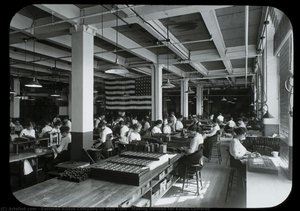
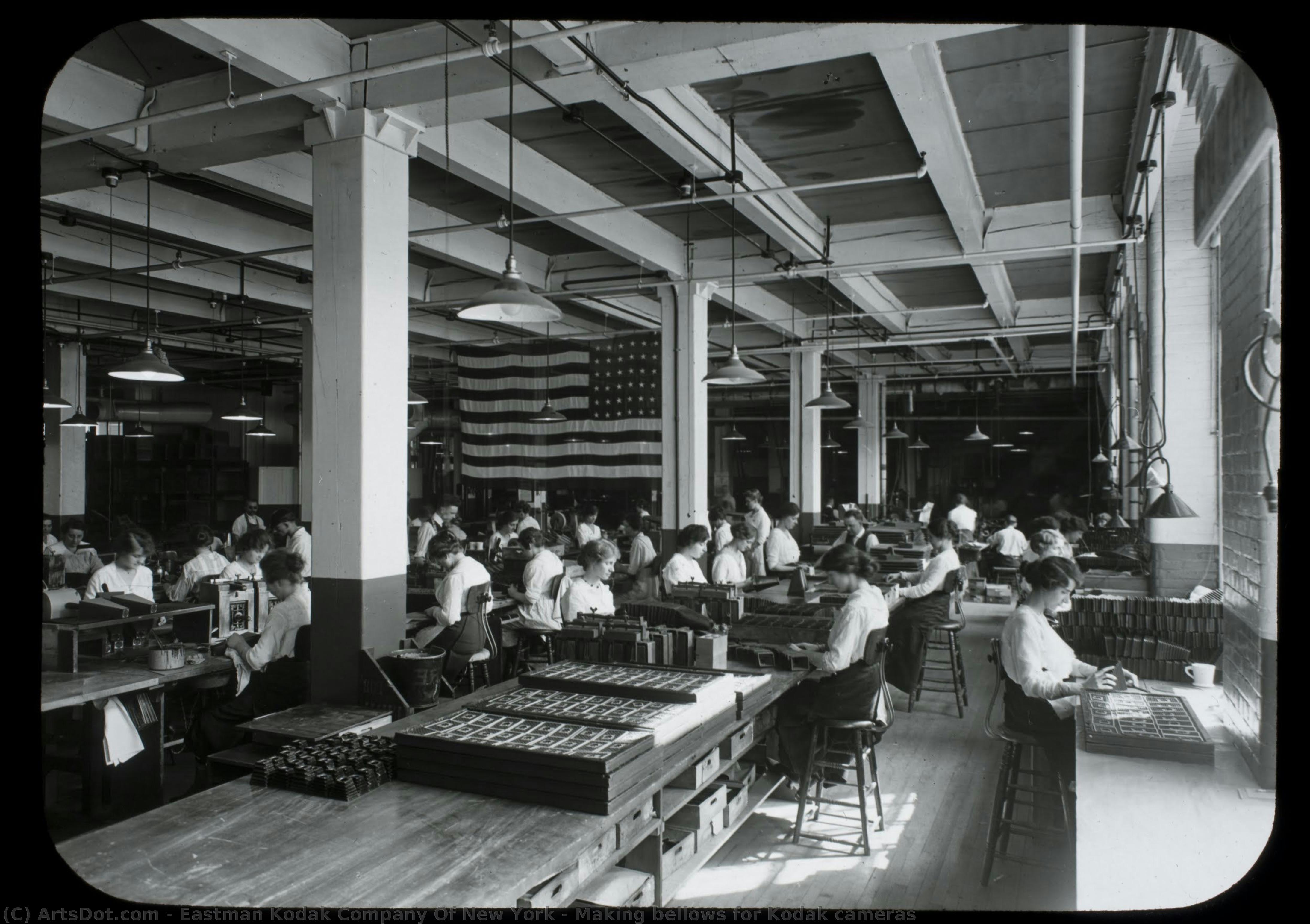
Making bellows for Kodak cameras


 Read More
Giclée / Art Print
Museum-quality giclée or canvas print with fast production and flexible finish options. ( Buy Hand Made Painting Buy Image)




































Pick from our preset sizes that match the artwork's original proportions.

You may enter your own dimensions to fit a specific frame or space. If your selected size does not match the original image's proportions, we will either crop the artwork or extend the image with a mirrored or solid-fill edge. A digital mockup will be sent for your approval before production begins.
Please note that the on-screen preview does not reflect the actual cropping or extension. Only the mockup will accurately show the final composition.
While custom sizes are available, we recommend selecting a dimension from the predefined list to preserve the original proportions.
Worldwide Delivery () in 2 weeks instead of standard 4/5 weeks. (5 September)

Free Worldwide Express Shipping

High-Quality Linen Canvas

Full Shipping Insurance

Customs Tax Refund Guarantee

True Color Matching Guarantee

60-Day Return Policy (Defects Only)

100% Money-Back Guarantee

Bulk Discount Offer
 Glass option is only available in size under 110 CM

Making bellows for Kodak cameras
Giclée / Art Print
Reproduction Size
-


Total Price
$ 63
Related Artworks










Artist Biography
The Unexpected Canvas: Eastman Kodak Company of New York and the Democratization of Imagery
It seems paradoxical to consider a corporation, synonymous with photographic technology, as an artist in its own right. Yet, the Eastman Kodak Company of New York, through its relentless innovation and widespread distribution of cameras and film, fundamentally altered how we perceive and interact with the world – effectively becoming a pivotal force in shaping visual culture. To understand this unique artistic legacy, one must move beyond the traditional notion of individual authorship and embrace the concept of collective creation, where technology itself serves as the medium and the masses become the artists. Founded in 1888 by George Eastman, Kodak wasn’t initially conceived as a purveyor of art supplies, but rather as a solution to a practical problem: simplifying photography for everyone. Before Kodak, capturing an image was a laborious process reserved for professionals with specialized knowledge and equipment. Eastman's vision – “You press the button, we do the rest” – democratized the field, placing the power of visual representation into the hands of ordinary people.From Brownie to Global Phenomenon: The Rise of Snapshot Aesthetics
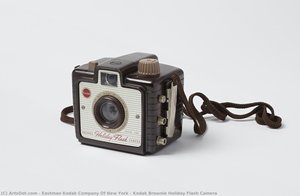
The introduction of the Kodak Brownie camera in 1900 marked a turning point. Affordable and user-friendly, it ignited a global passion for amateur photography. Suddenly, families documented their vacations, everyday life, and personal milestones with unprecedented frequency. This wasn’t about achieving technical perfection; it was about capturing moments, preserving memories, and sharing experiences. The resulting aesthetic – often characterized by candid compositions, soft focus, and a distinctly personal perspective – became known as “snapshot aesthetics.” While initially dismissed by the established art world, this style gradually gained recognition for its authenticity and emotional resonance. Kodak’s influence extended beyond simply providing the tools; their marketing campaigns actively encouraged participation, fostering a sense of community among amateur photographers. They sponsored contests, published how-to guides, and even created dedicated processing labs to facilitate the entire photographic process. This holistic approach solidified Kodak's role not just as a manufacturer but as an enabler of visual expression.Technological Innovation as Artistic Catalyst
Kodak’s artistic impact wasn’t limited to the Brownie. Throughout the 20th century, the company consistently pushed the boundaries of photographic technology, introducing innovations that further expanded creative possibilities. The development of color film in the 1930s brought a new vibrancy and realism to amateur photography, while advancements in film speed allowed for capturing images in low-light conditions. Each technological leap unlocked new avenues for visual storytelling. The company’s commitment to research and development wasn't merely about improving image quality; it was about empowering photographers to see the world differently. The introduction of instant photography with the Polaroid cameras (though a competitor, Kodak quickly followed suit) further blurred the lines between creation and consumption, offering immediate gratification and fostering a more spontaneous approach to visual art.A Legacy Beyond Silver Halide: Shaping Modern Visual Culture
The rise of digital photography in the late 20th and early 21st centuries presented a significant challenge to Kodak’s dominance. While initially slow to adapt, the company eventually embraced digital technology, recognizing its potential for further innovation. However, the shift from silver halide film to digital sensors marked a profound change in the landscape of visual culture. Kodak's initial reluctance highlights a crucial point: their artistic legacy isn’t solely defined by the materials they produced but by the cultural impact they initiated. Even as the company faced financial difficulties, its influence continued to permeate modern art and photography. The snapshot aesthetic pioneered by Kodak became a foundational element of contemporary visual language, influencing everything from documentary photography to social media imagery. Today, the ubiquity of smartphone cameras – arguably a direct descendant of the Brownie – stands as a testament to Kodak’s enduring vision: making image-making accessible to everyone.The Enduring Influence and Historical Significance
Eastman Kodak Company of New York's contribution transcends the realm of commercial enterprise; it represents a fundamental shift in how we understand authorship, creativity, and visual representation. By democratizing photography, they empowered generations to document their lives, share their perspectives, and shape our collective memory.- The company’s innovations spurred countless artistic movements and influenced the development of modern art.
- Kodak's marketing strategies fostered a sense of community among amateur photographers, creating a vibrant visual culture.
- The snapshot aesthetic, initially dismissed by the art world, became a foundational element of contemporary visual language.
- Their legacy continues to resonate in the ubiquity of digital photography and social media imagery.