 Preview
 Send
Send Share
Share
 Details

 Download
 Similars
 X-Ray
X-Ray Diaporama
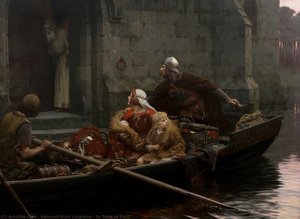
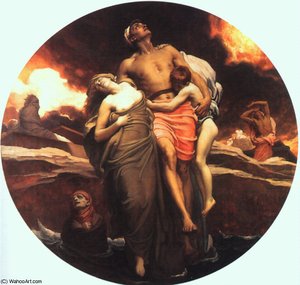
In Time of Peril
 Acrylic On Canvas
- WallArt
- Pre-Raphaelite Movement
 1897
1897 168.0 x 124.0 cm
 Auckland Art Gallery Toi o Tāmaki
 Read More
Hand Made Oil Reproduction
Hand-painted oil on canvas in your size and frame, made to order by our artists. ( Buy Print Buy Image)




P118B $10

P118H $10

P118W $10

P438Z $10

P508JH $12

P508YH $12

P805H $10

P805Z $10

P919BZ $10

P919G $10

P919XJ $10

P959ZH $10

P968JZ $12

W106C $8

W218G $10

W218JH $8

W218Y $10

W307PJ $10

W316G $10

W316PJ $8

W316Y $10

W398PJ $8

W4111J $10

W500HY $15

W500JH $15

W692G $12

W849H $8

W940BG $15

W953PJ $8




Pick from our preset sizes that match the artwork's original proportions.

You may enter your own dimensions to fit a specific frame or space. If your selected size does not match the original image's proportions, we will either crop the artwork or extend the painting with additional hand-painted elements. A digital mockup will be sent for your approval before production begins.
Please note that the on-screen preview does not reflect the actual cropping or extension. Only the mockup will accurately show the final composition.
While custom sizes are available, we recommend selecting a dimension from the predefined list to preserve the original proportions.
After order, ArtsDot.com team will email client for instructions and provide a mockup preview
Worldwide Delivery () in 3/4 weeks instead of standard 5 weeks. (17 August). No compromise on quality.

Free Worldwide Express Shipping

High-Quality Linen Canvas

Full Shipping Insurance

Customs Tax Refund Guarantee

True Color Matching Guarantee

60-Day Return Policy (Defects Only)

100% Money-Back Guarantee

Bulk Discount Offer
 Glass option is only available in size under 110 CM

In Time of Peril
Reproduction Medium
Reproduction Size
-


Total Price
$ 263
Artwork Description
A Moment Frozen in Time: Edmund Blair Leighton’s “In Time of Peril”
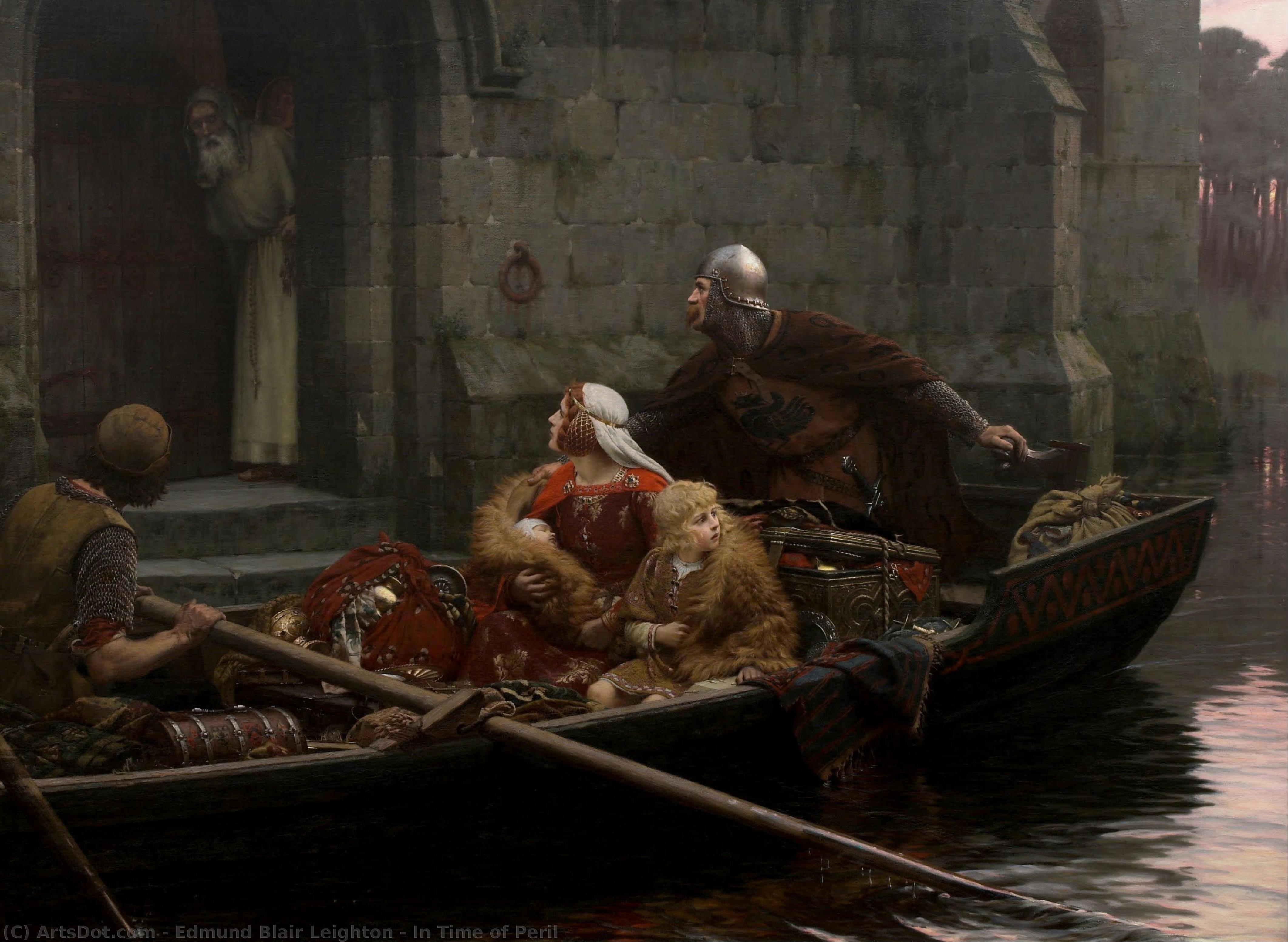
“In Time of Peril,” painted by Edmund Blair Leighton in 1897, stands as a testament to the Victorian fascination with chivalry and the enduring power of narrative art. Exhibited at the Royal Academy, marking Queen Victoria's sixty-year reign—a period defined by imperial grandeur and moral earnestness—the painting captures a dramatic scene from medieval England, skillfully blending historical accuracy with profound emotional resonance. Leighton’s reputation rests upon his ability to transport viewers into bygone eras, crafting landscapes imbued with palpable feeling rather than mere visual representation.The Scene: A Monastery Under Siege
The artwork depicts a small boat navigating the murky waters of a monastery gate during the fourteenth century. The composition is meticulously arranged; several men are anxiously awaiting permission from an elderly friar to enter the sanctuary, their faces etched with apprehension. Dominating the foreground is a young boy, gazing upwards with fearful curiosity—a gesture that subtly underscores the imminent danger posed by unseen enemies lurking just beyond the monastery walls. Leighton’s masterful use of light and shadow enhances the dramatic tension, emphasizing the vulnerability of these figures against the backdrop of impending peril.Style and Technique: Pre-Raphaelite Influence
Leighton's artistic style firmly aligns with the Pre-Raphaelites, a movement that championed meticulous detail and lyrical storytelling as reactions to the perceived artificiality of academic art. Like his contemporaries—Rossetti, Millais, Burne-Jones—Leighton employed painstaking brushwork and vibrant color palettes to achieve an unparalleled level of realism while simultaneously conveying emotional depth. The artist’s technique is characterized by a deliberate layering of glazes, creating textures that mimic the weathered stone of the monastery and capturing the subtle nuances of human expression. This meticulous approach reflects Leighton's unwavering commitment to portraying scenes with authenticity and sensitivity.Symbolism: Faith, Courage, and Vulnerability
Beyond its visual splendor, “In Time of Peril” is laden with symbolic significance. The monastery represents sanctuary—a refuge from adversity—but also embodies the steadfastness of faith in times of crisis. The friar’s solemn demeanor symbolizes wisdom and guidance, while the boy's gaze signifies innocence confronted by fear. Leighton skillfully utilizes these elements to explore themes of courage, vulnerability, and the enduring human spirit. The boat itself serves as a metaphor for precarious journeys through life, mirroring the anxieties experienced by those facing uncertain futures.Emotional Impact: A Window into Victorian Sentiment
Leighton’s masterpiece succeeds in evoking a powerful emotional response from the viewer. The painting captures the palpable tension of the moment—the anticipation of danger mingled with unwavering hope—creating an immersive experience that transcends mere observation. It speaks to the Victorian preoccupation with moral fortitude and the importance of preserving traditions amidst societal change. “In Time of Peril” remains a poignant reminder of humanity’s capacity for resilience in the face of adversity, cementing Leighton's place as one of the most evocative painters of his era.- Size: 168 x 124 cm
- Date: 1897
Related Artworks
Artist Biography
A Painter of Romance and Chivalry
Edmund Blair Leighton, born in London on September 21st, 1852, was a master storyteller through paint, an artist who breathed life into the romanticized visions of medieval and Regency-era England. Though often associated with the Pre-Raphaelite movement due to his meticulous detail and narrative focus, Leighton carved out a unique space for himself, specializing in scenes that evoked chivalry, courtly love, and moments of poignant drama. His paintings weren’t simply historical recreations; they were carefully constructed emotional landscapes designed to stir the imagination and transport viewers to worlds of bygone elegance and heroic deeds. The son of artist Charles Blair Leighton and Caroline Boosey, Edmund experienced early hardship with his father's untimely death in 1855, leaving his mother to raise their family. This experience perhaps instilled a sensitivity that would later permeate his work, imbuing it with a sense of longing and nostalgia. After an initial foray into the world of commerce – a practical necessity following his father’s passing – Leighton pursued formal artistic training at the Royal Academy Schools, dedicating himself to honing his skills in draftsmanship and composition. He initially supplemented his income through illustrations for publications like Cassell's Magazine, further refining his skills in composition and storytelling before fully committing to oil painting.Developing a Distinctive Style
Leighton’s artistic development was shaped by a confluence of influences. The Pre-Raphaelites, with their emphasis on detail, vibrant color, and literary subject matter, undoubtedly played a role. However, Leighton distinguished himself from the more overtly symbolic and socially conscious members of that brotherhood through his focus on narrative clarity and emotional resonance. He wasn’t interested in making grand statements about morality or politics; rather, he sought to capture fleeting moments of human drama and create visually stunning compositions that appealed to a broad audience. His early works, exhibited at the Royal Academy from 1878 onwards – pieces like A Flaw in the Title (1874) and Witness My Act and Seal – quickly gained recognition for their technical skill and romantic sensibility. These successes established him as a rising star in the London art scene, paving the way for a prolific career that would span over four decades. He possessed an exceptional ability to imbue his figures with life and emotion, drawing viewers into the heart of each narrative.The Height of Popularity: Themes and Masterpieces
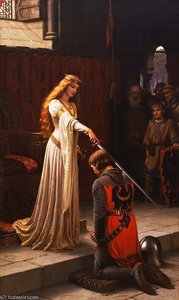
By the late 19th and early 20th centuries, Leighton had reached the peak of his artistic powers. His paintings became synonymous with romantic historical genre, capturing the imagination of collectors and art enthusiasts alike. Recurring themes in his work included scenes of courtly love, chivalrous knights, and moments of dramatic confrontation. Works like Godspeed (1900), depicting a knight receiving blessings before embarking on a quest, and The Accolade (1901), portraying a king bestowing knighthood upon a worthy warrior, became iconic representations of the era's fascination with medieval romance. These paintings weren’t merely historical depictions; they were carefully crafted allegories that explored universal themes of courage, honor, and devotion. Leighton’s meticulous attention to detail – from the intricate patterns on costumes to the subtle expressions on faces – brought these scenes to life, immersing viewers in a world of beauty and drama. Other notable works include Tristan and Isolde (1907), capturing the tragic love story with poignant intensity, and The Dedication (1908), showcasing a solemn religious ceremony. He had an uncanny ability to capture light and shadow, creating a sense of atmosphere that enhanced the emotional impact of his work.A Lasting Legacy
Despite his consistent exhibition at the Royal Academy for over forty years, Leighton never achieved full academic recognition, remaining neither an Academician nor an Associate. This perhaps reflects a certain independence of spirit and a refusal to conform to rigid artistic conventions. Nevertheless, his popularity remained undiminished throughout his lifetime, and his paintings continued to be widely reproduced and admired. He was elected to the Royal Institute of Oil Painters in 1887, acknowledging his mastery of the medium. Leighton’s influence can be seen in the works of subsequent artists who sought to capture the romance and drama of historical subjects. His legacy extends beyond the realm of fine art, permeating popular culture through countless reproductions and adaptations of his iconic images. He died on September 1st, 1922, leaving behind a body of work that continues to enchant and inspire audiences today. His son, Eric James Blair Leighton, also followed in his footsteps, continuing the family tradition of artistic excellence. Major works include:- A King and a Beggar Maid (1878): A poignant depiction of social contrast and unexpected affection.
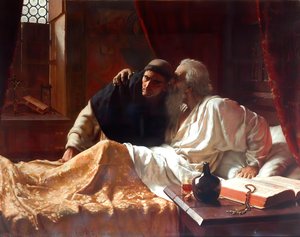
- The Dying Copernicus (1880): A dramatic portrayal of the astronomer's final moments, filled with intellectual intensity.
- To Arms! (1888): An energetic scene of a medieval call to battle, brimming with patriotic fervor.
- Lady Godiva (1892): A classic depiction of the legendary tale, emphasizing both vulnerability and defiance.
- The Accolade (1901): Perhaps his most famous work, embodying the ideals of chivalry and honor.
- Tristan and Isolde (1907): A hauntingly beautiful representation of the tragic love story.

Edmund Blair Leighton
1852 - 1922 , United Kingdom
Quick Facts
- Artistic Movement Or Style: Pre-Raphaelite, Romanticism
- Artists Or Movements Influenced By This Artist: ['Subsequent historical painters']
- Artists Who Influenced This Artist: ['Pre-Raphaelites']
- Date Of Birth: September 21, 1852
- Date Of Death: September 1, 1922
- Full Name: Edmund Blair Leighton
- Nationality: British
- Notable Artworks:
- A King and a Beggar Maid
- The Accolade
- Godspeed
- Tristan and Isolde
- Place Of Birth: London, UK
Related Articles
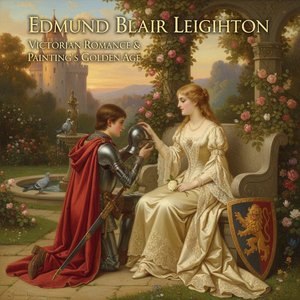
Edmund Blair Leighton: Victorian Romance & Narrative Painting's Golden Age
Explore the captivating world of Edmund Blair Leighton, Victorian master of romantic narrative painting. Discover his iconic works & Pre-Raphaelite influences at ArtsDot.
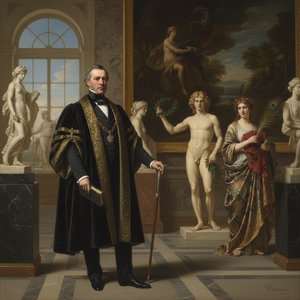
Sir Frederic Leighton: Aestheticism, Academic Mastery & Victorian Masculinity
Explore the life & art of Sir Frederic Leighton, a master of Victorian Aestheticism. Discover his academic training, sculptural innovations, and captivating depictions of beauty. Expert insights for collectors.

High Medieval Art: 10 Masterpieces That Shaped an Era | ArtsDot
Journey through High Medieval Art! Explore 10 iconic masterpieces – from Giotto's frescoes to stunning Gothic cathedrals. Discover the stories behind these timeless paintings, sculptures & illuminated manuscripts. Find museum-quality art reproductions at ArtsDot.com.

Late Medieval Masterpieces: 10 Artworks That Defined an Era | ArtsDot
Journey through 10 defining Late Medieval masterpieces – from Giotto's frescoes to Jan van Eyck’s realism. Explore the stories, techniques & vibrant colors of Gothic art. Find museum-quality reproductions and elevate your home decor with ArtsDot.com! Discover all masterpieces on ArtsDot.com
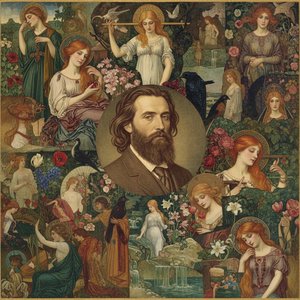
Dante Gabriel Rossetti's 25 Masterpieces: A Journey Through Victorian Art & Symbolism | ArtsDot
Explore 25 iconic artworks by Dante Gabriel Rossetti, a leading Pre-Raphaelite artist. Discover the stories behind masterpieces like 'Proserpine' & 'Beata Beatrix'. Find museum-quality art reproductions and elevate your home decor with ArtsDot.com.