 Preview
 Send
Send Share
Share
 Details

 Download
 Similars
 X-Ray
X-Ray Diaporama
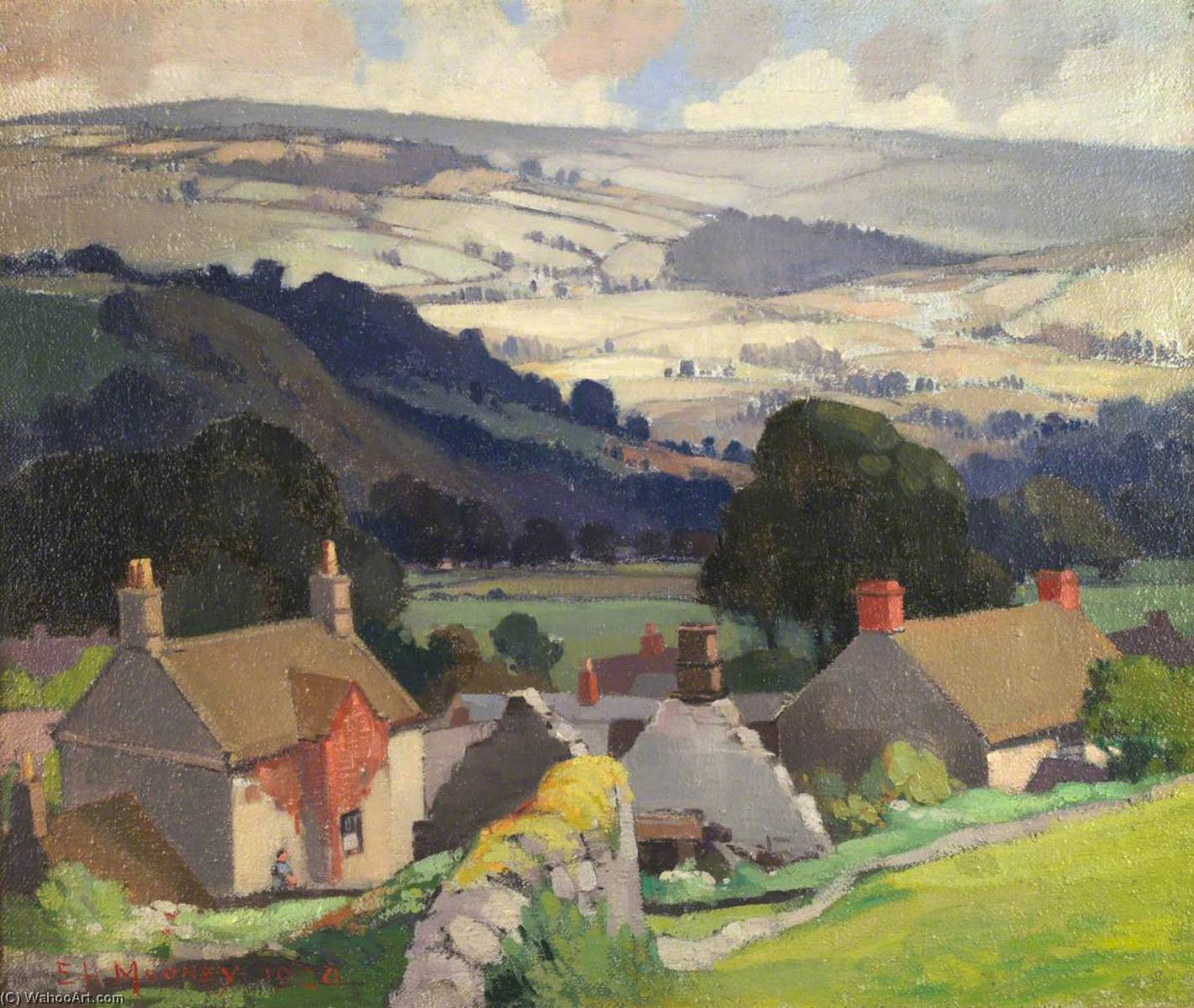
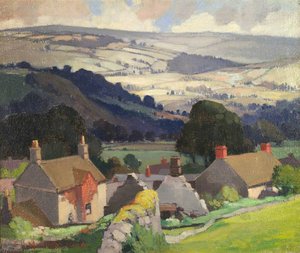
Vale of Clwyd


 Read More
Hand Made Oil Reproduction
Hand-painted oil on canvas in your size and frame, made to order by our artists. ( Buy Print Buy Image)




































Pick from our preset sizes that match the artwork's original proportions.

You may enter your own dimensions to fit a specific frame or space. If your selected size does not match the original image's proportions, we will either crop the artwork or extend the painting with additional hand-painted elements. A digital mockup will be sent for your approval before production begins.
Please note that the on-screen preview does not reflect the actual cropping or extension. Only the mockup will accurately show the final composition.
While custom sizes are available, we recommend selecting a dimension from the predefined list to preserve the original proportions.
After order, ArtsDot.com team will email client for instructions and provide a mockup preview
Worldwide Delivery () in 3/4 weeks instead of standard 5 weeks. (17 August). No compromise on quality.

Free Worldwide Express Shipping

High-Quality Linen Canvas

Full Shipping Insurance

Customs Tax Refund Guarantee

True Color Matching Guarantee

60-Day Return Policy (Defects Only)

100% Money-Back Guarantee

Bulk Discount Offer
 Glass option is only available in size under 110 CM

Vale of Clwyd
Reproduction Medium
Reproduction Size
-


Total Price
$ 263
Related Artworks
Artist Biography
Edward Hartley Mooney: Weaver of Welsh Light
The canvases of Edward Hartley Mooney, a name perhaps less familiar than those of Burne-Jones or Waterhouse, nevertheless hold a quiet power—a luminous quality that speaks to the heart of the Welsh landscape and the subtle complexities of human character. Born in 1877, Mooney’s artistic journey was deeply intertwined with his homeland, culminating in a distinctive style characterized by rich color palettes, meticulous detail, and an almost palpable sense of atmosphere. He wasn't merely depicting scenes; he was translating the very essence of Wales onto canvas, capturing its rugged beauty and introspective spirit.
Early influences shaped Mooney’s artistic trajectory. His training at the Royal Academy in London provided a solid foundation in traditional academic painting techniques. However, it was his time spent in Wales, particularly in Oriel y Bont Museum in Llandudno, that truly ignited his creative vision. The museum's collection of Welsh art, including works by Samuel McLerie—a fellow artist and close collaborator—exposed Mooney to a distinctly regional aesthetic. McLerie’s own paintings, often depicting the dramatic coastal scenery and stoic faces of Welsh villagers, demonstrated a sensitivity to light, color, and the emotional resonance of everyday life – elements that would become hallmarks of Mooney's work.
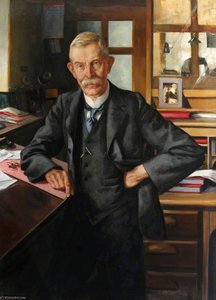
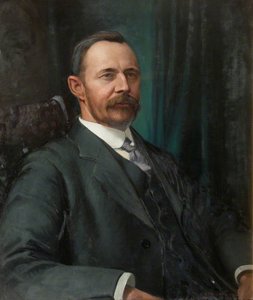
Mooney’s artistic development can be traced through his prolific output during the early 20th century. He specialized in portraiture, often capturing members of the Welsh gentry and local dignitaries with a remarkable degree of realism and psychological insight. His portraits weren’t simply likenesses; they were carefully constructed narratives, revealing glimpses into the subjects' personalities and social standing. Consider his 1929 oil painting of George Westcott, a dignified civic leader rendered in opulent colors against an architectural backdrop – a testament to Mooney’s ability to imbue even formal subjects with a sense of warmth and humanity. The meticulous detail evident in every brushstroke suggests a deep respect for his sitters and a desire to immortalize their presence within the canvas.
Beyond portraiture, Mooney excelled at landscape painting, particularly scenes of the Snowdonia mountains and the rugged coastline of North Wales. These landscapes are not romanticized visions; they possess a gritty realism, reflecting the harsh beauty of the terrain. He masterfully employed light and shadow to create a sense of depth and atmosphere, evoking the feeling of being present in those wild, untamed spaces. His use of color is particularly noteworthy – he favored rich, saturated hues that seemed to capture the intensity of the Welsh sun and the deep blues of the sea.
The Influence of Samuel McLerie
The relationship between Edward Hartley Mooney and Samuel McLerie was a pivotal one in shaping Mooney’s artistic style. McLerie, a fellow artist and teacher, served as a mentor and collaborator, profoundly influencing Mooney's approach to painting. Their shared interest in capturing the essence of Welsh life—its people, its landscapes, and its cultural traditions—resulted in a remarkable synergy between their work.
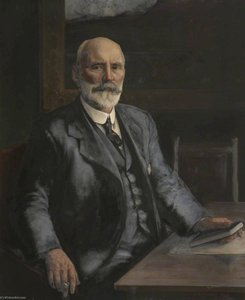
McLerie’s own paintings, characterized by a similar emphasis on realism, color, and atmospheric perspective, provided Mooney with a crucial model for his artistic development. Mooney frequently studied McLerie's techniques, absorbing his insights into composition, brushwork, and the use of light. The “Samuel McLerie” portrait, painted around 1920, stands as a testament to this influence—a captivating depiction of McLerie himself that showcases Mooney’s ability to capture not only physical likeness but also the artist's personality and artistic temperament.
Furthermore, their collaboration extended beyond individual paintings. They worked together on several projects, including the decoration of King Edward VI College in Stourbridge, a commission that allowed them to showcase their combined talents and contribute significantly to the building’s aesthetic character. This project cemented their partnership and further solidified Mooney's commitment to Welsh art and culture.
A Legacy in Welsh Museums
Mooney’s work has been consistently recognized and celebrated within Wales, with numerous paintings finding a permanent home in prominent museums and galleries throughout the country. The Oriel y Bont Museum in Llandudno, where he first encountered the works of Samuel McLerie, holds several examples of his landscape paintings, offering visitors a valuable opportunity to appreciate his artistic vision. Similarly, the National Museum Cardiff houses a selection of his portraits, showcasing his skill in capturing the likeness and character of his subjects.
His contributions are also reflected in the collections of smaller regional museums, such as the Oriel y Bont Museum, demonstrating a widespread appreciation for his work across Wales. These institutions serve as vital repositories of Mooney’s legacy, ensuring that his paintings will continue to be enjoyed by generations to come. The fact that his art is so deeply embedded within Welsh cultural heritage speaks volumes about its enduring appeal and significance.
The Artist's Vision: Light, Landscape, and the Human Spirit
At the heart of Edward Hartley Mooney’s artistic practice lies a profound appreciation for the beauty and complexity of the Welsh landscape and the human spirit. His paintings are not merely representations of external reality; they are deeply personal expressions of his own observations and experiences. He sought to capture the essence of Wales—its rugged mountains, its dramatic coastline, and its resilient people—with honesty and sensitivity.
Mooney’s masterful use of light is particularly noteworthy. He expertly manipulated color and shadow to create a sense of atmosphere and depth, evoking the feeling of being present in his scenes. Whether depicting the golden glow of the Welsh sun on a mountain peak or the brooding darkness of a coastal storm, Mooney's paintings are imbued with a palpable sense of mood and emotion.
Ultimately, Edward Hartley Mooney’s legacy extends beyond his technical skill and artistic achievements. He was a devoted chronicler of Welsh life, capturing its beauty, its challenges, and its enduring spirit on canvas. His work serves as a poignant reminder of the importance of preserving cultural heritage and celebrating the unique identity of Wales.
edward hartley mooney
1877 - 1938
Quick Facts
- Artistic Movement Or Style: Landscape & Portrait
- Artists Or Movements Influenced By This Artist: ['Victorian Painting']
- Artists Who Influenced This Artist: ['Burne-Jones']
- Date Of Birth: 1877
- Date Of Death: 1938
- Full Name: Edward Hartley Mooney
- Nationality: British
- Notable Artworks:
- Samuel McLerie
- George Westcott
- Place Of Birth: WahooArt
Related Articles

Beyond the Horizon: 10 Landscape Masterpieces for Your Home Decor
Journey through 10 breathtaking landscape paintings by Monet, Van Gogh & more! Explore iconic artworks, artistic techniques & find inspiration for your home decor. Museum-quality reproductions at ArtsDot.com. Discover all masterpieces on ArtsDot.com

Impressionist Landscapes: 10 Masterpieces for Your Home | ArtsDot
Journey through 10 iconic Impressionist landscapes by Monet, Renoir & Degas. Explore the history, techniques & emotions behind these masterpieces. Find museum-quality reproductions for your home at ArtsDot.com – where art comes to life! Discover all masterpieces on ArtsDot.com
Impressionistic Landscapes: 10 Masterpieces That Changed Art & Decor
Journey into the heart of Impressionism! Explore 10 masterpieces by Monet, Renoir & Degas that revolutionized landscape art. Discover their stories, techniques & find museum-quality reproductions to elevate your home decor on ArtsDot.com.

John Constable's Masterpieces: Explore 25 Iconic Landscapes for Your Home
Journey through John Constable's 25 most celebrated landscapes. Explore Romanticism, Dedham Vale & his masterful use of light in iconic paintings like 'Hay Wain'. Find museum-quality art reproductions and elevate your home decor on ArtsDot.com.

Cultivating Visions: A Historical Journey Through Rural Landscapes in Art
Explore the rich history of rural landscape painting with ArtsDot. Discover Impressionist masterpieces, key artists & movements. Find your perfect serene artwork and bring nature's beauty home.