 Preview
 Send
Send Share
Share
 Details

 Download
 Similars
 X-Ray
X-Ray Diaporama
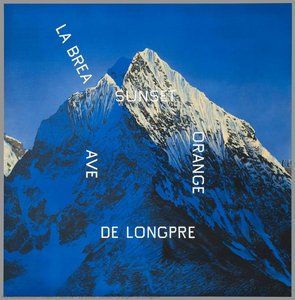
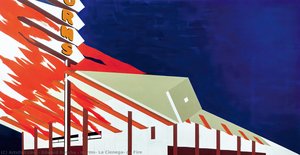
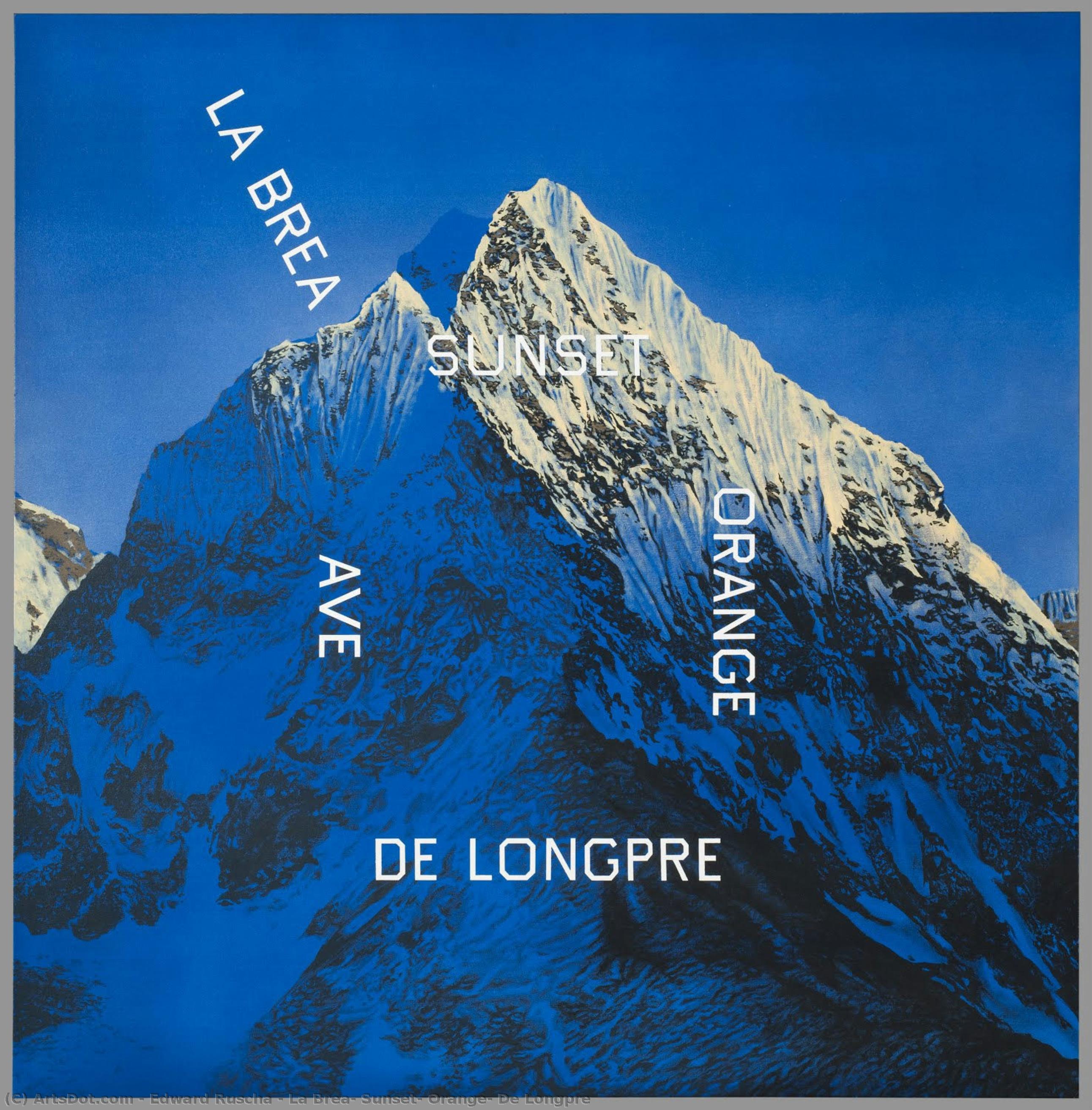
La Brea, Sunset, Orange, De Longpre


 Read More
Hand Made Oil Reproduction
Hand-painted oil on canvas in your size and frame, made to order by our artists. ( Buy Print Buy Image)




P118B $10

P118H $10

P118W $10

P438Z $10

P508JH $12

P508YH $12

P805H $10

P805Z $10

P919BZ $10

P919G $10

P919XJ $10

P959ZH $10

P968JZ $12

W106C $8

W218G $10

W218JH $8

W218Y $10

W307PJ $10

W316G $10

W316PJ $8

W316Y $10

W398PJ $8

W4111J $10

W500HY $15

W500JH $15

W692G $12

W849H $8

W940BG $15

W953PJ $8




Pick from our preset sizes that match the artwork's original proportions.

You may enter your own dimensions to fit a specific frame or space. If your selected size does not match the original image's proportions, we will either crop the artwork or extend the painting with additional hand-painted elements. A digital mockup will be sent for your approval before production begins.
Please note that the on-screen preview does not reflect the actual cropping or extension. Only the mockup will accurately show the final composition.
While custom sizes are available, we recommend selecting a dimension from the predefined list to preserve the original proportions.
After order, ArtsDot.com team will email client for instructions and provide a mockup preview
Worldwide Delivery () in 3/4 weeks instead of standard 5 weeks. (17 August). No compromise on quality.

Free Worldwide Express Shipping

High-Quality Linen Canvas

Full Shipping Insurance

Customs Tax Refund Guarantee

True Color Matching Guarantee

60-Day Return Policy (Defects Only)

100% Money-Back Guarantee

Bulk Discount Offer
 Glass option is only available in size under 110 CM

La Brea, Sunset, Orange, De Longpre
Reproduction Medium
Reproduction Size
-


Total Price
$ 263
Artwork Description
La Brea, Sunset, Orange, De Longpre – A Desert Reverie by Edward Ruscha
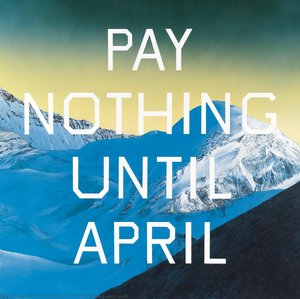
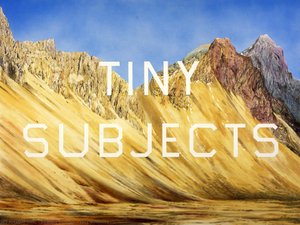
Edward Joseph Ruscha IV’s 1999 painting, “La Brea, Sunset, Orange, De Longpre,” is more than a depiction of a mountain; it's a distilled meditation on the American West, rendered with the stark precision and evocative detachment characteristic of Ruscha’s mature style. The image presents a simplified, almost geometric representation of La Brea Mountain in California, its snow-capped peak a silent sentinel against a vibrant orange sunset. The inclusion of “La Brea” – a name synonymous with oil derricks and the nascent energy boom of Southern California – immediately anchors the work within a specific historical and geographical context. Ruscha’s deliberate reduction of detail elevates the scene beyond mere landscape painting, transforming it into a powerful symbol of industrial intrusion upon the natural world.
Pop Art Roots and Influential Mentors
Created in 1999, this piece firmly situates itself within Ruscha's established artistic trajectory. Having emerged from the Ferus Gallery group in Los Angeles during the early 1960s – a pivotal moment for Pop Art – Ruscha developed a unique visual language characterized by meticulous detail and an almost clinical observation of everyday subjects. His formative years at the Chouinard Art Institute, under the tutelage of Robert Irwin and Emerson Woelffer, instilled in him a rigorous approach to drawing and composition. Crucially, his influences were diverse and profound, ranging from Jasper Johns’ iconic repetition to the emotionally resonant landscapes of Edward Hopper, particularly *Gas* (1940), which demonstrated a similar ability to convey atmosphere through simplified forms. The echoes of Marcel Duchamp's conceptual explorations are also subtly present, challenging traditional notions of representation.
Technique and Materiality – A Controlled Minimalism
Ruscha’s technique in “La Brea” exemplifies his commitment to controlled minimalism. Executed with a precise hand, the painting utilizes a limited palette of blues, oranges, and whites, creating a sense of luminous clarity. The application of paint is deliberately smooth and even, avoiding any visible brushstrokes – a hallmark of Ruscha’s process. This meticulousness reflects a fascination with the mechanics of image-making itself, mirroring his later explorations in photorealistic printing techniques. The use of acrylic paints allowed for layering and blending, contributing to the painting's subtle gradations of color and its overall sense of depth. The artwork’s surface is remarkably flat, further emphasizing the two-dimensionality of the composition.
Symbolism and Emotional Resonance
Beyond its technical merits, “La Brea, Sunset, Orange, De Longpre” carries a significant symbolic weight. The mountain itself represents resilience and permanence against the backdrop of human ambition. The orange sunset – often associated with both beauty and impending darkness – adds an element of melancholy and perhaps even foreboding, hinting at the potential consequences of unchecked industrial development. The inclusion of the name "La Brea" directly confronts the viewer with the region's complex history, a place forever linked to oil extraction and its impact on the California landscape. The painting’s quiet grandeur evokes a sense of solitude and contemplation, inviting viewers to reflect on humanity’s relationship with nature and the enduring power of the American West.
Related Artworks
Artist Biography
Edward Joseph Ruscha IV: A Pioneer of Pop Art
Early Life and Education
- Born on December 16, 1937, in Omaha, Nebraska, Edward Joseph Ruscha IV grew up in a Roman Catholic family.
- He showed an early interest in art, particularly cartooning, nurtured by his mother’s support.
- Ruscha moved to Los Angeles in 1956 and studied at the Chouinard Art Institute (now CalArts) from 1956-1960 under Robert Irwin and Emerson Woelffer.
- During his time at Chouinard, he co-edited the journal *Orb*, a precursor to alternative newspapers.
Artistic Development and Influences
- Ruscha’s artistic journey began in the early 1960s, aligning him with the Ferus Gallery group in Los Angeles.
- He was influenced by a diverse range of artists including Jasper Johns, John McLaughlin, H.C. Westermann, Arthur Dove, Alvin Lustig, and Marcel Duchamp.
- The work of Edward Hopper, particularly his painting *Gas* (1940), also resonated with Ruscha’s developing style.
- His early works explored the visual language of commercialism and everyday American life.
Key Themes and Style
- Ruscha is renowned for his incorporation of text and phrases into paintings, often presented in a flat, deadpan aesthetic.
- He frequently depicted commonplace subjects like gas stations, motels, and landscapes of Southern California.
- His photographic books, such as Every Building on the Sunset Strip (1966), are iconic examples of his conceptual approach to art.
- A key theme in Ruscha’s work is the exploration of vernacular language and the visual culture of Los Angeles.
Major Achievements and Notable Works
- Some of his most celebrated works include:
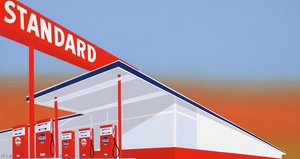
- Standard Station (1966): A quintessential representation of American roadside architecture.
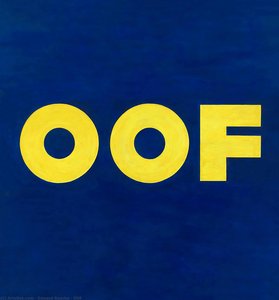
- Large Trademark (1962): An early example of his word-based paintings.
- Hollywood (1982): Reflecting the iconic imagery of Los Angeles.
- Every Building on the Sunset Strip (1966): A groundbreaking photographic book documenting a stretch of Sunset Boulevard.
- Ruscha’s work challenged traditional notions of painting and photography, blurring the boundaries between art forms.
Historical Significance and Legacy
- Ruscha is considered a pivotal figure in the Pop Art movement, though his style often transcends easy categorization.
- His influence extends to contemporary artists working with language, photography, and conceptual art.
- He helped establish Los Angeles as a significant center for artistic innovation during the 1960s.
- Ruscha continues to live and work in Culver City, California, remaining an active and influential force in the art world.
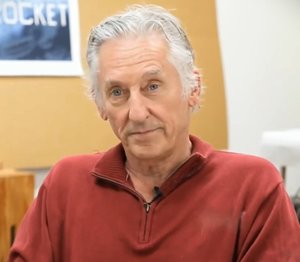
edward joseph ruscha iv
1937 - , United States of America
Quick Facts
- Birth Date: December 16, 1937
- Birth Place: Omaha, Nebraska, United States
- Influenced By:
- Jasper Johns
- John McLaughlin
- H.C. Westermann
- Arthur Dove
- Alvin Lustig
- Marcel Duchamp
- Edward Hopper
- Movement: Pop Art
- Name: Edward Joseph Ruscha IV
- Nationality: American
- Notable Works:
- Standard Station (1966)
- Large Trademark (1962)
- Hollywood (1982)
- Every Building on the Sunset Strip (1966)
Related Articles

Giclée Prints: Archival Quality & Aesthetic Nuances for the Discerning Collector
Explore the world of giclée prints with ArtsDot. Learn about archival quality, aesthetic nuances & investment potential. Expert guidance for discerning art collectors seeking museum-quality reproductions and lasting value.

The Enduring Legacy of Fine Art Prints: Technique, History & Aesthetic Impact
Explore the rich history & techniques of fine art prints. Discover investment potential, assess authenticity, and learn how to preserve your collection with expert guidance. Trusted insights for discerning collectors.

Echoes of Time: Exploring the Enduring Appeal & Historical Context of Vintage Art Prints
Explore the captivating world of vintage art prints! Discover their history, collecting tips & enduring appeal. Expert insights on chromolithography and building a legacy collection with ArtsDot.

Hokusai's Masterpieces: 25 Iconic Prints & Paintings for Art Lovers | ArtsDot
Journey through Katsushika Hokusai’s 25 most iconic artworks, including *The Great Wave*. Explore the ukiyo-e master's history, style & timeless Japanese woodblock prints. Find museum-quality reproductions for your home at ArtsDot.com.
The Enduring Legacy of Printmaking: Techniques, Themes & Artistic Innovation Across Centuries
Explore the rich history of printmaking with ArtsDot. Discover techniques from intaglio to lithography, learn about collecting valuable prints & find museum-quality reproductions. Expert insights for art enthusiasts and collectors.