 Preview
 Send
Send Share
Share
 Details

 Download
 Similars
 X-Ray
X-Ray Diaporama
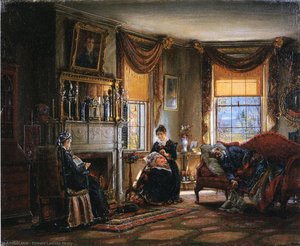
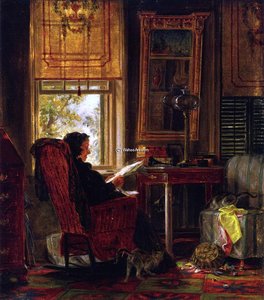
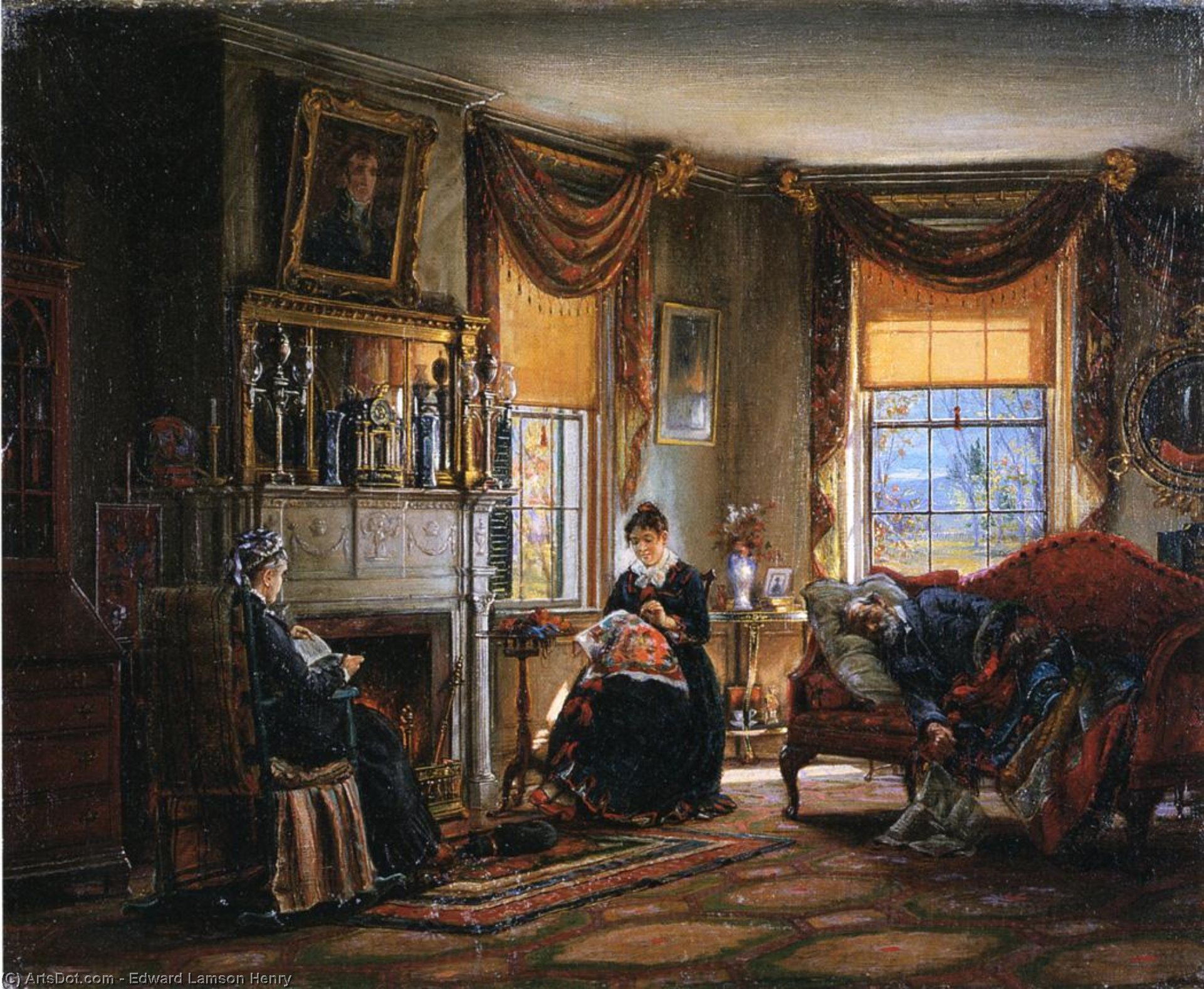
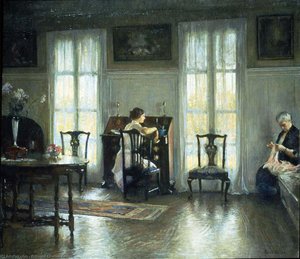
The Sitting Room


 Read More
Hand Made Oil Reproduction
Hand-painted oil on canvas in your size and frame, made to order by our artists. ( Buy Print Buy Image)




P118B $10

P118H $10

P118W $10

P438Z $10

P508JH $12

P508YH $12

P805H $10

P805Z $10

P919BZ $10

P919G $10

P919XJ $10

P959ZH $10

P968JZ $12

W106C $8

W218G $10

W218JH $8

W218Y $10

W307PJ $10

W316G $10

W316PJ $8

W316Y $10

W398PJ $8

W4111J $10

W500HY $15

W500JH $15

W692G $12

W849H $8

W940BG $15

W953PJ $8




Pick from our preset sizes that match the artwork's original proportions.

You may enter your own dimensions to fit a specific frame or space. If your selected size does not match the original image's proportions, we will either crop the artwork or extend the painting with additional hand-painted elements. A digital mockup will be sent for your approval before production begins.
Please note that the on-screen preview does not reflect the actual cropping or extension. Only the mockup will accurately show the final composition.
While custom sizes are available, we recommend selecting a dimension from the predefined list to preserve the original proportions.
After order, ArtsDot.com team will email client for instructions and provide a mockup preview
Worldwide Delivery () in 3/4 weeks instead of standard 5 weeks. (17 August). No compromise on quality.

Free Worldwide Express Shipping

High-Quality Linen Canvas

Full Shipping Insurance

Customs Tax Refund Guarantee

True Color Matching Guarantee

60-Day Return Policy (Defects Only)

100% Money-Back Guarantee

Bulk Discount Offer
 Glass option is only available in size under 110 CM

The Sitting Room
Reproduction Medium
Reproduction Size
-


Total Price
$ 263
Artwork Description
A Window into 19th-Century Domesticity
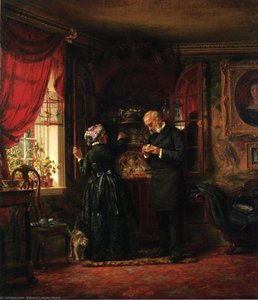
In his evocative 1883 masterpiece, The Sitting Room, Edward Lamson Henry invites the viewer to step through a portal into the heart of the American home during a transformative era. This exquisite oil on canvas is far more than a mere depiction of an interior; it is a profound narrative of warmth, stability, and the quiet intimacy of family life. As we gaze upon the scene, we find ourselves enveloped by a sense of togetherness, where the soft glow of domesticity meets the meticulous craftsmanship of a master chronicler. The painting captures a moment of stillness amidst the bustle of the late 19th century, offering a sanctuary of peace that resonates deeply with the modern soul seeking refuge from the frantic pace of contemporary existence.
The composition is a masterful study in balance and depth, guiding the eye through a richly textured environment. At the heart of the room, a family gathers, their presence lending a soulful vitality to the space. A woman sits gracefully on the left, her posture reflecting the poise and dignity characteristic of the period, surrounded by loved ones who share in this quiet communion. The arrangement of furniture—from the inviting couches to the carefully placed chairs—creates a rhythmic flow that leads the viewer toward the fireplace, the literal and metaphorical hearth of the home. Every element, from the delicate patterns on the wallpaper to the scattered books and ornamental vases, serves to build a world that feels lived-in, cherished, and eternally preserved.
The Artistry of Detail and Texture
Edward Lamson Henry was renowned for his ability to weave historical fiction with breathtaking realism, and The Sitting Room stands as a testament to this unique talent. His technique is characterized by precise brushwork that breathes life into every surface. One can almost feel the weight of the heavy fabrics, the smooth grain of the wooden furniture, and the delicate ceramic of the decorative bowls. Henry employs a sophisticated use of light and shadow to create a three-dimensional atmosphere; the way light interacts with the mantelpiece and the various objects in the room lends a palpable sense of volume and presence to the scene.
The color palette is equally instrumental in establishing the painting's emotional resonance. Rich, warm tones dominate the canvas, evoking the cozy comfort of a well-loved parlor. These deep hues are balanced by subtle highlights that catch the eye, drawing attention to the intricate details—a clock ticking on the wall, the lush greenery of potted plants, and the soft textures of the upholstery. For the discerning collector or interior designer, this painting offers an unparalleled opportunity to introduce a sense of historical grandeur and sophisticated warmth into a space. A high-quality reproduction of this work does not merely decorate a wall; it anchors a room with a sense of heritage and timeless elegance.
A Legacy of Nostalgia and Connection
Beyond its technical brilliance, The Sitting Room carries a profound symbolic weight. It represents the idealized American domesticity—a period where the home was viewed as a sacred vessel for cultural values and familial bonds. In an age of rapid industrialization and social change, Henry’s work acted as a nostalgic anchor, preserving the beauty of a vanishing way of life. The presence of personal items, such as books and family heirlooms, suggests a continuity of memory and a deep respect for tradition.
For those looking to acquire a piece of this legacy, a hand-painted reproduction offers a bridge between the past and the present. It allows the beauty of Henry's vision to inhabit modern homes, providing a focal point that inspires conversation and reflection. Whether placed in a grand library or a cozy study, The Sitting Room serves as a constant reminder of the enduring power of human connection and the quiet majesty found in the everyday moments of our lives.
Related Artworks


Artist Biography
A Nostalgic Vision of America: The Life and Art of Edward Lamson Henry
Edward Lamson Henry, born in Charleston, South Carolina, in 1841, wasn’t merely a painter of scenes; he was a chronicler of a vanishing American identity. His canvases evoke a profound sense of nostalgia, meticulously reconstructing moments from the nation's past—from the bustling energy of early railroad travel to the quiet intimacy of domestic life and the lingering shadows of the Civil War. Though his early life was marked by tragedy – orphaned at the age of seven – this perhaps instilled in him a desire to preserve memories, to capture a world slipping away with each passing year. He moved to New York City to live with cousins, beginning his artistic journey amidst the burgeoning cultural landscape of the metropolis and later formalizing his training at the Pennsylvania Academy of Fine Arts in Philadelphia.Parisian Influences and the Seeds of Realism
The pivotal moment in Henry’s development arrived in 1860 with his relocation to Paris. This was a period of immense artistic ferment, and Henry found himself immersed in a circle of groundbreaking painters including Claude Monet, Pierre-Auguste Renoir, Frédéric Bazille, and Alfred Sisley—artists who would soon redefine the boundaries of art. He studied under Charles Gleyre, absorbing classical techniques, but it was Gustave Courbet’s unflinching realism that truly resonated with him. Courbet's commitment to depicting everyday life without idealization profoundly influenced Henry’s own artistic direction. While he wouldn’t fully embrace Impressionism like his contemporaries, the Parisian experience instilled in him a dedication to capturing authentic moments and a keen observation of light and atmosphere. This period was formative, laying the groundwork for his distinctive style—a blend of meticulous detail and evocative storytelling.Civil War Service and the Rise of Genre Painting
The outbreak of the American Civil War interrupted Henry’s artistic pursuits. He returned to the United States and served as a clerk on a Union transport ship, an experience that would deeply impact his later work. The war's aftermath fueled a series of paintings inspired by his observations—scenes not of grand battles but of everyday life touched by conflict. He settled in New York City, becoming part of the vibrant artistic community centered around the Tenth Street Studio Building, where he shared space with luminaries like Winslow Homer. It was during this time that Henry fully embraced genre painting – depicting scenes of ordinary people and their daily lives. He quickly gained recognition for his ability to recreate historical moments with remarkable accuracy and a touch of quaint humor. In 1869, his election to the National Academy of Design solidified his position within the American art world.A Master of Detail: Historical Fiction on Canvas
Henry’s paintings are characterized by an extraordinary attention to detail—a meticulous reconstruction of period costumes, architecture, and everyday objects. He wasn't simply painting scenes; he was building worlds. His subjects often revolved around colonial and early American themes, railroad travel, stagecoach journeys, and canal boat life. He became renowned for rendering these scenes on a minute scale, inviting viewers to immerse themselves in the intricacies of the past. However, it’s important to note that Henry's work wasn’t purely documentary. He freely admitted to artistic license, prioritizing atmosphere and narrative over strict historical accuracy—creating what contemporaries termed “historical fictions.” This willingness to embellish for emotional effect is a key element of his appeal; he wasn’t interested in simply recording history but in evoking a particular mood and sense of nostalgia. His wife, Frances Livingston Wells, played a crucial role in this process, ensuring the authenticity of details through extensive research using antiques, old photographs, and assorted Americana.Legacy and Historical Significance
Edward Lamson Henry’s work offers a unique window into 19th-century American culture—a romanticized vision of a simpler past. His paintings resonated with a public eager to embrace a sense of national identity and nostalgia for a bygone era. He was a member of the New-York Historical Society, further cementing his role as a visual historian. His dedication to detail led contemporaries to view his work as authentic reconstructions, even though he often prioritized artistic effect over strict accuracy. Later in life, Henry co-founded an artists’ colony in Cragsmoor, New York, fostering a community dedicated to preserving and celebrating American heritage. While perhaps not as widely recognized today as some of his Impressionist contemporaries, Edward Lamson Henry remains a significant figure in American art history—a master of genre painting whose evocative canvases continue to captivate viewers with their charm, detail, and enduring sense of nostalgia.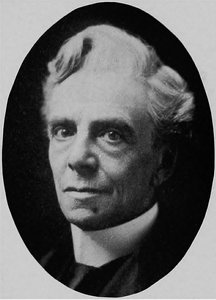
edward lamson henry
1841 - 1919 , United States of America
Quick Facts
- Artistic Movement Or Style: Genre painting
- Artists Who Influenced This Artist:
- Charles Gleyre
- Gustave Courbet
- Date Of Birth: January 12, 1841
- Date Of Death: May 9, 1919
- Full Name: Edward Lamson Henry
- Nationality: American
- Notable Artworks:
- Memories
- East Hampton Beach
- Parlor on Brooklyn Heights
- Place Of Birth: Charleston, USA
Related Articles

The Interior Gaze: Exploring Representations of Domestic Space in Art History
Explore the fascinating history of domestic interiors in art! From Dutch Masters to Impressionism, discover how artists captured home life & social meaning. Expert analysis and insights at ArtsDot.
Intimate Interiors: Domestic Life & Artistic Representation from Renaissance to Impressionism
Explore the evolution of domestic life in Western art from the Renaissance to Impressionism. Discover symbolism, realism & artistic techniques shaping intimate interior scenes. Learn more with ArtsDot.
American Realism's Defining Works: 10 Masterpieces for Your Home
Explore 10 defining American Realism masterpieces – Hopper, Homer & more. Discover the stories behind these iconic paintings and bring timeless art to your home with ArtsDot's museum-quality reproductions. Explore the full collection online.

Grant Wood & American Regionalism: Identity, Myth & the Rural Landscape
Explore the world of Grant Wood & American Regionalism with ArtsDot. Discover the symbolism behind 'American Gothic', recurring themes, and the movement's lasting impact on art history. High-quality reproductions available.

Abstract Harmony: Achieving Interior Cohesion Through Textural Resonance Between Art, Furniture, and Material Palettes
Discover how to create harmonious interiors with expert art curation tips! Learn to balance abstract art, furniture & textures for a cohesive, emotionally resonant space. Elevate your home's aesthetic today.