 Preview
 Send
Send Share
Share
 Details

 Download
 Similars
 X-Ray
X-Ray Diaporama
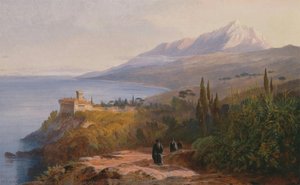
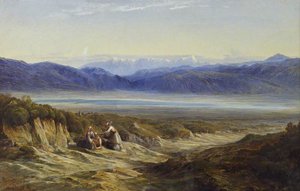
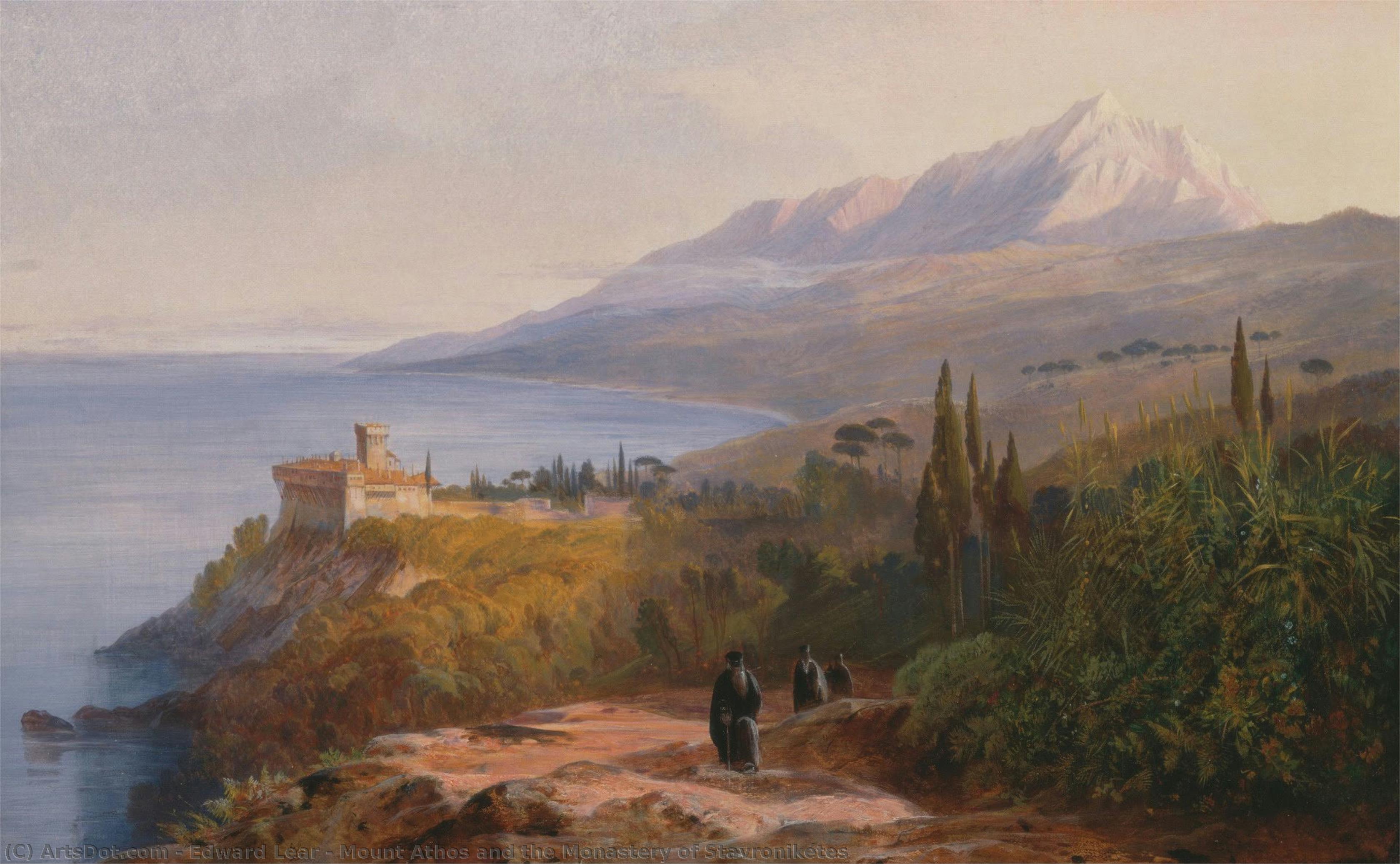
Mount Athos and the Monastery of Stavronikétes
 Acrylic On Canvas
- WallArt
- Romanticism
 1857
1857 34.0 x 54.0 cm
 Yale Center for British Art
 Read More
Hand Made Oil Reproduction
Hand-painted oil on canvas in your size and frame, made to order by our artists. ( Buy Print Buy Image)




P118B $10

P118H $10

P118W $10

P438Z $10

P508JH $12

P508YH $12

P805H $10

P805Z $10

P919BZ $10

P919G $10

P919XJ $10

P959ZH $10

P968JZ $12

W106C $8

W218G $10

W218JH $8

W218Y $10

W307PJ $10

W316G $10

W316PJ $8

W316Y $10

W398PJ $8

W4111J $10

W500HY $15

W500JH $15

W692G $12

W849H $8

W940BG $15

W953PJ $8




Pick from our preset sizes that match the artwork's original proportions.

You may enter your own dimensions to fit a specific frame or space. If your selected size does not match the original image's proportions, we will either crop the artwork or extend the painting with additional hand-painted elements. A digital mockup will be sent for your approval before production begins.
Please note that the on-screen preview does not reflect the actual cropping or extension. Only the mockup will accurately show the final composition.
While custom sizes are available, we recommend selecting a dimension from the predefined list to preserve the original proportions.
After order, ArtsDot.com team will email client for instructions and provide a mockup preview
Worldwide Delivery () in 3/4 weeks instead of standard 5 weeks. (16 August). No compromise on quality.

Free Worldwide Express Shipping

High-Quality Linen Canvas

Full Shipping Insurance

Customs Tax Refund Guarantee

True Color Matching Guarantee

60-Day Return Policy (Defects Only)

100% Money-Back Guarantee

Bulk Discount Offer
 Glass option is only available in size under 110 CM

Mount Athos and the Monastery of Stavronikétes
Reproduction Medium
Reproduction Size
-


Total Price
$ 263
Artwork Description
A Serene Vision of Faith and Landscape
Edward Lear’s “Mount Athos and the Monastery of Stavronikétes,” painted in 1857, isn't merely a landscape; it’s an immersive experience captured on paper. The scene unfolds within the rugged beauty of Mount Athos, a remote and largely self-governed monastic state in Greece, specifically focusing on the iconic Stavronikétes Monastery. Lear, already renowned for his whimsical poetry and illustrations, brought a unique sensibility to this work – one that blends meticulous observation with a distinctly personal, almost dreamlike quality. The painting immediately draws the eye to the imposing silhouette of the monastery perched atop a verdant hill, its stone walls a testament to centuries of devotion and isolation. Below, a winding path leads towards it, inviting the viewer into a world seemingly untouched by time.
The color palette is remarkably restrained yet profoundly effective. Lear masterfully employs washes of muted blues, greens, and browns – colors that evoke the cool, misty atmosphere characteristic of the mountainous region. He avoids dramatic contrasts, instead favoring subtle gradations and delicate layering to create a sense of atmospheric depth. The light, diffused by the clouds, casts an ethereal glow upon the landscape, lending it a quiet solemnity. This deliberate restraint is a hallmark of Lear’s style; he prioritized capturing mood and atmosphere over precise detail, creating a painting that feels both intimate and expansive.
The Artist's Journey and the Spirit of Mount Athos
Lear’s visit to Mount Athos in 1848-49 was a pivotal moment in his artistic life. He embarked on this journey as part of a broader exploration of Europe, driven by a desire to escape the constraints of London society and immerse himself in new cultures and landscapes. Mount Athos itself holds immense significance for Orthodox Christians – it’s a sanctuary dedicated entirely to prayer and contemplation, accessible only to men and governed by its own unique set of rules. Lear's depiction reflects this spiritual atmosphere; there is an undeniable sense of reverence and tranquility radiating from the scene.
The inclusion of the path leading towards the monastery is particularly noteworthy. It’s a visual invitation, suggesting a pilgrimage – not just a physical journey but also one of faith and introspection. The figures walking along the path are deliberately indistinct, allowing the viewer to project their own sense of purpose and aspiration onto the scene. Lear wasn't simply recording a landscape; he was capturing an experience, a feeling of connection with something larger than oneself.
Watercolor Techniques and Lear’s Distinct Style
Lear’s mastery of watercolor is evident in every brushstroke. He employed a loose, expressive technique, layering washes of color to create soft textures and subtle variations in tone. His use of dry-brushing – applying paint with a relatively dry brush – adds a sense of movement and texture to the foliage and rock formations. The painting’s luminosity is achieved through careful control of water and pigment, allowing the colors to bleed and mingle naturally.
It's important to note that Lear often reworked his travel drawings into finished paintings later in his studio. This process allowed him to refine his compositions, deepen the color palettes, and imbue them with a greater sense of artistic control. “Mount Athos” exemplifies this approach – it’s a polished and refined work that showcases Lear's evolving style.
Symbolism and Emotional Resonance
Beyond its aesthetic qualities, "Mount Athos and the Monastery of Stavronikétes" is rich in symbolism. The monastery itself represents faith, tradition, and isolation – a refuge from the complexities of the outside world. The mountain landscape symbolizes resilience, permanence, and the enduring power of nature. Lear’s choice to depict this remote location speaks to his own desire for solitude and spiritual contemplation.
Ultimately, the painting evokes a profound sense of peace and serenity. It's a reminder of the beauty that can be found in simplicity, and the importance of connecting with something larger than oneself. Reproductions of this work offer a window into Lear’s unique artistic vision and invite viewers to share in his appreciation for the sublime power of nature and the enduring spirit of faith.
Related Artworks
Artist Biography
A Life Painted in Nonsense and Light
Edward Lear, a name synonymous with whimsical verse and delightfully peculiar illustrations, was far more than the purveyor of limericks and fantastical creatures that often define his legacy. Born in 1812 in Holloway, North London, into a family teeming with twenty-one children, Lear’s early life was marked by both financial instability and a burgeoning artistic talent. His father, Jeremiah Lear, faced hardship after the Napoleonic Wars, forcing young Edward to begin earning a living through his drawings at the tender age of fifteen. This necessity, however, ignited a lifelong passion that would see him traverse continents and capture the world in vibrant hues and playful lines. The shadow of familial difficulty, coupled with early health challenges – including epilepsy and bouts of melancholia he termed “the Morbids” – instilled within Lear a sense of gentle solitude and an inclination towards imaginative escape, qualities profoundly reflected in his art and writing.From Ornithological Precision to Landscape’s Embrace
Lear's artistic journey began with meticulous precision. Initially employed by the Zoological Society, he honed his skills illustrating birds and animals, demonstrating a remarkable eye for detail and anatomical accuracy. This early work brought him to the attention of Edward Stanley, the 13th Earl of Derby, who commissioned Lear to document the exotic creatures within his private menagerie at Knowsley Hall. These years spent amongst lions, tigers, and parrots not only refined his draftsmanship but also fostered a deep connection with the natural world – a connection that would permeate his later landscapes. However, failing eyesight and respiratory issues eventually led him away from the exacting demands of ornithological illustration. He turned instead to landscape painting, embarking on extensive travels throughout Europe and beyond. Italy became a particular haven, offering not only respite for his health but also an abundance of inspiring vistas. His landscapes are characterized by a unique blend of topographical accuracy and atmospheric sensitivity, often rendered in delicate watercolors that capture the subtle nuances of light and shadow.The Poet of Nonsense: A World Unbound
While celebrated as a painter, it is perhaps for his literary contributions that Edward Lear is most widely remembered. His “nonsense” poetry – particularly his limericks – revolutionized children’s literature and captivated audiences of all ages. *A Book of Nonsense*, published in 1846 under the pseudonym "Derry down Derry," introduced a world populated by owls and pussycats sailing in pea-green boats, dongs with luminous noses, and other delightfully absurd creations. These verses weren’t merely frivolous; they were imbued with a subtle melancholy and a playful subversion of conventional logic. Lear's limericks often explored themes of loneliness, longing, and the absurdity of existence, cloaked within a veneer of whimsicality. He didn’t simply invent nonsense words; he crafted entire worlds governed by their own internal rules, inviting readers to suspend disbelief and embrace the joy of imagination. The Owl and the Pussy-Cat, arguably his most famous poem, remains a beloved classic, its enduring appeal stemming from its lyrical rhythm and evocative imagery.A Legacy of Innovation and Enduring Charm
Edward Lear’s influence extends far beyond the realm of children's literature. He pioneered a new form of poetic expression, liberating verse from rigid structures and embracing playful experimentation. His landscapes, though often overshadowed by his poetry, demonstrate a keen artistic sensibility and a mastery of watercolor technique. He was a true polymath – artist, illustrator, musician (he composed musical settings for Tennyson’s poems), author, and poet – whose diverse talents converged to create a unique and enduring legacy. He challenged conventional boundaries, blurring the lines between art, literature, and music. His work continues to inspire artists, writers, and dreamers alike, reminding us of the power of imagination and the beauty of embracing the absurd. His paintings can be found in esteemed collections like The Ashmolean Museum, Oxford, a testament to his skill as a landscape artist. Lear’s life, marked by both personal struggles and creative triumphs, serves as a poignant reminder that even amidst darkness, there is always room for light, laughter, and the boundless possibilities of the human spirit.Influences and Artistic Development
- Early Influences: Lear’s initial artistic training focused on scientific illustration, demanding precision and observation. This foundation shaped his meticulous approach to detail, even as he later embraced more expressive styles.
- Travel & Landscape Painting: His extensive travels through Italy, Greece, Egypt, and beyond profoundly influenced his landscape work. He absorbed the light, colors, and textures of these diverse regions, developing a distinctive style characterized by atmospheric perspective and delicate brushwork.
- Literary Inspiration: While he popularized the limerick, Lear was also inspired by earlier nonsense verse traditions. His unique contribution lay in his ability to imbue this form with emotional depth and lyrical beauty.
- Personal Experiences: Lear’s lifelong struggles with health issues and melancholy deeply informed his artistic vision. The sense of isolation and longing that permeates much of his work reflects his own personal experiences.
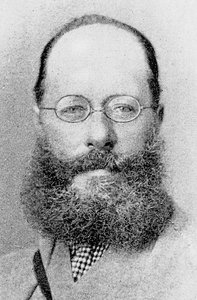
Edward Lear
1812 - 1888 , United Kingdom
Quick Facts
- Artistic Movement Or Style: Victorian, Nonsense
- Date Of Birth: May 12, 1812
- Date Of Death: January 29, 1888
- Full Name: Edward Lear
- Nationality: British
- Notable Artworks:
- The Owl and the Pussycat
- The Dong with luminous nose
- Illustrations of Parrots
- Place Of Birth: London, UK
Related Articles
Edward Hopper's Masterpieces: 25 Iconic Paintings & Their Enduring Legacy | ArtsDot
Explore 25 iconic Edward Hopper paintings & their stories. Discover American realism, urban loneliness, and timeless beauty through his masterpieces. Find museum-quality art reproductions & curated decor ideas at ArtsDot.com.
Edward Lear: A Life Beyond Nonsense – Landscape, Illustration & the Poetics of Isolation
Explore the life of Edward Lear beyond his nonsense poems. Discover his stunning landscape paintings, travel illustrations & the poignant themes of isolation in this expert art history analysis.

Beyond the Horizon: 10 Landscape Masterpieces for Your Home Decor
Journey through 10 breathtaking landscape paintings by Monet, Van Gogh & more! Explore iconic artworks, artistic techniques & find inspiration for your home decor. Museum-quality reproductions at ArtsDot.com. Discover all masterpieces on ArtsDot.com

Hokusai's Masterpieces: 25 Iconic Prints & Paintings for Art Lovers | ArtsDot
Journey through Katsushika Hokusai’s 25 most iconic artworks, including *The Great Wave*. Explore the ukiyo-e master's history, style & timeless Japanese woodblock prints. Find museum-quality reproductions for your home at ArtsDot.com.

Romantic Landscapes: 10 Masterpieces for Your Home | ArtsDot
Journey through 10 Romantic landscape masterpieces by Friedrich, Turner & Cole. Explore emotional art, sublime nature scenes & iconic 19th-century paintings. Find museum-quality reproductions for your home at ArtsDot.com – discover the full collection online!