 Preview
 Send
Send Share
Share
 Details

 Download
 Similars
 X-Ray
X-Ray Diaporama
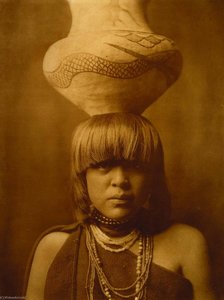
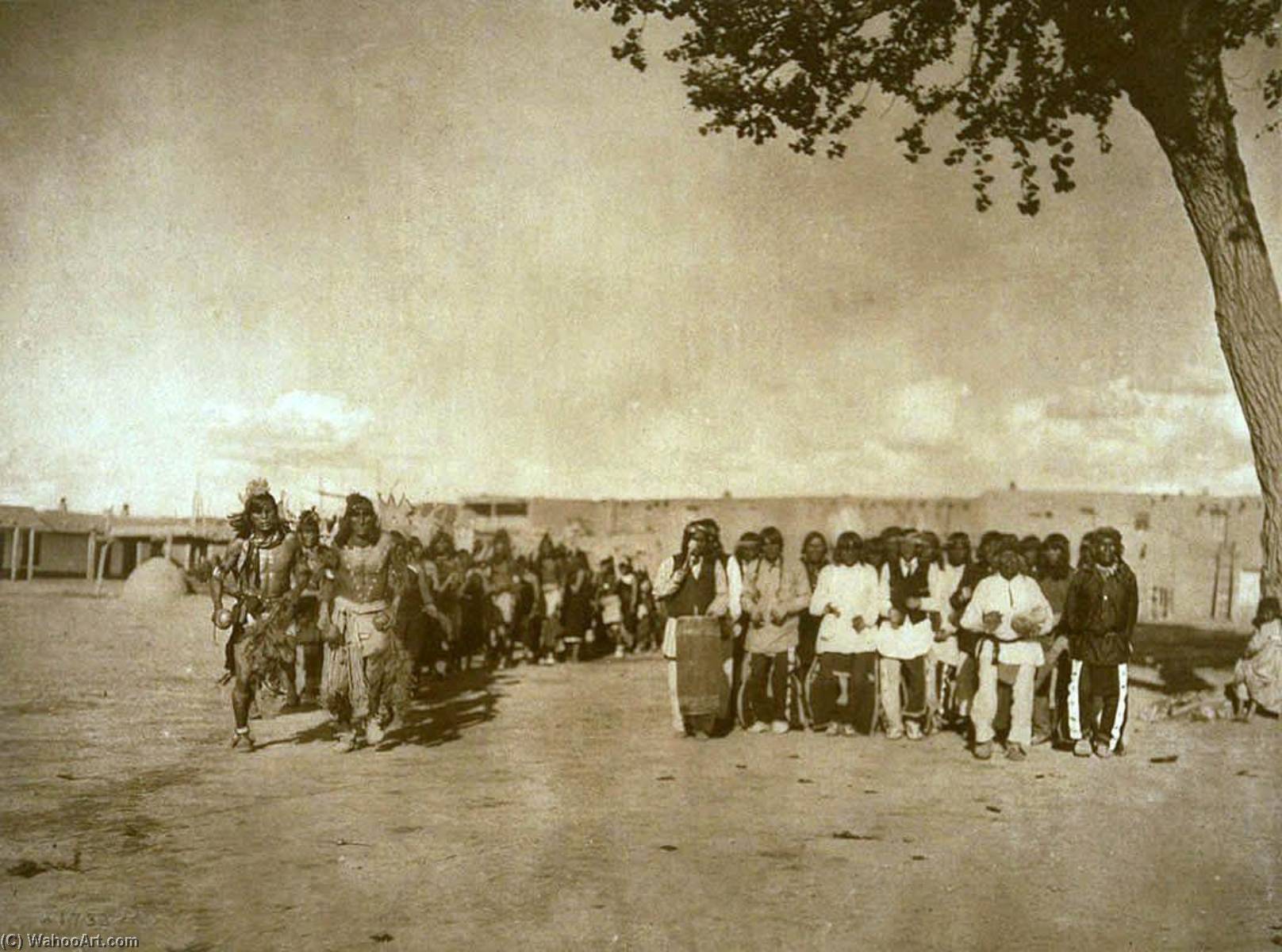
Tablita Dancers and Singers San Ildefonso
 1905
1905 33.0 x 41.0 cm
 Read More
Giclée / Art Print
Museum-quality giclée or canvas print with fast production and flexible finish options. ( Buy Hand Made Painting Buy Image)




































Pick from our preset sizes that match the artwork's original proportions.

You may enter your own dimensions to fit a specific frame or space. If your selected size does not match the original image's proportions, we will either crop the artwork or extend the image with a mirrored or solid-fill edge. A digital mockup will be sent for your approval before production begins.
Please note that the on-screen preview does not reflect the actual cropping or extension. Only the mockup will accurately show the final composition.
While custom sizes are available, we recommend selecting a dimension from the predefined list to preserve the original proportions.
Worldwide Delivery () in 2 weeks instead of standard 4/5 weeks. (24 August)

Free Worldwide Express Shipping

High-Quality Linen Canvas

Full Shipping Insurance

Customs Tax Refund Guarantee

True Color Matching Guarantee

60-Day Return Policy (Defects Only)

100% Money-Back Guarantee

Bulk Discount Offer
 Glass option is only available in size under 110 CM

Tablita Dancers and Singers San Ildefonso
Giclée / Art Print
Reproduction Size
-


Total Price
$ 63
Collectible Description
Historical Context and Significance
The photograph is part of Curtis's monumental project, The North American Indian, which aimed to document the traditional ways of life of Native American tribes. The Tablita Dancers and Singers San Ildefonso image showcases a ceremonial dance, where participants wear traditional attire and adornments, highlighting the importance of cultural preservation. Key Features of the Painting:- The photograph features a group of people gathered around a tree, with horses and a dog present in the scene.
- The individuals are dressed in traditional clothing, showcasing their cultural heritage.
- The image captures a moment in time, providing a glimpse into the lives of Native American communities.
Artistic Style and Technique
Edward Sheriff Curtis's work is characterized by his use of photography as a means to document and preserve Native American cultures. His photographs are not only aesthetically pleasing but also provide valuable insights into the history and traditions of these communities. The Tablita Dancers and Singers San Ildefonso photograph is a prime example of Curtis's skill in capturing the essence of Native American life. At ArtsDot.com, we offer handmade oil painting reproductions of famous artworks, including those by Edward Sheriff Curtis. Our team of skilled artists uses high-quality materials to create stunning replicas that capture the essence of the original pieces. For more information on our collection, please visit Edward Sheriff Curtis: Tablita Dancers and Singers San Ildefonso.The Smithsonian American Art Museum is home to an extensive collection of Edward Sheriff Curtis's photographs, including the Tablita Dancers and Singers San Ildefonso. This museum is a treasure trove of American art, featuring works by renowned artists such as João Batista Da Costa Ferreira. To learn more about the museum's collection, visit Karl Bodmer: Saukie and Fox Indians.
In conclusion, the Tablita Dancers and Singers San Ildefonso is a remarkable photograph that showcases the cultural heritage of Native American communities. As a professional expert in Art and salesman at ArtsDot.com, I highly recommend exploring our collection of handmade oil painting reproductions, which includes works by Edward Sheriff Curtis and other renowned artists.
Related Artworks









Artist Biography
Early Life and Photographic Beginnings
- Born: February 16, 1868, Whitewater, Wisconsin
- Parents: Asahel "Johnson" Curtis (Reverend, farmer, Civil War veteran) and Ellen Sheriff.
- Siblings: Raphael, Edward, Eva, and Asahel Curtis.
- Early hardships due to his father's struggles led the family to relocate to Minnesota.
- Left school in the sixth grade but demonstrated an early interest in photography, building his own camera.
- Apprenticed as a photographer in St. Paul, Minnesota, in 1885.
- Moved to Seattle, Washington, in 1887 and established photographic studios, initially partnering with Rasmus Rothi and later Thomas Guptill.
The North American Indian Project
- Genesis: Inspired by his early portraits of Native Americans like Princess Angeline (Kickisomlo), Curtis embarked on a monumental project to document the cultures and traditions of Indigenous peoples in the American West.
- Funding: Secured $75,000 from J.P. Morgan in 1906 to produce a twenty-volume series with approximately 1,500 photographs. Morgan was promised 25 sets and 500 original prints as repayment.
- Scope: The project aimed to capture not just portraits but also ethnographic details of tribal life – traditional clothing, housing, ceremonies, food, recreation, and oral histories. Curtis recorded over 10,000 wax cylinder recordings of Native American languages and music and took more than 40,000 photographic images of over 80 tribes.
- Team: Employed a team including William E. Myers (writer), Bill Phillips (logistics), and Frederick Webb Hodge (anthropologist and editor).
- Publication: Despite the initial plan for five years, the project spanned over two decades and resulted in 222 complete sets being published.
Curtis's Photographic Style and Techniques
- Soft Focus: Curtis employed a soft-focus aesthetic, which was popular at the time, to create images with a dreamlike quality. This style has been both praised for its artistic beauty and criticized for potentially romanticizing or obscuring the realities of Native American life.
- Large Format Photography: Used large format cameras to produce high-quality negatives suitable for photogravure printing.
- Photogravure Printing: A sophisticated printing technique that allowed for detailed reproduction of photographs, capturing subtle tonal variations and textures.
- Staging and Collaboration: While Curtis aimed to document authentic tribal life, some critics argue that his images were staged or influenced by Western artistic conventions. He collaborated with Native American communities, often relying on their knowledge and assistance in recreating traditional scenes.
Legacy and Historical Significance
- Preservation of Indigenous Cultures: Curtis's work is invaluable as a historical record of Native American cultures at a time when many traditions were rapidly disappearing due to assimilation policies and westward expansion.
- Complex Reception: His legacy has been subject to ongoing debate, with some praising his efforts to document Indigenous peoples while others critique the colonial gaze inherent in his project and the potential for misrepresentation or romanticization.
- Influence on Ethnographic Photography: Curtis's ambitious scope and meticulous documentation influenced subsequent generations of ethnographic photographers.
- Exhibitions and Recognition: His work has been exhibited internationally, including at the Rencontres d’Arles festival in France in 1973.
- Death: Died on October 19, 1952.
Beyond Photography: Film and Later Years
- Early Motion Pictures: Curtis experimented with motion pictures as early as 1906.
- In the Land of the Head Hunters (1914): A feature-length film depicting Kwakiutl life, notable for being one of the first films to feature an all-Native American cast.
- Later Career: After the completion of *The North American Indian*, Curtis worked in Hollywood as a portrait photographer and production still photographer.
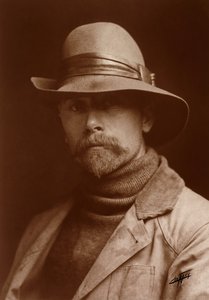
Edward Sheriff Curtis
1868 - 1952 , United States of America
Quick Facts
- Artistic Movement Or Style: Ethnographic photography
- Date Of Birth: February 16, 1868
- Date Of Death: 1952
- Full Name: Edward Sheriff Curtis
- Nationality: American
- Notable Artworks:
- Standing Two Oto
- Wakonda Oto
- Place Of Birth: Whitewater, United States