 Preview
 Send
Send Share
Share
 Details

 Download
 Similars
 X-Ray
X-Ray Diaporama
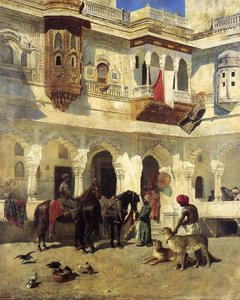
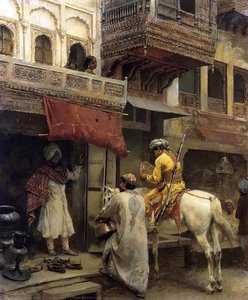
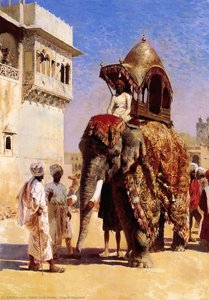
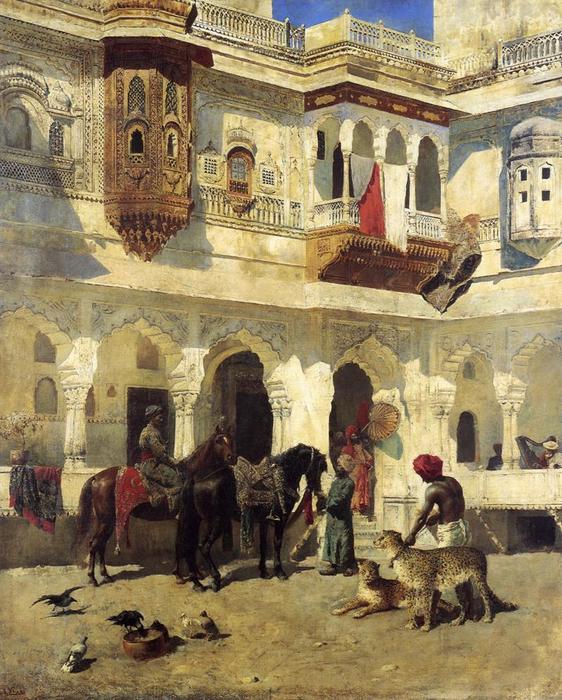
Rahaj Starting on a Hunt


 Read More
Hand Made Oil Reproduction
Hand-painted oil on canvas in your size and frame, made to order by our artists. ( Buy Print Buy Image)




P118B $10

P118H $10

P118W $10

P438Z $10

P508JH $12

P508YH $12

P805H $10

P805Z $10

P919BZ $10

P919G $10

P919XJ $10

P959ZH $10

P968JZ $12

W106C $8

W218G $10

W218JH $8

W218Y $10

W307PJ $10

W316G $10

W316PJ $8

W316Y $10

W398PJ $8

W4111J $10

W500HY $15

W500JH $15

W692G $12

W849H $8

W940BG $15

W953PJ $8




Pick from our preset sizes that match the artwork's original proportions.

You may enter your own dimensions to fit a specific frame or space. If your selected size does not match the original image's proportions, we will either crop the artwork or extend the painting with additional hand-painted elements. A digital mockup will be sent for your approval before production begins.
Please note that the on-screen preview does not reflect the actual cropping or extension. Only the mockup will accurately show the final composition.
While custom sizes are available, we recommend selecting a dimension from the predefined list to preserve the original proportions.
After order, ArtsDot.com team will email client for instructions and provide a mockup preview
Worldwide Delivery () in 3/4 weeks instead of standard 5 weeks. (16 August). No compromise on quality.

Free Worldwide Express Shipping

High-Quality Linen Canvas

Full Shipping Insurance

Customs Tax Refund Guarantee

True Color Matching Guarantee

60-Day Return Policy (Defects Only)

100% Money-Back Guarantee

Bulk Discount Offer
 Glass option is only available in size under 110 CM

Rahaj Starting on a Hunt
Reproduction Medium
Reproduction Size
-


Total Price
$ 263
Artwork Description
The Thrill of the Chase: An Orientalist Vision
This evocative painting transports the viewer directly into the heart of an Indian hunt, a scene brimming with kinetic energy and exotic splendor. Edwin Lord Weeks masterfully captures not merely an event, but a vibrant cultural tableau. The composition is alive; one can almost hear the thundering hooves of the horses and the sharp calls of the birds. It speaks to a time when European fascination intersected with the rich, dramatic life of the Indian subcontinent. The arrangement of figures—the mounted hunters poised with their bows, the watchful attendants, and the various animals—creates a complex narrative tapestry woven across the canvas.
Mastery in Movement and Detail
Weeks’ technique shines through in the depiction of motion. Observe the two prominent horses; they are rendered with palpable musculature, suggesting power barely contained. The artist pays meticulous attention to the foreground elements, particularly the grouping of cats, whose varied poses suggest a momentary pause amidst the action. Furthermore, the inclusion of the bird near the bottom left corner adds a delicate counterpoint to the robust energy of the hunt itself. In the background, the suggestion of an architectural structure—perhaps a palace wall—grounds this wild activity within a specific, sophisticated setting, elevating the scene from mere sport to a documented moment of high society adventure.
Historical Context and Orientalist Allure
As a quintessential piece of Orientalism, this work reflects the artistic currents popular during Weeks' time. These paintings were immensely appealing to Western patrons who sought visual narratives steeped in the perceived mystery and romance of the East. For collectors today, owning a reproduction allows one to connect with that historical fascination—a window into an imagined or observed world far removed from modern life. The subject matter itself speaks to themes of exploration, prowess, and cultural exchange, making it a conversation starter for any grand drawing-room or study.
Symbolism of the Hunt
Beyond the surface action, the hunt carries deep symbolic weight throughout art history. It represents more than just sport; it symbolizes human mastery over nature, the pursuit of glory, and the disciplined focus required to achieve a goal. The interplay between man (armed with skill) and animal (representing untamed life) creates a dynamic tension that is inherently dramatic. The presence of the bow and arrow serves as a potent symbol of readiness and skilled intervention within this vibrant ecosystem.
Bringing the Exotic Home
For interior design, this piece offers unparalleled drama. Its rich narrative quality means it functions not just as decoration, but as an entire scene to be contemplated. A high-quality reproduction allows one to infuse a space with the exotic romance of Edwin Lord Weeks’ vision. It promises an immediate sense of adventure and cultured grandeur, making it a breathtaking focal point for those who appreciate historical depth combined with vibrant, action-packed artistry.
Related Artworks
Artist Biography
a life of artistic exploration
edwin lord weeks, an american artist, left an indelible mark on the art world with his captivating works. born in 1849 in boston, massachusetts, weeks' life was a testament to his family's affluence, which enabled him to pursue his passion for painting and traveling.early years and artistic development
as a young man, weeks visited the florida keys to draw, further solidifying his artistic foundation. his earliest known paintings date from 1867, when he was eighteen years old. notably, it wasn't until his landscape with blue heron, dated 1871 and painted in the everglades, that weeks began to exhibit a dexterity of technique and eye for composition.parisian sojourn and orientalist subjects
in 1872, weeks relocated to paris, becoming a pupil of léon bonnat and jean-léon gérôme. this marked the beginning of his emergence as one of america's major painters of orientalist subjects. throughout his adult life, he was an inveterate traveler, journeying to south america (1869), egypt and persia (1870), morocco (frequently between 1872 and 1878), and india (1882–83).notable works and publications
some of weeks' most notable works include:- a maratha, leaving for hunting from gwalior fort
- maratha king of gwalior at his palace
- an open-air restaurant near wazir khan mosque, lahore
- royal elephant at the gateway to the jama masjid, mathura
awards and legacy
weeks earned numerous accolades, including a medal of honor in 1884, a third class medal in 1889, a gold medal at the 1889 international exhibition, and the legion of honor in 1896. he was also a member of the légion d'honneur, france, an officer of the order of saint michael (bavaria), and a member of the munich secession. view edwin lord weeks' artworks on ArtsDot: [https://ArtsDot.com/@/edwinlordweeks](https://ArtsDot.com/@/edwinlordweeks) explore more about orientalist subjects on ArtsDot: /en/art/list/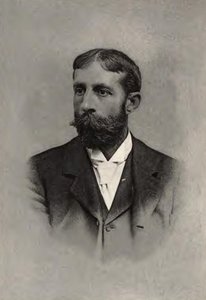
Edwin Lord Weeks
1849 - 1903 , United States of America
Quick Facts
- Artistic Movement Or Style: Orientalist
- Artists Who Influenced This Artist:
- Jean-Léon Gérôme
- Léon Bonnat
- Date Of Birth: 1849
- Date Of Death: November 1903
- Full Name: Edwin Lord Weeks
- Nationality: American
- Notable Artworks:
- A Maratha
- An Open-Air Kitchen, Lahore, India
- Moguls Elephant
- Place Of Birth: Boston, United States of America
Related Articles

Giclée Prints: Archival Quality & Aesthetic Nuances for the Discerning Collector
Explore the world of giclée prints with ArtsDot. Learn about archival quality, aesthetic nuances & investment potential. Expert guidance for discerning art collectors seeking museum-quality reproductions and lasting value.

The Enduring Legacy of Fine Art Prints: Technique, History & Aesthetic Impact
Explore the rich history & techniques of fine art prints. Discover investment potential, assess authenticity, and learn how to preserve your collection with expert guidance. Trusted insights for discerning collectors.

Echoes of Time: Exploring the Enduring Appeal & Historical Context of Vintage Art Prints
Explore the captivating world of vintage art prints! Discover their history, collecting tips & enduring appeal. Expert insights on chromolithography and building a legacy collection with ArtsDot.
The Enduring Legacy of Printmaking: Techniques, Themes & Artistic Innovation Across Centuries
Explore the rich history of printmaking with ArtsDot. Discover techniques from intaglio to lithography, learn about collecting valuable prints & find museum-quality reproductions. Expert insights for art enthusiasts and collectors.
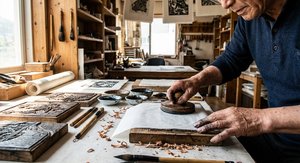
The Enduring Legacy of Woodblock Printmaking: Technique, History & Artistic Expression
Explore the rich history of woodblock printmaking – from ancient techniques to Ukiyo-e masterpieces. Discover expert insights on collecting, preserving & appreciating this enduring art form.