- Home

- Oil Painting Reproduction
- eikanshi ( go - 永歓子) isaburō (original family name - 猪三郎) shiyū ( go - 子裕) yōsōsai ( go - 養素斎)
 Preview
 Send
Send Share
Share
 Details

 Download
 Similars
 X-Ray
X-Ray Diaporama
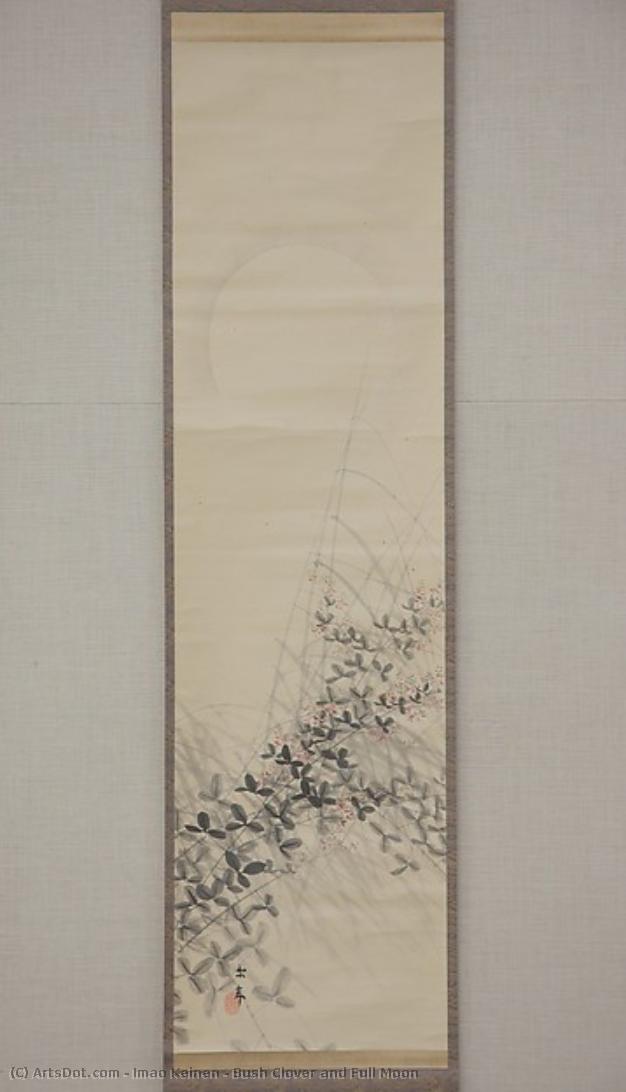
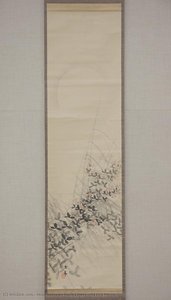
Bush Clover and Full Moon


 Read More
Hand Made Oil Reproduction
Hand-painted oil on canvas in your size and frame, made to order by our artists. ( Buy Print Buy Image)




































Pick from our preset sizes that match the artwork's original proportions.

You may enter your own dimensions to fit a specific frame or space. If your selected size does not match the original image's proportions, we will either crop the artwork or extend the painting with additional hand-painted elements. A digital mockup will be sent for your approval before production begins.
Please note that the on-screen preview does not reflect the actual cropping or extension. Only the mockup will accurately show the final composition.
While custom sizes are available, we recommend selecting a dimension from the predefined list to preserve the original proportions.
After order, ArtsDot.com team will email client for instructions and provide a mockup preview
Worldwide Delivery () in 3/4 weeks instead of standard 5 weeks. (4 September). No compromise on quality.

Free Worldwide Express Shipping

High-Quality Linen Canvas

Full Shipping Insurance

Customs Tax Refund Guarantee

True Color Matching Guarantee

60-Day Return Policy (Defects Only)

100% Money-Back Guarantee

Bulk Discount Offer
 Glass option is only available in size under 110 CM

Bush Clover and Full Moon
Reproduction Medium
Reproduction Size
-


Total Price
$ 263
Related Artworks


Artist Biography
A Life Immersed in Nature: The World of Imao Keinen
Born in Kyoto in 1845, Imao Keinen—originally named Imao Inosuke—embarked on a journey that would establish him as one of Japan’s most beloved and influential artists during the late Edo and early Meiji periods. His life unfolded against a backdrop of significant societal change, transitioning from the established traditions of feudal Japan to an era embracing modernization and Western influences. Keinen's path wasn’t immediate; he balanced artistic pursuits with familial responsibilities, initially assisting in his father’s business before dedicating himself fully to painting after its closure in 1868. This early experience perhaps instilled a sense of practicality alongside his growing passion for art, shaping his approach to both creation and livelihood. He was the fifth son of Imao Inosuke, and from a young age demonstrated an aptitude for visual expression.Early Training and Artistic Foundations
Keinen’s formal artistic education began at eleven under Umegawa Tōkyo, a prominent *ukiyo-e* artist. However, his studies soon expanded to encompass the broader world of Japanese painting with Suzuki Hyakunen, where he delved into both painting techniques and calligraphy. This diverse training proved pivotal, allowing Keinen to absorb various styles rather than adhering rigidly to one school of thought. He also engaged in studying Chinese classics, enriching his understanding of symbolism and philosophical underpinnings often interwoven within traditional art forms. While Nanga painting enjoyed considerable popularity during this period, Keinen charted his own course, developing a unique aesthetic that blended meticulous detail with a sense of naturalism. Simultaneously, he supported himself by working as a design advisor for a textile company, demonstrating resourcefulness and adaptability in navigating the evolving artistic landscape.A Master of *Kachō-e* and Imperial Recognition
Keinen’s signature style blossomed through his exquisite depictions of birds and flowers—known as *kachō-e*. His compositions weren't merely representations of nature; they were imbued with a delicate sensitivity, capturing the essence of each subject with remarkable precision. He became renowned for his Sumi-e ink wash paintings, showcasing an exceptional command of brushwork and subtle tonal variations. In 1888, he accepted a professorship at the Kyoto Prefectural School of Painting, solidifying his position as a respected educator and mentor. His talent didn’t go unnoticed by the Imperial Court; in 1904, Keinen was appointed an artist to the Imperial Household—a testament to his artistic merit and cultural significance. This appointment further elevated his status, culminating in membership of the Imperial Art Academy in 1919.Legacy and Influence: A Lasting Impression
Imao Keinen’s influence extended far beyond his own prolific output. He fostered a generation of artists through his teaching at the Kyoto Prefectural School of Painting, with many prominent painters counting themselves among his pupils—including his son, Imao Keishō. His works are celebrated for their harmonious blend of traditional Japanese aesthetics and modern sensibilities, appealing to both domestic audiences and international collectors. The album *Keinen Kachō gafu*, published in 1892, remains a cornerstone of his oeuvre, showcasing an extensive series of bird and flower prints that exemplify his mastery of woodblock techniques. Keinen’s ability to capture the fleeting beauty of nature, coupled with his dedication to artistic innovation, cemented his place as a pivotal figure in the Shin-Hanga movement—a period marked by a revival of traditional Japanese printmaking. His paintings continue to grace museum collections worldwide, offering a glimpse into the serene world he so skillfully created and ensuring his legacy endures for generations to come. He died in Kyoto in 1924, leaving behind a rich artistic heritage that continues to inspire awe and admiration.Artistic Pseudonyms
- Eikanshi (永歓子)
- Ryōji Rakukyo (聊自楽居)
- Shiyū (子裕)
- Yōsōsai (養素斎)
Quick Facts
- Artistic Movement Or Style: Shin-Hanga
- Artists Or Movements Influenced By This Artist:
- Imao Keishō
- Konoshima Ōkoku
- Artists Who Influenced This Artist:
- Umegawa Tōkyo
- Suzuki Hyakunen
- Date Of Birth: 1845
- Date Of Death: 1924
- Full Name: Imao Keinen
- Nationality: Japanese
- Notable Artworks:
- Bush Clover & Full Moon
- Kachō-e series
- Place Of Birth: Kyoto, Japan
Related Articles

Hokusai's Masterpieces: 25 Iconic Prints & Paintings for Art Lovers | ArtsDot
Journey through Katsushika Hokusai’s 25 most iconic artworks, including *The Great Wave*. Explore the ukiyo-e master's history, style & timeless Japanese woodblock prints. Find museum-quality reproductions for your home at ArtsDot.com.
Serenity on Canvas: A Guide to the Timeless Beauty of Japanese Landscape Painting
Discover the serene beauty of Japanese landscape painting. From Hokusai's iconic woodblock prints to meditative sumi-e ink washes, explore a visual journey through the 'floating world' and learn how to bring this timeless Zen aesthetic into your modern home decor.
The Beauty of Ink Wash: Discover Serene & Soulful Art for Your Home
Discover the tranquil beauty of ink wash painting. Explore how Sumi-e and monochrome landscapes bring Zen-inspired serenity and soulful elegance to your home decor through expert curation and timeless East Asian aesthetics.
Ephemeral Expressions: Exploring the Nuances of Ink on Paper Through History & Contemporary Art
Explore the captivating world of ink wash painting – from its ancient origins to contemporary masters. Discover techniques, symbolism & conservation insights with ArtsDot.com.

Romantic Landscapes: 10 Masterpieces for Your Home | ArtsDot
Journey through 10 Romantic landscape masterpieces by Friedrich, Turner & Cole. Explore emotional art, sublime nature scenes & iconic 19th-century paintings. Find museum-quality reproductions for your home at ArtsDot.com – discover the full collection online!