 Preview
 Send
Send Share
Share
 Details

 Download
 Similars
 X-Ray
X-Ray Diaporama
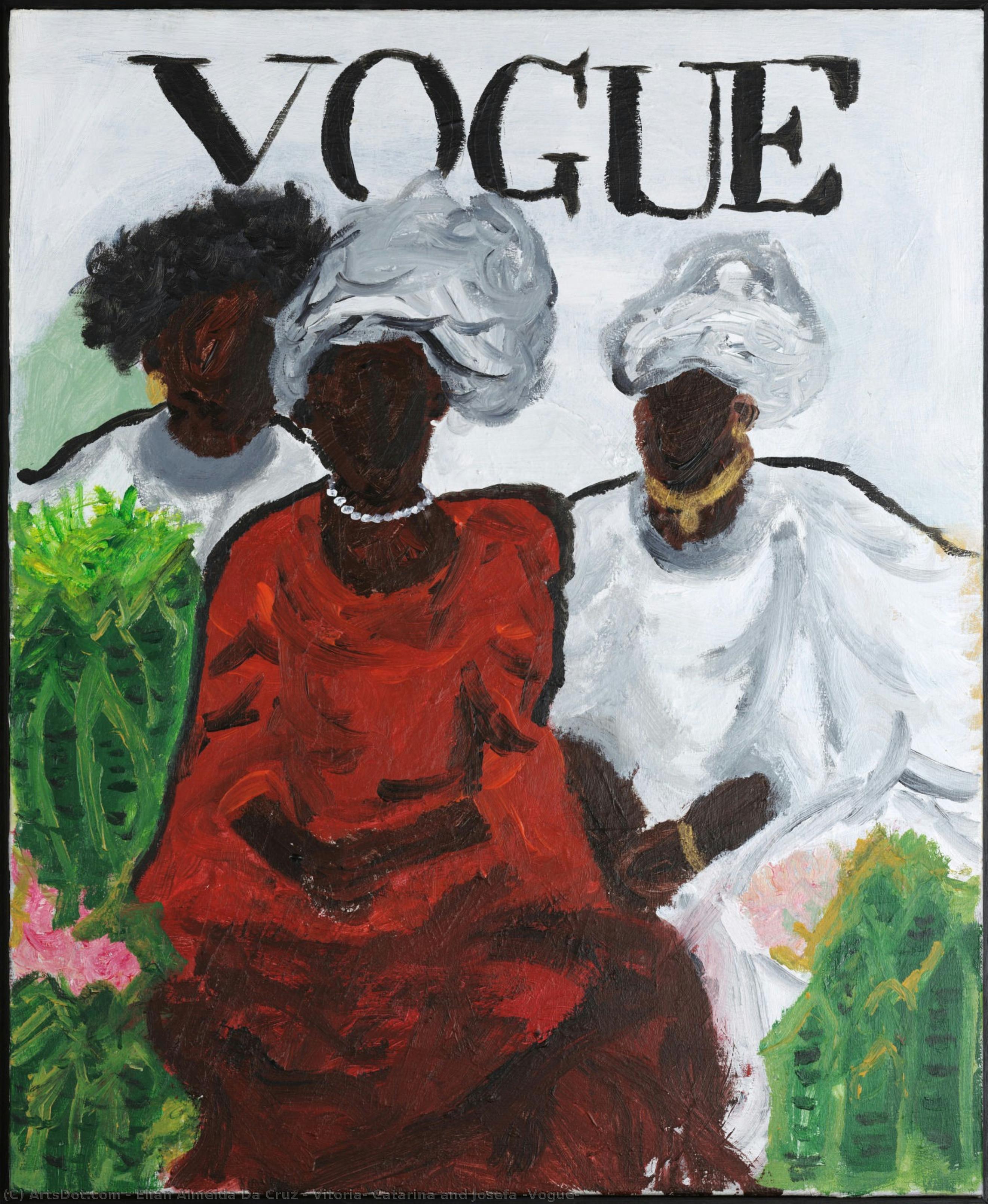
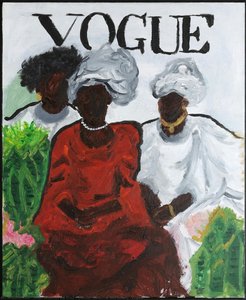
Vitória, Catarina and Josefa (Vogue)


 Read More
Hand Made Oil Reproduction
Hand-painted oil on canvas in your size and frame, made to order by our artists. ( Buy Print Buy Image)




P118B $10

P118H $10

P118W $10

P438Z $10

P508JH $12

P508YH $12

P805H $10

P805Z $10

P919BZ $10

P919G $10

P919XJ $10

P959ZH $10

P968JZ $12

W106C $8

W218G $10

W218JH $8

W218Y $10

W307PJ $10

W316G $10

W316PJ $8

W316Y $10

W398PJ $8

W4111J $10

W500HY $15

W500JH $15

W692G $12

W849H $8

W940BG $15

W953PJ $8




Pick from our preset sizes that match the artwork's original proportions.

You may enter your own dimensions to fit a specific frame or space. If your selected size does not match the original image's proportions, we will either crop the artwork or extend the painting with additional hand-painted elements. A digital mockup will be sent for your approval before production begins.
Please note that the on-screen preview does not reflect the actual cropping or extension. Only the mockup will accurately show the final composition.
While custom sizes are available, we recommend selecting a dimension from the predefined list to preserve the original proportions.
After order, ArtsDot.com team will email client for instructions and provide a mockup preview
Worldwide Delivery () in 3/4 weeks instead of standard 5 weeks. (28 August). No compromise on quality.

Free Worldwide Express Shipping

High-Quality Linen Canvas

Full Shipping Insurance

Customs Tax Refund Guarantee

True Color Matching Guarantee

60-Day Return Policy (Defects Only)

100% Money-Back Guarantee

Bulk Discount Offer
 Glass option is only available in size under 110 CM

Vitória, Catarina and Josefa (Vogue)
Reproduction Medium
Reproduction Size
-


Total Price
$ 263
A Tapestry of Resilience: Reimagining History through Elian Almeida Da Cruz
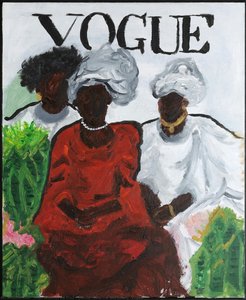
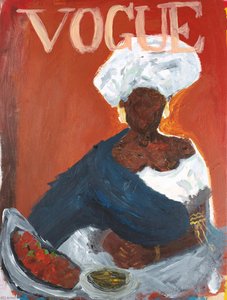
In the evocative masterpiece "Vitória, Catarina and Josefa (Vogue)," contemporary Brazilian artist Elian Almeida Da Cruz performs a profound act of historical reclamation. This striking acrylic on canvas serves as more than a mere portrait; it is a vibrant portal into the mid-eighteenth century, breathing life and modern dignity into the figures of three African women who once navigated the complex, often brutal, landscape of enslaved society in southern Brazil. Through a masterful blend of historical research and contemporary aesthetic sensibility, Da Cruz transforms archival whispers into a visual roar, inviting viewers to witness the strength of kinship that flourished even amidst the shadows of oppression.
The composition is anchored by a powerful triad of figures—Vitória, Catarina, and Josefa—whose presence commands the space with an undeniable grace. Dressed in bold, saturated reds that pulse against the canvas, these women are depicted with a striking modern elegance that justifies the provocative subtitle "(Vogue)." This stylistic choice creates a fascinating tension between the historical reality of their lives in Viamão and the high-fashion allure of contemporary portraiture. The use of headscarves adds a layer of cultural texture, framing faces that convey a sense of quiet authority and communal connection. As they sit together, the painting captures the essence of the godparent networks and family ties they meticulously built, turning a scene of survival into one of profound social architecture.
The Artistry of Color and ConnectionTechnically, Da Cruz utilizes the versatility of acrylics to achieve a luminous depth that is essential for such an emotionally charged subject. The deliberate use of red—a color synonymous with passion, blood, and vitality—serves as a symbolic thread that binds the three women together, mirroring the very kinship networks they established in life. This monochromatic intensity, contrasted against the subtle nuances of their skin tones and the textures of their garments, creates a visual rhythm that keeps the eye moving across the canvas, discovering new details of expression and posture with every glance.
For the discerning collector or interior designer, this piece offers an unparalleled opportunity to introduce a conversation starter into any curated space. It is a work that demands attention not through chaos, but through its dignified presence and historical weight. Whether placed in a contemporary gallery setting or as a focal point in a sophisticated residential study, "Vitória, Catarina and Josefa (Vogue)" brings with it an aura of intellectual depth and emotional resonance. To possess a reproduction of this work is to hold a piece of a reconstructed history—a celebration of the enduring human spirit that refuses to be erased by time.
Related Artworks
Artist Biography
Terron Cooper Sorrells: A Contemporary Voice Rooted in Heritage
Born in Virginia in 1994, Terron Cooper Sorrells is a rising figure in contemporary American art, quickly gaining recognition for his deeply evocative and historically resonant paintings. His work isn’t merely decorative; it's an immersive exploration of African-American cultural narratives, interwoven with threads of personal experience and a profound understanding of the past. Sorrells’ canvases are populated by figures—often rendered in striking realism—engaged in quiet moments of contemplation, imbued with a palpable sense of dignity and resilience. These aren’t stories shouted from rooftops; they're whispered histories, carefully considered portraits of individuals navigating complex realities.
Early influences on Sorrells’ artistic vision are difficult to pinpoint with absolute precision, though the rich tapestry of his heritage undoubtedly plays a central role. The Virginia landscape—its rolling hills, historic plantations, and echoes of slavery—forms a foundational backdrop for much of his work. He cites a deep connection to family history as a primary motivator, seeking to honor ancestors and preserve their stories within the visual realm. The impact of Robin Spencer’s 1994 book on Whistler, featuring beautiful illustrations, also seems to have subtly shaped his approach to composition and detail, demonstrating an appreciation for meticulous craftsmanship alongside a desire to capture emotional depth.
The Language of Form and Color
Sorrells' technique is characterized by a deliberate blending of realism with elements of abstraction. He employs a layered approach, building up surfaces with thin washes of color and carefully applied details—often utilizing palette knives to create textured effects that mimic the roughness of skin or the weathered appearance of aged wood. His use of color is particularly noteworthy; he favors earthy tones – ochres, siennas, umbers – alongside vibrant blues and reds, creating a visual vocabulary that simultaneously evokes both the somber realities of the past and the enduring spirit of hope. The deliberate blurring of edges and the incorporation of subtle gradations contribute to an atmosphere of quiet contemplation, inviting viewers to linger and engage with the figures on display.
His work is frequently compared to the legacy of Charles White, a pivotal figure in the development of African-American art who similarly explored themes of identity, history, and social justice. However, Sorrells’ approach feels distinctly contemporary, informed by a nuanced understanding of digital imagery and a willingness to experiment with unconventional materials and techniques. The influence of Moses Foster Sweetser's "Artist-Biographies" is also apparent in his commitment to providing context and historical background alongside each artwork.
Themes of Identity and Remembrance
At the heart of Sorrells’ oeuvre lies a profound meditation on identity—specifically, the experience of being Black in America. His paintings aren't simply representations of individuals; they are explorations of memory, trauma, and resilience. Figures often appear in domestic settings – kitchens, bedrooms, porches – suggesting a connection to home, family, and community. These spaces become symbolic landscapes, reflecting both the joys and sorrows of lived experience. The recurring motif of hands—often clasped together or reaching out—underscores themes of connection, support, and the enduring power of human touch.
Sorrells’ work also engages with the complex legacy of slavery and racial injustice in America. While he doesn't explicitly depict scenes of violence or oppression, his paintings subtly evoke the emotional weight of these historical events through carefully chosen details—the worn textures of clothing, the somber expressions on faces, the quiet dignity of posture. He’s not offering easy answers or simplistic narratives; instead, he invites viewers to confront uncomfortable truths and grapple with the ongoing struggle for racial equality.
Looking Ahead: A Contemporary Master
Terron Cooper Sorrells is an artist whose work promises to resonate deeply within the contemporary art landscape. His ability to seamlessly blend historical awareness with personal expression, coupled with his masterful command of technique and color, positions him as a significant voice in the ongoing conversation about identity, memory, and social justice. As he continues to develop his artistic vision, it will be fascinating to witness how Sorrells’ work evolves and expands, solidifying his place as a leading figure in American art for generations to come.
elian almeida da cruz
1994 - , Brazil
Quick Facts
- Artistic Movement Or Style: African-American culture
- Date Of Birth: 1994
- Full Name: Terron Cooper Sorrells
- Nationality: American
- Place Of Birth: Virginia, USA
Related Articles
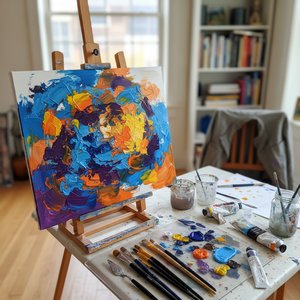
Acrylic on Canvas: A Modern Medium for Artistic Expression
Explore the versatility of acrylic paint on canvas! This guide provides art students with expert techniques, material insights & inspiration from contemporary artists. Start creating today!
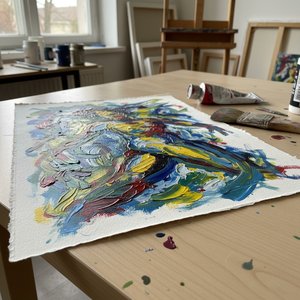
Acrylic on Paper: A Modern Canvas for Contemporary Expression
Explore the versatility of acrylic painting on paper! Discover expert techniques, artist insights & archival practices for creating stunning contemporary art. Learn more at ArtsDot.

Acrylic on Canvas: A Modern Masterpiece – Technique, History & Contemporary Expression
Explore the world of acrylic on canvas! Discover its history, techniques & contemporary applications with expert insights from ArtsDot. Find inspiration and elevate your art collection today.
Acrylic Canvas Masters: 10 Paintings That Redefined Modern Art |
Explore 10 legendary 'Acrylic On Canvas' masterpieces by artists like Rothko, Warhol & Frankenthaler. Discover the stories behind these iconic paintings and their impact on modern art. Find museum-quality reproductions at – elevate your home with timeless beauty.
The Enduring Muse: Women as Subject & Symbol in Art History
Explore the rich history of women in art – from iconic muses to groundbreaking artists. Discover feminist movements, global perspectives & reclaim female narratives with ArtsDot.