Introduction: The Historical Gaze – Women as Objects of Artistic Representation
Julia Margaret Cameron's portraits of women, often with intense emotion, are a central focus of this book, examining an under-recognized aspect of her work.
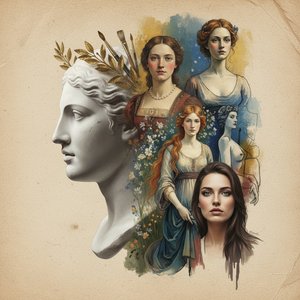
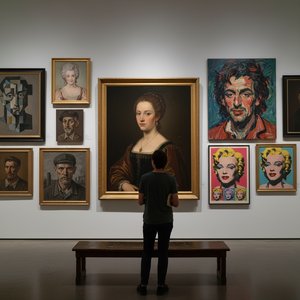
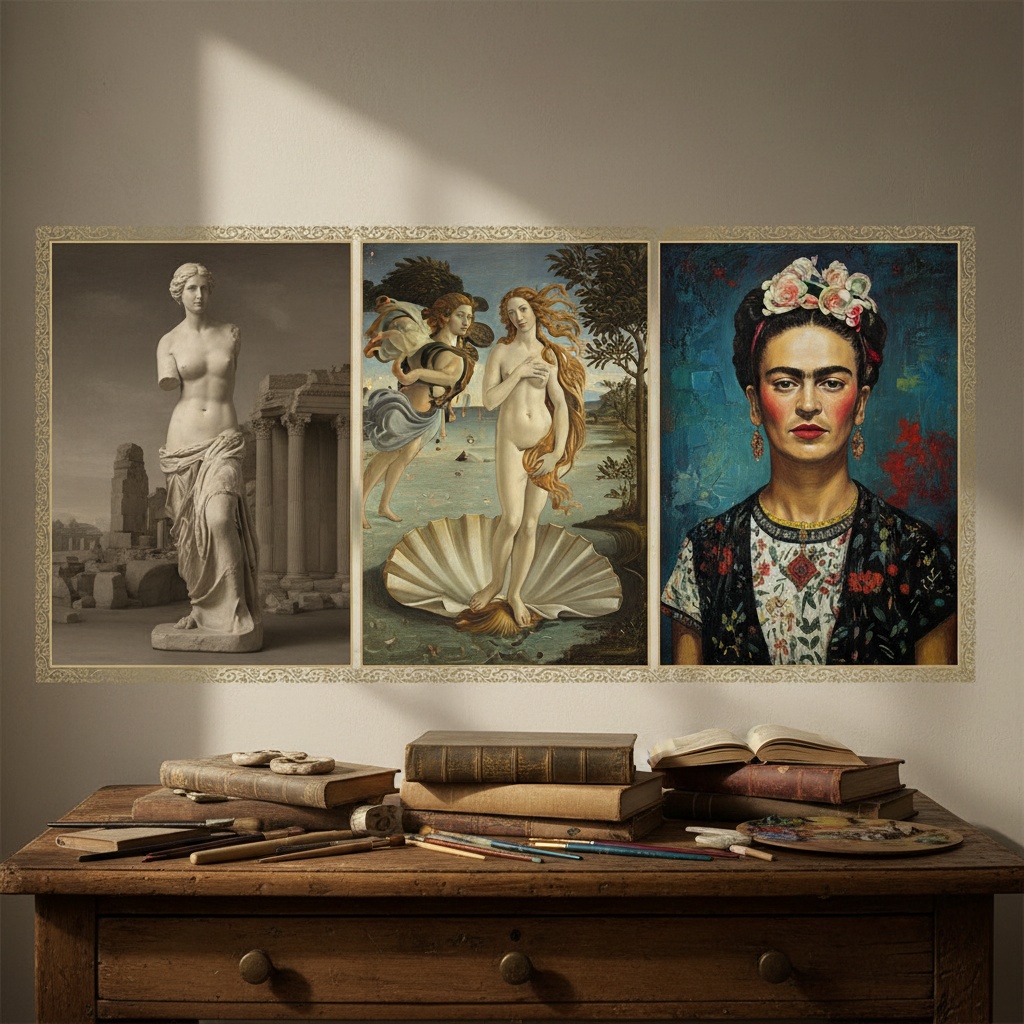
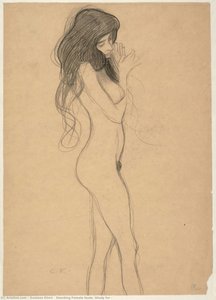
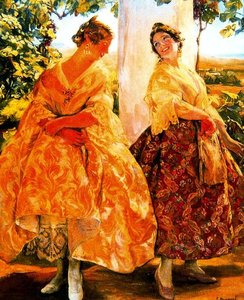
For millennia, women have occupied a central, yet often complex, position within the realm of art. Initially, their presence was largely dictated by the gaze of male artists and patrons—depicted as allegorical figures embodying virtues or vices, idealized beauties serving as passive objects of desire, or religious icons radiating piety. This initial framing wasn’t necessarily malicious; rather, it reflected a societal structure where artistic agency was overwhelmingly concentrated in the hands of men. The very act of *seeing* women through art became intertwined with power dynamics, shaping perceptions and reinforcing established norms. Early representations weren't simply about capturing likenesses but constructing ideals – the perfect wife, mother, or goddess. Consider the countless depictions of Venus, not as an individual woman, but as a symbol of love and beauty, filtered through the lens of patriarchal expectations. This foundational period establishes a crucial context for understanding how women’s roles evolved—and were challenged—within artistic traditions.
Archetypes & Allegories: From Goddesses to Personifications in Classical Art
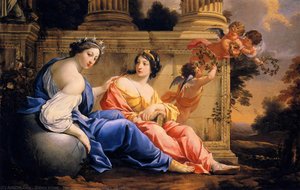
The classical world offered a rich tapestry of female archetypes, each imbued with symbolic weight. Greek goddesses like Athena, embodying wisdom and strategic warfare, or Artemis, representing the wild hunt and independence, provided powerful models for artistic interpretation. However, even these seemingly empowering figures were often presented within a framework defined by male mythology and societal values. Roman personifications – Pax (Peace), Concordia (Harmony) – similarly served as abstract ideals rather than individualized portraits. The emphasis wasn’t on their inner lives but on the qualities they represented. The prevalence of mythological narratives, while visually stunning, also contributed to a certain distance from lived female experience. Artists weren't necessarily interested in portraying women *as they were*, but as embodiments of broader concepts. This is evident in the frequent use of allegory – figures like Flora (Spring) or Pomona (Fruitfulness) – where the woman’s identity is subsumed by her symbolic function. The enduring appeal of these archetypes speaks to a deep-seated human desire to understand and categorize complex emotions and ideas, but it also highlights the limitations imposed on female representation during this period.
The Rise of Portraiture & Patronage: Women’s Agency and the Artist's Eye
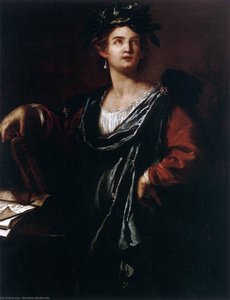
The Renaissance witnessed a significant shift with the rise of portraiture. While still often commissioned by male patrons, portraits offered women a degree of agency previously unavailable. Suddenly, individual likenesses mattered – the specific features, personality, and status of the sitter became central to the artwork. This wasn’t simply about vanity; it was about establishing lineage, demonstrating wealth, and asserting social standing. Women from noble families actively participated in commissioning portraits, shaping their own image and controlling how they were perceived. Artists like Angelica Kauffmann, a pioneering Neoclassical painter, navigated this complex landscape with remarkable skill, becoming a successful artist in her own right and challenging the conventions of the male-dominated art world. Patronage played a crucial role; women who had access to wealth and influence could directly support artists and dictate the subject matter of their commissions. This period also saw an increased focus on domestic scenes – depictions of women reading, playing music, or engaging in everyday activities – offering glimpses into their private lives, though still often filtered through the artist’s perspective. The subtle power dynamics inherent in these portraits—the gaze exchanged between sitter and artist—reveal a growing awareness of female subjectivity.
Challenging Conventions: Feminist Artists Reclaiming the Female Narrative
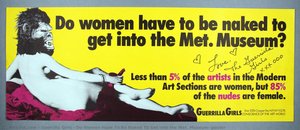
The absence of women from the canon of Western art has been a subject of inquiry and reconsideration since the early 1970s. Linda Nochlin's influential 1971 essay, "Why Have There Been No Great Women Artists?", examined the social and institutional b...
The 20th century brought about radical shifts in artistic expression, particularly with the emergence of feminist art. Artists like Cindy Sherman directly confronted the construction of female identity through her groundbreaking “Untitled Film Stills” series, deconstructing stereotypes and exposing the performative nature of gender roles. Her self-portraits weren’t about capturing a ‘true’ self but rather exploring the myriad ways women are represented in media and popular culture. This marked a departure from traditional portraiture; Sherman wasn't seeking to *be* seen but to question how she was *being seen*. Lalla Essaydi similarly challenges Western perceptions of Arab women through her staged portraits, blending Islamic calligraphy with contemporary photography to explore themes of identity, sexuality, and cultural hybridity. These artists weren’t simply adding women to the existing art historical canon; they were actively dismantling it, questioning its biases and creating new frameworks for understanding female representation. The Feminist art movement prompted a critical re-evaluation of art history itself, uncovering overlooked female artists and challenging the notion of a singular artistic genius.
Beyond the Western Canon: Global Perspectives on Women as Artistic Subjects
It’s crucial to recognize that the Western art historical narrative isn't universal. Across diverse cultures, women have been depicted in ways that reflect unique societal values and traditions. The Imigongo art of Rwanda, traditionally created by women, celebrates the sacred status of cows through vibrant geometric patterns and bold colors. In Mithila painting from India, devotional artworks depicting Hindu goddesses have been exclusively produced by women for over three thousand years, representing a continuous artistic tradition deeply rooted in religious belief. These examples demonstrate that female artistic expression isn’t limited to portraiture or representation within Western frameworks. Often, these traditions are intertwined with ritual practices, storytelling, and community building. Ignoring these perspectives perpetuates a Eurocentric view of art history, overlooking the rich diversity of female creativity around the world. The study of ceramic arts across cultures also reveals long histories where women were likely primary artisans, though their individual identities often remain obscured by time.
Contemporary Voices: Exploring Identity, Gender, and Representation Today
Today’s artists continue to push boundaries and challenge conventional notions of gender, identity, and representation. Zanele Muholi's powerful portraits document Black LGBTQI+ lives in South Africa, challenging norms of race, sexuality, and visibility. Her work isn’t simply about representation; it’s about reclaiming agency and celebrating the beauty and resilience of marginalized communities. The ongoing dialogue surrounding gender portrayal extends beyond traditional art forms into video games, where female characters are often underrepresented or subject to harmful stereotypes – a reflection of broader societal biases. Artists like Muholi demonstrate the power of visual activism, using photography as a tool for social change. The exploration of self-portraiture remains central, but with increasingly nuanced approaches that question essentialist notions of identity and embrace fluidity and complexity. The enduring legacy of women in art isn’t simply about overcoming historical barriers; it's about continuing to redefine what it means to be seen, represented, and empowered through creative expression. At ArtsDot, we are committed to providing access to a diverse range of artworks that reflect this ongoing evolution, offering custom reproductions, expert art consultation, and the opportunity to discover artists from around the globe. Explore our collection today and embark on your own journey through the captivating world of women in art – or commission a photo-to-painting service to celebrate a woman who inspires you.