

 Preview
 Send
Send Share
Share
 Details

 Download
 Similars
 X-Ray
X-Ray Diaporama
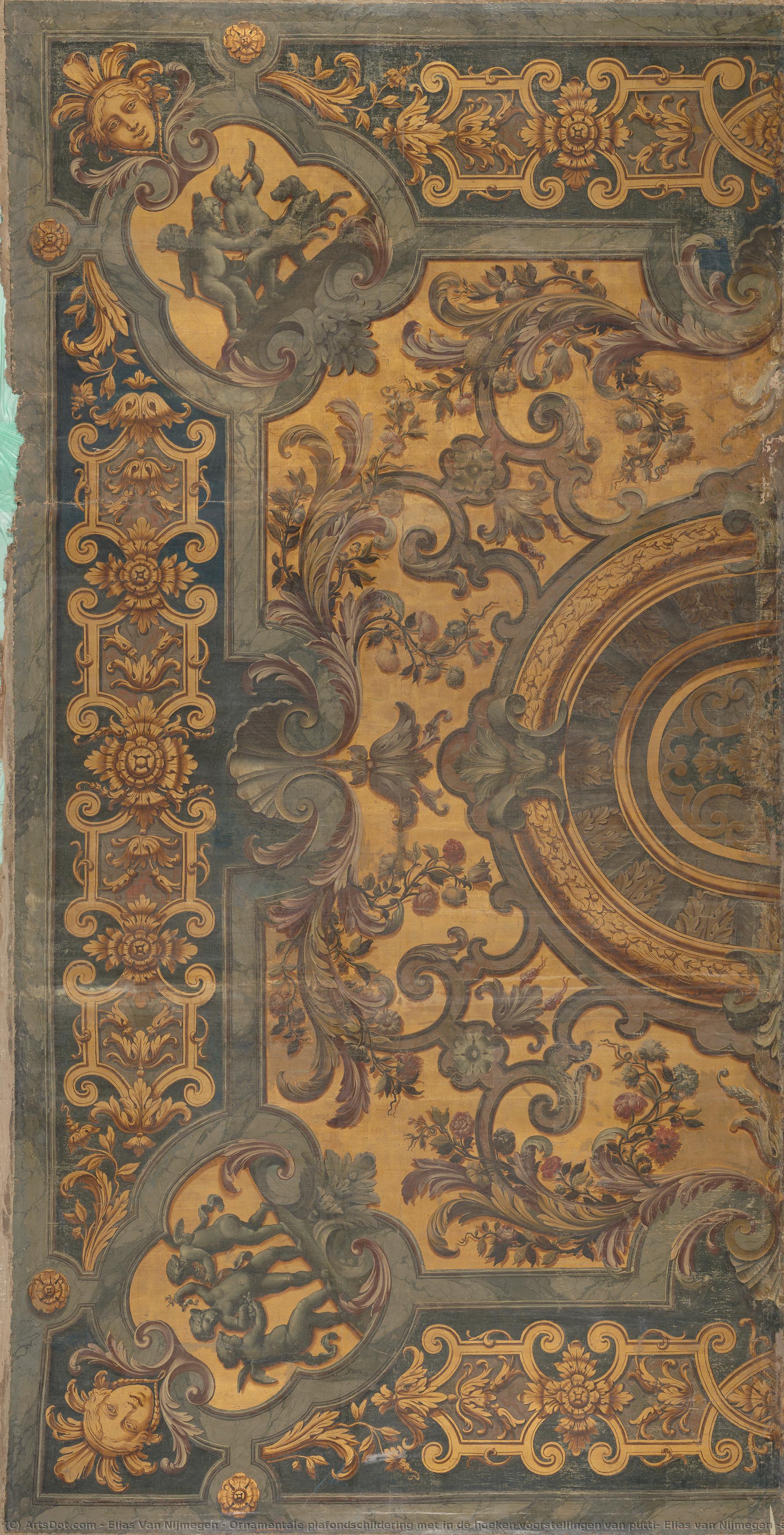
Ornamentale plafondschildering met in de hoeken voorstellingen van putti, Elias van Nijmegen (attributed to), 1695 - 1755


 Read More
Purchase a high-resolution, enhanced digital image, far superior to the online preview.
Each file is meticulously prepared by our in-house specialists using advanced tools and expert manual retouching. We ensure every image has exceptional clarity, precise color accuracy, and fine detail.
The final file is delivered via email within 72 hours, optimized for immediate use in professional, editorial, and print environments. This is the same quality trusted by top-tier design studios, publishers, and galleries.
Digital Image
Download a high-resolution file for personal display, printing, and creative projects. ( Buy Print Buy Hand Made Painting)
Included in Every Digital Image Order
Expert Digital Delivery, Guaranteed
When you choose ArtsDot.com, you're not just getting an image - you're receiving a professionally enhanced digital artwork, crafted with precision and backed by a satisfaction guarantee. Here's everything that comes with your order, automatically:

Fast Email Delivery
Your high-resolution digital image file will be emailed to you within 72 hours of ordering - ready for immediate use.

AI-Enhanced Digital File
Your artwork is professionally optimized using advanced AI tools and manual editing, ensuring maximum detail, clarity, and color accuracy.

Free Lifetime Re-Delivery
Accidentally deleted or lost your file? No worries - we'll resend it to you anytime, free of charge.

No Import Fees - Ever
Enjoy your artwork instantly with zero customs, duties, or delivery fees - digital downloads are always tax-free.

Color Accuracy Guarantee
We ensure your digital image reflects the original colors as closely as possible using professional tools and color management.

60-Day Satisfaction Guarantee
If you're not satisfied with your digital image, we'll revise it or refund 100% within 60 days - no questions asked.

100% Money-Back Guarantee
Not satisfied? Get a full refund within 60 days of receiving your digital file - no questions asked.

Bulk Order Discounts
Buy 3 images, save 10% - Buy 5, save 15% - Buy 10+, save 20%. Great for creative projects, galleries, and agencies.
Related Artworks

Artist Biography
Early Life and Guild Affiliations
Elias van Nijmegen, born in the Dutch city of Nijmegen in 1667, emerged as a significant figure in the world of 18th-century painting. While details surrounding his earliest artistic training remain somewhat elusive, it is known that he first joined the prestigious Leiden Guild of St. Luke in 1689. This initial affiliation suggests an early commitment to established artistic practices and a desire for professional recognition within the Dutch art community. However, Van Nijmegen’s artistic journey soon led him eastward; by 1701, he had relocated to Rotterdam, marrying that same year and swiftly integrating himself into the local guild in 1702. This move proved pivotal, as Rotterdam became the primary center for his flourishing career and a nurturing ground for his distinctive style. The shift from Leiden to Rotterdam reflects not merely a change of location but also a potential evolution in artistic focus—a transition towards the grander scale and decorative commissions that would come to define his oeuvre.A Master of Decorative Painting
Van Nijmegen quickly established himself as a sought-after artist specializing in ceiling and wall decorations, a testament to his skill in illusionistic painting and mastery of Baroque aesthetics. His work during this period was characterized by ornate compositions filled with rich detail and dynamic movement. He wasn’t simply applying paint; he was crafting immersive environments that transformed interiors into captivating spectacles. The RKD (Rijksbureau Kunsthistorische Documentatie) notes his expertise in these large-scale projects, highlighting the technical prowess required to execute such ambitious designs. A prime example of his skill is the “Ornamentale plafondschildering met in de hoeken voorstellingen van putti” from 1695-1755, a stunning ceiling painting that exemplifies his Baroque sensibilities and attention to detail—likely commissioned for Leeuwarden’s Palace. This piece showcases his ability to blend architectural elements with figural representations, creating a harmonious and visually arresting whole.Family Legacy and Artistic Pedigree
Van Nijmegen was not only a successful artist in his own right but also the patriarch of a veritable artistic dynasty. He generously shared his knowledge and skills with his family, fostering a lineage of painters that extended through generations. His nephew by marriage, Gerard Sanders—connected to him through Tobias van Nijmegen’s union with the widow Sanders—became one of his dedicated pupils. More importantly, Van Nijmegen directly mentored his son, Dionys van Nijmegen, who would also achieve recognition as a painter in his own time. His daughter Barbara also took up the brush, further solidifying the family's presence within the artistic landscape. This dedication to familial instruction underscores Van Nijmegen’s belief in the importance of passing down artistic traditions and nurturing talent within his immediate circle. The influence of this close-knit workshop is evident in the stylistic similarities found across their works, creating a recognizable aesthetic that resonates throughout the period.Historical Significance and Lasting Influence
Elias van Nijmegen’s death in Rotterdam in 1755 marked the end of a prolific career, but his artistic legacy continued to flourish through the work of his students and family members. He occupies an important position within the broader context of Dutch art history as a skilled practitioner of decorative painting during a period of transition. While not necessarily known for groundbreaking innovation, Van Nijmegen excelled in executing established styles with exceptional finesse and technical mastery. His ability to create visually stunning interiors catered to the tastes of wealthy patrons and contributed significantly to the aesthetic environment of 18th-century Dutch society. The continued appreciation of his work—as evidenced by its presence in art databases and scholarly research—demonstrates his enduring impact on the artistic landscape, solidifying his place as a respected figure within the annals of Dutch painting. His influence can be seen in the works of his son Dionys, who carried forward his father’s tradition of portraiture and wall decoration, ensuring that the Van Nijmegen style continued to grace the interiors of Rotterdam and beyond.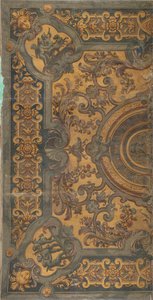
Quick Facts
- Artistic Movement Or Style: Baroque
- Artists Or Movements Influenced By This Artist:
- Gerard Sanders
- Dionys van Nijmegen
- Date Of Birth: 1667
- Date Of Death: January 24, 1755
- Full Name: Elias van Nijmegen
- Nationality: Dutch
- Notable Artworks: ['Plafondschildering (1695-1755)']
- Place Of Birth: Nijmegen, Netherlands

