

 Preview
 Send
Send Share
Share
 Details

 Download
 Similars
 X-Ray
X-Ray Diaporama
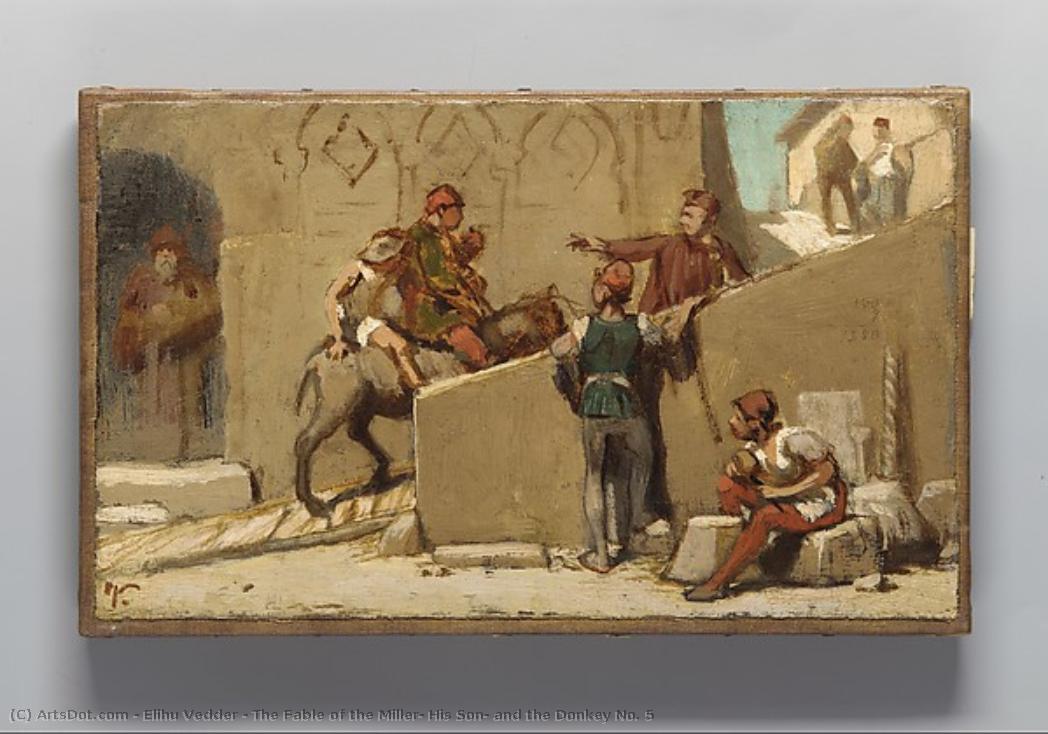
The Fable of the Miller, His Son, and the Donkey No. 5
 Oil On Canvas
- WallArt
- Symbolism
 1867
1867- 19th Century
 17.0 x 27.0 cm
 Metropolitan Museum of Art
 Read More
Purchase a high-resolution, enhanced digital image, far superior to the online preview.
Each file is meticulously prepared by our in-house specialists using advanced tools and expert manual retouching. We ensure every image has exceptional clarity, precise color accuracy, and fine detail.
The final file is delivered via email within 72 hours, optimized for immediate use in professional, editorial, and print environments. This is the same quality trusted by top-tier design studios, publishers, and galleries.
Digital Image
Download a high-resolution file for personal display, printing, and creative projects. ( Buy Print Buy Hand Made Painting)
Included in Every Digital Image Order
Expert Digital Delivery, Guaranteed
When you choose ArtsDot.com, you're not just getting an image - you're receiving a professionally enhanced digital artwork, crafted with precision and backed by a satisfaction guarantee. Here's everything that comes with your order, automatically:

Fast Email Delivery
Your high-resolution digital image file will be emailed to you within 72 hours of ordering - ready for immediate use.

AI-Enhanced Digital File
Your artwork is professionally optimized using advanced AI tools and manual editing, ensuring maximum detail, clarity, and color accuracy.

Free Lifetime Re-Delivery
Accidentally deleted or lost your file? No worries - we'll resend it to you anytime, free of charge.

No Import Fees - Ever
Enjoy your artwork instantly with zero customs, duties, or delivery fees - digital downloads are always tax-free.

Color Accuracy Guarantee
We ensure your digital image reflects the original colors as closely as possible using professional tools and color management.

60-Day Satisfaction Guarantee
If you're not satisfied with your digital image, we'll revise it or refund 100% within 60 days - no questions asked.

100% Money-Back Guarantee
Not satisfied? Get a full refund within 60 days of receiving your digital file - no questions asked.

Bulk Order Discounts
Buy 3 images, save 10% - Buy 5, save 15% - Buy 10+, save 20%. Great for creative projects, galleries, and agencies.
A Rustic Tale Painted in Stone and Shadow: Elihu Vedder’s “The Fable of the Miller, His Son, and the Donkey No. 5”
Elihu Vedder's "The Fable of the Miller, His Son, and the Donkey No. 5," painted in 1867, isn’t merely a depiction of a classic Aesop fable; it’s a poignant meditation on human folly, the relentless pursuit of approval, and the quiet dignity of acceptance. This small yet powerfully resonant oil painting, measuring just 17 x 27 cm, transports us to a sun-drenched Italian landscape—a setting meticulously chosen by Vedder to evoke the timelessness of the story itself—where a weary miller and his son grapple with the capricious judgments of passersby. The scene unfolds within a modest stone structure, its walls hinting at both shelter and confinement, mirroring the characters’ own predicament. Vedder masterfully employs a muted palette dominated by earthy ochres, warm browns, and subtle beiges, creating an atmosphere of quiet contemplation—a deliberate choice that underscores the painting's thematic weight rather than relying on dramatic color contrasts. The brushwork is deliberately loose and impressionistic; visible strokes suggest movement and texture, imbuing the scene with a sense of immediacy and capturing the fleeting nature of human interaction.A Symbolist Vision Rooted in Italian Renaissance Influence
Vedder’s work firmly resides within the Symbolist movement, yet he transcends simple imitation, forging his own unique visual language. His debt to the Italian Renaissance is palpable—particularly in the careful rendering of architectural details and the use of light and shadow, reminiscent of masters like Leonardo da Vinci and Raphael. However, Vedder departs from traditional academic realism, prioritizing emotional resonance over photographic accuracy. The figures are simplified, almost archetypal, embodying universal human experiences rather than representing specific individuals. This stylistic choice aligns perfectly with Symbolism’s core tenets: to express ideas and emotions through suggestive imagery, often drawing upon mythology, folklore, and dreamlike states. The painting's connection to the Macchiaioli movement—Italian painters who favored loose brushwork and capturing fleeting moments of light—further informs its expressive quality, adding a vibrant energy beneath the surface of apparent stillness.Decoding the Narrative: Folly, Frustration, and Fatal Missteps
At first glance, the scene appears straightforward: a miller and his son attempt to navigate a marketplace or public space, encountering a series of critical comments regarding their handling of the donkey. Yet, Vedder layers this simple narrative with profound symbolism. The donkey itself represents burdens—both literal and metaphorical—that we often carry through life, burdened by expectations, judgments, and the relentless pressure to please others. Each critique from the onlookers highlights the futility of seeking external validation; no matter how carefully one adjusts their actions, someone will always find fault. The painting’s central tension arises from the father's increasingly desperate attempts to appease these critics—a cycle that ultimately leads to a tragic outcome: the donkey’s demise. This isn’t simply a story about a lost animal; it’s an allegory for the destructive nature of vanity and the impossibility of satisfying everyone.The Artistry of Observation and Emotional Resonance
Vedder's skill lies not just in his technical proficiency but also in his ability to capture the essence of human behavior through careful observation. The composition is remarkably balanced, drawing the eye across the crowded scene while subtly emphasizing the characters’ isolation. The use of linear perspective creates a sense of depth, guiding the viewer into the heart of the drama. Notice how Vedder renders the textures—the rough stone walls, the worn clothing of the figures, and the coarse fur of the donkey—adding tactile richness to the image. The lighting, diffused and naturalistic, casts long shadows that heighten the painting’s melancholic mood. Ultimately, “The Fable of the Miller, His Son, and the Donkey No. 5” is a testament to Vedder's profound understanding of human nature—a timeless masterpiece that continues to resonate with viewers today, prompting reflection on our own desires for approval and the inherent limitations of seeking it from others.A Legacy of Symbolist Vision: Exploring Related Works
Elihu Vedder’s artistic journey is richly documented, beginning in New York City under Tompkins H. Matteson before he spent formative years studying in Paris with François-Édouard Picot and later immersing himself in the vibrant art scene of Italy. His time there profoundly shaped his style, fostering a deep connection to Italian Renaissance ideals while simultaneously embracing Symbolist principles. Explore related works such as “The Fable of the Miller, His Son, and the Donkey No. 1” and “The Fable of the Miller, His Son, and the Donkey No. 2,” each offering unique perspectives on this enduring fable. Furthermore, consider Vedder’s illustrations for Edward FitzGerald's "Rubaiyat of Omar Khayyam," a project that cemented his reputation as a visionary artist capable of blending classical allusions with evocative symbolism.- Useful Links: Wikipedia
- Artworks Database: The Fable of the Miller, His Son, and the Donkey No. 1
- Artworks Database: The Fable of the Miller, His Son, and the Donkey No. 5
- Artists Database: Elihu Vedder
Related Artworks
Artist Biography
Early Life and Artistic Training
- Born: February 26, 1836, New York City, United States
- Died: January 29, 1923, Rome, Italy
Elijah Vedder was born into a family with unique circumstances – his parents were cousins. His early life was shaped by diverse experiences including time spent in Cuba due to his father's relocation and periods between his maternal grandfather’s home in Schenectady and boarding school. Despite initial reservations from his father, Vedder's artistic ambitions were supported by his mother.
- Early Training: Vedder began formal training in New York City under Tompkins H. Matteson.
- European Studies: He furthered his studies in Paris with François-Édouard Picot and later in Italy, where he was profoundly influenced by the Italian Renaissance and the Macchiaioli painters.
- Italian Influence: His time in Italy fostered a deep emotional connection with fellow painter Giovanni Costa, leading to travels before financial constraints forced his return to America.
Career Highlights and Notable Works
Vedder’s career spanned various artistic disciplines, from painting and illustration to mural design and poetry. He cultivated friendships with prominent figures like Walt Whitman and Herman Melville.
- Illustrations for the Rubaiyat: Vedder is best known for his fifty-five illustrations accompanying Edward FitzGerald's translation of The Rubáiyát of Omar Khayyam (deluxe edition). These illustrations are considered masterpieces of Symbolist art.
- Visionary Paintings: Notable paintings include "The Roc’s Egg," “The Fisherman and the Genii,” and “Lair of the Sea Serpent,” showcasing his visionary style and imaginative themes.
- Mural Work: He decorated the hallway of the Reading Room in the Washington Library of Congress with mural paintings.
- Tiffany Collaboration: Vedder collaborated with Louis Comfort Tiffany, designing glassware, mosaics, and statuettes for the Tiffany company.
Artistic Style and Influences
Vedder’s artistic style is characterized by its visionary nature, romantic imagery, and frequent incorporation of Oriental influences.
- Symbolism: Vedder was a key figure in the Symbolist movement, emphasizing emotion and individualism over strict realism.
- Pre-Raphaelites: His time in England exposed him to the Pre-Raphaelite Brotherhood, influencing his artistic style towards greater clarity and detail.
- English and Irish Mystics: He was influenced by the works of William Blake and William Butler Yeats, reflecting a fascination with mysticism and spirituality.
- Italian Renaissance & Macchiaioli: His studies in Italy shaped his understanding of form, color, and composition.
Legacy and Later Life
Vedder’s contributions to American art extended beyond painting. He helped establish the In Arte Libertas group in Italy and left behind a body of written work including autobiographical reflections and poetry.
- Membership: Vedder was a member of the American Academy of Arts and Letters.
- Literary Pursuits: He published The Digressions of V (1910), Miscellaneous Moods in Verse (1914), and Doubt and Other Things (1922).
- Later Years: Vedder spent his later years primarily in Italy, continuing to create art and write until his death in Rome in 1923. His legacy endures through his evocative paintings and illustrations that continue to captivate audiences today.
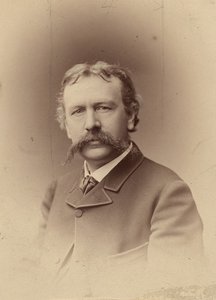
Elihu Vedder
1836 - 1923 , United States of America
Quick Facts
- Artistic Movement Or Style: Symbolism, Romanticism
- Artists Who Influenced This Artist:
- François-Édouard Picot
- Giovanni Costa
- William Blake
- William Butler Yeats
- Date Of Birth: February 26, 1836
- Date Of Death: January 29, 1923
- Full Name: Elihu Vedder
- Nationality: American
- Notable Artworks:
- The Roc’s Egg
- The Fisherman and the Genii
- Lair of the Sea Serpent
- Rubaiyat illustrations
- Place Of Birth: New York City, USA

