 Preview
 Send
Send Share
Share
 Details

 Download
 Similars
 X-Ray
X-Ray Diaporama
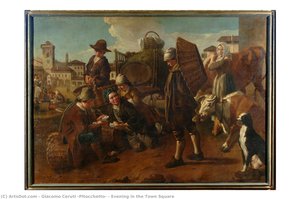
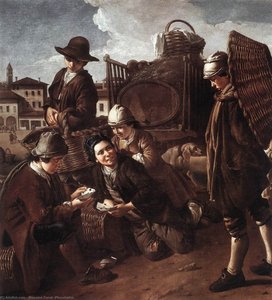
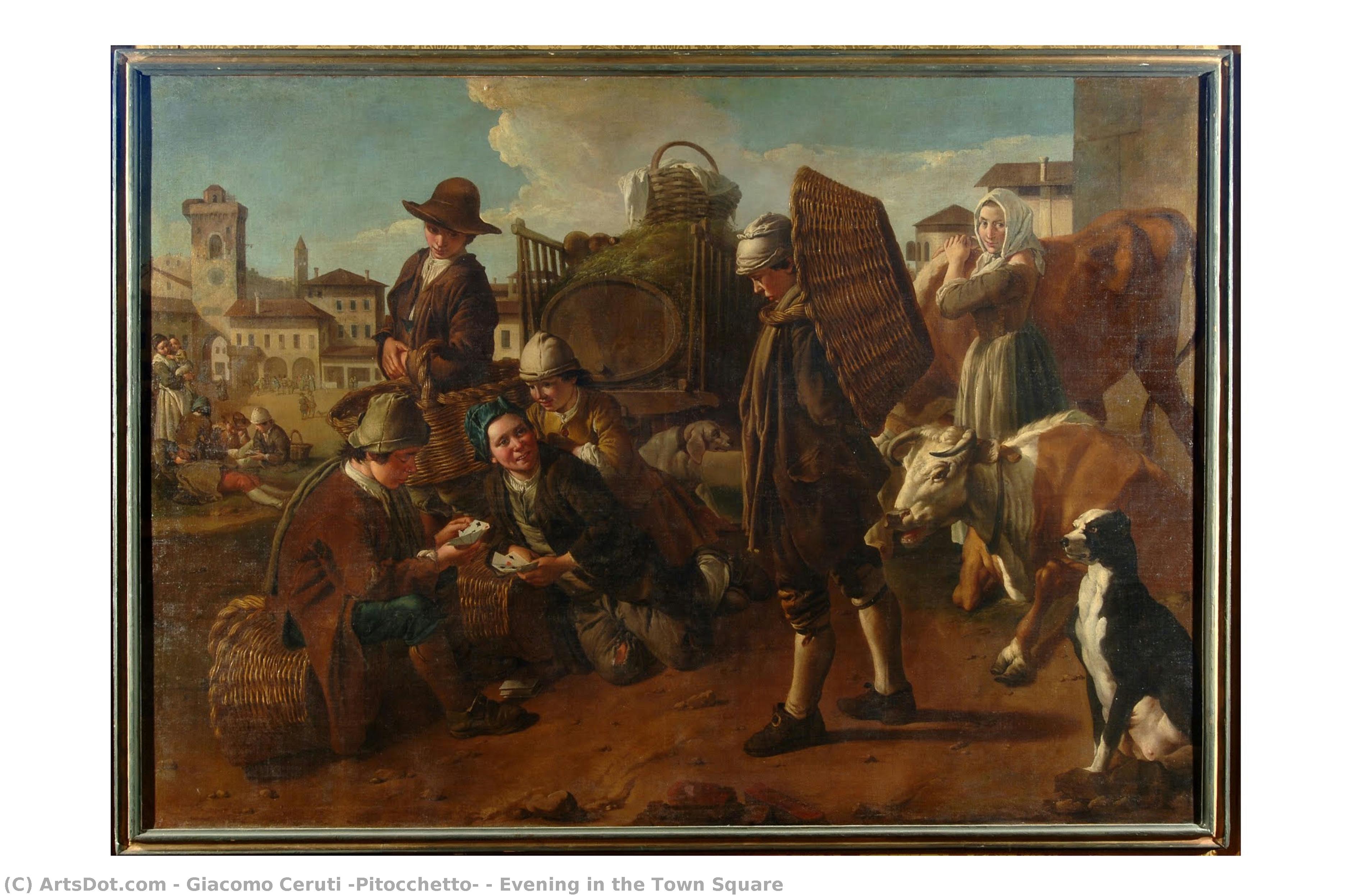
Evening in the Town Square
 Oil On Canvas
- WallArt
- Baroque
 Early Modern
 310.0 x 222.0 cm
 Palazzo Madama
 Read More
Hand Made Oil Reproduction
Hand-painted oil on canvas in your size and frame, made to order by our artists. ( Buy Print Buy Image)




P118B $10

P118H $10

P118W $10

P438Z $10

P508JH $12

P508YH $12

P805H $10

P805Z $10

P919BZ $10

P919G $10

P919XJ $10

P959ZH $10

P968JZ $12

W106C $8

W218G $10

W218JH $8

W218Y $10

W307PJ $10

W316G $10

W316PJ $8

W316Y $10

W398PJ $8

W4111J $10

W500HY $15

W500JH $15

W692G $12

W849H $8

W940BG $15

W953PJ $8




Pick from our preset sizes that match the artwork's original proportions.

You may enter your own dimensions to fit a specific frame or space. If your selected size does not match the original image's proportions, we will either crop the artwork or extend the painting with additional hand-painted elements. A digital mockup will be sent for your approval before production begins.
Please note that the on-screen preview does not reflect the actual cropping or extension. Only the mockup will accurately show the final composition.
While custom sizes are available, we recommend selecting a dimension from the predefined list to preserve the original proportions.
After order, ArtsDot.com team will email client for instructions and provide a mockup preview
Worldwide Delivery () in 3/4 weeks instead of standard 5 weeks. (21 August). No compromise on quality.

Free Worldwide Express Shipping

High-Quality Linen Canvas

Full Shipping Insurance

Customs Tax Refund Guarantee

True Color Matching Guarantee

60-Day Return Policy (Defects Only)

100% Money-Back Guarantee

Bulk Discount Offer
 Glass option is only available in size under 110 CM

Evening in the Town Square
Reproduction Medium
Reproduction Size
-


Total Price
$ 413
Artwork Description
A Symphony of Twilight: The Living Pulse of the Town Square
In the evocative masterpiece Evening in the Town Square, the viewer is transported into the heart of an era where the rhythm of life was dictated by the setting sun and the communal pulse of the marketplace. This breathtaking oil painting, attributed to the masterful hand of Giacomo Ceruti, also known as Pitocchetto, captures a fleeting moment of transition. As dusk descends, the town square becomes a stage for a complex human drama, where every figure—from the merchant exchanging coins to the quiet observer in the shadows—contributes to a larger narrative of social cohesion and daily survival. The composition is a masterful exercise in Baroque dynamism, pulling the eye through a crowded, energetic landscape that feels both intimately personal and grandly cinematic.
The artistry lies in the seamless blend of realism and atmosphere. Ceruti employs a sophisticated technique of layering oil paints to build a palpable sense of texture; one can almost feel the coarse weave of period clothing, the rugged stone of the distant architecture, and the organic softness of the livestock wandering through the square. The lighting is particularly arresting, utilizing a dramatic chiaroscuro that suggests the final, golden rays of a setting sun. This light casts long, melancholic shadows across the cobblestones, creating deep pockets of mystery while simultaneously illuminating the central transaction of commerce. Such high-contrast lighting does more than define form; it imbues the scene with a sense of temporal urgency, as if we are witnessing a precious, unrepeatable moment before the night takes hold.
Symbolism and the Spirit of Community
Beyond its surface beauty, the painting serves as a profound meditation on the social fabric of the eighteenth century. The central focus—men engaged in the exchange of currency—acts as a powerful symbol of commerce, charity, and the interconnectedness of the human experience. This small act of transaction represents the lifeblood of the town, suggesting that even in the quietude of evening, the wheels of economy and social welfare continue to turn. The inclusion of animals, such as the watchful dog and the steady cow, grounds the scene in the reality of agrarian-urban coexistence, reminding the viewer of the fundamental bond between humanity and the natural world.
For the discerning collector or interior designer, this artwork offers much more than mere decoration; it provides a window into a lost world of dignity and communal strength. The earthy color palette, rich with ochres, deep browns, and muted highlights, lends an air of timeless sophistication that complements both classical and contemporary interiors. Whether placed as a focal point in a grand library or as a soulful addition to a modern living space, Evening in the Town Square invites conversation and contemplation. It is a piece that does not merely occupy a wall but breathes life into a room, offering an enduring sense of warmth, history, and the eternal beauty found in the everyday.
Related Artworks
Artist Biography
Johann Carl Loth: A Venetian Master of Grandeur
Born in Munich, Bavaria, in 1632, Johann Carl Loth’s life was a testament to the allure and dynamism of Venice – a city that profoundly shaped his artistic vision. Though initially trained by his father, Johann Ulrich Loth, a painter in Munich, Loth’s true development occurred during his decades-long sojourn in the Serenissima. He wasn't merely a craftsman; he was an architect of visual narratives, specializing in history paintings brimming with meticulously rendered figures and dramatic compositions. His work reflects a sophisticated understanding of Baroque aesthetics, blending Italian grandeur with a distinctly German sensibility – a synthesis that established him as a significant figure within the Venetian art scene.
Loth’s early career was marked by a deliberate pursuit of artistic refinement in Italy. He spent considerable time studying under renowned artists like Pietro Liberi and Giovan Battista Langetti, absorbing their techniques and stylistic approaches. This immersion proved crucial, allowing him to quickly master the complex demands of Venetian painting – particularly its emphasis on color, light, and dynamic movement. His early works demonstrate a clear debt to the established masters of the time, yet he swiftly developed his own unique voice, characterized by an almost theatrical flair for depicting historical events and allegorical scenes.
A pivotal moment in Loth’s career was his appointment as court painter for Maximilian II Emanuel, Prince-Elector of Bavaria. This prestigious commission brought him into contact with the opulent world of European royalty and provided him with opportunities to execute large-scale history paintings that showcased his technical prowess and narrative skill. The acquisition by the Prince-Elector of Rubens’s “Adoration of the Magi” in 1698, a monumental work previously owned by Gijsbert van Ceulen, further cemented Loth's reputation as a master of historical painting. This event underscored the importance of Italian art within European courts and highlighted Loth’s ability to appreciate and replicate the grandeur of Renaissance masterpieces.
The World of Conversation Pieces
While Loth excelled in grand historical scenes, he also found success in a more intimate genre: conversation pieces. These meticulously staged group portraits, often depicting artists, craftsmen, and intellectuals engaged in leisurely pursuits, became increasingly popular during the 18th century. Loth’s contributions to this trend are particularly noteworthy, capturing the social dynamics of his time with remarkable detail and psychological insight. His “Club of Artists,” a vibrant depiction of a gathering at the King's Arms in New Bond Street, London, exemplifies this style – showcasing a diverse group of figures engaged in lively conversation and artistic exchange.
The creation of these conversation pieces wasn’t merely about capturing likenesses; it was an exercise in social commentary. Loth skillfully used composition, gesture, and facial expression to convey the personalities and relationships within each group. His ability to portray a sense of relaxed camaraderie and intellectual stimulation made his works highly sought after by wealthy patrons eager to display their connections to the artistic world.
A Network of Influence
Loth’s artistic circle in Venice was remarkably vibrant, fostering an environment of collaboration and exchange. He maintained close relationships with fellow artists such as Michael Wenzel Halbax, Santo Prunati, and Johann Michael Rottmayr – all of whom benefited from his guidance and expertise. His connection to prominent figures like Willem Drost and Jan Vermeer van Utrecht further solidified his position within the artistic community. The influence extended beyond Venice; Loth’s work was admired by artists across Europe, including the Dutch masters Cornelis de Bruijn and Jan van Bunnik, who traveled to Italy specifically to study his techniques.
His brother, Franz Loth, also pursued a career as a painter in Germany and Italy, often collaborating with Johann on various projects. This familial artistic partnership contributed significantly to the spread of Loth’s style and techniques throughout Europe. The strong ties within their circle fostered a dynamic exchange of ideas and influences, resulting in a rich tapestry of artistic innovation.
Legacy and Recognition
Johann Carl Loth died in Augsburg in 1698, leaving behind a substantial body of work that continues to be admired for its technical skill, dramatic composition, and insightful portrayal of human interaction. While his early career was largely focused on the Venetian art market, his influence extended far beyond Italy’s borders. His contributions to the development of conversation pieces helped shape the trajectory of 18th-century portraiture, and his meticulous attention to detail set a new standard for historical painting.
Today, Loth's paintings are housed in major museums and private collections around the world, serving as enduring reminders of his artistic genius. His legacy as a Venetian master—a bridge between German precision and Italian grandeur—remains firmly established within the annals of art history.
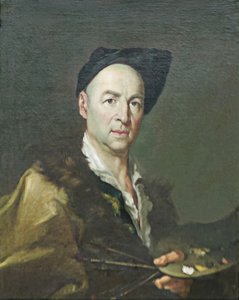
giacomo ceruti (pitocchetto)
1698 - 1767 , Italy
Quick Facts
- Artistic Movement Or Style: Baroque
- Artists Or Movements Influenced By This Artist:
- Karel Dujardin
- Karel Marat
- Artists Who Influenced This Artist: ['Johann Ulrich Loth']
- Date Of Birth: August 8, 1632
- Date Of Death: October 6, 1698
- Full Name: Johann Carl Loth
- Nationality: German
- Notable Artworks:
- Adoration of the Magi (Rubens)
- Self-portrait in a turban
- Place Of Birth: Munich, Bavaria
Related Articles

Baroque Drama: Bringing Opulence & Emotion into Contemporary Interiors
Explore the opulent world of Baroque interior design! Discover key elements, modern applications & how to bring dramatic elegance into your home with 's authentic reproductions.

Baroque Masterpieces: 10 Paintings That Defined an Era |
Journey through the drama & grandeur of Baroque art! Explore 10 masterpieces by Caravaggio, Rembrandt, Rubens & more. Discover stunning oil paintings, rich colors & timeless stories. Find museum-quality reproductions at .

The Dramatic Flourish: Exploring the Baroque Movement's Enduring Legacy in Art History
Explore the dramatic world of Baroque art! Discover iconic artists like Caravaggio & Rubens, defining techniques, and its lasting impact on art history. Expert insights for collectors & enthusiasts at ArtsDot.

Simon Vouet: A Baroque Master's Journey from Italian Influence to French Classicism
Explore the life & art of Simon Vouet, a pivotal French Baroque painter who introduced Italian styles to France. Discover his masterpieces and lasting influence on 17th-century art.

The Visceral Stage: Exploring Dramatic Narratives & Emotional Intensity in Baroque Art
Explore the dramatic world of Baroque art! Discover iconic masters like Caravaggio & Rembrandt, their techniques, and the movement's lasting impact. Expert insights for collectors & enthusiasts at ArtsDot.