 Preview
 Send
Send Share
Share
 Details

 Download
 Similars
 X-Ray
X-Ray Diaporama
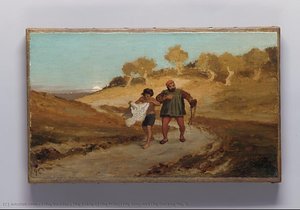
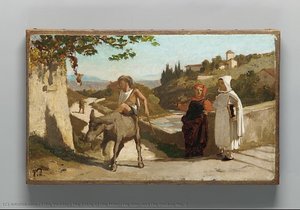
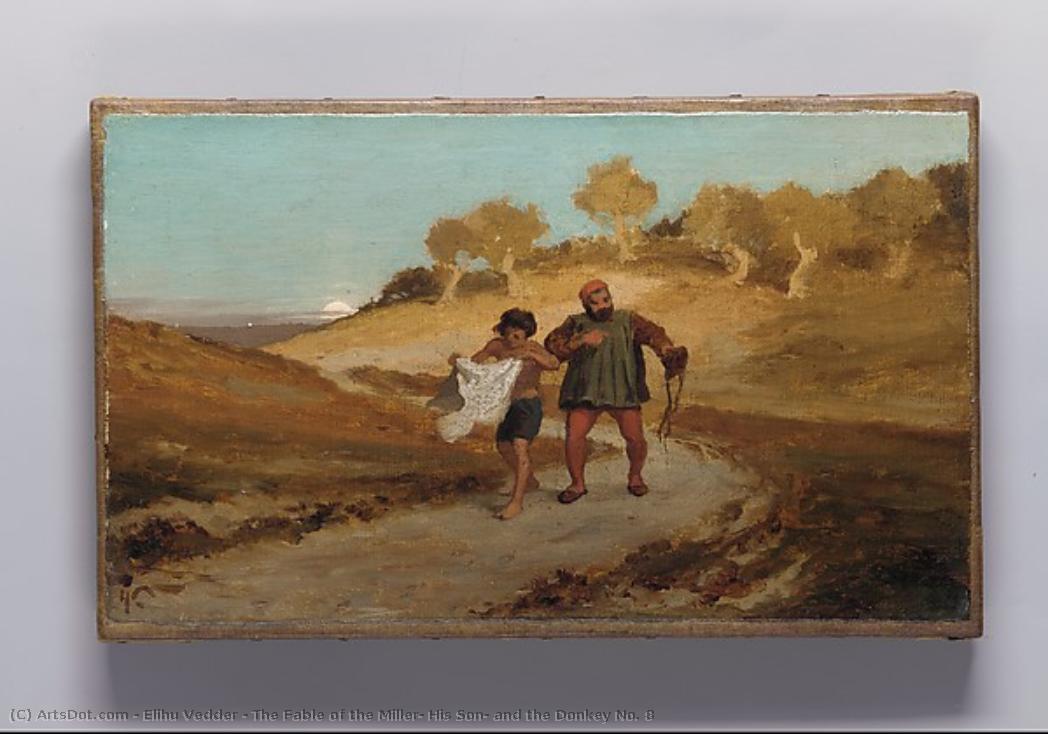
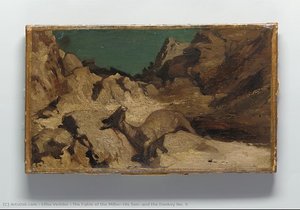
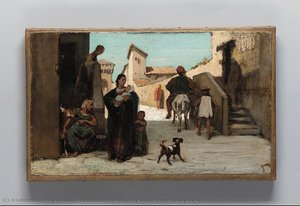
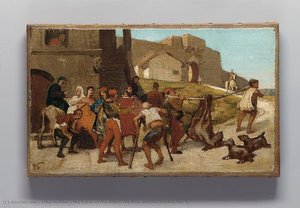
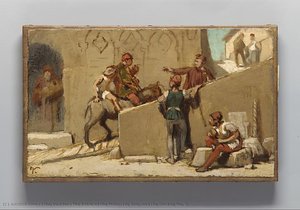
The Fable of the Miller, His Son, and the Donkey No. 8
 Acrylic On Canvas
- WallArt
- Symbolist Realism
 1867
1867 17.0 x 27.0 cm
 Metropolitan Museum of Art
 Read More
Hand Made Oil Reproduction
Hand-painted oil on canvas in your size and frame, made to order by our artists. ( Buy Print Buy Image)




P118B $10

P118H $10

P118W $10

P438Z $10

P508JH $12

P508YH $12

P805H $10

P805Z $10

P919BZ $10

P919G $10

P919XJ $10

P959ZH $10

P968JZ $12

W106C $8

W218G $10

W218JH $8

W218Y $10

W307PJ $10

W316G $10

W316PJ $8

W316Y $10

W398PJ $8

W4111J $10

W500HY $15

W500JH $15

W692G $12

W849H $8

W940BG $15

W953PJ $8




Pick from our preset sizes that match the artwork's original proportions.

You may enter your own dimensions to fit a specific frame or space. If your selected size does not match the original image's proportions, we will either crop the artwork or extend the painting with additional hand-painted elements. A digital mockup will be sent for your approval before production begins.
Please note that the on-screen preview does not reflect the actual cropping or extension. Only the mockup will accurately show the final composition.
While custom sizes are available, we recommend selecting a dimension from the predefined list to preserve the original proportions.
After order, ArtsDot.com team will email client for instructions and provide a mockup preview
Worldwide Delivery () in 3/4 weeks instead of standard 5 weeks. (6 September). No compromise on quality.

Free Worldwide Express Shipping

High-Quality Linen Canvas

Full Shipping Insurance

Customs Tax Refund Guarantee

True Color Matching Guarantee

100-Day Return Policy (Defects Only)

100% Money-Back Guarantee

Bulk Discount Offer
 Glass option is only available in size under 110 CM

The Fable of the Miller, His Son, and the Donkey No. 8
Reproduction Medium
Reproduction Size
-


Total Price
$ 263
A Rustic Tale Told in Color: Elihu Vedder’s “The Fable of the Miller, His Son, and the Donkey No. 8”
Elihu Vedder stands as a singular figure in American Symbolist painting—a visionary artist who infused his canvases with classical allusions and moral narratives, establishing him as a precursor to this influential movement. Yet, Vedder’s artistic journey began not solely with grand philosophical explorations but with formative experiences rooted in familial circumstances and diverse educational pursuits. Born February 26, 1836, in New York City, his parents were cousins—a connection that profoundly shaped his early life as he traversed Cuba alongside his father and resided between Schenectady and boarding school under his maternal grandfather’s care. Despite initial reservations from his father regarding artistic ambitions, Vedder's mother championed his creative inclinations, fostering a passion that would propel him toward significant artistic development. His formal training commenced in New York City with Tompkins H. Matteson, laying the groundwork for his burgeoning talent. However, Vedder’s true artistic maturation occurred during extended studies in Paris under François-Édouard Picot—a pivotal period where he absorbed the stylistic influences of Impressionism and honed his observational skills. Recognizing the importance of grounding his art in broader cultural traditions, he subsequently traveled to Italy, immersing himself in the grandeur of the Renaissance and engaging with the innovative spirit of the Macchiaioli painters. This Italian sojourn proved particularly transformative, forging a deep emotional bond with fellow artist Giovanni Costa and fueling expeditions before financial constraints ultimately necessitated his return to America.The Narrative Heart of Aesop’s Tale
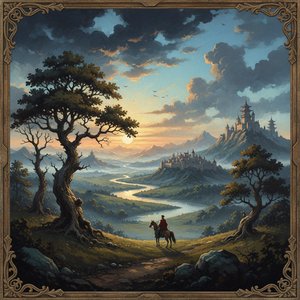
Vedder's artistic vision is powerfully articulated in “The Fable of the Miller, His Son, and the Donkey No. 8,” which draws directly from Aesop’s timeless fable—a story centered on a miller and his son attempting to appease discerning critics with lavish gifts, ultimately culminating in the tragic demise of their beloved donkey. Vedder skillfully translates this narrative into visual form, establishing the scene in picturesque Italy—a deliberate choice that underscores the painting's thematic concerns regarding humility, prudence, and the perils of ostentation. The composition depicts a man walking alongside his son on a dirt road, guiding the donkey with gentle reins; flanking them are two additional figures – one positioned further back, adding depth to the landscape, and another closer to the right side of the canvas—creating an intimate tableau that captures a moment of familial connection amidst the grandeur of nature.Technique and Color Palette: Earthy Resonance
Executed in 1867, “The Fable” exemplifies Vedder’s distinctive artistic style—characterized by meticulous observation and a masterful manipulation of color to convey emotion. Employing a technique reminiscent of Macchiaioli painters, Vedder utilizes broad brushstrokes and muted hues to achieve an atmospheric effect that prioritizes tonal harmony over precise detail. The dominant palette consists of earthy tones – browns, ochres, and greens—reflecting the rugged beauty of the hillside landscape and mirroring the moral seriousness inherent in the fable itself. These colors aren’t merely decorative; they serve as conduits for Vedder's expressive intent, conveying a sense of quiet contemplation and understated pathos.Symbolism Beyond Representation
Beyond its depiction of a familiar narrative, “The Fable” resonates with deeper symbolic significance. The donkey—a symbol of simplicity and vulnerability—represents the sacrifices demanded by prudence and humility in confronting societal pressures. Vedder’s deliberate framing emphasizes this duality, prompting viewers to consider the importance of resisting superficial displays of wealth and status in favor of genuine virtue. Like Vedder's other paintings from this series, “The Fable” speaks to a broader humanist concern—a belief that art should illuminate moral truths and inspire contemplation on the human condition.- Artist: Elihu Vedder
- Year: 1867
- Size: 17 x 27 cm
Related Artworks
Artist Biography
Early Life and Artistic Training
- Born: February 26, 1836, New York City, United States
- Died: January 29, 1923, Rome, Italy
Elijah Vedder was born into a family with unique circumstances – his parents were cousins. His early life was shaped by diverse experiences including time spent in Cuba due to his father's relocation and periods between his maternal grandfather’s home in Schenectady and boarding school. Despite initial reservations from his father, Vedder's artistic ambitions were supported by his mother.
- Early Training: Vedder began formal training in New York City under Tompkins H. Matteson.
- European Studies: He furthered his studies in Paris with François-Édouard Picot and later in Italy, where he was profoundly influenced by the Italian Renaissance and the Macchiaioli painters.
- Italian Influence: His time in Italy fostered a deep emotional connection with fellow painter Giovanni Costa, leading to travels before financial constraints forced his return to America.
Career Highlights and Notable Works
Vedder’s career spanned various artistic disciplines, from painting and illustration to mural design and poetry. He cultivated friendships with prominent figures like Walt Whitman and Herman Melville.
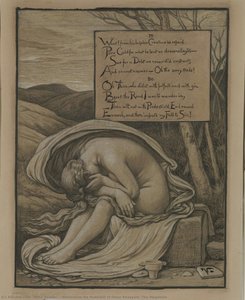
- Illustrations for the Rubaiyat: Vedder is best known for his fifty-five illustrations accompanying Edward FitzGerald's translation of The Rubáiyát of Omar Khayyam (deluxe edition). These illustrations are considered masterpieces of Symbolist art.
- Visionary Paintings: Notable paintings include "The Roc’s Egg," “The Fisherman and the Genii,” and “Lair of the Sea Serpent,” showcasing his visionary style and imaginative themes.
- Mural Work: He decorated the hallway of the Reading Room in the Washington Library of Congress with mural paintings.
- Tiffany Collaboration: Vedder collaborated with Louis Comfort Tiffany, designing glassware, mosaics, and statuettes for the Tiffany company.
Artistic Style and Influences
Vedder’s artistic style is characterized by its visionary nature, romantic imagery, and frequent incorporation of Oriental influences.
- Symbolism: Vedder was a key figure in the Symbolist movement, emphasizing emotion and individualism over strict realism.
- Pre-Raphaelites: His time in England exposed him to the Pre-Raphaelite Brotherhood, influencing his artistic style towards greater clarity and detail.
- English and Irish Mystics: He was influenced by the works of William Blake and William Butler Yeats, reflecting a fascination with mysticism and spirituality.
- Italian Renaissance & Macchiaioli: His studies in Italy shaped his understanding of form, color, and composition.
Legacy and Later Life
Vedder’s contributions to American art extended beyond painting. He helped establish the In Arte Libertas group in Italy and left behind a body of written work including autobiographical reflections and poetry.
- Membership: Vedder was a member of the American Academy of Arts and Letters.
- Literary Pursuits: He published The Digressions of V (1910), Miscellaneous Moods in Verse (1914), and Doubt and Other Things (1922).
- Later Years: Vedder spent his later years primarily in Italy, continuing to create art and write until his death in Rome in 1923. His legacy endures through his evocative paintings and illustrations that continue to captivate audiences today.
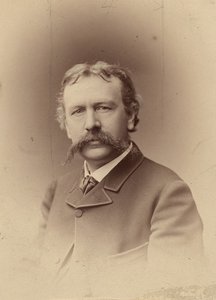
Elihu Vedder
1836 - 1923 , United States of America
Quick Facts
- Artistic Movement Or Style: Symbolism, Romanticism
- Artists Who Influenced This Artist:
- François-Édouard Picot
- Giovanni Costa
- William Blake
- William Butler Yeats
- Date Of Birth: February 26, 1836
- Date Of Death: January 29, 1923
- Full Name: Elihu Vedder
- Nationality: American
- Notable Artworks:
- The Roc’s Egg
- The Fisherman and the Genii
- Lair of the Sea Serpent
- Rubaiyat illustrations
- Place Of Birth: New York City, USA
Related Articles

Romantic Landscapes: 10 Masterpieces for Your Home | ArtsDot
Journey through 10 Romantic landscape masterpieces by Friedrich, Turner & Cole. Explore emotional art, sublime nature scenes & iconic 19th-century paintings. Find museum-quality reproductions for your home at ArtsDot.com – discover the full collection online!

Evocations of Place: A Historical Journey Through Landscape Art
Explore the rich history of landscape art with ArtsDot. Discover renowned artists, movements like Impressionism & Romanticism, and expert guidance for collecting timeless pieces. Find your perfect serene escape today!

John Constable's Masterpieces: Explore 25 Iconic Landscapes for Your Home
Journey through John Constable's 25 most celebrated landscapes. Explore Romanticism, Dedham Vale & his masterful use of light in iconic paintings like 'Hay Wain'. Find museum-quality art reproductions and elevate your home decor on ArtsDot.com.
Evocations of Place: A Historical Journey Through Landscape Art
Explore the rich history of landscape art with ArtsDot. Discover renowned artists, movements like Impressionism & tonalism, and expert guidance for collecting timeless pieces. Find your perfect serene escape today!
Evoking Atmosphere & Identity: A Journey Through Landscape Painting's History
Explore the rich history of landscape painting! Discover renowned artists, movements like Romanticism, & techniques such as atmospheric perspective. Find inspiration and quality reproductions at ArtsDot.