The Dawn of Landscape: From Symbolic Backdrops to Observational Studies
Landscape painting, also known as landscape art, is the depiction in painting of natural scenery such as mountains, valleys, rivers, trees, and forests, especially where the main subject is a wide view—with its elements arranged into a coherent compo...
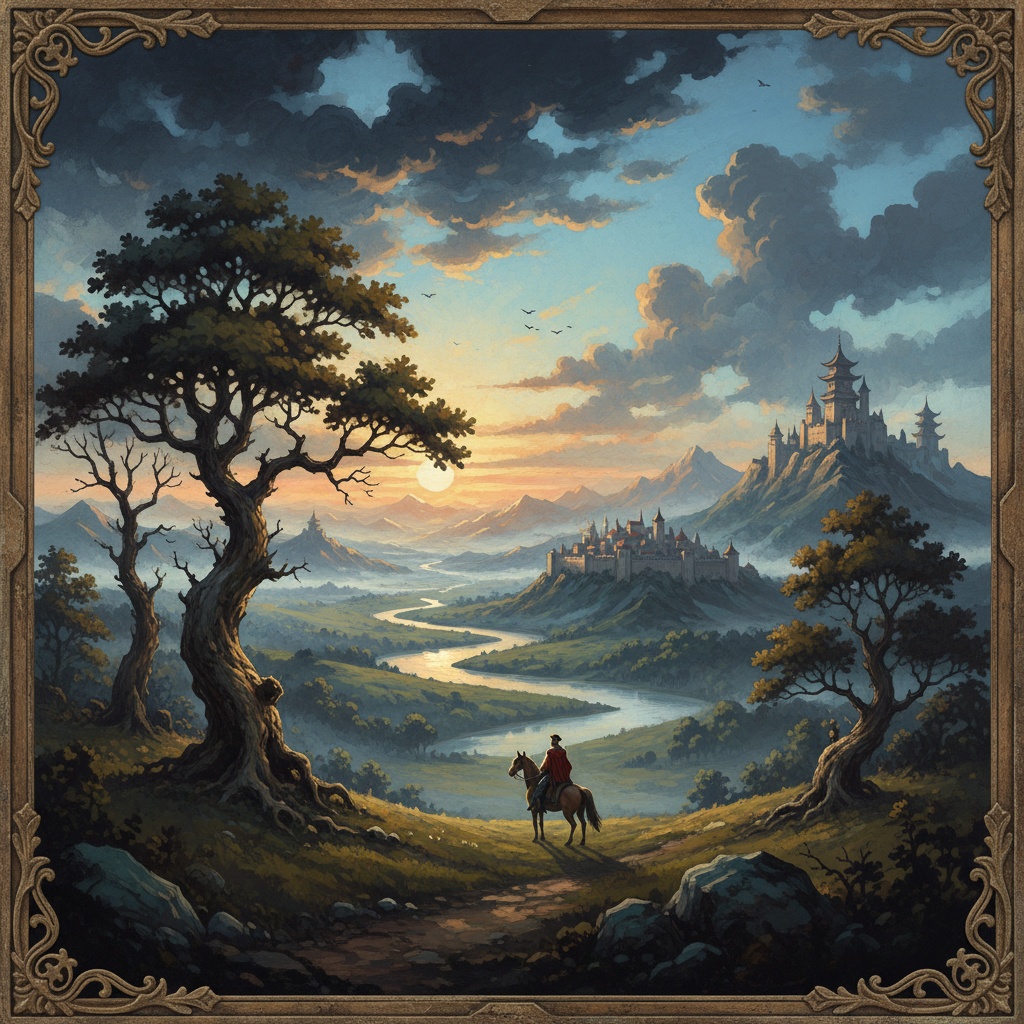
For millennia, the natural world existed within art as a supporting player – a symbolic backdrop for mythological narratives, religious scenes, or portraits of power. Early depictions weren’t concerned with accurately representing a specific vista; rather, they utilized elements like trees and mountains to convey meaning. Think of the stylized forests in ancient Egyptian tomb paintings, signifying rebirth and the afterlife, or the idealized gardens of Roman frescoes, emblems of prosperity and leisure. These were not landscapes *per se*, but environments constructed to serve a larger purpose. The true emergence of landscape as an independent genre required a shift in perspective – a growing appreciation for the inherent beauty and emotional power of nature itself. This nascent interest began to blossom during the Renaissance, particularly within Italian painting. Artists like Leonardo da Vinci, while primarily celebrated for their portraits and religious works, demonstrated a keen observational eye when rendering backgrounds, hinting at the possibilities of capturing atmospheric depth and geological detail. However, it wasn’t until the 17th century that landscape truly began to claim its own artistic territory, fueled by Dutch masters who specialized in depicting their local countryside with unprecedented realism.
Romanticism's Embrace of the Sublime in Nature
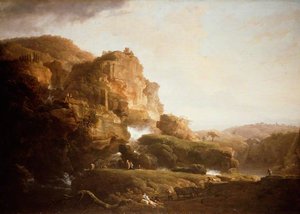 Italian Landscape
Explore Claude-Joseph Vernet’s "Italian Landscape" (1738). A dramatic classical oil painting of a majestic mountain scene, showcasing sublime beauty & atmospheric depth. Discover Romanticism's grandeur.
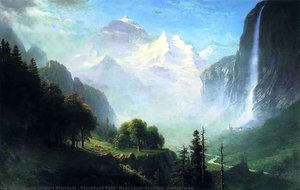
The 18th and 19th centuries witnessed a dramatic transformation in how artists approached landscape painting, largely driven by the Romantic movement. Rejecting the Enlightenment’s emphasis on reason and order, Romantics sought emotional intensity and spiritual connection within the untamed power of nature. This fascination manifested as an obsession with the sublime – that awe-inspiring combination of beauty and terror evoked by vast, overwhelming scenes. Artists like Claude-Joseph Vernet, exemplified in his “Italian Landscape” (1738), captured this grandeur through dramatic compositions featuring majestic mountains, turbulent skies, and a sense of humanity’s smallness in the face of nature's forces. The Alps became a particularly potent symbol, representing both physical challenge and spiritual elevation. This period wasn’t simply about replicating what was seen; it was about conveying an *experience* – the feeling of being overwhelmed by the immensity and mystery of the natural world. Jean-Louis Prevost masterfully illustrated this with his evocative scenes of the Alps and Jura mountains, focusing on dramatic light and atmospheric effects.
Atmospheric Perspective & Realism: Capturing Depth and Light
Aerial perspective, or atmospheric perspective, is the effect the atmosphere has on the appearance of an object as viewed from a distance. As the distance between an object and a viewer increases, the contrast between the object and its background de...
Central to achieving this sense of realism and emotional depth was a growing understanding of optical phenomena. Aerial perspective, or atmospheric perspective, became a crucial technique for artists seeking to convincingly portray distance. As objects recede into the background, their colors become less saturated, details soften, and they take on a bluish hue – mimicking how light interacts with particles in the atmosphere. Leonardo da Vinci’s pioneering work laid the groundwork, but it was later masters who truly refined this approach. The technique wasn't merely about scientific accuracy; it was about creating an illusion of space and depth that drew the viewer into the painting. Artists also paid increasing attention to light and shadow, studying how sunlight filtered through trees, reflected off water surfaces, and created a sense of mood and atmosphere. This pursuit of realism extended beyond simply replicating visual appearances; it involved understanding the underlying principles of optics and perception.
National Identity & the Rise of Regional Landscape Traditions
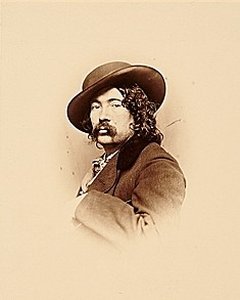 James McDougal Hart
James McDougal Hart (1828-1901) was a Scottish-born Hudson River School painter known for idyllic landscape scenes & detailed cattle paintings. Explore his works, influenced by Düsseldorf realism, and discover why he's celebrated as an important Amer
The 19th century also saw the emergence of distinct regional landscape traditions, often intertwined with burgeoning national identities. In Britain, artists like Joseph Horlor captured the serene beauty of the Welsh countryside in paintings featuring atmospheric perspective and evocative detail – a reflection of growing pride in local scenery. Across the Atlantic, the Hudson River School emerged as a uniquely American artistic movement. Artists such as James McDougal Hart celebrated the vastness and unspoiled wilderness of the United States, depicting idyllic scenes that resonated with a sense of national optimism and Manifest Destiny. Similarly, James John Hill’s charming Victorian genre paintings often featured evocative Irish landscapes, contributing to a growing appreciation for Ireland's natural beauty. These artists weren’t simply painting pretty pictures; they were constructing visual narratives about their nations – celebrating their unique geographies and fostering a sense of collective identity.
Beyond Representation: The Emotional Resonance of Landscape Art
As landscape painting matured, it moved beyond mere representation to explore deeper emotional and psychological themes. Artists began to use landscapes as metaphors for the human condition – reflecting feelings of solitude, melancholy, or spiritual longing. Thomas Jones’s “An Excavation” exemplifies this shift; while depicting a serene scene of hills and rivers, the painting evokes a sense of quiet contemplation and the passage of time. The landscape becomes a mirror for inner states, inviting viewers to project their own emotions onto the scene. This emphasis on emotional resonance continued into the 20th century and beyond, with artists experimenting with abstraction and symbolism to convey increasingly complex ideas. The power of landscape art lies not just in its ability to depict beauty, but in its capacity to evoke profound feelings and connect us to something larger than ourselves.
Landscape Painting Today: Continuing Legacies and Contemporary Visions
Today, landscape painting continues to thrive, building upon the legacies of past masters while embracing new techniques and perspectives. Artists are exploring themes of environmentalism, climate change, and the relationship between humanity and nature with increasing urgency. While traditional oil painting remains popular, contemporary artists are also experimenting with mixed media, digital art, and installation work. The fundamental principles – capturing light, creating depth, and evoking emotion – remain central, but the ways in which these principles are applied have evolved dramatically. At ArtsDot, we celebrate this rich history and offer a diverse collection of landscape paintings, from classic masterpieces to contemporary interpretations. Whether you’re seeking a serene vista to bring tranquility into your home or a powerful statement piece that reflects your values, our curated selection provides inspiration for every taste. Explore the power of landscape art – and discover the perfect piece to connect with nature's enduring beauty.