 Preview
 Send
Send Share
Share
 Details

 Download
 Similars
 X-Ray
X-Ray Diaporama
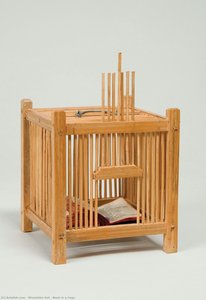
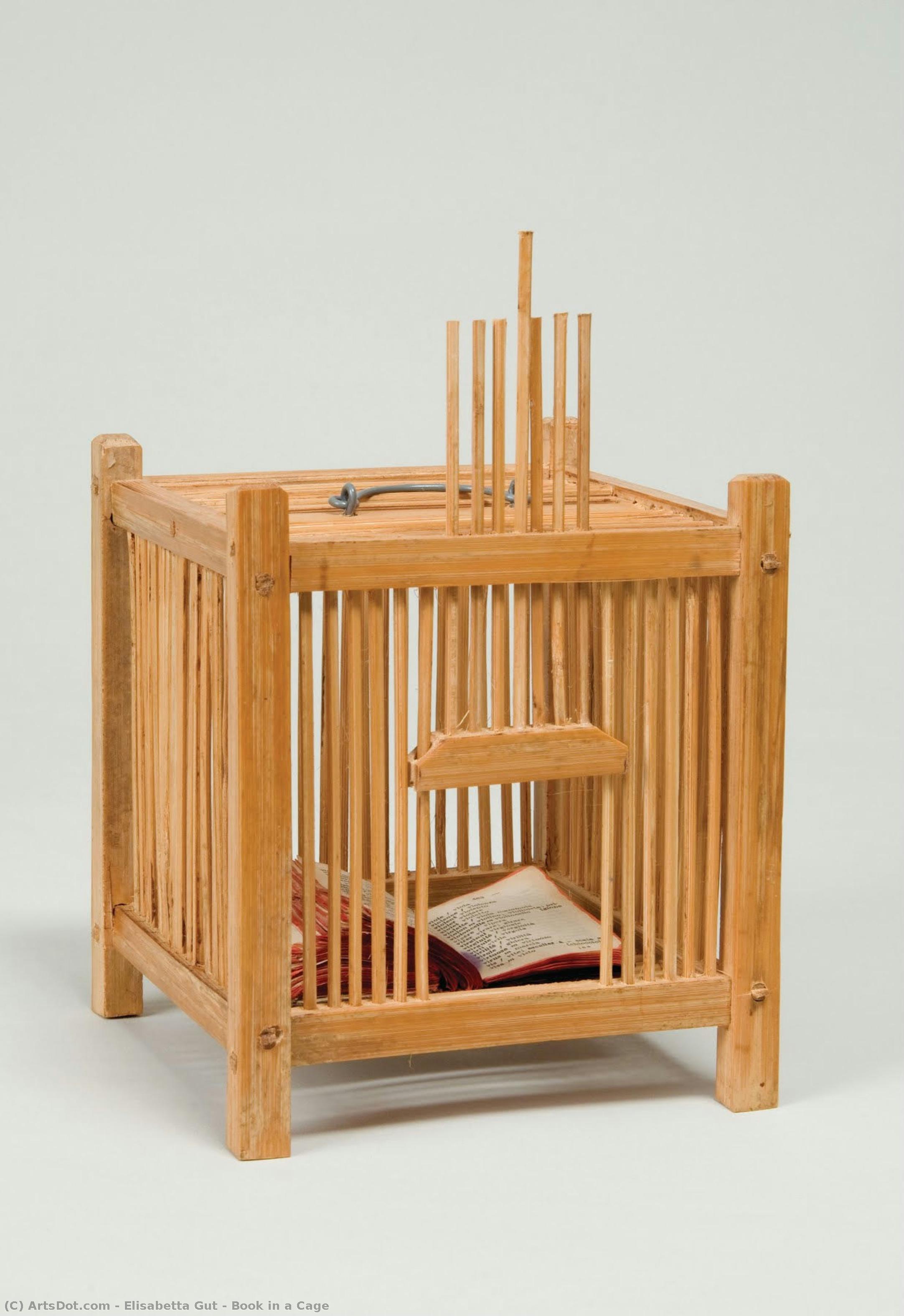
Book in a Cage


 Read More
Hand Made Oil Reproduction
Hand-painted oil on canvas in your size and frame, made to order by our artists. ( Buy Print Buy Image)




































Pick from our preset sizes that match the artwork's original proportions.

You may enter your own dimensions to fit a specific frame or space. If your selected size does not match the original image's proportions, we will either crop the artwork or extend the painting with additional hand-painted elements. A digital mockup will be sent for your approval before production begins.
Please note that the on-screen preview does not reflect the actual cropping or extension. Only the mockup will accurately show the final composition.
While custom sizes are available, we recommend selecting a dimension from the predefined list to preserve the original proportions.
After order, ArtsDot.com team will email client for instructions and provide a mockup preview
Worldwide Delivery () in 3/4 weeks instead of standard 5 weeks. (31 August). No compromise on quality.

Free Worldwide Express Shipping

High-Quality Linen Canvas

Full Shipping Insurance

Customs Tax Refund Guarantee

True Color Matching Guarantee

60-Day Return Policy (Defects Only)

100% Money-Back Guarantee

Bulk Discount Offer
 Glass option is only available in size under 110 CM

Book in a Cage
Reproduction Medium
Reproduction Size
-


Total Price
$ 263
Related Artworks









Artist Biography
A Life Woven in Fragility: The Sculptural Poetry of Elisabetta Gut
Elisabetta Gut, born in Rome in 1934 and later a long-time resident of Milan, is an artist whose work speaks to the delicate balance between confinement and liberation, memory and loss. Her childhood was marked by displacement; sent to Switzerland during World War II for safety, she returned to Italy carrying the weight of separation and a nascent sensitivity that would profoundly shape her artistic vision. This early experience instilled in Gut a deep awareness of fragility—a theme that resonates throughout her sculptures and installations. Initially drawn to painting with post-Cubist leanings, Gut soon found herself compelled by the possibilities of three-dimensional form and the evocative power of mixed media.From Canvas to Assemblage: A Journey into Materiality
Gut’s artistic evolution was a deliberate departure from traditional boundaries. She began experimenting with book-objects in 1964, creating assemblages that were less about narrative and more about tactile experience and emotional resonance. These early works—often incorporating found objects, textual fragments, and natural elements like leaves and seeds—were the first explorations of what would become her signature style. The artist wasn’t simply *creating* with these materials; she was engaging in a dialogue with them, allowing their inherent qualities to dictate the form and meaning of her pieces. This period marked a pivotal shift towards conceptual art, where the idea behind the work became as important as its physical manifestation. Her early exploration of verbo-visual neo-avantgarde also played an important role in her development.The Language of Wire, Fabric, and Time
Gut’s mature work is characterized by a masterful use of unconventional materials—wire, fabric, paper, lace, and embroidery are all woven together to create sculptures and installations that seem both ethereal and grounded. Wire, in particular, becomes a potent symbol in her hands: sometimes representing lines of connection, other times evoking the fragility of human existence or acting as a framework for containment. Fabric, often delicate and translucent, speaks to memory, history, and the passage of time. Her installations frequently explore themes of confinement—evoking spaces of both physical and emotional restriction—while simultaneously suggesting possibilities of escape and transformation. The artist’s work is not merely about these materials themselves but about the stories they hold, the emotions they evoke, and the questions they raise.Influences and Artistic Communities
Gut's path wasn't solitary; she actively engaged with the vibrant artistic communities of her time. A formative encounter with Felice Casorati led to her first solo exhibition in Milan in 1956, providing crucial early support. Later, her involvement with the feminist group Rivolta Femminile—alongside artists like Carla Accardi and Simona Weller—deepened her exploration of social and political themes within her work. The critical attention of Mirella Bentivoglio was also instrumental; Bentivoglio championed Gut’s art through numerous writings and exhibitions, recognizing the unique power of her visual language. These connections fostered a space for experimentation and intellectual exchange that profoundly shaped Gut's artistic trajectory.A Legacy of Fragile Strength
Elisabetta Gut’s work has been exhibited in major international venues, including the Venice Biennale and the São Paulo Biennale, and is held in prominent collections such as the National Museum of Women in the Arts in Washington, D.C., MUSINF in Senigallia, MART in Trento and Rovereto, Centro Pecci in Prato, MA*GA in Gallarate, MRAG in Milan. Her passing in May 2024 marks a loss for the contemporary art world, but her legacy endures through the haunting beauty of her sculptures and installations. Gut’s work reminds us that even in moments of fragility, there is strength to be found—a testament to the enduring power of art to transform personal experience into universal emotion. Her ability to imbue everyday materials with profound meaning continues to inspire artists and viewers alike, solidifying her place as a significant figure in Italian contemporary art.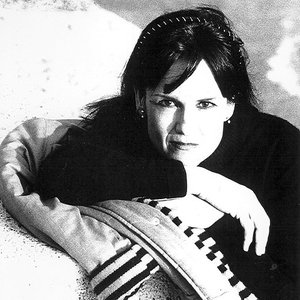
elisabetta gut
1953 - , Italy
Quick Facts
- Artistic Movement Or Style: Contemporary art
- Date Of Birth: 1953
- Full Name: Elisabetta Gut
- Nationality: Italian
- Place Of Birth: Milan, Italy