 Preview
 Send
Send Share
Share
 Details

 Download
 Similars
 X-Ray
X-Ray Diaporama
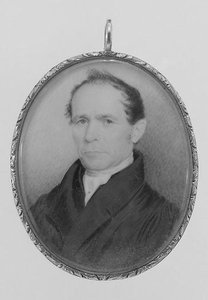
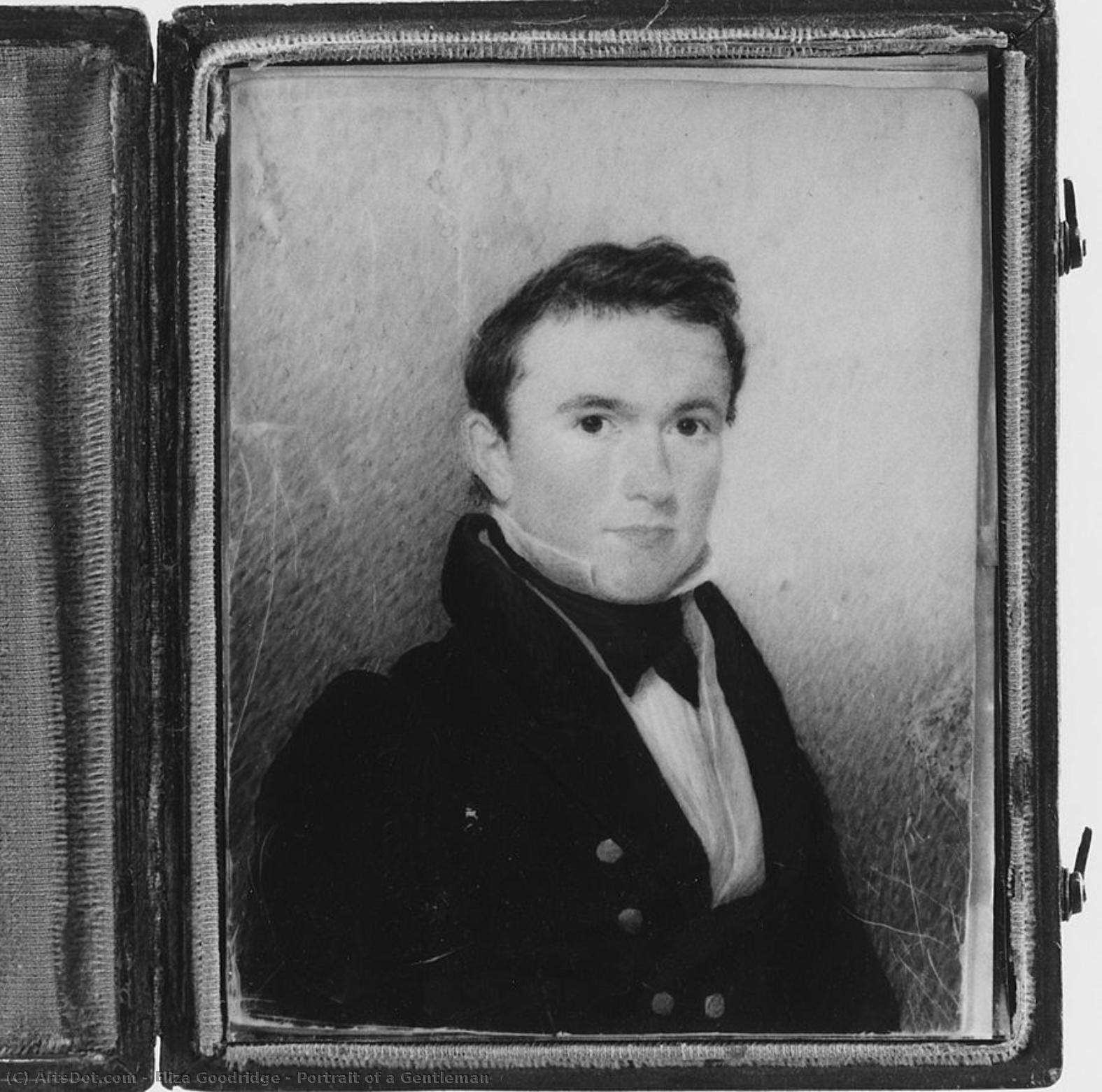
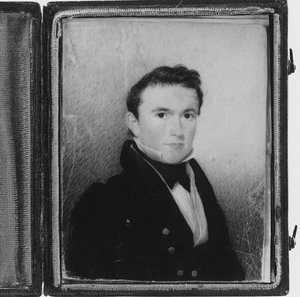
Portrait of a Gentleman
 Acrylic On Canvas
- WallArt
- Romanticism
 1829
1829 8.0 x 6.0 cm
 Metropolitan Museum of Art
 Read More
Giclée / Art Print
Museum-quality giclée or canvas print with fast production and flexible finish options. ( Buy Hand Made Painting Buy Image)




P118B $10

P118H $10

P118W $10

P438Z $10

P508JH $12

P508YH $12

P805H $10

P805Z $10

P919BZ $10

P919G $10

P919XJ $10

P959ZH $10

P968JZ $12

W106C $8

W218G $10

W218JH $8

W218Y $10

W307PJ $10

W316G $10

W316PJ $8

W316Y $10

W398PJ $8

W4111J $10

W500HY $15

W500JH $15

W692G $12

W849H $8

W940BG $15

W953PJ $8




Pick from our preset sizes that match the artwork's original proportions.

You may enter your own dimensions to fit a specific frame or space. If your selected size does not match the original image's proportions, we will either crop the artwork or extend the image with a mirrored or solid-fill edge. A digital mockup will be sent for your approval before production begins.
Please note that the on-screen preview does not reflect the actual cropping or extension. Only the mockup will accurately show the final composition.
While custom sizes are available, we recommend selecting a dimension from the predefined list to preserve the original proportions.
Worldwide Delivery () in 2 weeks instead of standard 4/5 weeks. (27 August)

Free Worldwide Express Shipping

High-Quality Linen Canvas

Full Shipping Insurance

Customs Tax Refund Guarantee

True Color Matching Guarantee

60-Day Return Policy (Defects Only)

100% Money-Back Guarantee

Bulk Discount Offer
 Glass option is only available in size under 110 CM

Portrait of a Gentleman
Giclée / Art Print
Reproduction Size
-


Total Price
$ 63
Collectible Description
A Quiet Dignity Captured in Monochrome
Eliza Goodridge’s “Portrait of a Gentleman,” executed around 1829, stands as a testament to the understated elegance characteristic of Victorian portraiture. This daguerreotype—a photographic process pioneered in France—offers an intimate glimpse into a moment frozen in time, revealing not grand spectacle but rather the subtle complexities of human expression. The photograph itself resides within a darkened leather case, hinting at its origins as a treasured keepsake and reflecting the meticulous craftsmanship demanded by early photographic printing techniques. ### Artistic Style and Technique: The Daguerreotype Process The daguerreotype distinguishes itself from earlier portrait methods through its remarkable detail and mirror-like surface quality. Unlike mezzotint prints or watercolors which rely on shading and blending to convey form, the daguerreotype utilizes a chemical reaction—exposure to iodine vapor—to etch an image onto a silvered copper plate. This process resulted in images possessing astonishing sharpness, capturing textures like skin pores and fabric folds with unprecedented accuracy. The artist’s hand is evident in the careful delineation of lines defining facial features – the contours of the eyes, nose, and mouth – mirroring the meticulous observation demanded by this innovative medium. The grayscale palette—a deliberate choice—amplifies the mood of solemn contemplation, prioritizing tonal variation to sculpt form and create a sense of depth that transcends the limitations of its format. ### Historical Context: Victorian Portraiture and Domestic Artistry “Portrait of a Gentleman” emerges from a period defined by social formality and aristocratic patronage. Eliza Goodridge’s work reflects the prevailing aesthetic sensibilities of her time, prioritizing dignity and restraint alongside an acute awareness of visual representation. Unlike larger commissions intended for public display, this portrait was likely created within the confines of Goodridge's home studio—a space where women artists like herself cultivated their skills independently. The photograph’s subject matter – a gentleman dressed in attire emblematic of Victorian society – underscores the importance of social status and decorum during the era. Furthermore, it exemplifies the burgeoning field of domestic artistry, where skilled artisans catered to the needs of affluent families seeking personalized artworks that conveyed both beauty and familial connection. ### Symbolism and Emotional Resonance: Beyond Appearance While seemingly simple in its composition—a frontal depiction against a dark background—the portrait transcends mere likeness. The gaze of the subject directs outward, conveying confidence and composure, yet simultaneously hinting at introspection. The subtle shading contributes to an illusion of three-dimensionality, inviting viewers to contemplate not just what is seen but also what lies beneath the surface. Goodridge’s masterful use of tonal gradation communicates a profound sense of quiet dignity—a hallmark of Victorian portraiture—suggesting that beauty resides in restraint and careful observation. The photograph's enduring appeal speaks to our fascination with capturing fleeting moments of human experience, reminding us that art can illuminate the inner life as much as it portrays outward appearance.Related Artworks

Artist Biography
Eliza Goodridge: A Victorian Portraitist of Subtle Grace
Eliza Goodridge, a largely unsung figure of 19th-century British art, possessed a remarkable talent for capturing the quiet dignity and nuanced emotions of her subjects. Born in Templeton, Massachusetts, in 1798, she navigated a world where opportunities for women, particularly those of modest means, were severely limited. Despite these constraints, Goodridge’s dedication to her craft blossomed into a distinguished career as a miniaturist portrait painter, primarily working within the confines of her family home and later establishing a small studio in York, Pennsylvania.
Her early life was marked by self-education, largely through observation and imitation. Like many women of her era, formal artistic training remained elusive. However, Goodridge’s innate talent for drawing quickly became apparent, evident in the detailed sketches she produced of family members and local figures. These preliminary works demonstrate a keen eye for likeness and an emerging ability to render texture and light – skills that would later define her miniature portraits. Her sister, Sarah Goodridge, also a miniaturist, served as a significant influence, though Eliza developed a distinct style characterized by a remarkable sensitivity to detail and a subtle use of color.
The Miniature as Medium
The 19th-century miniature portrait held a unique position in British society. More than mere likenesses, they were considered treasured keepsakes, often commissioned as gifts for loved ones or as memorials to the deceased. The intimate scale demanded an extraordinary level of precision and artistry – each detail, from the delicate folds of fabric to the subtle expression in the eyes, had to be rendered with meticulous care. Goodridge’s success lay precisely in her ability to achieve this level of realism within such a small format.
Unlike many portrait painters who relied on grand gestures and dramatic poses, Goodridge favored a more restrained approach. Her subjects were typically depicted in quiet, contemplative settings – often seated indoors, engaged in simple activities like reading or embroidery. This understated style allowed her to focus on capturing the inner life of her sitters, revealing their personalities through subtle shifts in expression and gesture. Her portraits weren’t about flamboyant display; they were about intimate understanding.
A Pennsylvania Studio and Expanding Clientele
In 1849, at the age of fifty-one, Eliza Goodridge married Colonel Ephraim Stone, a successful businessman who owned a general store and sawmill in Templeton. This union provided her with greater financial stability and access to a wider clientele. While she continued to work primarily from her home studio, she also accepted commissions from individuals throughout York County and beyond. Her reputation for capturing the likenesses of prominent citizens – including merchants, farmers, and members of the local elite – steadily grew.
Notable works from this period include portraits of Alice Goudry, a young woman from Wilmington, Massachusetts, and Stephen Salisbury III, a wealthy landowner. These paintings showcase Goodridge’s growing technical skill and her increasing confidence in portraying complex emotions. The American Antiquarian Society holds the largest collection of her known work, primarily consisting of miniature portraits of individuals associated with the region.
Themes of Domesticity and Victorian Values
Goodridge's oeuvre is deeply rooted in the values and conventions of 19th-century Victorian society. Her subjects are overwhelmingly women – wives, mothers, daughters – reflecting the prominent role they played within the domestic sphere. Her portraits often depict scenes of everyday life – reading, sewing, receiving visitors – subtly reinforcing the ideals of piety, modesty, and domesticity that were central to Victorian culture.
However, Goodridge’s work is not simply a celebration of these values. Through her careful observation and sensitive rendering of emotion, she also reveals the complexities and contradictions inherent in the lives of women during this period. Her portraits capture both the beauty and the burdens of domesticity, offering a poignant glimpse into the inner world of Victorian women.
Legacy and Historical Significance
Despite her considerable talent, Eliza Goodridge remained largely unrecognized during her lifetime. Her work was often dismissed as provincial or amateurish, overshadowed by the more celebrated achievements of her male contemporaries. It wasn’t until the mid-20th century that scholars began to appreciate the unique qualities of her miniature portraits – their exquisite detail, their subtle emotional depth, and their remarkable sensitivity to the nuances of human character.
Today, Eliza Goodridge is increasingly recognized as a significant figure in British art history. Her work offers a valuable window into the lives and experiences of Victorian women, providing insights into the social, cultural, and artistic landscape of 19th-century England. Her legacy continues to grow as researchers and collectors seek to uncover and celebrate the achievements of this remarkable miniaturist.
eliza goodridge
1798 - 1882
Quick Facts
- Artistic Movement Or Style: Miniature portraiture
- Artists Or Movements Influenced By This Artist: ['Victorian Portraiture']
- Artists Who Influenced This Artist: ['Sarah Goodridge']
- Date Of Birth: 1798
- Date Of Death: 1882
- Full Name: Eliza Goodridge
- Nationality: British
- Notable Artworks:
- Portrait of a Gentleman
- Alice Goudry
- Portrait of a Lady
- Place Of Birth: Templeton, Massachusetts
Related Articles
Beyond the Lens: Photography's Enduring Influence on Modern & Contemporary Art
Explore photography's pivotal role in shaping modern & contemporary art. Discover key movements, influential artists like Stieglitz, and expert collecting advice from ArtsDot.

Gordon Parks: A Poetic Lens on American Life – Photography, Social Justice & Storytelling
Explore the profound work of Gordon Parks, a groundbreaking photographer who documented American life with unparalleled empathy and artistry. Discover his iconic images & lasting impact on social justice through Life magazine & beyond.

Monochrome Visions: Exploring the Aesthetic & Historical Significance of Black & White Photography
Explore the rich history & artistic power of black and white photography. From early techniques to iconic masters like Ansel Adams, discover why monochrome continues to captivate art lovers today. Expert insights for collectors.
American Realism's Defining Works: 10 Masterpieces for Your Home
Explore 10 defining American Realism masterpieces – Hopper, Homer & more. Discover the stories behind these iconic paintings and bring timeless art to your home with ArtsDot's museum-quality reproductions. Explore the full collection online.
Witnessing History Through Lens & Light: Documentary Photography's Enduring Legacy
Explore the powerful history of documentary photography – from its origins to contemporary masters like Gordon Parks & W. Eugene Smith. Discover how this art form shapes our understanding of society and witness pivotal moments in time.