 Preview
 Send
Send Share
Share
 Details

 Download
 Similars
 X-Ray
X-Ray Diaporama
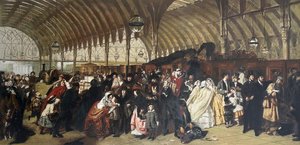
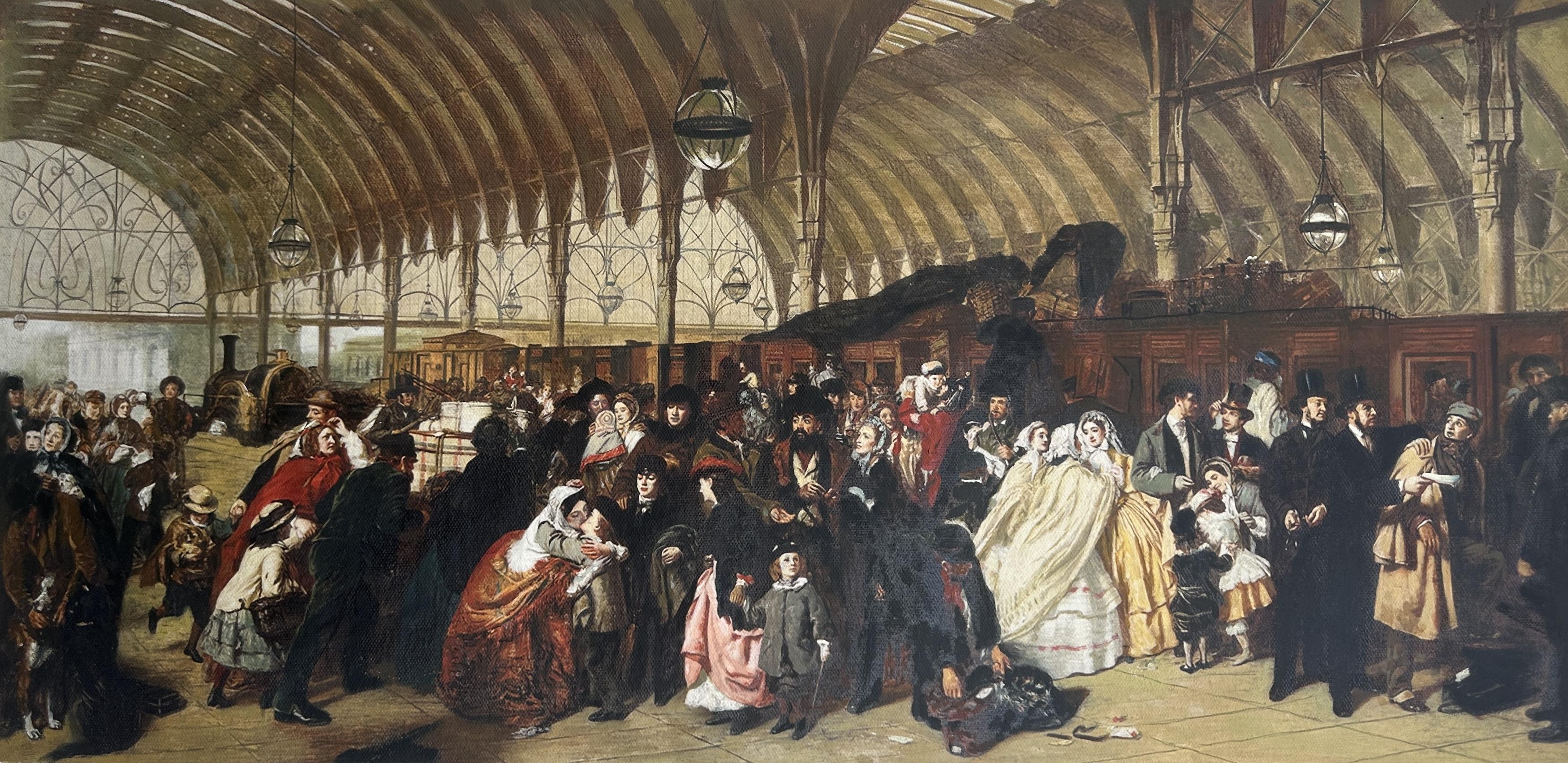
The Railway Station - William Powell Frith
 Acrylic
- WallArt
- Victorian Realism
 2026
2026- Studio Hand Painted Art Available Now
 36 x 73 cm
- Artwork Reference (Famous): The railway station
 Read More
Stock Discount Oil Painting Available
In-stock hand-painted oil work ready to ship; add framing when you check out. ()






































 Glass option is only available in size under 110 CM

The Railway Station - William Powell Frith
Stock Discount Oil Painting Available
Reproduction Size
-


Express Shipping
Express Worldwide Shipping. One week. (5 August).
Included
Total Price
$ 135
Artwork Description
A Window into Victorian Life
William Powell Frith’s masterful depiction of a bustling railway station is more than just a painting; it's a vibrant snapshot of nineteenth-century England, teeming with life and narrative. Completed in 1862, the original canvas captivated audiences with its meticulous detail and unprecedented scale for genre painting. This hand-painted acrylic reproduction faithfully captures that spirit, inviting viewers to step back in time and immerse themselves in the energy of Paddington Station.
The Drama of Modernity
Frith, known as “the painter of modern life,” excelled at portraying scenes of everyday existence with remarkable realism. Here, he doesn’t focus on grand historical events or idealized beauty, but rather on the diverse tapestry of Victorian society – from eager farewells and anxious departures to curious onlookers and even a clandestine arrest unfolding in the background. The subject matter itself—a railway station—was symbolic of the era's rapid industrialization and changing social dynamics. Trains represented progress, connection, and a shrinking world, but also disruption and the anxieties that came with it.
Emotional Resonance & Technical Brilliance
The painting’s emotional impact lies in its ability to connect us to these individual stories. We see ourselves reflected in the faces of the travelers, experiencing their hopes, fears, and uncertainties. The rich, warm color palette—dominated by browns, reds, and creams—evokes a sense of nostalgia and intimacy. Our skilled artisans have painstakingly recreated Frith’s technique, layering acrylic paint to achieve depth, texture, and luminosity. Every figure is rendered with precision, capturing the nuances of expression and costume.
A Collector's Treasure
This reproduction isn’t simply a copy; it’s an opportunity to own a piece of Victorian history. Collectors will appreciate the artwork’s historical significance, its masterful execution, and its ability to transport them to another time. It is a conversation starter, a focal point for any room, and a testament to Frith's enduring legacy as one of Britain’s greatest genre painters.
Bring Victorian England Home
At ArtsDot.com, we are passionate about bringing the world’s finest art into your home. This hand-painted reproduction is crafted with museum-quality materials and attention to detail. Framing options are available to perfectly complement your décor. Don't miss the chance to own this captivating piece of Victorian life – order yours today and experience the magic of Frith’s masterpiece firsthand! Visit our website now for more details and secure your investment in timeless art.
Related Artworks

Artist Biography
Early Life and Training
- Born: January 9, 1819, Aldfield, near Ripon, North Yorkshire, England
- Died: November 2, 1909, London
- William Powell Frith’s father was a hotelier in Harrogate.
- He initially intended to be an auctioneer but his father recognized his artistic talent.
- Frith studied at Sass's Academy in Charlotte Street, London and later attended the Royal Academy Schools.
- Early career focused on portrait painting and literary subjects (Shakespeare, Scott).
Career Highlights and Artistic Style
- Membership: Member of The Clique, a group of artists including Richard Dadd, Augustus Egg, Henry O’Neil, John Phillip, Edward Ward, and Thomas Creswick.
- Influences: Heavily influenced by Sir David Wilkie's domestic subjects.
- Genre Painting & Panoramic Narrative: Frith became renowned for his detailed genre scenes and panoramic narrative works depicting Victorian life in public places.
- Notable Works:
- Ramsgate Sands (1854): Depicts a lively scene at the seaside resort of Ramsgate.
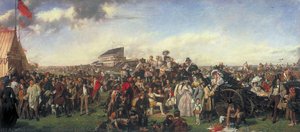
- The Derby Day (1858): Captures the atmosphere and social interactions at Epsom Downs Racecourse. This painting was incredibly popular, requiring railings to manage crowds viewing it.
- The Railway Station (1862): A detailed depiction of Paddington Station.
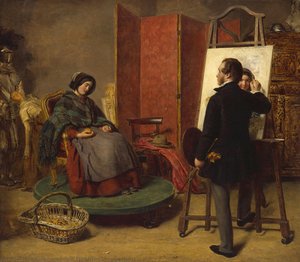
- The Sleeping Model (1853): Presented as his Diploma work at the Royal Academy.
- The Crossing Sweeper (1858): Explores the contrast between wealth and poverty in London.
- Photographic Influence: Frith utilized photographic studies by Robert Howlett to achieve remarkable detail and accuracy in his paintings, particularly in works like The Derby Day.
- Style: Characterized by meticulous observation, a large number of figures, and a focus on capturing the details of everyday life. He was known for his realism and attention to social commentary within his scenes.
Development and Later Years
- Autobiographies: Frith wrote two autobiographies, My Autobiography (1887) and Further Reminiscences (1888), providing insights into Victorian art and society.
- Artistic Views: He was a traditionalist and expressed his aversion to modern art developments.
- Royal Academician: Elected as a Royal Academician in 1853.
- Longevity: Frith lived a remarkably long life, witnessing significant changes in the art world during the Victorian era. He outlived many of his contemporaries from The Clique.
Historical Significance and Legacy
- Social Commentary: His paintings provided valuable documentation of Victorian society, capturing its social dynamics, fashion, and leisure activities.
- Popularity & Commercial Success: Frith was one of the most commercially successful artists of his time, with his works widely admired and sought after.
- Influence on Genre Painting: He significantly contributed to the development of genre painting in Britain, elevating it to a respected art form.
- Detailed Realism: His meticulous attention to detail set a standard for realism in Victorian art.
- Legacy: Frith’s paintings continue to be exhibited and studied, offering a unique window into 19th-century life and solidifying his place as a significant figure in British art history.
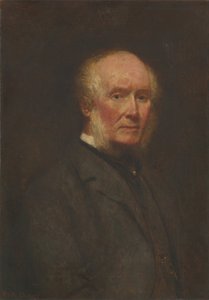
William Powell Frith
1819 - 1909 , United Kingdom
Quick Facts
- Artistic Movement Or Style: Genre painting, panoramic narrative
- Artists Who Influenced This Artist: ['Sir David Wilkie']
- Date Of Birth: January 19, 1819
- Date Of Death: November 9, 1909
- Full Name: William Powell Frith
- Nationality: English
- Notable Artworks:
- Ramsgate Sands (Life at the Seaside)
- The Derby Day
- The Railway Station
- The Sleeping Model
- The Crossing Sweeper
- Place Of Birth: Aldfield, United Kingdom
Related Articles
Rosy Brown Hues: 10 Master Paintings & Timeless Decor Ideas |
Explore 10 iconic paintings bathed in captivating rosy brown tones! From Rembrandt to Titian, discover the stories behind these masterpieces & their warm color palettes. Find museum-quality art reproductions and decor inspiration at .

Acrylic on Paper: A Modern Canvas for Contemporary Expression
Explore the versatility of acrylic painting on paper! Discover expert techniques, artist insights & archival practices for creating stunning contemporary art. Learn more at ArtsDot.
Romantic Realism's Finest: 10 Masterpieces for Your Home | ArtsDot
Explore 10 defining masterpieces of Romantic Realism! Discover Courbet, Millet & Daumier's powerful paintings—capturing emotion and social realities. Find museum-quality reproductions for your home at ArtsDot.com.

Crimson Threads of Narrative: Exploring Symbolism & Representation in Artworks Featuring the Red Dress
Explore the rich symbolism of the red dress in art history! From ancient power displays to iconic portraits like Cézanne’s 'Madame Cezanne', discover the cultural and artistic significance behind this captivating color. Expert analysis & insights.
Ford Madox Brown: Pre-Raphaelite Visionary & Victorian Social Commentary
Explore the life & art of Ford Madox Brown, a pivotal Pre-Raphaelite painter renowned for his powerful social commentary and masterpiece 'Work'. Discover his lasting influence on British art history.