 Preview
 Send
Send Share
Share
 Details

 Download
 Similars
 X-Ray
X-Ray Diaporama
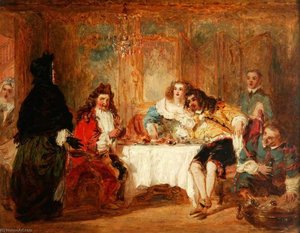
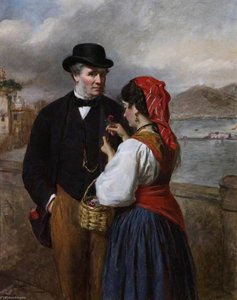
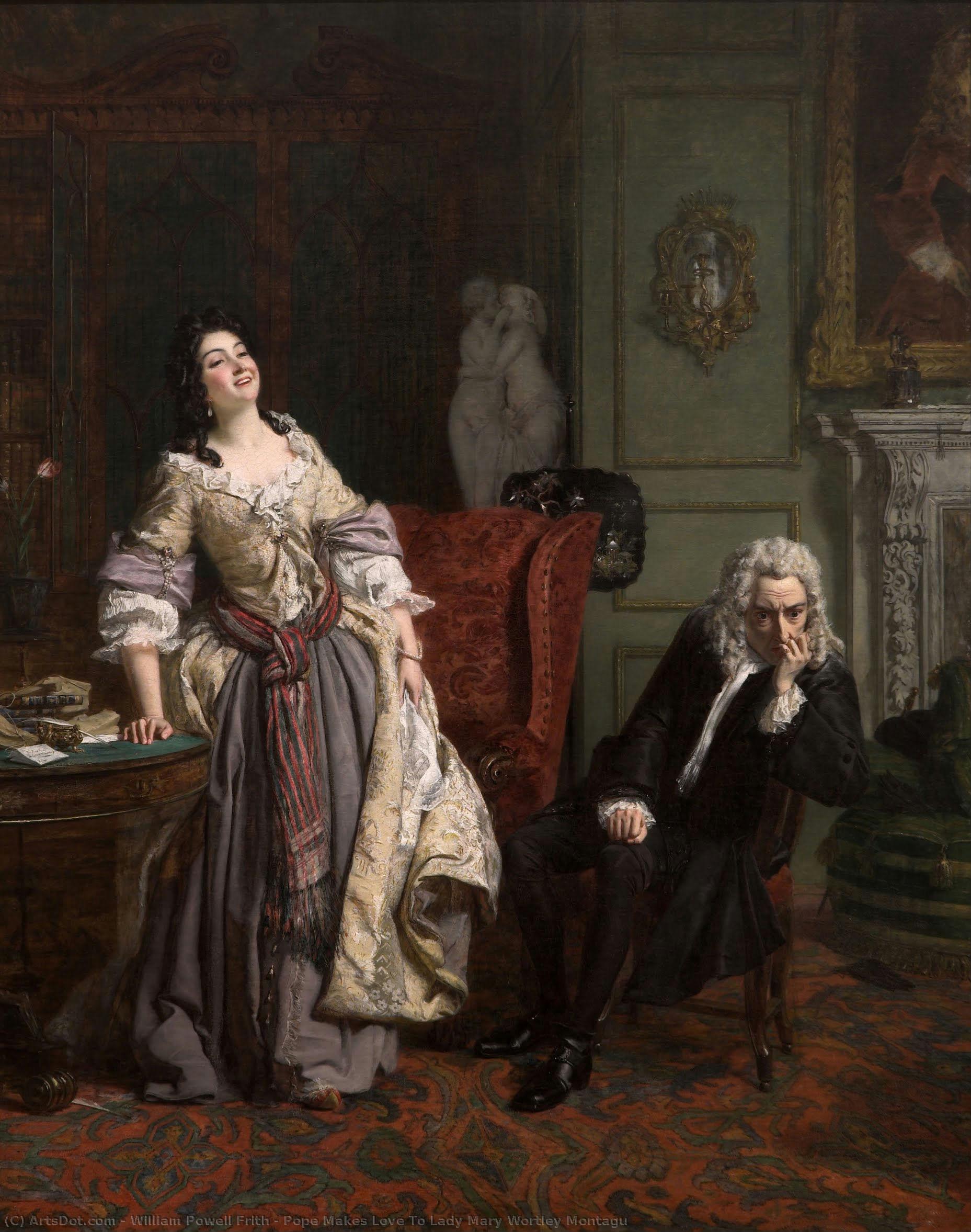
Pope Makes Love To Lady Mary Wortley Montagu
 Acrylic On Canvas
- WallArt
- Contemporary Realism
 1852
1852 94.0 x 118.0 cm
 Auckland Art Gallery Toi o Tāmaki
 Read More
Hand Made Oil Reproduction
Hand-painted oil on canvas in your size and frame, made to order by our artists. ( Buy Print Buy Image)




P118B $10

P118H $10

P118W $10

P438Z $10

P508JH $12

P508YH $12

P805H $10

P805Z $10

P919BZ $10

P919G $10

P919XJ $10

P959ZH $10

P968JZ $12

W106C $8

W218G $10

W218JH $8

W218Y $10

W307PJ $10

W316G $10

W316PJ $8

W316Y $10

W398PJ $8

W4111J $10

W500HY $15

W500JH $15

W692G $12

W849H $8

W940BG $15

W953PJ $8




Pick from our preset sizes that match the artwork's original proportions.

You may enter your own dimensions to fit a specific frame or space. If your selected size does not match the original image's proportions, we will either crop the artwork or extend the painting with additional hand-painted elements. A digital mockup will be sent for your approval before production begins.
Please note that the on-screen preview does not reflect the actual cropping or extension. Only the mockup will accurately show the final composition.
While custom sizes are available, we recommend selecting a dimension from the predefined list to preserve the original proportions.
After order, ArtsDot.com team will email client for instructions and provide a mockup preview
Worldwide Delivery () in 3/4 weeks instead of standard 5 weeks. (16 August). No compromise on quality.

Free Worldwide Express Shipping

High-Quality Linen Canvas

Full Shipping Insurance

Customs Tax Refund Guarantee

True Color Matching Guarantee

60-Day Return Policy (Defects Only)

100% Money-Back Guarantee

Bulk Discount Offer
 Glass option is only available in size under 110 CM

Pope Makes Love To Lady Mary Wortley Montagu
Reproduction Medium
Reproduction Size
-


Total Price
$ 263
Artwork Description
William Powell Frith’s “Pope Makes Love To Lady Mary Wortley Montagu”: A Victorian Tableau of Desire and Disillusionment
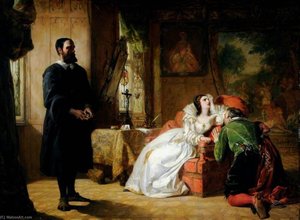
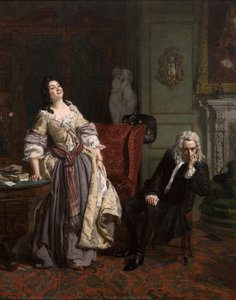
The painting by William Powell Frith, "Pope Makes Love To Lady Mary Wortley Montagu," transcends mere portraiture; it's a meticulously crafted tableau vivant—a snapshot of a pivotal moment in Victorian social history. Executed in 1852 for the Royal Academy exhibition, this artwork delves into the fraught relationship between Alexander Pope and Lady Mary Wortley Montagu, capturing not just their physical presence but also the palpable tension simmering beneath the surface of their encounter. Frith’s masterful technique—characterized by detailed realism achieved through oil paint on canvas—allows him to convey a profound sense of psychological drama alongside exquisite visual precision.- Subject Matter: The scene depicts Pope seated in a chair, subtly shielded from view by the drapery of his surroundings, while Lady Mary Wortley Montagu sits beside him. Their posture exudes an air of restrained elegance and intellectual engagement—a deliberate contrast to the explosive emotion that transpired moments before.
- Style & Technique: Frith’s style aligns closely with Sir David Wilkie's approach to domestic subjects, prioritizing atmospheric perspective and nuanced observation. He employs a technique honed through years of experience, utilizing soft brushstrokes and subtle gradations of color to create an illusion of depth and luminosity. The artist’s meticulous attention to detail extends beyond the figures themselves; he incorporates symbolic elements—the ornate coronet adorning Lady Mary's hair representing her aristocratic status, literary texts scattered around the room referencing Pope’s poetic endeavors—to enrich the narrative context.
- Historical Context: The painting reflects the anxieties of Victorian society regarding patronage and artistic ambition. Lady Mary Wortley Montagu, a celebrated writer and diplomat who corresponded with Voltaire during her time in Turkey, was considered Pope's ideal patron – someone capable of elevating his verse to new heights. However, their relationship crumbled spectacularly when Pope reportedly confessed his ardent affection for Montagu, triggering an immediate outburst of laughter from her—a reaction that irrevocably severed their connection and cemented Pope’s reputation as a man incapable of genuine emotion.
- Symbolism: Beyond the literal depiction of the figures, Frith employs symbolism to amplify the painting's emotional impact. The sculpted lovers in the background playfully mock Pope’s declaration, highlighting the absurdity of romantic idealism against the backdrop of social convention. Furthermore, the inclusion of a tulip—a symbol of wealth and status—underscores Lady Mary’s privileged position within Victorian society.
- Emotional Impact: Frith's portrayal is remarkably empathetic; he renders Pope’s hunched back hidden from view due to his seated posture, conveying vulnerability and regret. Similarly, Lady Mary’s face lacks the marks of smallpox scars—a testament to Frith’s sensitivity to portraying subjects with dignity and grace. Ultimately, “Pope Makes Love To Lady Mary Wortley Montagu” succeeds in capturing not just a historical event but also the complex interplay of desire, disappointment, and social pressures that defined the Victorian era.
Related Artworks
Artist Biography
Early Life and Training
- Born: January 9, 1819, Aldfield, near Ripon, North Yorkshire, England
- Died: November 2, 1909, London
- William Powell Frith’s father was a hotelier in Harrogate.
- He initially intended to be an auctioneer but his father recognized his artistic talent.
- Frith studied at Sass's Academy in Charlotte Street, London and later attended the Royal Academy Schools.
- Early career focused on portrait painting and literary subjects (Shakespeare, Scott).
Career Highlights and Artistic Style
- Membership: Member of The Clique, a group of artists including Richard Dadd, Augustus Egg, Henry O’Neil, John Phillip, Edward Ward, and Thomas Creswick.
- Influences: Heavily influenced by Sir David Wilkie's domestic subjects.
- Genre Painting & Panoramic Narrative: Frith became renowned for his detailed genre scenes and panoramic narrative works depicting Victorian life in public places.
- Notable Works:
- Ramsgate Sands (1854): Depicts a lively scene at the seaside resort of Ramsgate.
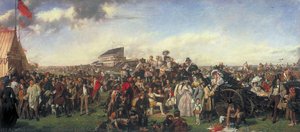
- The Derby Day (1858): Captures the atmosphere and social interactions at Epsom Downs Racecourse. This painting was incredibly popular, requiring railings to manage crowds viewing it.
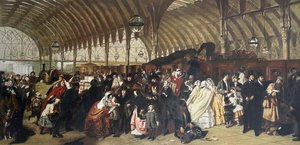
- The Railway Station (1862): A detailed depiction of Paddington Station.
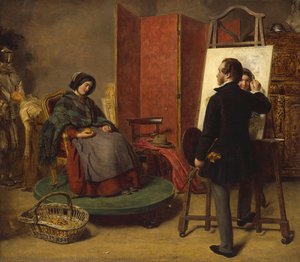
- The Sleeping Model (1853): Presented as his Diploma work at the Royal Academy.
- The Crossing Sweeper (1858): Explores the contrast between wealth and poverty in London.
- Photographic Influence: Frith utilized photographic studies by Robert Howlett to achieve remarkable detail and accuracy in his paintings, particularly in works like The Derby Day.
- Style: Characterized by meticulous observation, a large number of figures, and a focus on capturing the details of everyday life. He was known for his realism and attention to social commentary within his scenes.
Development and Later Years
- Autobiographies: Frith wrote two autobiographies, My Autobiography (1887) and Further Reminiscences (1888), providing insights into Victorian art and society.
- Artistic Views: He was a traditionalist and expressed his aversion to modern art developments.
- Royal Academician: Elected as a Royal Academician in 1853.
- Longevity: Frith lived a remarkably long life, witnessing significant changes in the art world during the Victorian era. He outlived many of his contemporaries from The Clique.
Historical Significance and Legacy
- Social Commentary: His paintings provided valuable documentation of Victorian society, capturing its social dynamics, fashion, and leisure activities.
- Popularity & Commercial Success: Frith was one of the most commercially successful artists of his time, with his works widely admired and sought after.
- Influence on Genre Painting: He significantly contributed to the development of genre painting in Britain, elevating it to a respected art form.
- Detailed Realism: His meticulous attention to detail set a standard for realism in Victorian art.
- Legacy: Frith’s paintings continue to be exhibited and studied, offering a unique window into 19th-century life and solidifying his place as a significant figure in British art history.
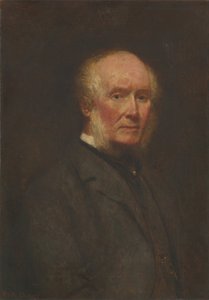
William Powell Frith
1819 - 1909 , United Kingdom
Quick Facts
- Artistic Movement Or Style: Genre painting, panoramic narrative
- Artists Who Influenced This Artist: ['Sir David Wilkie']
- Date Of Birth: January 19, 1819
- Date Of Death: November 9, 1909
- Full Name: William Powell Frith
- Nationality: English
- Notable Artworks:
- Ramsgate Sands (Life at the Seaside)
- The Derby Day
- The Railway Station
- The Sleeping Model
- The Crossing Sweeper
- Place Of Birth: Aldfield, United Kingdom
Related Articles
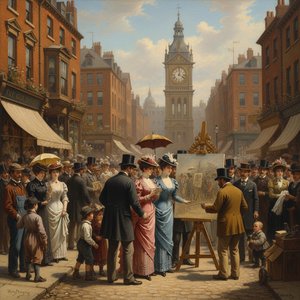
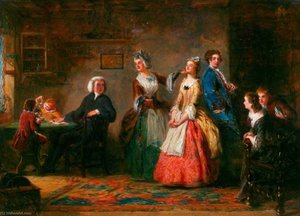
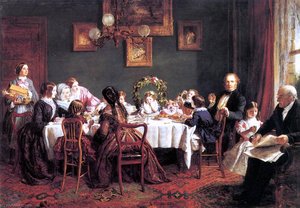
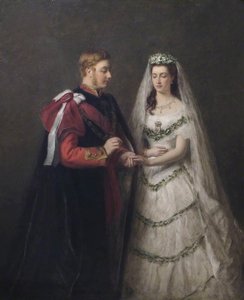
William Powell Frith: Narratives of Victorian Society & the Rise of Realist Painting
Explore the life & works of William Powell Frith, the 'greatest British painter of social scenes.' Discover his iconic Victorian genre paintings and learn about his lasting impact on realist art. Hand-painted reproductions available.
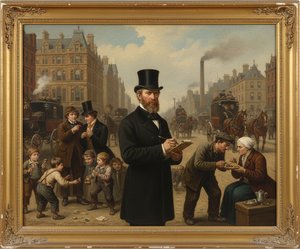
R.A. Benjamin Williams: Victorian Genre Painting & Social Commentary
Explore the captivating world of Benjamin Williams Leader's Victorian genre paintings. Discover his mastery of naturalism, social commentary & lasting influence on British art. Expert insights at ArtsDot.

The Gaze of a Changing World: Victorian Realism & Modern Life
Explore the captivating world of Victorian Realism! Discover genre painting's rise, social commentary in art, & masters like Fedotov and Wilkie. Expert analysis & high-quality reproductions at ArtsDot.
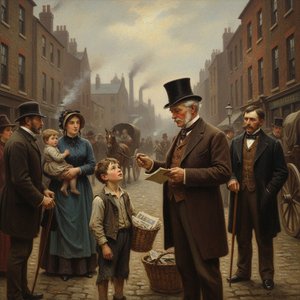
William Collins: A Study in Victorian Narrative Painting & Social Commentary
Explore the captivating world of William Collins (1788-1847), a celebrated Victorian painter known for his charming genre scenes and poignant social commentary. Discover his artistic journey, influences, and lasting legacy with ArtsDot.
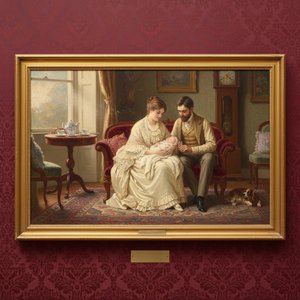
George Goodwin Kilburne: Capturing Victorian Sentimentality Through Genre Painting
Explore the evocative Victorian paintings of George Goodwin Kilburne. Discover his detailed scenes of domestic life, masterful use of light, and lasting impact on British genre painting. Learn more at ArtsDot.