The Rise of Genre Painting: Reflecting Everyday Victorian Life
Genre painting (or petit genre) is the painting of genre art, which depicts aspects of everyday life by portraying ordinary people engaged in common activities. One common definition of a genre scene is that it shows figures to whom no identity can b...
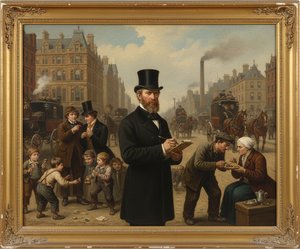
Before the sweeping historical narratives and idealized portraits dominated artistic discourse, a quiet revolution unfolded on canvases across Europe – the rise of genre painting. This wasn’t art concerned with gods or heroes, but with the lives unfolding in parlors, kitchens, and bustling marketplaces. The mid-19th century witnessed a burgeoning middle class eager to see their own world reflected back at them, not through the lens of aspiration, but through honest observation. Artists began turning away from grand allegories towards the seemingly mundane details of everyday existence. This shift wasn’t merely stylistic; it was a fundamental change in what constituted worthy subject matter. Dutch Golden Age masters like Vermeer and Pieter de Hooch served as early inspiration, their meticulous depictions of domestic interiors providing a model for capturing light, texture, and the subtle nuances of human interaction. But Victorian genre painting wasn't simply imitation; it became a vehicle for exploring social anxieties, moral complexities, and the rapidly changing fabric of society.
Literary Realism's Parallel Path: Capturing Mundane Truths
Literary realism is a movement and genre of literature that attempts to represent mundane and ordinary subject-matter in a faithful and straightforward way, avoiding grandiose or exotic subject-matter, exaggerated portrayals, and speculative elements...
This artistic impulse found a powerful echo in the realm of literature. Literary realism, emerging around the same time, shared genre painting’s commitment to representing “life as it is,” eschewing romantic embellishment and sensational plots for faithful portrayals of ordinary people and their experiences. Authors like Gustave Flaubert and Charles Dickens meticulously documented the social landscapes of their time, mirroring the visual artists' dedication to accuracy. The connection wasn’t accidental. Artists and writers often influenced each other, both seeking to capture a sense of authenticity that resonated with a growing audience disillusioned by idealized representations. Just as a painter might spend hours studying the fall of light on a worn tablecloth, a novelist would meticulously observe the gestures and speech patterns of their characters. This shared pursuit of verisimilitude created a powerful synergy, solidifying realism as a dominant force in both visual art and literature.
Social Commentary Embedded in Canvas: Beyond Surface Representation
Social commentary is the act of using rhetorical means to provide commentary on social, cultural, political, or economic issues in a society. This is often done with the idea of implementing or promoting change by informing the general populace about...
However, to view Victorian genre painting simply as a celebration of the everyday would be a profound oversimplification. Beneath the seemingly placid surfaces often lay layers of social commentary, subtle critiques of class structures, gender roles, and economic disparities. Artists weren’t merely *showing* life; they were subtly questioning it. Pavel Fedotov's “Encore, Encore” (1851), for example, is far more than a depiction of a boisterous gathering. The painting satirizes the pretensions of the newly wealthy merchant class, exposing their vulgarity and lack of refinement with biting wit. Similarly, Lilly Martin Spencer’s “Young Husband: First Marketing” (1854) offers a nuanced portrayal of marital dynamics and the anxieties surrounding domestic life. These weren't neutral observations; they were pointed examinations of societal norms, often challenging conventional expectations.
Pavel Fedotov and the Satirical Lens on Russian Society
Fedotov stands as a particularly compelling example of this socially conscious approach. Trained as a military officer, he turned to art with a keen eye for detail and an unwavering commitment to exposing hypocrisy. His paintings are characterized by their dramatic compositions, dark palettes, and meticulous attention to characterization. “Encore, Encore” exemplifies his mastery of satire; the scene is filled with exaggerated gestures and expressions that reveal the moral failings of its subjects. He wasn’t afraid to tackle uncomfortable truths, often depicting scenes of bureaucratic corruption and social injustice. Fedotov's work resonated deeply with a Russian audience grappling with rapid modernization and societal upheaval, establishing him as one of the most important realist painters of his time.
Wilkie, Frith & Crowe: Masters of Narrative Detail and Victorian Observation
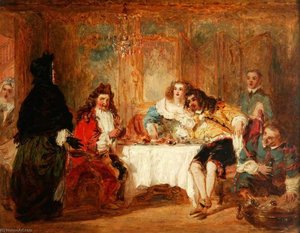
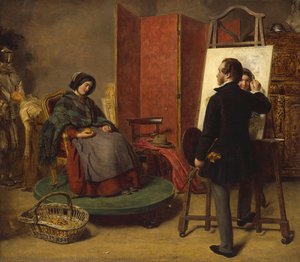
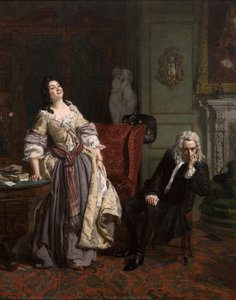
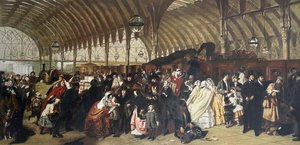
In Britain, artists like Sir David Wilkie, William Powell Frith, and Eyre Alexander Barby Wichart Crowe similarly excelled at capturing the complexities of Victorian life. Wilkie’s paintings often focused on scenes of domestic intimacy, imbued with a sense of moral sentimentality. Frith, known for his panoramic narratives such as “The Derby Day,” meticulously documented the social rituals and fashions of the upper classes. Crowe, meanwhile, specialized in depicting the lives of London's working class, offering poignant glimpses into their struggles and hardships. These artists shared a remarkable ability to imbue their paintings with narrative detail, inviting viewers to construct their own interpretations of the scenes unfolding before them. Their works weren’t simply portraits of a specific moment; they were windows into an entire world.
The Enduring Legacy of Victorian Realism: A Foundation for Modern Art
The impact of Victorian realism extends far beyond the 19th century. Its commitment to honest observation, social commentary, and narrative detail laid the foundation for many subsequent artistic movements. The emphasis on capturing everyday life paved the way for Impressionism’s focus on fleeting moments and subjective experience. Furthermore, the realist painters' willingness to challenge conventional norms inspired generations of artists to use their work as a platform for social change. Today, these paintings continue to resonate with audiences, offering valuable insights into a pivotal period in history and reminding us of the enduring power of art to reflect – and shape – our understanding of the world. At ArtsDot, we are proud to offer high-quality reproductions of these masterpieces, allowing you to bring the captivating beauty and insightful commentary of Victorian realism into your own home.