

 Preview
 Send
Send Share
Share
 Details

 Download
 Similars
 X-Ray
X-Ray Diaporama
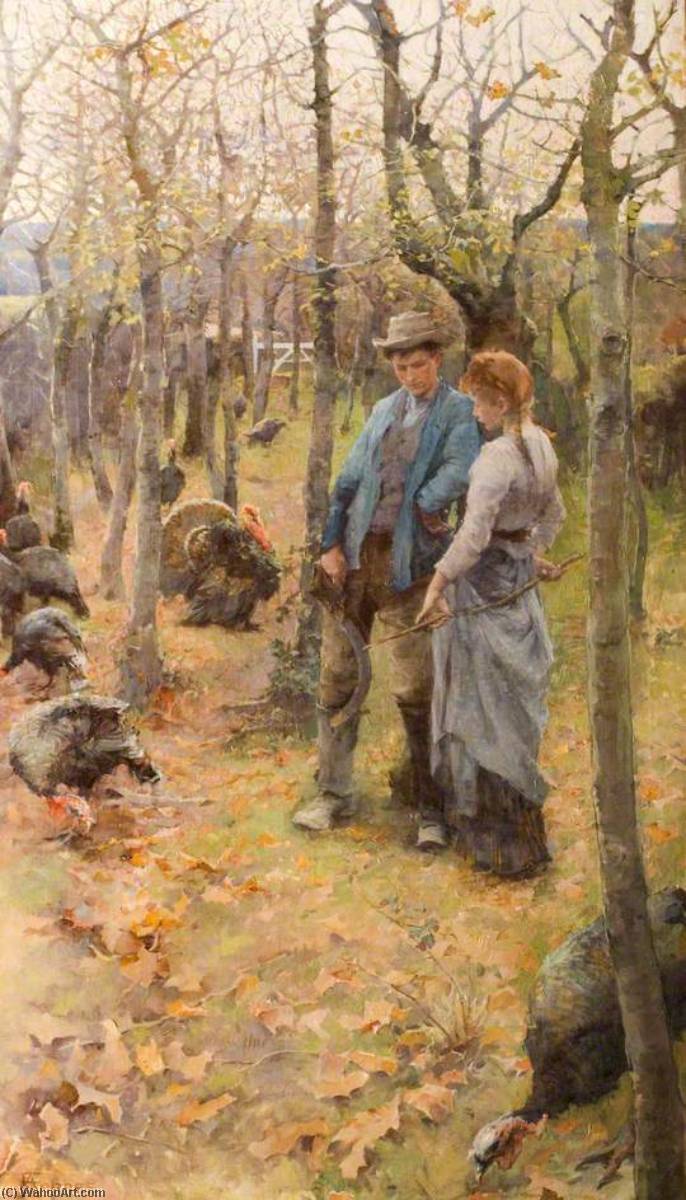
The Edge of the Woods
 Acrylic On Canvas
- WallArt
- Victorian Genre Painting
 1894
1894 135.0 x 80.0 cm
 Wolverhampton Art Gallery
 Read More
Purchase a high-resolution, enhanced digital image, far superior to the online preview.
Each file is meticulously prepared by our in-house specialists using advanced tools and expert manual retouching. We ensure every image has exceptional clarity, precise color accuracy, and fine detail.
The final file is delivered via email within 72 hours, optimized for immediate use in professional, editorial, and print environments. This is the same quality trusted by top-tier design studios, publishers, and galleries.
Digital Image
Download a high-resolution file for personal display, printing, and creative projects. ( Buy Print Buy Hand Made Painting)
Included in Every Digital Image Order
Expert Digital Delivery, Guaranteed
When you choose ArtsDot.com, you're not just getting an image - you're receiving a professionally enhanced digital artwork, crafted with precision and backed by a satisfaction guarantee. Here's everything that comes with your order, automatically:

Fast Email Delivery
Your high-resolution digital image file will be emailed to you within 72 hours of ordering - ready for immediate use.

AI-Enhanced Digital File
Your artwork is professionally optimized using advanced AI tools and manual editing, ensuring maximum detail, clarity, and color accuracy.

Free Lifetime Re-Delivery
Accidentally deleted or lost your file? No worries - we'll resend it to you anytime, free of charge.

No Import Fees - Ever
Enjoy your artwork instantly with zero customs, duties, or delivery fees - digital downloads are always tax-free.

Color Accuracy Guarantee
We ensure your digital image reflects the original colors as closely as possible using professional tools and color management.

60-Day Satisfaction Guarantee
If you're not satisfied with your digital image, we'll revise it or refund 100% within 60 days - no questions asked.

100% Money-Back Guarantee
Not satisfied? Get a full refund within 60 days of receiving your digital file - no questions asked.

Bulk Order Discounts
Buy 3 images, save 10% - Buy 5, save 15% - Buy 10+, save 20%. Great for creative projects, galleries, and agencies.
The Edge of the Woods: A Portrait of Victorian Pastoral
Elizabeth Adela Stanhope Forbes’ “The Edge of the Woods,” painted in 1894, stands as a quintessential example of Victorian genre painting—a movement dedicated to depicting scenes from everyday life with meticulous realism and an unwavering focus on capturing the beauty of the natural world. Held at Wolverhampton Art Gallery, this artwork offers more than just a picturesque landscape; it’s a window into the sensibilities of its time and a testament to Forbes' mastery of technique.
Forbes, born in Kingston, Ontario, Canada, in 1859, benefited from a privileged upbringing that included private education alongside her mother’s artistic tutelage. Her studies at the South Kensington Art School—later Royal College of Art—established her grounding in academic principles before she embarked on a transformative journey to Munich, where she honed her skills under the guidance of J. Frank Currier and Frank Duveneck. These formative experiences profoundly influenced her artistic vision.
- Style:Forbes’ style aligns closely with Impressionism, particularly evident in her embrace of plein air painting at Pont-Aven, Brittany—a pivotal location for the Newlyn School movement. Whistler and Sickert served as significant stylistic influences, fostering a realist approach characterized by subtle tonal gradations and an acute observation of light.
- Technique:Executed primarily in oil on canvas, “The Edge of the Woods” showcases Forbes’ meticulous attention to detail. The artist skillfully employs layering techniques—a hallmark of Impressionism—to build up textures and create a palpable sense of atmosphere. Brushstrokes are visible yet blended harmoniously, conveying both spontaneity and precision.
- Historical Context:Painted during the Victorian era (1837-1901), “The Edge of the Woods” reflects the prevailing fascination with rural landscapes and idealized depictions of domestic life. The painting captures a moment of quiet contemplation amidst autumn foliage, mirroring the broader Victorian preoccupation with tranquility and moral virtue.
- Symbolism:The sparse trees lining the edge of the woods symbolize resilience and transformation—themes frequently explored in Victorian art. The birds scattered throughout the scene represent freedom and vitality, adding dynamism to the stillness of the landscape. Furthermore, Forbes’ signature “E.A. Forbes” and the date 1894 provide valuable historical context.
- Emotional Impact:Forbes' artwork evokes a feeling of serene beauty and nostalgia—a reflection of the Victorian appreciation for pastoral scenes as emblems of innocence and harmony. The muted color palette contributes to this contemplative mood, inviting viewers to immerse themselves in the tranquility of nature.
“The Edge of the Woods” is more than just a beautiful painting; it’s a carefully crafted representation of its era—a testament to Forbes' artistic skill and her unwavering commitment to capturing the essence of Victorian pastoralism. Its enduring appeal lies in its ability to transport viewers back to a time of quiet contemplation and idealized beauty.
Related Artworks

Artist Biography
Early Life and Education
- Born: Kingston, Ontario, Canada (1859)
- Died: 1912
- Elizabeth Adela Forbes was the youngest child of William Armstrong, a government employee.
- She received private education in Canada before studying art in England with her mother as chaperone.
- Studied at the South Kensington Art School (now Royal College of Art) in London.
- In the early 1880s, she studied with J. Frank Currier and Frank Duveneck in Munich.
Artistic Development and Influences
- Early Style: Initially influenced by traditional academic painting.
- Brittany Period (1882): Explored plein air painting at Pont-Aven, Brittany, which significantly impacted her style.
- Key Influences:
- James Abbott McNeill Whistler – Particularly evident in her etchings.
- Walter Sickert – Contributed to her realist approach.
- French Realism - Shaped her depictions of daily life and rural scenes.
- Mediums: Worked primarily with oil, watercolour, pastels, and etching.
- Subject Matter: Frequently featured children, landscapes, and fishing scenes.
The Newlyn School and Notable Works
- Move to Cornwall (1885): Established a studio in Newlyn, Cornwall, becoming a prominent figure in the Newlyn Art Colony.
- Newlyn School: Associated with the Newlyn School of artists known for their realistic depictions of Cornish life and working-class people.
- Marriage to Stanhope Forbes (1889): Married fellow artist Stanhope Alexander Forbes, further solidifying her connection to the Newlyn art scene.
- Newlyn Art School: In 1899, she and her husband founded the Newlyn Art School, contributing significantly to artistic education in Cornwall.
- Notable Works:
- School is Out (one of her most popular works)
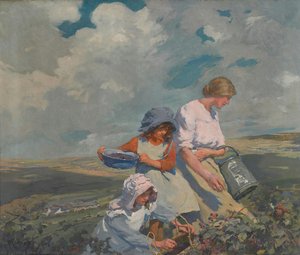
- Blackberry Gathering (1912)
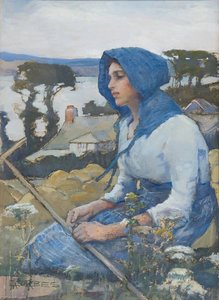
- A Newlyn Maid
- Volendam, Holland, from the Zuidende (1895)
- Zandvoort Fishergirl
Achievements and Recognition
- Paris International Exhibition (1891): Won a medal.
- World's Columbian Exposition, Chicago (1893): Received a gold medal for an oil painting.
- Exhibitions: Participated in over 63 exhibitions in London between 1893 and 1899.
- Reputation: Dubbed "the Queen of Newlyn" due to her significant contributions to the art colony.
- Collections: Her paintings are held in collections of museums in Canada, the United States, and England.
Historical Significance
- Victorian Genre Painting: Forbes’ work exemplifies Victorian genre painting, capturing scenes of everyday life with realism and attention to detail.
- Newlyn School Legacy: She played a crucial role in establishing the Newlyn School as a significant artistic movement in Britain.
- Female Artist in a Male-Dominated Field: Forbes achieved considerable success as a female artist during a time when women faced numerous barriers in the art world.
- Art Education: Her involvement with the Newlyn Art School helped nurture and develop the talents of aspiring artists.
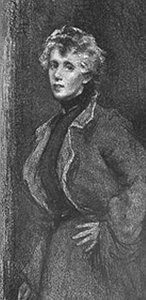
Elizabeth Adela Stanhope Forbes
1859 - 1912 , Canada
Quick Facts
- Artistic Movement Or Style: Newlyn School
- Artists Who Influenced This Artist:
- James Abbott McNeill Whistler
- Walter Sickert
- Date Of Birth: 1859
- Date Of Death: 1912
- Full Name: Elizabeth Adela Stanhope Forbes
- Nationality: Canadian
- Notable Artworks:
- School is Out
- Home-Along: Evening
- The Bride (Lady Forbes)
- Village Rendezvous
- On a Fine Day
- Zandvoort Fishergirl
- Volendam, Holland
- Blackberry Gathering
- A Newlyn Maid
- Place Of Birth: Kingston, Canada

