 Send
Send Share
Share
 Details

 Download
 Similars
 Diaporama
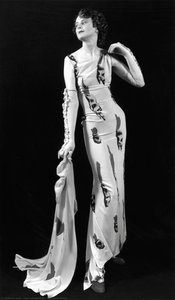
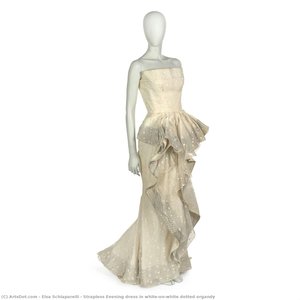
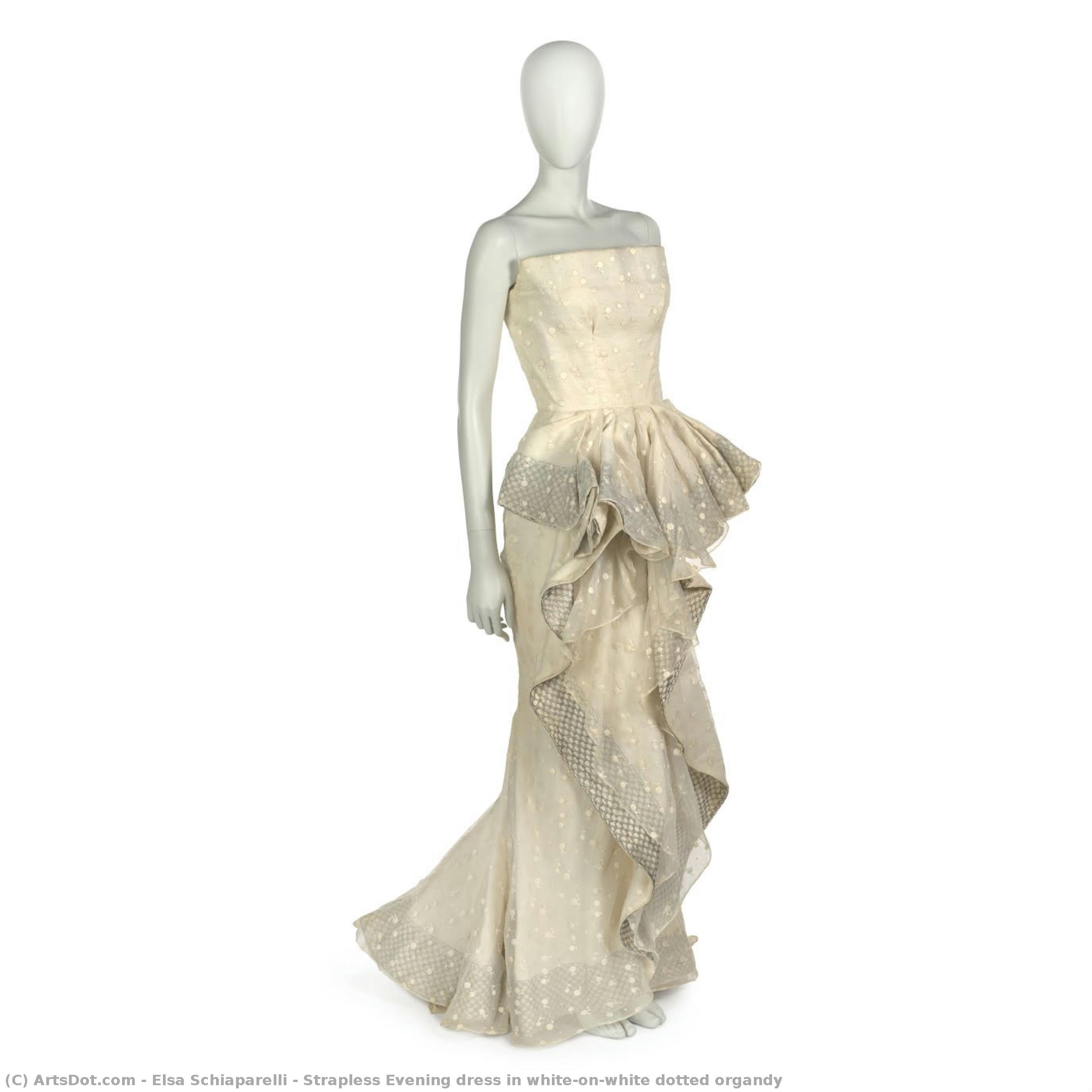
Strapless Evening dress in white-on-white dotted organdy


 Read More
Hand Made Oil Reproduction
Hand-painted oil on canvas in your size and frame, made to order by our artists. ( Buy Print Buy Image)




































Pick from our preset sizes that match the artwork's original proportions.

You may enter your own dimensions to fit a specific frame or space. If your selected size does not match the original image's proportions, we will either crop the artwork or extend the painting with additional hand-painted elements. A digital mockup will be sent for your approval before production begins.
Please note that the on-screen preview does not reflect the actual cropping or extension. Only the mockup will accurately show the final composition.
While custom sizes are available, we recommend selecting a dimension from the predefined list to preserve the original proportions.
After order, ArtsDot.com team will email client for instructions and provide a mockup preview
Worldwide Delivery () in 3/4 weeks instead of standard 5 weeks. (24 August). No compromise on quality.

Free Worldwide Express Shipping

High-Quality Linen Canvas

Full Shipping Insurance

Customs Tax Refund Guarantee

True Color Matching Guarantee

60-Day Return Policy (Defects Only)

100% Money-Back Guarantee

Bulk Discount Offer
 Glass option is only available in size under 110 CM

Strapless Evening dress in white-on-white dotted organdy
Reproduction Medium
Reproduction Size
-


Total Price
$ 263
Artwork Description
A Surrealist Dream: Deconstructing Elsa Schiaparelli's 1951 Masterpiece
The image before you isn’t merely a depiction of an evening gown; it’s a portal into the mind of Elsa Schiaparelli, a visionary designer who dared to challenge the conventions of haute couture and inject a potent dose of surrealism into the heart of Parisian fashion. This 1951 creation – a strapless white silk organdy dress adorned with delicate white dots – embodies her signature style: an intoxicating blend of elegance, provocation, and dreamlike imagery. It’s a garment that whispers of midnight balls, hidden desires, and the unsettling beauty found at the intersection of reality and fantasy.
Schiaparelli's work during this period was profoundly influenced by her collaborations with artists like Salvador Dalí and Jean Cocteau. This dress is no exception; the meticulous white dots aren’t simply decorative embellishments but rather a deliberate nod to the vast, star-studded expanse of space – a recurring motif in Schiaparelli’s designs and a reflection of her fascination with the cosmos. The mermaid silhouette, while undeniably glamorous, feels subtly off-kilter, hinting at an underlying sense of unease or perhaps simply a rejection of traditional feminine forms. It's a deliberate disruption of expectations, perfectly aligning with the designer’s rebellious spirit.
The Art of Illusion: Technique and Craftsmanship
The execution of this dress is nothing short of breathtaking. The choice of white silk organdy – a notoriously difficult fabric to work with – speaks volumes about Schiaparelli's commitment to quality and her mastery of textile manipulation. The intricate, all-over embroidery of the tiny white dots isn’t machine-produced; it’s a testament to painstaking handwork, each stitch contributing to the overall effect of shimmering, ethereal beauty. Notice the careful layering – the fitted bodice, the cascading ruffles that dramatically flare from the waist down, and the strategically placed horsehair edging, creating a subtle sense of movement and volume. The interior wire reinforcement ensures the skirt maintains its shape, while the zipper closure, discreetly hidden beneath the fabric, speaks to the practicality required for a garment designed for evening wear.
- Fabric: White silk organdy – prized for its delicate sheen and challenging drape.
- Embroidery: Hand-embroidered white silk dots, meticulously applied.
- Construction: Layered ruffles, fitted bodice, horsehair edging, internal wire reinforcement.
- Closure: Proper left side zipper closure.
A Legacy of Surrealism and Innovation
Elsa Schiaparelli’s influence extends far beyond the realm of fashion. She was a true innovator, pushing boundaries and challenging established norms with her bold designs and provocative collaborations. This dress is a prime example of her artistic vision – a wearable work of art that embodies the spirit of the Surrealist movement. Consider its place within Schiaparelli’s broader oeuvre: she wasn't simply creating clothes; she was crafting experiences, provoking thought, and redefining the relationship between fashion and art. The re-establishment of her brand in 2014 is a testament to the enduring power of her creative legacy.
Furthermore, examining this piece alongside other works by Schiaparelli – such as the iconic lobster dress or the shoe hat – reveals a consistent thread of playful subversion and intellectual curiosity. Her designs weren’t intended to be passively admired; they demanded engagement, prompting viewers to question conventional notions of beauty and femininity. This 1951 evening gown remains a potent symbol of her revolutionary approach to fashion, solidifying her position as one of the most influential designers of the 20th century.
Related Artworks
Artist Biography
A Rebel Spirit in Haute Couture: The World of Elsa Schiaparelli
Elsa Luisa Maria Schiaparelli, a name synonymous with audacious style and surrealist innovation, irrevocably altered the landscape of 20th-century fashion. Born into an aristocratic Roman family in 1890, her life was anything but conventional. Unlike many of her contemporaries who embraced established societal norms, Schiaparelli possessed a fiercely independent spirit, fueled by intellectual curiosity and a penchant for challenging expectations. Her father, Celestino Schiaparelli, a renowned scholar of Islamic studies and Sanskrit, cultivated an environment rich in learning, while her uncle, the astronomer Giovanni Schiaparelli – famed for his observations of Martian “canals” – sparked within her a lifelong fascination with the cosmos and the unconventional. This unique upbringing instilled a love for art, mythology, and esoteric thought that would profoundly shape her aesthetic vision. Early rebellious tendencies manifested not only in defying societal expectations but also in a tumultuous personal life, including a marriage to the enigmatic Wilhelm de Kerlor, a self-proclaimed psychic whose influence further propelled her into a world of spiritualism and occult practices – themes that subtly permeated her later designs.From Knitwear to Surrealist Statements: The Rise of a Fashion House
Schiaparelli’s journey into the world of fashion was initially pragmatic, born from dissatisfaction with existing styles. She began by experimenting with knitwear in the late 1920s, recognizing a gap in the market for comfortable yet sophisticated clothing. In 1927, she established her own fashion house in Paris, quickly expanding beyond knitwear to encompass a full range of haute couture designs. However, it was during the 1930s that Schiaparelli truly came into her own, forging groundbreaking collaborations with leading artists of the Surrealist movement. This period marked a radical departure from the prevailing elegance of Parisian fashion, characterized by flowing silhouettes and understated glamour. Schiaparelli’s designs were deliberately provocative, playful, and often unsettling, embracing the absurd and challenging conventional notions of beauty. Her partnership with Salvador Dalí proved particularly fruitful, resulting in iconic creations like the Lobster Dress (1937), featuring a vibrant lobster painted onto silk, and the Shoe Hat (1938), a whimsical headpiece shaped like a high-heeled shoe. Jean Cocteau also contributed significantly to her work, designing striking embroidery and accessories that further enhanced the surrealist aesthetic.Shocking Pink and Trompe-l'œil: Defining a Unique Aesthetic
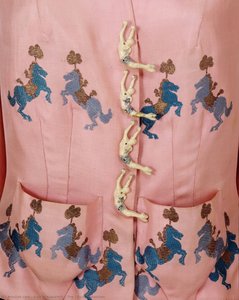
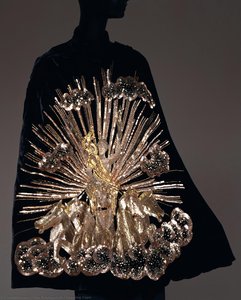
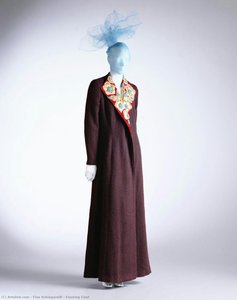
Schiaparelli’s designs were instantly recognizable for their bold use of color, most notably her signature “shocking pink” – a vibrant, almost aggressive hue that defied the muted palettes favored by many of her contemporaries. This audacious choice became emblematic of her rebellious spirit and her determination to challenge established norms. Beyond color, Schiaparelli masterfully employed *trompe-l'œil* effects, creating illusions that blurred the boundaries between art and fashion. She incorporated unexpected materials into her designs – leather, metal, even newspaper print – pushing the limits of textile innovation. Her collections often drew inspiration from mythology, nature, and everyday objects, transforming them into wearable works of art. The Circus Collection of 1938 stands as a testament to this playful approach, featuring theatrical costumes adorned with whimsical motifs and exaggerated silhouettes. An Evening Coat from 1936 showcased her daring use of leather in high fashion, demonstrating her willingness to experiment with unconventional materials. Schiaparelli didn’t simply design clothes; she created immersive experiences that captivated the imagination and challenged perceptions.Legacy and Revival: An Enduring Influence
Despite facing financial difficulties and a decline in popularity after World War II, Elsa Schiaparelli's influence on fashion remains undeniable. She paved the way for future designers to embrace artistic collaborations and push creative boundaries. Her innovative use of materials, her playful approach to design, and her fearless experimentation continue to inspire contemporary artists and fashion houses. Her work is featured in prominent museums worldwide, including the Kyoto Costume Institute and the Victoria and Albert Museum, solidifying her place in fashion history. The Maison Schiaparelli, after decades of dormancy, was re-established in 2014, demonstrating the enduring appeal of her visionary designs. This revival has brought her avant-garde spirit to a new generation, proving that her legacy extends far beyond the confines of the mid-20th century. Elsa Schiaparelli’s true innovation lay not just in creating beautiful clothes but in redefining fashion as an art form – a bold statement that continues to resonate today.Key Works and Collections
- Circus Collection (1938): A dazzling display of innovative design featuring theatrical costumes and whimsical motifs.
- Evening Coat (1936): An example of her use of unconventional materials like leather in high fashion.
- Lobster Dress (1937): A collaboration with Salvador Dalí, showcasing a lobster image printed on silk.
- Shoe Hat (1938): Another iconic creation by Schiaparelli and Dalí, a hat shaped like a shoe.

Elsa Schiaparelli
1890 - 1973 , Italy
Quick Facts
- Artistic Movement Or Style: Surrealist fashion
- Artists Or Movements Influenced By This Artist: ['Contemporary designers']
- Date Of Birth: 1890
- Date Of Death: 1973
- Full Name: Elsa Luisa Maria Schiaparelli
- Nationality: Italian
- Notable Artworks:
- Lobster Dress
- Shoe Hat
- Evening Coat
- Circus Collection
- Place Of Birth: Rome, Italy
Related Articles

White on Canvas: 10 Masterpieces & Timeless Elegance for Your Home Decor
Explore 10 iconic white paintings by Monet, Whistler & Rothko! Discover the stories behind these serene masterpieces and their impact on art history. Find museum-quality reproductions for your home decor at .

The Subtleties of White: Exploring Absence, Light & Symbolism in Art History
Explore the profound symbolism & history of white in art! From ancient purity to modern abstraction, discover how artists have used absence & light. Expert insights from ArtsDot.

Crimson Threads of Narrative: Exploring Symbolism & Representation in Artworks Featuring the Red Dress
Explore the rich symbolism of the red dress in art history! From ancient power displays to iconic portraits like Cézanne’s 'Madame Cezanne', discover the cultural and artistic significance behind this captivating color. Expert analysis & insights.
Cristóbal Balenciaga: Deconstructing Haute Couture's Architectural Legacy
Explore the revolutionary world of Cristóbal Balenciaga, the 'couturier's couturier'. Discover his architectural designs, lasting influence on haute couture, and guide to collecting rare pieces. A connoisseur’s resource.

Monochrome Visions: Exploring the Aesthetic & Historical Significance of Black & White Photography
Explore the rich history & artistic power of black and white photography. From early techniques to iconic masters like Ansel Adams, discover why monochrome continues to captivate art lovers today. Expert insights for collectors.