

 Preview
 Send
Send Share
Share
 Details

 Download
 Similars
 X-Ray
X-Ray Diaporama
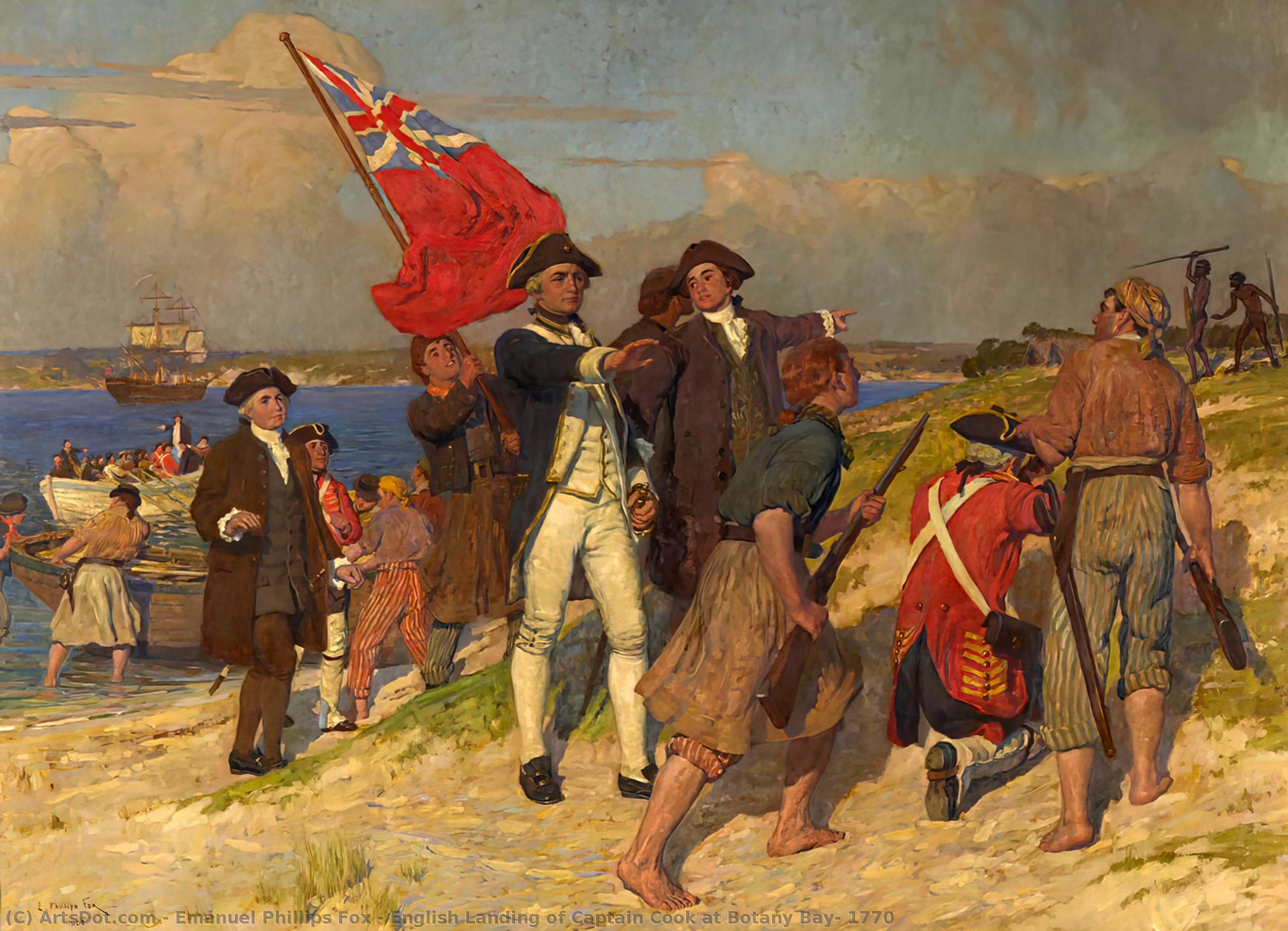
English Landing of Captain Cook at Botany Bay, 1770
 Acrylic On Canvas
- WallArt
- Australian Impressionism
 1902
1902 192.0 x 265.0 cm
 The Ian Potter Centre - Ngv Australia
 Read More
Purchase a high-resolution, enhanced digital image, far superior to the online preview.
Each file is meticulously prepared by our in-house specialists using advanced tools and expert manual retouching. We ensure every image has exceptional clarity, precise color accuracy, and fine detail.
The final file is delivered via email within 72 hours, optimized for immediate use in professional, editorial, and print environments. This is the same quality trusted by top-tier design studios, publishers, and galleries.
Digital Image
Download a high-resolution file for personal display, printing, and creative projects. ( Buy Print Buy Hand Made Painting)
Included in Every Digital Image Order
Expert Digital Delivery, Guaranteed
When you choose ArtsDot.com, you're not just getting an image - you're receiving a professionally enhanced digital artwork, crafted with precision and backed by a satisfaction guarantee. Here's everything that comes with your order, automatically:

Fast Email Delivery
Your high-resolution digital image file will be emailed to you within 72 hours of ordering - ready for immediate use.

AI-Enhanced Digital File
Your artwork is professionally optimized using advanced AI tools and manual editing, ensuring maximum detail, clarity, and color accuracy.

Free Lifetime Re-Delivery
Accidentally deleted or lost your file? No worries - we'll resend it to you anytime, free of charge.

No Import Fees - Ever
Enjoy your artwork instantly with zero customs, duties, or delivery fees - digital downloads are always tax-free.

Color Accuracy Guarantee
We ensure your digital image reflects the original colors as closely as possible using professional tools and color management.

60-Day Satisfaction Guarantee
If you're not satisfied with your digital image, we'll revise it or refund 100% within 60 days - no questions asked.

100% Money-Back Guarantee
Not satisfied? Get a full refund within 60 days of receiving your digital file - no questions asked.

Bulk Order Discounts
Buy 3 images, save 10% - Buy 5, save 15% - Buy 10+, save 20%. Great for creative projects, galleries, and agencies.
A Window into Colonial Australia: Emanuel Phillips Fox’s “English Landing of Captain Cook at Botany Bay”
Emanuel Phillips Fox's "English Landing of Captain Cook at Botany Bay," completed in 1902, transcends mere depiction; it embodies a pivotal moment in Australian history and artistic innovation. More than just a picturesque landscape, this painting serves as a tangible reminder of the dawn of European settlement and the burgeoning Impressionist movement’s fascination with capturing fleeting light and atmosphere. Fox's masterful rendering transports viewers back to 1770, recreating the scene where Captain James Cook and his crew made landfall at Botany Bay – a site that would forever shape Australia’s identity.The Landscape as Narrative
The canvas pulsates with the vibrancy of the Australian bush under a radiant midday sun. Fox skillfully employs Impressionistic techniques—loose brushstrokes, broken color palettes—to convey not just what he saw but how it *felt*. The artist eschewed academic precision for an emotive response to the environment, prioritizing luminosity and tonal variation over meticulous detail. Observe how the dappled sunlight filters through eucalyptus trees, casting intricate patterns onto the sandy shore and illuminating the faces of the indigenous Australians observing Cook’s arrival. This deliberate choice underscores Fox's belief that art should capture the essence of experience rather than simply reproducing it faithfully.Symbolism Rooted in History
Beyond its aesthetic beauty lies a rich tapestry of symbolism reflecting the anxieties and aspirations of the era. The presence of the airplane, an incongruous element juxtaposed against the Victorian backdrop, speaks to the rapid pace of technological advancement – mirroring Australia’s journey from colonial outpost to modern nation. Simultaneously, the depiction of Aboriginal figures engaged in quiet contemplation symbolizes respect for indigenous culture amidst European expansion. Fox subtly conveys a narrative about confronting change while honoring tradition, themes that resonate powerfully even today.Fox's Heidelberg School Legacy
As a prominent member of the Heidelberg School—a group of Australian Impressionists who championed plein air painting and celebrated the Australian landscape—Fox’s work aligns with a broader artistic movement prioritizing direct observation and expressive color. Influenced by artists like Claude Monet and Pierre-Auguste Renoir, Fox sought to emulate their ability to capture the ephemeral qualities of light and color, mirroring the Romantic spirit's fascination with nature's sublime beauty. His dedication to capturing the Australian bush’s unique character cemented his place as one of Australia’s most celebrated landscape painters.A Reproduction Worthy of Distinction
ArtsDot offers a stunning high-quality reproduction of “English Landing of Captain Cook at Botany Bay,” allowing art enthusiasts and collectors alike to experience Fox's vision firsthand. Printed on archival canvas using pigment printing technology, this artwork captures the painting’s original brilliance with exceptional accuracy—preserving its luminous colors and textural nuances for generations to come. Consider incorporating it into your interior design scheme; its evocative depiction of Australian history and Impressionistic artistry will undoubtedly inspire contemplation and admiration.Related Artworks
Artist Biography
Rosa Bonheur: A Pioneer of Animal Realism
Rosa Bonheur, born in Bordeaux, France, in 1865, stands as a remarkable figure in the history of art – a woman who defied societal expectations and achieved unparalleled success in depicting the natural world, particularly its animal subjects. Her journey was one of relentless dedication, meticulous observation, and a profound connection with the creatures she immortalized on canvas. Bonheur’s early life offered an unconventional path to artistic expression; her father, a minor landscape painter, provided her initial training, though it was a tradition that often clashed with her own burgeoning ambitions. Unlike many artists of her time who adhered strictly to academic conventions, Bonheur embraced a more intuitive and deeply personal approach to her craft. She famously studied her subjects extensively, creating numerous preparatory sketches – sometimes hundreds – before committing them to the final canvas. This painstaking process reflected her commitment to accuracy and emotional resonance, ensuring that each brushstroke conveyed not just the outward appearance of an animal but also its spirit and essence.Early Career and Recognition
Bonheur’s career gained momentum in the 1840s, steadily earning her recognition within the Parisian art scene. She regularly exhibited her paintings and sculptures at the prestigious Salon, a juried exhibition that dominated the French art world. Her early successes included third prizes in 1845 and a gold medal in 1848 – significant achievements for a woman artist during an era of considerable prejudice. These accolades propelled her into the public eye, establishing her reputation as a skilled animal painter. However, it was her monumental work, *Plowing in Nivernais* (1849), commissioned by the Second Republic government, that truly cemented her fame. This vast painting, depicting a farmer and his oxen working the land, showcased Bonheur’s remarkable ability to capture movement, texture, and emotion within her subjects. The painting was exhibited at the 1849 Salon and garnered considerable praise, including a visit from Empress Eugénie, who bestowed upon her the cross of the Legion of Honor – a testament to the significance of her artistic achievement.The Horse Fair: A Masterpiece of Composition
Perhaps Bonheur’s most celebrated work is *The Horse Fair* (1853), an enormous canvas housed in the Metropolitan Museum of Art in New York. This painting, a vibrant depiction of a horse auction in Paris, exemplifies Bonheur's mastery of composition and her ability to convey atmosphere and social dynamics. The sheer scale of the work – nearly 20 feet by 30 feet – is breathtaking, drawing viewers into the bustling scene with its intricate details and dynamic arrangement of figures. Queen Victoria herself expressed admiration for *The Horse Fair*, recognizing its technical brilliance and emotional impact. It’s a painting that transcends mere representation; it captures not just the appearance of horses but also the energy, excitement, and social interactions of the event itself.Influence and Legacy
Rosa Bonheur's success was particularly noteworthy as she operated within a male-dominated art world. She challenged conventional expectations for women artists, demonstrating that they could achieve greatness through dedication, talent, and a willingness to pursue their artistic passions regardless of societal constraints. Her meticulous approach to her craft—extensive sketching, careful observation, and a deep understanding of animal anatomy—became an influential model for later generations of animal painters. While she faced challenges and prejudices throughout her career, Bonheur’s legacy endures as a pioneering figure who broke barriers and left an indelible mark on the history of art. Her work continues to be admired for its realism, emotional depth, and vibrant depiction of the natural world, solidifying her place as one of the most important animal artists of the 19th century.Further Resources
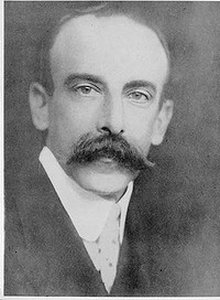
emanuel phillips fox
1865 - 1915 , Australia
Quick Facts
- Artistic Movement Or Style: Impressionism
- Artists Or Movements Influenced By This Artist: ['American Impressionism']
- Artists Who Influenced This Artist: ['William Merritt Chase']
- Date Of Birth: 1865
- Date Of Death: 1929
- Full Name: Robert Henri
- Nationality: American
- Notable Artworks: ['Plowing in Nivernais']
- Place Of Birth: Cincinnati, Ohio

